Middle East aviation crisis: latest update as Gulf carriers struggle to recover

By Josh Wood Wed Mar 25, 2026
The aviation disruption across the Middle East continues to reshape global flight networks with major carriers across the region operating reduced schedules and, in some cases, sending aircraft to storage as instability persists.
What began as military action has now evolved into a prolonged aviation crisis, with airspace closures, safety risks, and operational uncertainty continuing to impact the world’s most important aviation hubs.
Operations remain heavily reduced across key Gulf carriers
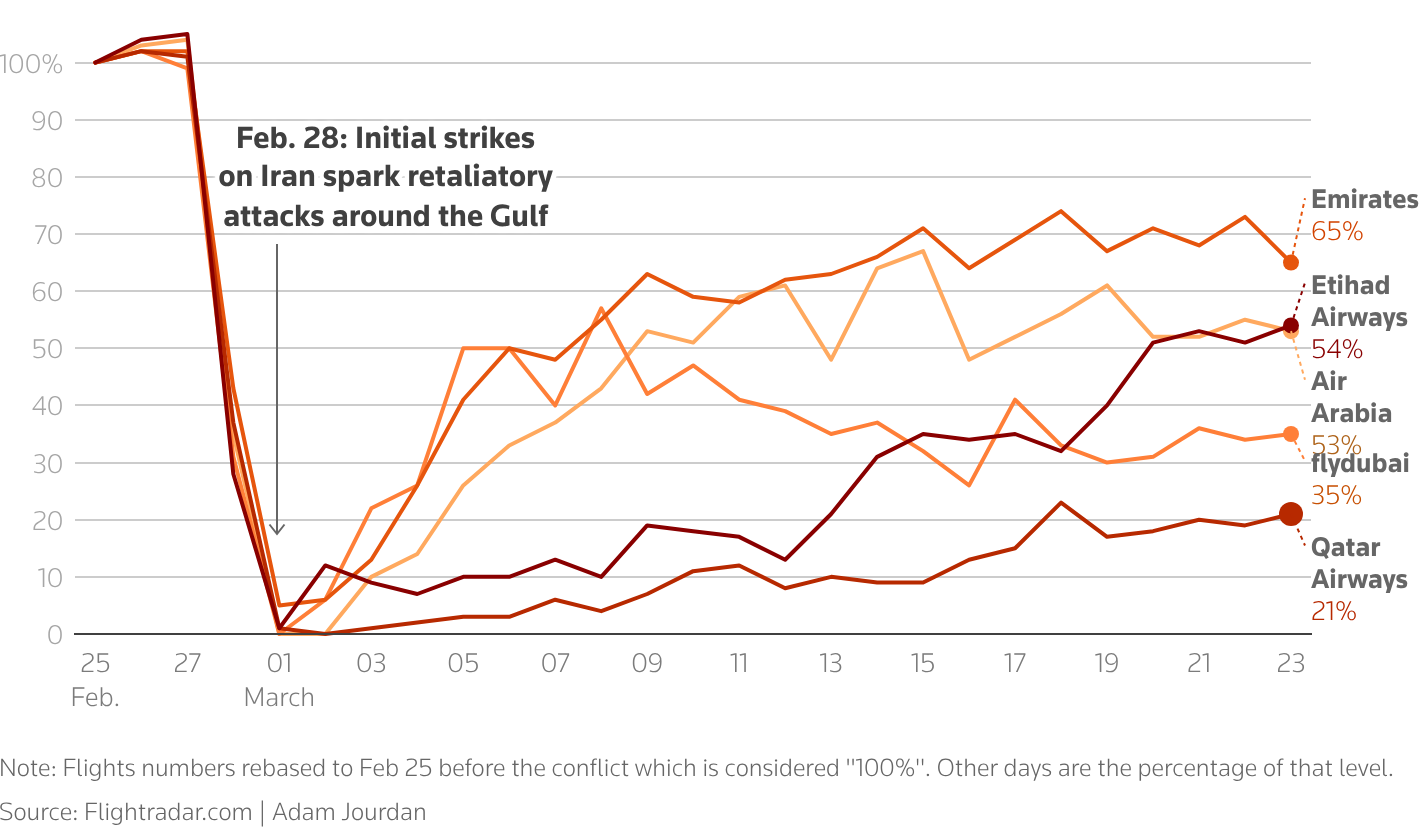
While some flights have resumed across parts of the Middle East, capacity remains far below levels seen before the war. Data from Flightradar24 highlights that Emirates is back to almost three-quarters of its pre-war capacity.
Etihad Airways trails in second place, with just over half of its standard schedule operating. The airline states it is operating a limited number of flights to a number of key destinations.
flydubai is the most impacted UAE-based carrier, with operations recovering to just one-third of their usual schedule. The airline states on its website that it is operating flights across its network with a reduced schedule, citing that Dubai transit and flight times may be longer due to the rerouting of flights.
Due to Qatar’s prolonged airspace closures, Qatar Airways is at just 20% of its original capacity before 28 February.
Qatar Airways is the hardest hit as aircraft are stored
Doha-based Qatar Airways has been the most severely impacted airline, with it being forced to scale back its operations. The airline states on its website that operations are still suspended due to the closure of Qatari airspace.
The airline is operating a limited number of flights until March 28, with destinations including Johannesburg, New York JFK, Bangkok, London, and Perth available to book via its website.
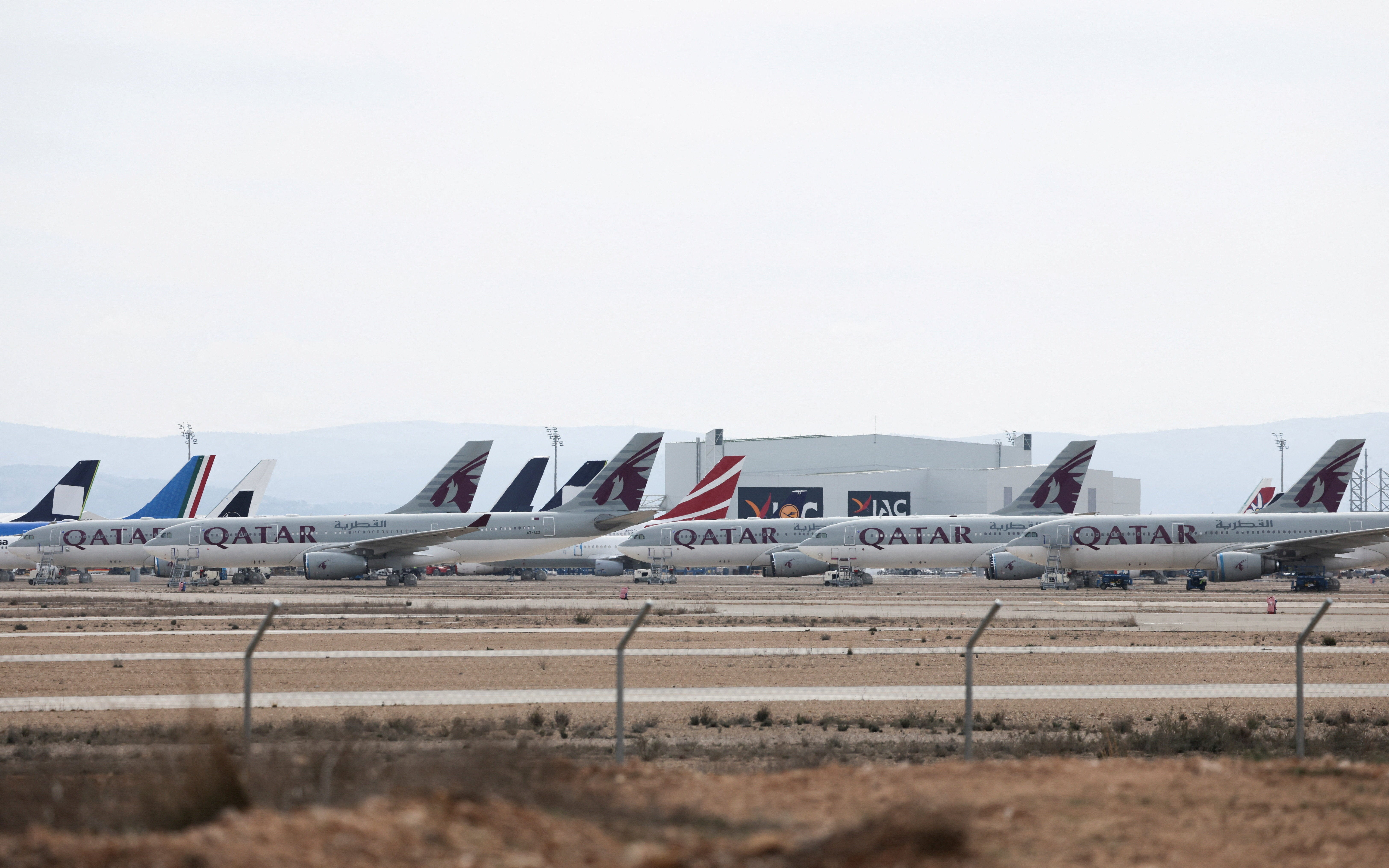
Data from Flightradar24 indicates that the carrier has sent twenty aircraft to Teruel, Spain, for storage. This reflects a sharp drop in aircraft utilisation as restricted airspace and weak demand limit Qatar Airways’ ability to dispatch aircraft.
Qatar Airways aircraft, including its A330, A350, and A380s, were seen flying from cities such as Houston, London, and Nairobi to the Spanish desert airport. Teruel served as a storage airport for jets during the COVID-19 pandemic due to its inherently lower storage costs compared to operational airports. Aircraft will be progressively returned to service as flight operations are restored to normal levels.
Airlines strap in for a global oil crisis
The impact of one of aviation’s largest crises extends way beyond the Middle East.
Several international carriers have suspended services to the region, while others avoid its airspace entirely, resulting in longer flight times and increased operational costs.
Coupled with flights being rerouted, global oil prices have pushed up air fares, with United Airlines CEO Scott Kirby stating the airline is preparing for a long fallout due to oil prices, which have doubled in four weeks.
For airlines, fuel is one of the highest operating costs, accounting for around 30%, meaning even small increases can have a profound effect. As fuel prices rise, so do ticket prices, with industry analysts estimating long-haul fares could rise by 25% in the coming months.
Routes between Europe and Asia will be impacted the most due to flight re-routing. Carriers will pass most of the increased costs onto passengers, with higher fares and reduced promotional availability likely in the short term.
Airlines globally have suspended operations to the Middle East
British Airways has extended suspensions to Amman, Bahrain, Dubai, and Tel Aviv until 31 May, with Doha suspended until 30 April.
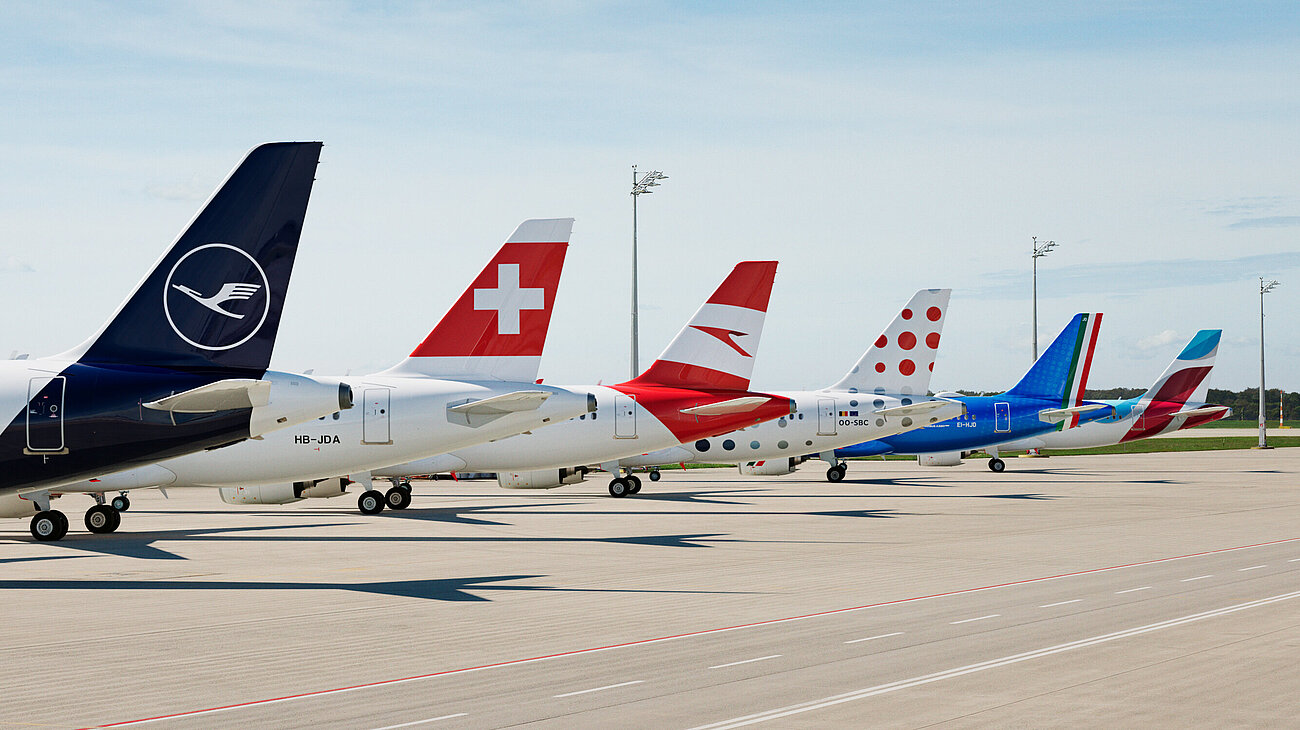
The Lufthansa Group, including SWISS, Austrian Airlines, Brussels Airlines, and ITA Airways, has implemented cuts to Dubai and Tel Aviv until 31 May. Services to Abu Dhabi, Amman, Beirut, Dammam, Riyadh, Erbil, Muscat, and Tehran are not expected to resume until 24 October.
Across Europe, Air France-KLM Group has cancelled flights to Dubai and Riyadh until 31 March, with Tel Aviv and Beirut suspended until 4 April. LOT Polish Airlines has halted services to Tel Aviv until 31 May, while Norwegian has also stopped flying to Middle Eastern cities without a confirmed restart date.
Major Asian carriers, including Cathay Pacific, Singapore Airlines, Japan Airlines, and Malaysia Airlines, have either cancelled or reduced services across the region. Suspensions in place are in effect until late March or early April.
Low-cost airlines have been heavily impacted. IndiGo has suspended a wide range of Gulf routes until April, while Wizz Air and Pegasus Airlines have cancelled multiple Middle Eastern services, in some cases extended through September.
The outlook remains uncertain
While some airlines start to slowly recover, a full return to operations remains unlikely soon.
Airlines continue to balance safety, operational feasibility, and commercial demand with the ongoing situation, creating the most complex operating environments airlines have seen for decades.
For now, the Middle East remains a critical but volatile region for global aviation, with uncertainty continuing to define airline operations in the weeks and months ahead.
Have questions or want to share your thoughts?