Airlines with the 737 MAX 10 on order
By Josh Wood Wed Oct 21, 2026
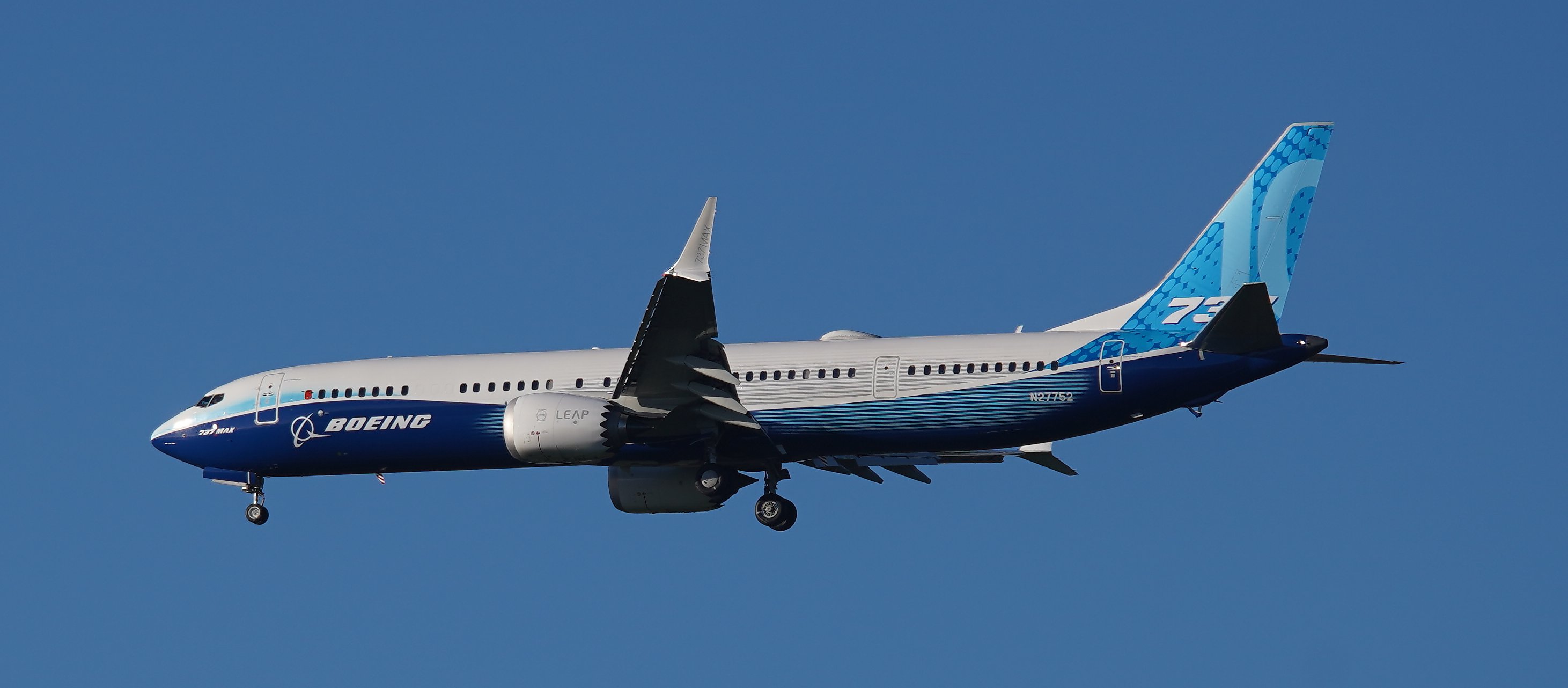
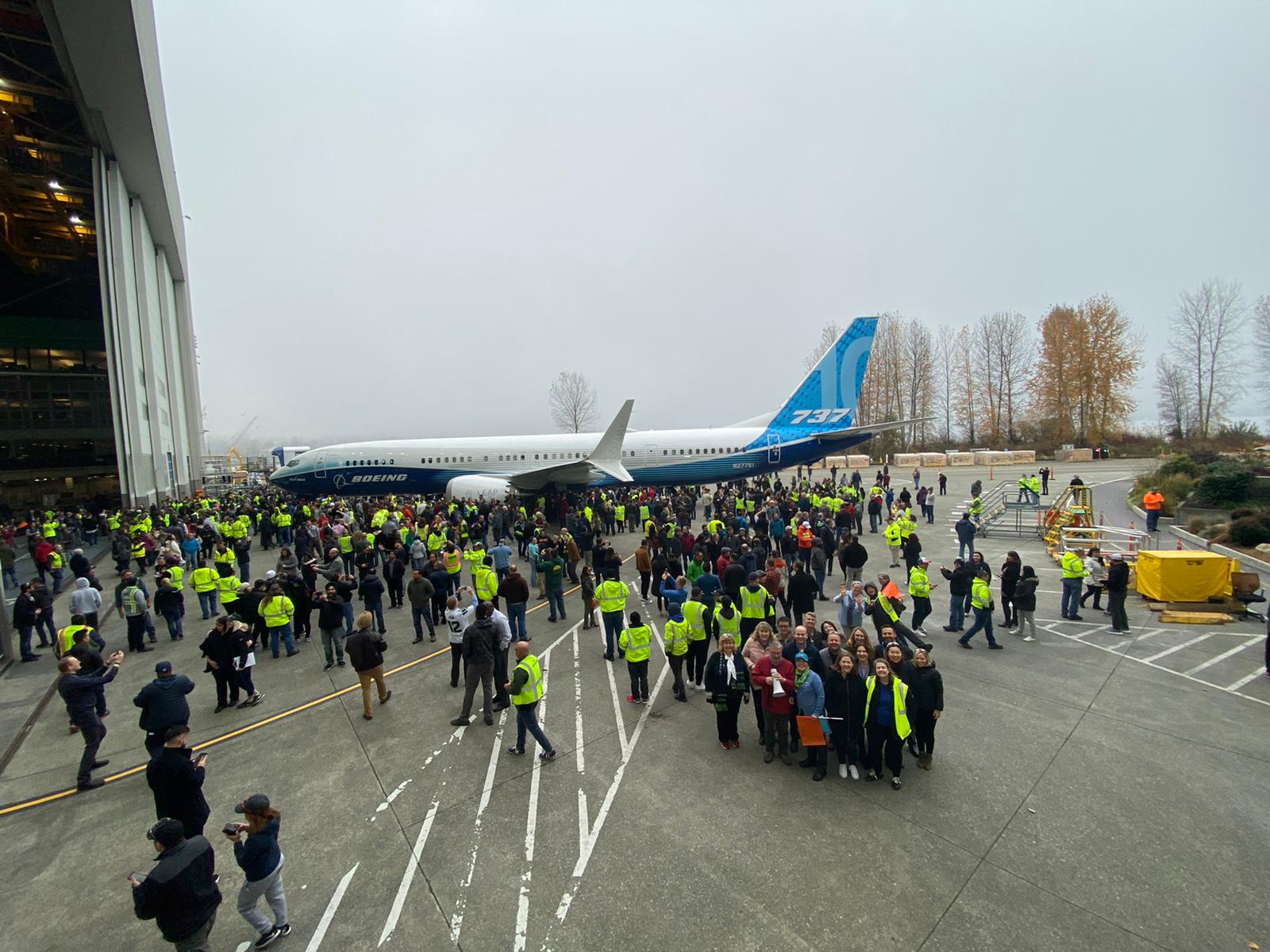
In a major milestone for Boeing, the 737 MAX 10 has obtained type certification from the Federal Aviation Administration (FAA) after repeated delays. The announcement was made when US Transportation Secretary Sean Duffy visited the Boeing factory in Everett, Washington, on 20 October 2026. The aircraft, the largest in the 737 family, is now cleared for delivery, with more than 1,500 on Boeing order book.
Why the MAX 10 took so long
Boeing launched the 737 MAX 10 at the 2017 Paris Air Show and planned to start deliveries in 2020, but the two MAX 8 crashes in 2018 and 2019 halted the certification process before the new variant had even flown. The FAA took back much of the authority Boeing had to sign off on its own work, while Congress passed a 2020 safety law that only let the MAX 10 avoid new cockpit alerting rules if Boeing fitted a third angle-of-attack sensor across the entire MAX family. As a result, the prototype didn't get airborne and start flight tests until June 2021.
In 2023, Boeing found a flaw in the engine anti-ice system that could overheat the engine inlet badly enough for it to break away. When the Alaska Airlines door plug blew out in January 2024, the company came under further pressure to withdraw its request to fix the issue after the aircraft entered service. The redesign dragged on until late 2025, and even then the MAX 10 had to wait its turn behind the smaller MAX 7, which only received approval in August 2026.
There was one last hurdle in late September, when a software issue in the flight management computers put certification on hold until the FAA's review board decided it didn't pose a safety risk. The regulator finally certified the MAX 10 on 20 October 2026, almost seven years later than Boeing had first promised.
Who has the 737 MAX 10 on order?
The 737 MAX 10 has over 1,500 orders from airlines across the globe, with US-Based carriers such as United Airlines and American Airlines being the largest. The 1,215 orders listed below account for firm orders, with the rest being from undisclosed airlines or leasing companies.
Airline | 737 MAX 10 orders |
United Airlines | 167 |
Ryanair | 150 |
American Airlines | 115 |
Alaska Airlines | 105 |
Delta Air Lines | 100 |
Pegasus Airlines | 100 |
Akasa Air | 99 |
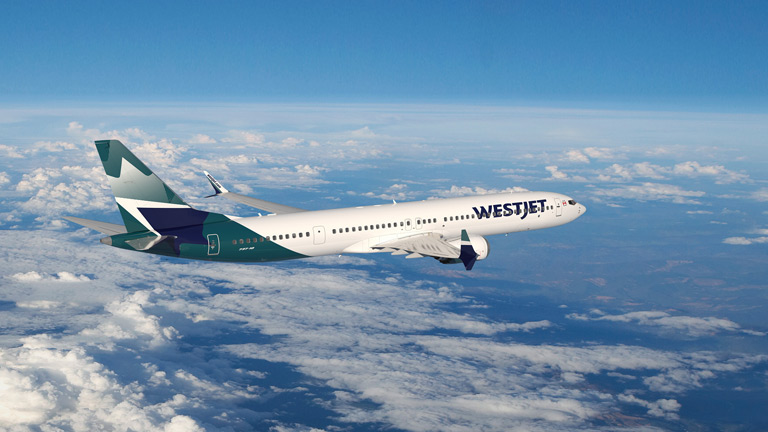
WestJet (launch customer) | 96 |
Air India Group | 60 |
Korean Air | 50 |
GOL | 42 |
TUI Airways | 27 |
Vueling | 25 |
Lufthansa Group | 20 |
Copa Airlines | 15 |
Donghai, Iraqi Airways and Virgin Australia | 10 each |
Luxair | 4 |
To put the MAX 10's order book into context, Boeing has delivered more than 2,480 MAX 8s and MAX 9s since the type entered service in 2017, and it still has around 2,770 of those variants to be built. The MAX 10 already accounts for 1,555 orders from more than 30 customers, which is more than 30 per cent of the entire MAX backlog and roughly seven times the number of MAX 9s still on order. The MAX 7 sits at the other end of the scale with only around 264 aircraft on order, and almost all of them belong to Southwest Airlines, which has 257 on its books to replace its ageing 737-700 fleet.
What the MAX 10 offers
The MAX 10 is the longest 737 Boeing has ever built at 43.8 metres, and it seats up to 230 passengers in a single class or typically between 185 and 210 across two classes, which is around a dozen more than the MAX 9 and more than 25 extra seats compared with the MAX 8. For airlines that already fly the 737, the big attraction is that they can carry more people on their busiest routes using the same pilots, spare parts and maintenance programmes they already have, without the cost of bringing in a new aircraft type. Boeing claims the MAX 10 has the lowest cost per seat of any single-aisle aircraft in service, and Lufthansa expects its MAX 10s to burn around 30 per cent less fuel than the older Airbus jets they will replace while cutting unit costs by roughly 20 per cent. That explains why carriers such as Delta and Alaska plan to use the type on busy hub and cross-country routes, where every extra seat on a flight goes straight to the bottom line.
Where it falls short
For all the orders it has attracted, the MAX 10 still trails the aircraft it was designed to beat. The Airbus A321neo can seat up to 244 passengers, and its long-range A321XLR version can fly as far as 4,700 nautical miles, which is around 1,600 nautical miles more than the MAX 10’s maximum range of about 3,100. That gap means the A321XLR can open up transatlantic and long, thin routes that the MAX 10 simply cannot reach. The MAX 10 also needs more runway for takeoff and landing than its rival, because Boeing had to stretch an airframe whose basic design dates back to the 1960s, and that limits its usefulness at smaller airports with shorter runways. The A321neo has also had a head start of several years in service, by which time Airbus had already sold thousands of them, so the MAX 10 arrives as the late entrant in a market its competitor has dominated for most of the past decade.
With certification finally approved, the focus is now on getting aircraft delivered to customers that have been waiting years. Boeing has around 40 completed MAX 7s and MAX 10s parked and waiting for delivery, which it expects to work through over roughly 18 months, while the new production line in Everett takes on the bulk of MAX 10 assembly. WestJet will be the first to put the type into service, with Alaska Airlines planning to start passenger flights by the middle of May 2027 and Ryanair expecting its first 15 aircraft in the spring.
For the airlines that have waited the best part of a decade, the MAX 10 finally gives Boeing a direct answer to the successful Airbus A321neo, although the real test will be whether Boeing can deliver more than 1,500 of them on time after the years of delays that came before.
Have questions or want to share your thoughts?