CEO shares what drives the world's best low-cost carrier

By Josh Wood Tue Oct 6, 2026
HK Express draws one third of its passengers from the wider Greater Bay Area and nearly 60% of the people it flies are aged between 21 and 39. Chief executive Jeanette Mao shared those figures in an on-stage interview at the CAPA Airline Leader Summit Asia in Hokkaido on 1 October, where she set out how the airline's young customer base, its sole-operator routes and its strict approach to costs will guide the next phase of growth.
We named HK Express the World's Best Low-Cost Carrier for 2026 in March, when the consistency of its cabin crew and an onboard menu built around Hong Kong street food lifted the airline from fourth place the previous year. It also holds our World's Safest Low-Cost Airline title for the second year running and in 2025 became the first low-cost carrier to earn our Seven Star PLUS safety rating. Mao told the summit that HK Express has almost doubled in size over the past three years across its network, fleet and passenger numbers, and that it is now Hong Kong's second-largest airline in capacity, carrying one in every eight passengers who depart from Hong Kong International Airport.

Mao said HK Express is "determined to be one of Asia's leading LCCs", and the rest of the interview explained how the airline intends to get there while staying disciplined and consistent about what it does well.
READ: World's Best Airlines for 2026 by Airline Ratings
Young travellers from across the Greater Bay Area
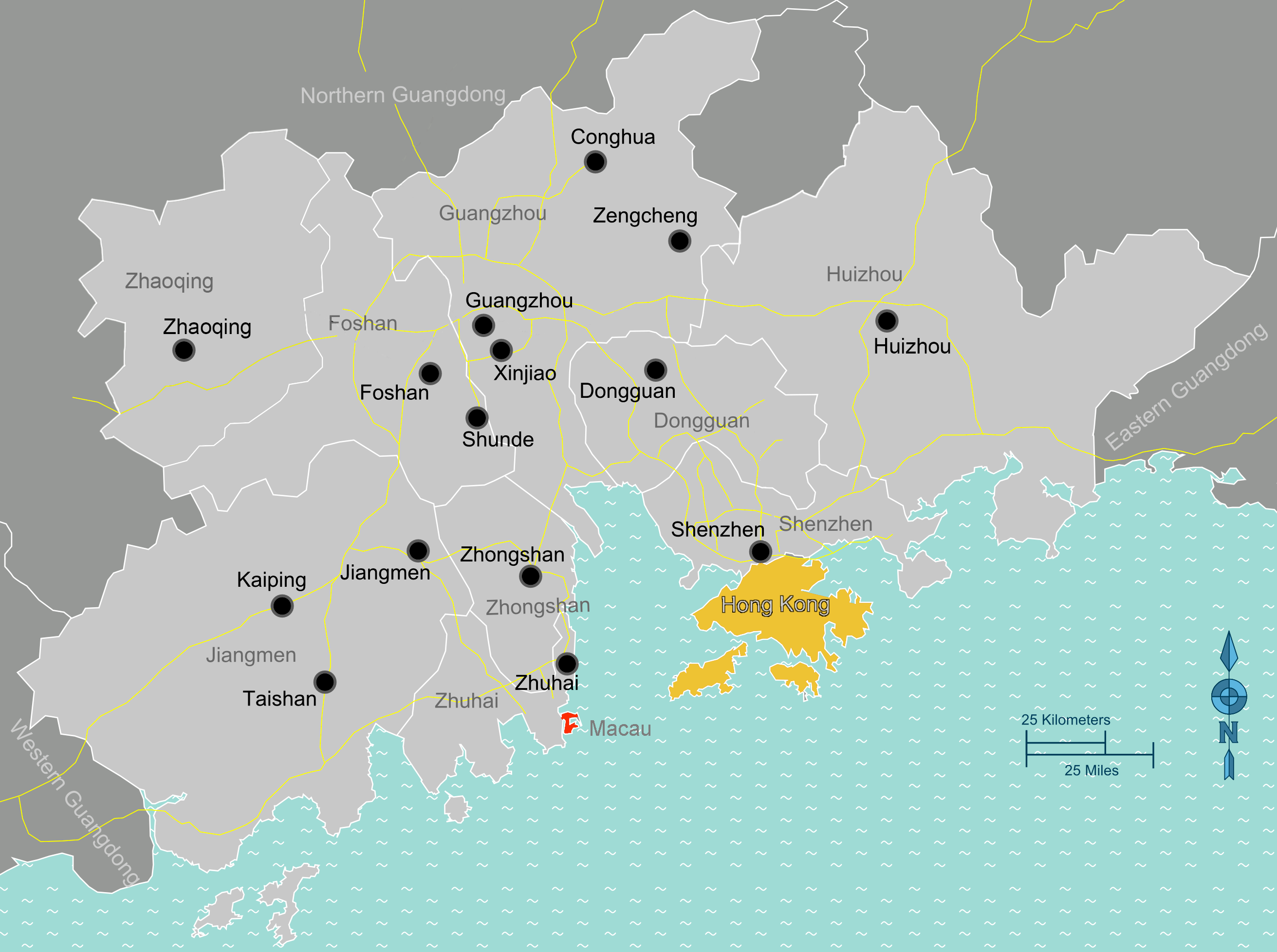
Hong Kong has a population of about 7.5 million, which Mao contrasted with the nearly 90 million people who live across the Greater Bay Area, the region that links Hong Kong and Macau with nine cities in Guangdong province including Shenzhen and Guangzhou. One third of HK Express passengers now come from that wider catchment, a share that stood at one quarter when Mao spoke to Cathay shareholder Swire Pacific in July 2025.
These travellers reach Hong Kong International Airport by ferry, train and car, and Mao has previously explained that they fly HK Express to destinations that have no direct service from their home cities.
Most of the airline's passengers are aged between 21 and 39 and Mao said HK Express is aimed at young travellers. The focus extends to the booking experience, where the airline modelled its website on the shopping sites young people already use and deliberately looked outside the airline industry for its reference point.
The only airline on nearly a third of its Hong Kong routes
HK Express is the only airline flying nearly one third of the routes it operates from Hong Kong, and Mao said having those routes to itself helps the airline stimulate new demand. She has previously pointed to second-tier Japanese cities such as Ishigaki, Komatsu and Takamatsu as places where HK Express was the first mover. The airline also teams up with tourism boards, airports and local governments to promote those lesser-known places to travellers across the Greater Bay Area.
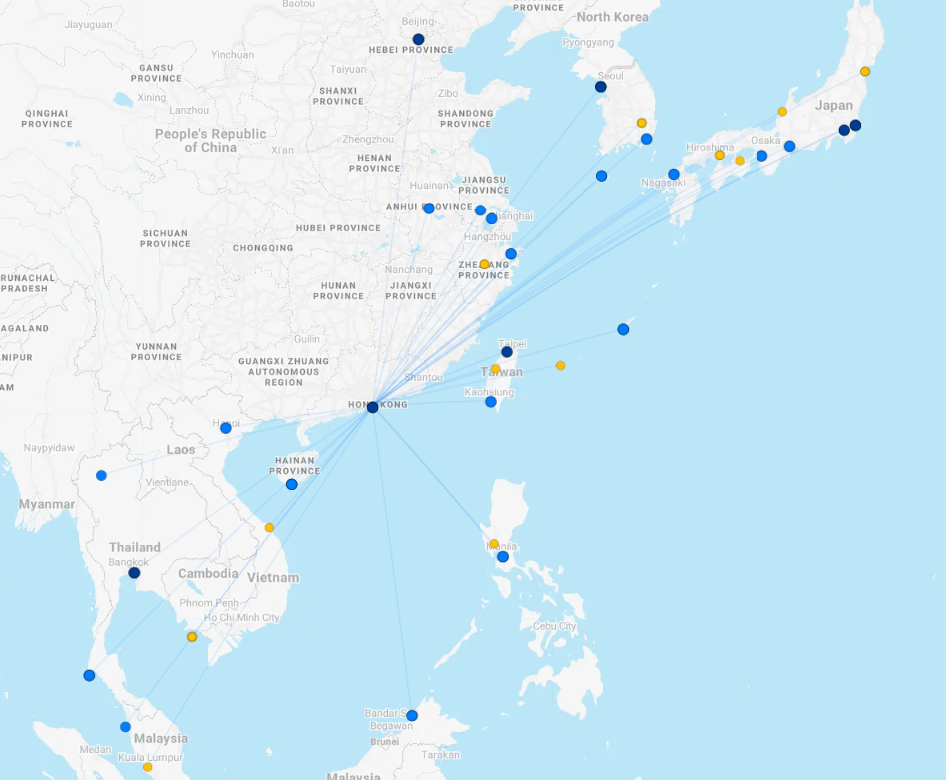
Mao described a network built on three markets, which are Northeast Asia, Southeast Asia and Chinese Mainland. Northeast Asia remains the airline's strongest region and she said HK Express sees big demand in Chinese Mainland, where the airline announced a new route to Hefei the day before she spoke. Flights to the capital of Anhui province are due to start on 3 December with four services a week, which will give HK Express seven destinations in Chinese Mainland, the others being Beijing Daxing, Ningbo, Wuxi, Changzhou, Yiwu and Sanya.
READ: HK Express: An airline you want to fly, our honest review
A fleet heading for 50 aircraft
HK Express now has 43 aircraft and Mao said three more will arrive before the end of the year, with a further 19 on order for delivery over the next three to four years. She put the eventual fleet at 66 aircraft, a total that matches the 26 new-generation Airbus A320neo and A321neo jets HK Express had at 30 June plus the 24 on order in Cathay's interim results. The 16 older A320-200s and A321-200s make up the rest of the current fleet, and the six A320-200s averaged 18.3 years old at that date.
Growth on that scale depends on suppliers delivering on time, and Mao said the supply chain problems facing airlines reach well beyond late aircraft to include engines, seats, maintenance providers and other suppliers.
How HK Express fits alongside Cathay Pacific
Cathay Pacific has owned HK Express since 2019 and the group runs the two as a dual-brand model, with Cathay Pacific as the premium full-service airline and HK Express as the low-cost carrier. Mao described the two airlines as complementary and said they coordinate with each other on network planning.
She called long-haul connectivity critical, and the two airlines already codeshare so that a traveller arriving in Hong Kong on a Cathay Pacific long-haul flight can continue to an HK Express destination on a single ticket.
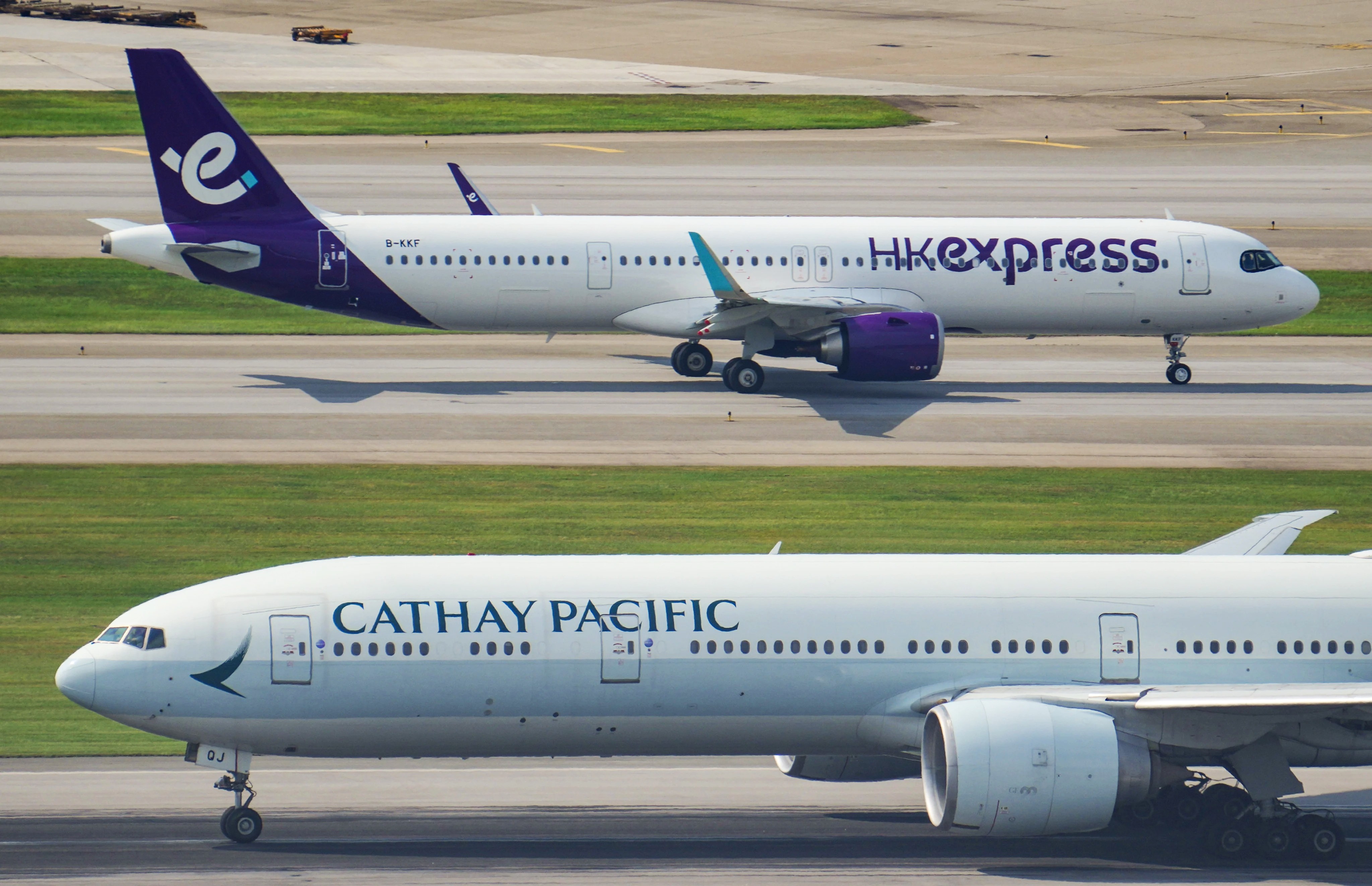
Mao said the dual-brand model gives the group more flexibility in how it serves a market. The two airlines both fly to 14 destinations, and she said those services do not duplicate each other because they differ in their timings, their price points or the customer needs they meet. Mao said the two airlines also work together beyond network planning wherever they see value in doing so.
Success measured by returns
Mao said cost discipline is central to the way HK Express runs. The airline measures its success by the returns it generates, which she said matter more than the number of passengers it carries, and it challenges its costs as a matter of course while reviewing each KPI to check that it is still meaningful and valuable to the business.
That focus comes as HK Express narrows its losses. The airline cut its first-half loss before net finance charges and taxation to HK$73 million from HK$524 million a year earlier, on passenger revenue that rose 37.8% to HK$4.14 billion while passenger numbers grew 9.8% to 4.2 million. Cathay described the improvement as substantial and said HK Express is heading towards a turnaround, although the sharp rise in jet fuel prices during the second quarter held the result back.
The same priorities were visible in June, when HK Express flew 7.4% less capacity than a year earlier after consolidating a small number of flights to offset part of its higher fuel bill. Passenger numbers fell 3.8% that month, while the load factor rose five percentage points to 75.5%.
Mao said the airline will remain disciplined and consistent about what it is good at, which on the evidence of her CAPA interview means flying young travellers from across the Greater Bay Area on routes the airline can make its own and growing only where the returns justify it.
Have questions or want to share your thoughts?