What airlines are on the EU blacklist and what is means

By Josh Wood Wed Jul 22, 2026
The EU Air Safety List (ASL), more commonly known as the EU blacklist, is a list of airlines that are subject to an operating ban or operational restrictions within the European Union. Airlines on the list do not meet strict EU safety standards and are banned from operating to, from, or flying over the EU.
The list is split into Annex A, which bans carriers from operating within the EU, and Annex B, which lists carriers subject to restrictions. As of July 2026, 154 airlines are banned from the EU, and the aviation authorities of 16 countries have been identified as lacking safety oversight.
No Russian airline is allowed into the EU. No exceptions.
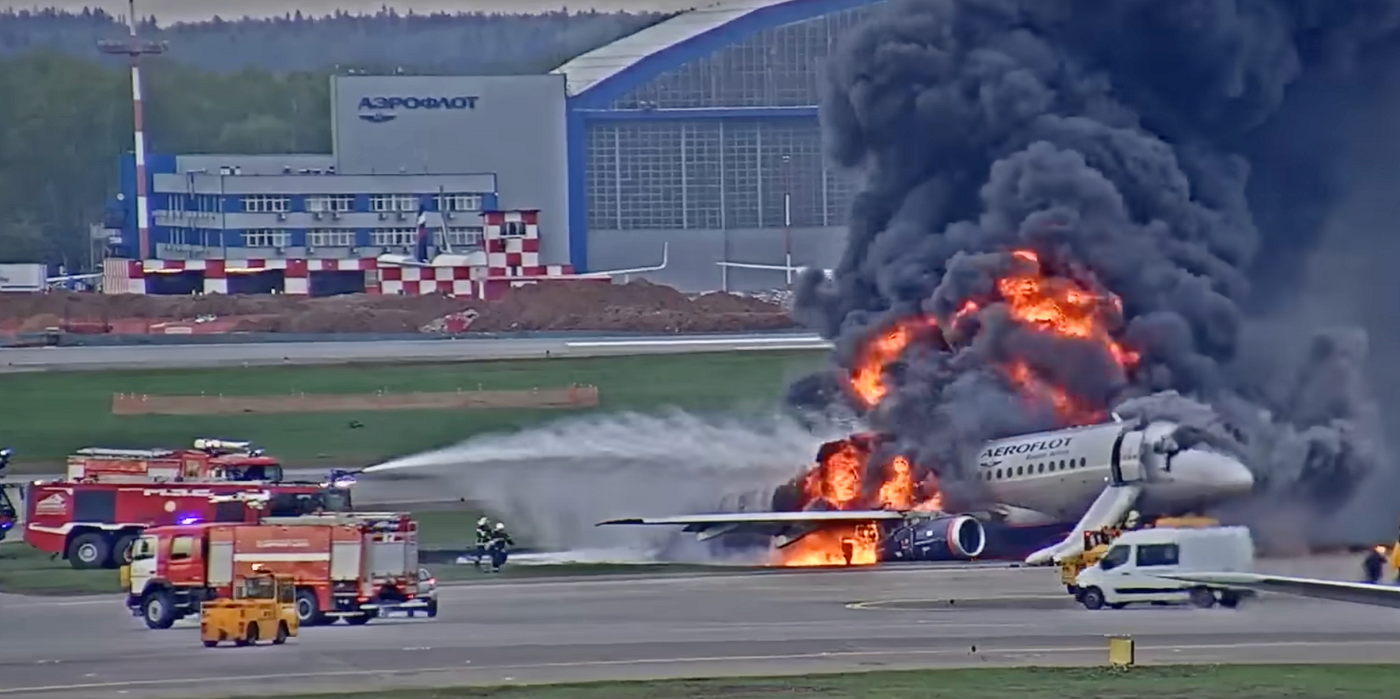
Following Russia's invasion of Ukraine, Western sanctions cut its airlines off from foreign aircraft leasing, parts and maintenance. In response, Russia re-registered hundreds of foreign-owned leased jets onto its own register. Its Federal Air Transport Agency then allowed carriers such as Aeroflot, S7 and Rossiya to keep flying them without valid Certificates of Airworthiness.
That directly breached the Chicago Convention and international safety standards. On this technical basis, the EU added 22 Russian carriers to its Air Safety List. The listing is not a sanction, and the EU has stressed it rests solely on safety grounds. A separate airspace ban already bars every Russian carrier from EU skies.
Airline | Safety Rating |
Aeroflot | 0/7 |
Rossiya | 1/7 |
Pobeda | 1/7 |
S7 Airlines | 1/7 |
Ural Airlines | 1/7 |
UTair | 0/7 |
The EU Air Safety List includes 22 Russian carriers, all barred from flying to, within or over the EU. AirlineRatings does not hold an individual profile for every one, including smaller operators such as Yakutia, Izhavia and Alrosa. We do not recommend any Russian airline based on safety alone.
Nepal is completely banned
Behind Russia, Nepal is the second-largest national ban on the list. The entire country and every airline has been banned since 2013, regardless of individual safety records. The EU has judged the entire country based on its approach to safety and its regulators’ oversight. Key Nepalese operators include Nepal Airlines, Buddha Air, Yeti Airlines and Himalaya Airlines.
Nepal has arguably one of the most challenging flying environments in the world, thanks to its Himalayan terrain, short high-altitude airfield and rapid weather changes. Lukla Airport, which provides access to Everest Base Camp, is known for being the most dangerous airport in the world, with many accidents.

Nepal’s accident rate is poor, with 20 accidents recorded since 2006, resulting in over 220 fatalities.
Saurya Airlines, July 2024: a CRJ200 stalled and crashed seconds after take-off from Kathmandu, killing 18 of the 19 on board. The captain was the sole survivor.
Yeti Airlines Flight 691, January 2023: an ATR 72 stalled on approach to Pokhara after the crew inadvertently feathered both propellers. All 72 died.
Tara Air Flight 197, May 2022: a Twin Otter flew into terrain near Jomsom in poor weather, killing all 22.
Tara Air Flight 193, February 2016: a Twin Otter crashed in the Myagdi district on the same Pokhara to Jomsom route, killing all 23.
Nepal Airlines Flight 183, February 2014: a Twin Otter flew into a hillside in Arghakhanchi in bad weather, killing all 18.
Nepal is trying to improve its safety record to meet ICAO standards and is pushing for its EU ban to be lifted. It is possible, as Kyrgyzstan was delisted in June 2026 after being banned for 20 years.
Afghanistan, Iraq, Iran and North Korea all have bans
Every Afghan carrier is banned from operating into the EU, with Ariana Afghan Airlines and Kam Air named specifically. Under Taliban rule, the country lacks a functioning aviation regulator, so the ban is unlikely to lift any time soon.
In Iraq, Fly Baghdad and national carrier Iraqi Airways both sit on Annex A. Iraqi Airways carries a complicated history. During the 1990 invasion of Kuwait, it seized ten Kuwait Airways aircraft and millions of spare parts. Kuwait Airways later won judgments and registered them across Europe. It then threatened to impound any Iraqi Airways aircraft that landed on the continent.
That threat is why the airline could not fly its own jets to Europe. In April 2010, it extended its Baghdad to Malmö service onward to London Gatwick. The flights ran twice weekly on a Boeing 737-400 wet-leased from Swedish operator Tor Air. Because Tor Air owned the aircraft, Kuwait could not seize it to settle Iraqi Airways' debt.
When the first flight reached Gatwick, a Kuwaiti lawyer moved to seize the plane and stripped the airline's director-general of his passport. The seizure failed because the jet belonged to Tor Air. Weeks later, Iraq's cabinet resolved to dissolve the airline to escape Kuwait's claims. The European service quickly collapsed.
The EU’s two-tier system in full swing
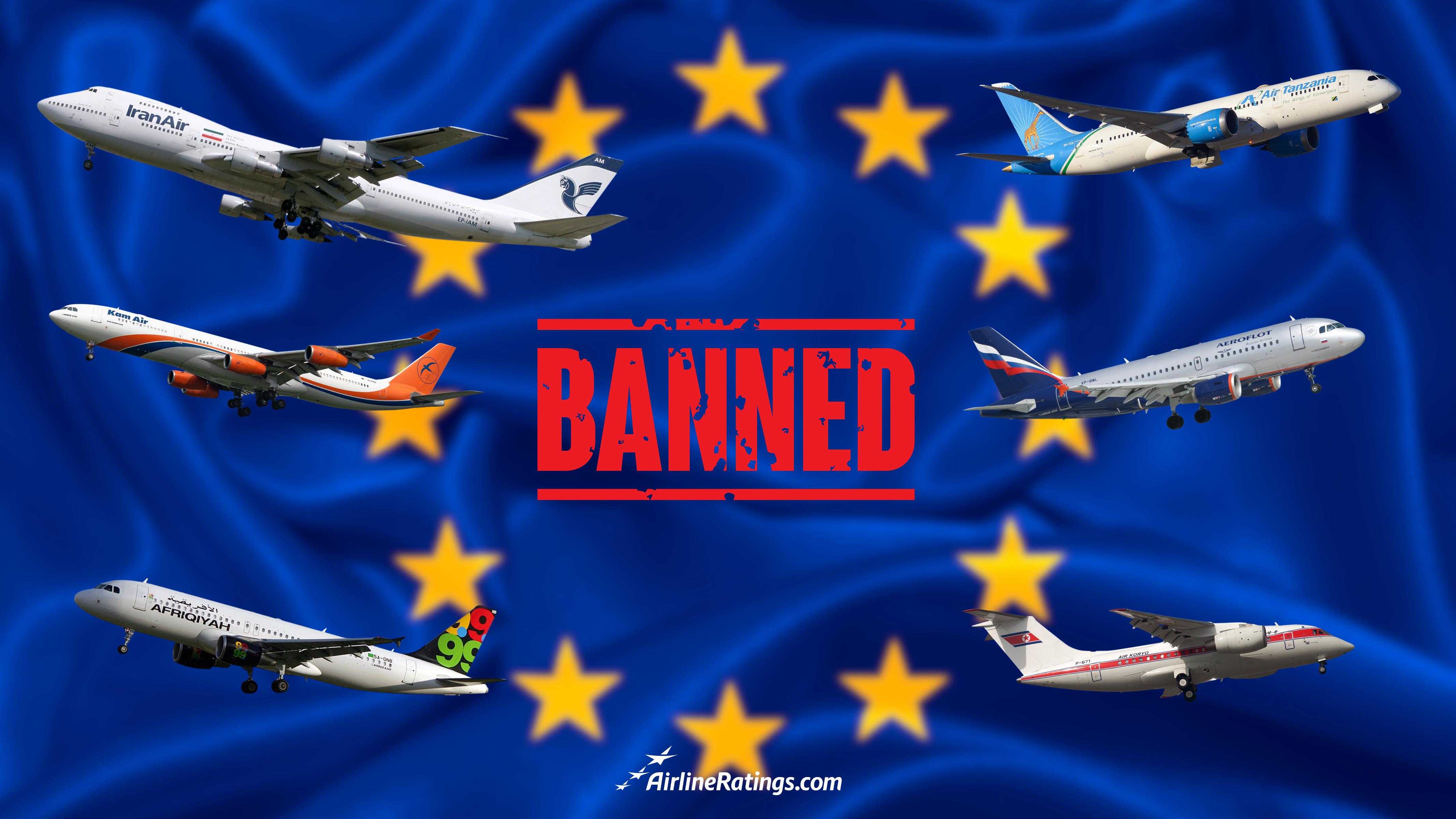
Iran is the clearest example of the EU's two-tier system. Iran Aseman Airlines is fully banned, while Iran Air is restricted rather than banned. Only Iran Air's Fokker 100 and Boeing 747 aircraft are barred, and all other types are permitted in EU airspace.
That changed in October 2024 when the EU sanctioned Iran Air, Mahan Air and Saha Airlines for allegedly using civil aircraft to move missiles and drones to Russia for the war in Ukraine. Iran denies this. These sanctions are political, not safety-related. Until then, Iran Air flew direct to London, Paris, Frankfurt, Rome and Hamburg. It suspended every route to avoid aircraft being refused landing. Passengers now reach Europe through Turkey and the UAE.
Iran Air is not the only carrier flying under conditions rather than a full ban. The only other airline on Annex B is Air Koryo of North Korea. Its entire fleet is banned from the EU except two Tupolev Tu-204s, which meet safety standards. As a closed country, North Korea offers almost no transparency over its regulator, the General Administration of Civil Aviation. Beyond those two jets, its fleet is ageing.
.jpg)
African carriers make up most of the ban list
Due to the sheer number of small bush, cargo and charter carriers, Africa accounts for the overwhelming majority of the list. The pattern across the continent is regulatory and entire countries are banned at once, with a handful of exceptions.
The larger, more recognisable carriers on the list include Air Zimbabwe, Afriqiyah Airways, Libyan Airlines and Air Tanzania. Air Zimbabwe is named individually rather than caught by a country-wide ban, while the others fall under countrywide bans on Libya and Tanzania.
Angola shows that a ban can be escaped, as every Angolan carrier is banned except TAAG Angola Airlines and Heli Malongo. TAAG came off the full ban years ago after investing in fleet renewal and stronger oversight, and it stands as the clearest proof that delisting is achievable.
The list is not static, with Air Express Algeria being added in June 2026 over serious safety concerns, making it the only Algerian carrier named. Air Algerie is allowed to operate into the EU.
Conflict explains several of the bans. Sudan's carriers, among them Sudan Airways, sit on the list because civil war has shattered the country's aviation oversight. Libya tells a similar story with years of instability and a fractured government leaving its regulator unable to meet international standards, which is why Afriqiyah Airways and Libyan Airlines are barred from European skies.
It is worth being clear about what a listing means. In most cases it reflects a weak national regulator, not a poor safety record at any single airline. Many of these carriers never flew to Europe in the first place. For them, the ban works as a warning to travellers rather than a lost route. The bans are also escapable. TAAG shows that a carrier can win back access by fixing its fleet and its oversight. The wider message across Africa is less that its skies are unsafe and more that the strength of the regulator decides who flies.
.jpg)
READ: Africa’s safest airlines
Armenia is banned, and it is far closer to home
Armenia sits on the list in full, with nine carriers named including FlyOne Armenia, Fly Arna, Armenia Airways, Novair and Shirak Avia. This is the ban that is surprising because Armenia is in Europe rather than in a conflict zone. The reasoning is due to the EU judging the national regulator, not individual airlines in the country.
Venezuela and Suriname round out the list
Two South American entries complete the list, with Venezuela's Avior Airlines named individually on Annex A, putting it in the same bracket as Air Zimbabwe rather than a country-wide ban. Suriname is banned in full, which catches national carrier Surinam Airways along with Blue Wing Airlines, Gum Air and Fly All Ways.
How an airline gets off the list
First released in 2006, the EU banned list turned 20 this year, and the June 2026 revision was its 48th update. It tells passengers which airlines face an operating ban or restrictions because they fall short of international safety standards.
The process is more collaborative than the word "blacklist" suggests. An airline that believes it now meets the relevant standards can apply to the European Commission to be removed, either directly or through its own civil aviation authority. It then has to prove it, by submitting evidence, attending meetings and, in some cases, hosting on-site inspections and hearings.
Decisions are made by the EU Air Safety Committee, with aviation safety experts from every member state serving on it, chaired by the Commission, with support from EASA and the European Parliament's Transport Committee. The Committee meets a few times a year, though the Commission can update the list whenever required. Every decision to impose or lift a restriction has to receive unanimous support.
Kyrgyzstan proves the system works both ways, as its carriers were removed from the list in June 2026, recognising two decades of work strengthening the country's aviation safety oversight. The Commission argues the list changes behaviour before a ban is even needed, describing it as a strong preventive tool, because countries under scrutiny tend to improve their oversight rather than see their airlines named.
What it means when you book
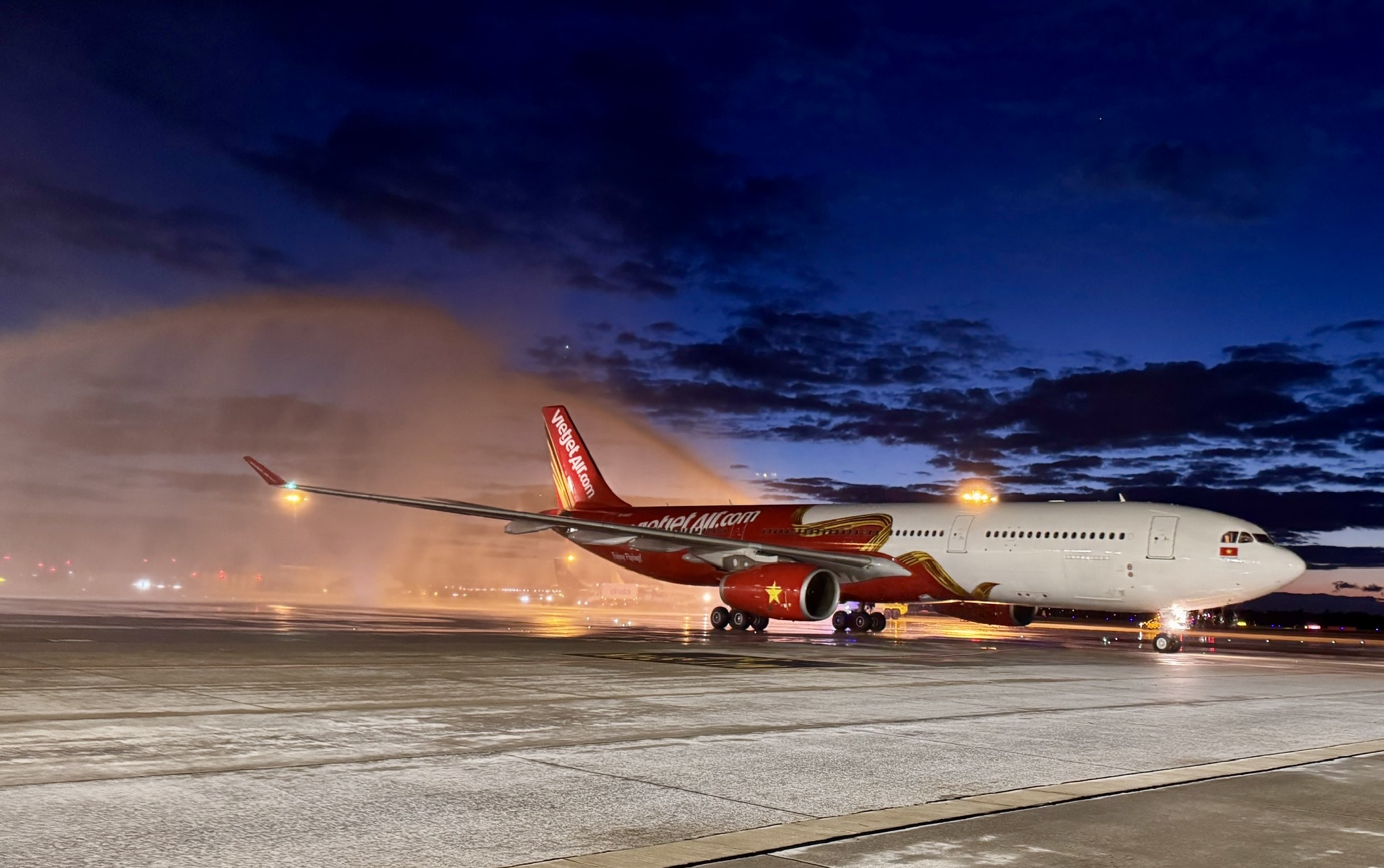
One thing worth knowing is that a ban applies to the airline's own aircraft, not automatically to every ticket it sells. A listed carrier can still reach Europe by leasing aircraft from an operator that is not banned, provided the relevant safety standards are met. Air Zimbabwe is set to launch Harare to London flights using a leased A330 from Spanish airline Plus Ultra.
The EU blacklist serves as a safety net to keep European skies safe, and the list is important to passengers' feelings of safety. When an airline appears on it, only 8% of Europeans say they would still book a flight with it.
Have questions or want to share your thoughts?