Which airline is the safest in India?

By Sharon Petersen Thu Jul 16, 2026
India carries a fearsome aviation reputation, and much of the travelling public assumes the worst of its airlines. But the picture is more surprising than the headlines suggest. On our seven-star scale the safest carriers in the country are not the flag carrier or the market-leading giant but a three-year-old budget upstart and a carrier much of the public loves to hate, while Air India props up the bottom alongside its own low-cost arm.
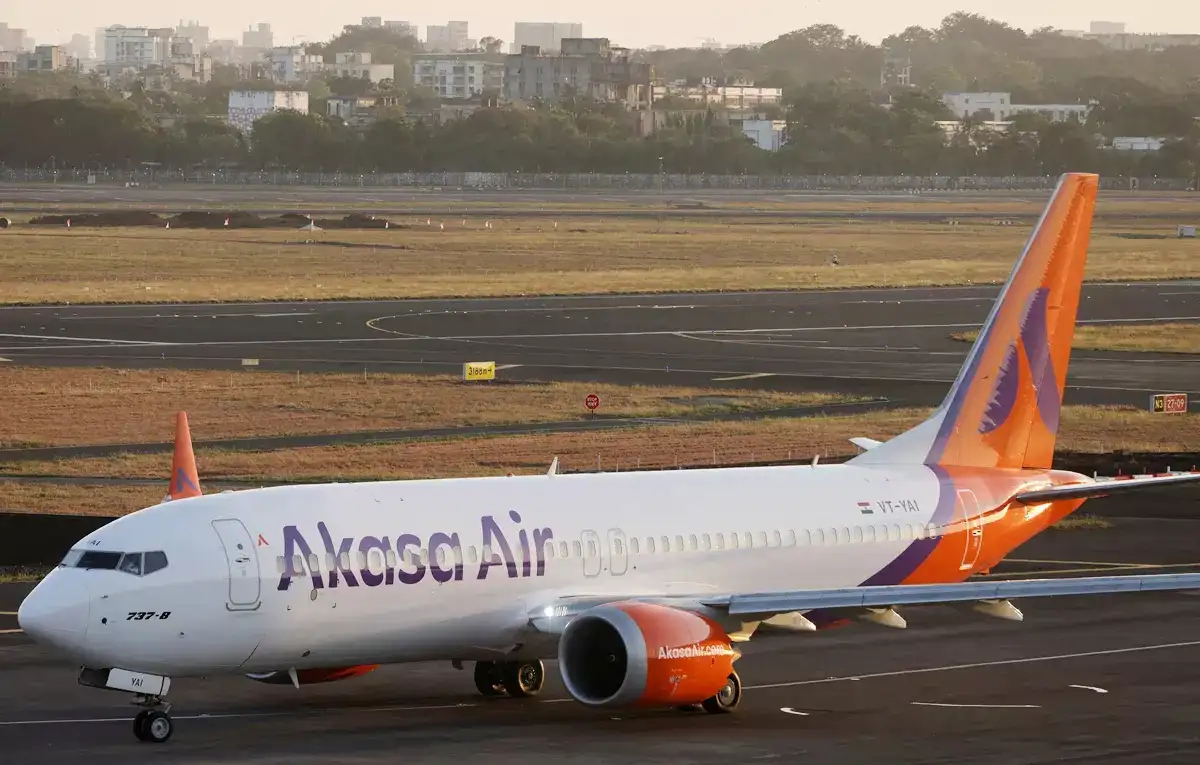
Akasa Air — 6/7
The safest airline in India is one that did not exist four years ago.
Akasa Air took off in August 2022, founded by the late investor Rakesh Jhunjhunwala together with a team of industry veterans led by former Jet Airways and Delta executive Vinay Dube. It has grown fast but carefully, and it flies the youngest fleet in the country by a distance, an all-Boeing 737 MAX operation whose average aircraft age sits at 4.2 years. It secured IOSA registration in 2024, a credential some far older Indian carriers took decades to earn, and it has recorded no fatal accidents and no serious pilot-related incidents in its short life.
The result is a six-star rating, the joint highest in India. The only thing keeping Akasa from a perfect score is the operating-standards deduction applied to every carrier in the country, which means the single blemish on its record is not its own doing but its regulator's. For an airline this new that is a remarkable position, and it upends the usual assumption that experience and safety go hand in hand. Akasa's youth, far from being a liability, comes with the newest jets, the freshest training and none of the accumulated history that weighs on its rivals.
IndiGo — 5/7
India's dominant airline sits in the middle of the pack, which may be the most surprising entry of all.
IndiGo is a genuine phenomenon. From a standing start in 2006 it has grown to more than 430 aircraft and roughly two-thirds of the domestic market, flying a young and efficient fleet that averages just 4.7 years, almost entirely from the Airbus A320neo family, alongside ATR 72 turboprops and, increasingly, wet-leased and ordered 787s for its push into long-haul. It has never had a fatal accident in nearly two decades of operation, yet a string of questionable incidents ultimately lands it at five stars for safety.
Between 2022 and 2025 IndiGo recorded a long run of operational safety events, from losses of separation to tail strikes and runway excursions, and while its crews have generally handled them well, the frequency costs it a point in the pilot-related category on top of the standard operating-standards deduction. Size cuts both ways. It brings the newest aircraft and deep resources, but it also means more flights, more exposure and more incidents to log. IndiGo remains a safe airline by international standards, but the trend is not in its favour: having featured on our World's Safest Low-Cost Carriers list in 2025, it dropped off in 2026.

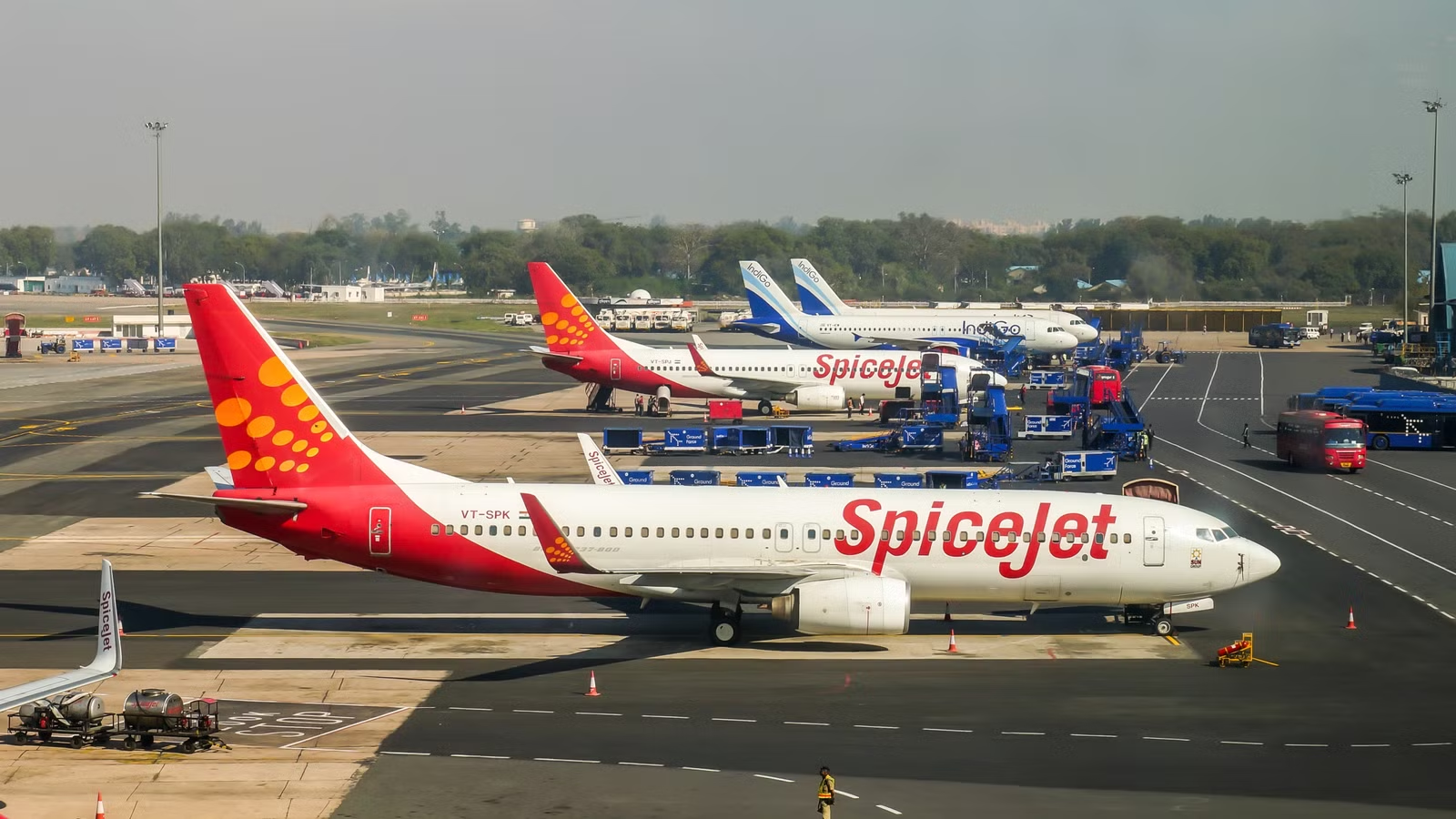
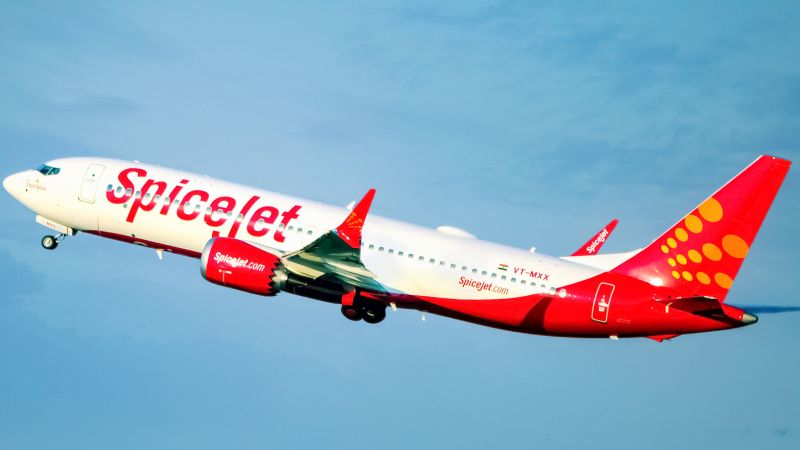
SpiceJet — 5/7
SpiceJet is the airline that best exposes the limits of a safety score, and the reason it does not sit higher.
SpiceJet began as ModiLuft in 1994 and was relaunched under its current name in 2005 by Ajay Singh, building a large low-cost network on Boeing 737s and Bombardier Q400 turboprops. Its recent history has been turbulent in every sense that does not involve flying. The airline came close to collapse in 2014, was rescued, and then spent the years from 2022 mired in cash shortages, grounded aircraft, lessor disputes and delayed payments to staff. In 2022 the regulator placed it under enhanced surveillance and cut its permitted capacity in half for eight weeks after a run of technical occurrences. By late 2024 barely half its fleet was airworthy, and its aircraft, now at an average age of around 16 years, are the oldest among the major carriers.
On the measures that help predict safety and the handing of an event, SpiceJet holds up. It has not suffered a fatal accident in the past decade, it is IOSA registered and it carries no pilot-incident deduction. What pulls it down to five stars is the thing passengers already sense: financial fragility. Our assessment weighs the stability of an operator alongside its accident and audit record, on the sound principle that an airline starved of cash for spares, maintenance and staff is under pressure in ways that could eventually reach the flight line. SpiceJet's chronic money troubles, its grounded fleet and its ageing aircraft all count against it here, and rightly so. The point is a subtle one. SpiceJet is not a dangerous airline and its flying record is clean, but a safety rating is not just a tally of past crashes. It is also a judgement about resilience, and a carrier this financially stretched cannot sit at the top of the table.
Air India — 4/7
Air India is one of aviation's great names. Founded by JRD Tata in 1932, nationalised in 1953 and returned to the Tata Group in 2022, it is in the middle of a sweeping transformation, absorbing Vistara in November 2024 and pouring money into a fleet of around 190 aircraft, average age about eight years, that it is renewing through a landmark order for 470 new Airbus and Boeing jets. New A350s already fly its flagship long-haul routes. For a while the story was all recovery and ambition.
Then came 12 June 2025. Air India Flight 171, a Boeing 787-8 bound for London, lost thrust and crashed within a minute of taking off from Ahmedabad, killing 241 of the 242 people on board and more on the ground, the deadliest crash involving a Dreamliner anywhere in the world. The investigation drew intense scrutiny to the aircraft's engine fuel control switches and how they came to be in the cutoff position, a question that has been fiercely contested between investigators, the airline, Boeing and pilot groups, and one that remained the subject of dispute well after the preliminary findings. On our scale Air India loses the fatal-accident point, the pilot-related point and one operating-standards point, leaving it on four stars, and depending on the final determination of cause its position could yet change. It is a sobering fall for the national carrier, and a reminder that heritage and safety ratings are not the same thing.

Air India Express — 3/7
At the bottom is Air India's own low-cost arm, and for much the same reason as its parent company.
Air India Express flies an all-Boeing 737 network, having absorbed the former AirAsia India, and it has worked hard to modernise, completing its IOSA audit in 2024 and refreshing its cabins and fleet with newer 737 MAX jets. But its safety score is anchored by tragedy. In August 2020 Flight 1344, a Boeing 737-800, overran the notorious tabletop runway at Kozhikode in heavy monsoon rain and broke apart down the slope beyond it, killing 21 people including both pilots. That accident, well within the ten-year window, costs the airline the fatal-accident and pilot-related points, and with the standard operating-standards deduction it lands on three stars. It cannot return to the top of the table until at least 2030, provided nothing further occurs.
The bottom line
Put the table together and it tells a story India's aviation establishment may not enjoy. The safest airline in the country is Akasa Air on six stars, the newest carrier in the market. Behind it, the giant IndiGo and the troubled SpiceJet share five stars, one marked down for the volume of its incidents and the other for its financial fragility.
Whilst no one scores a 7/7 for safety, the country arguably climbed off the worst of its historical reputation years ago, its regulator has driven real improvement, and even the lowest-rated carriers here fly modern jets under international oversight and carry no EU ban. The fact all the major carriers are IOSA registered also holds huge weight.
In India, more than almost anywhere, it pays to look past the logo and read the record. The newest airline can be the safest, a giant can be caught out by its own scale, a financially shaky carrier is marked down for exactly that, and the most storied carrier of all can find itself at the bottom of the table after a single catastrophic morning.
Safety ratings current as of July 2026 and drawn from the AirlineRatings.com seven-star safety assessment. Fleet ages are approximate and drawn from industry fleet databases.
Have questions or want to share your thoughts?