US aviation safety under scrutiny – what the data really shows

By Josh Wood Thu Apr 2, 2026
With a recent spike in accidents and the loss of life, the American civil aviation sector is unsurprisingly coming under increased scrutiny. Processes and procedures that should prevent avoidable accidents are not proving effective.
While each event has its own cause, the frequency of these accidents and the headlines they have caused has raised an important question: is aviation safety in the United States declining, or are incidents just more visible than ever?
A busy aviation system under pressure, not failure
The US’ airspace is the busiest in the world, with 45,000 daily flights across more than 5,000 airports. The world’s busiest airport, Atlanta Hartsfield-Jackson, handled over 108 million passengers in 2024, with other high-capacity hubs such as Dallas/Fort Worth, Chicago O’Hare, and Denver all handling over 80 million passengers.
With demand clearly bouncing back post-COVID-19, the industry in the US has struggled to keep up with the desire to travel. In 2023, the Department of Transportation’s Inspector General issued a warning that 77% of major air traffic control facilities fall short of the Federal Aviation Authority’s (FAA) 85% staffing target.
How air traffic control shortages impact safety
Increased controller fatigue is common as staff regularly work 10-hour shifts and six-day workweeks, drastically putting the public at risk. American-based airlines have reported that on clear weather days, most delays are caused by air traffic control staffing issues rather than mechanical or weather-related issues.
Staffing shortages do not simply inconvenience travellers; they raise serious safety concerns as fatigued controllers are more likely to make critical errors.
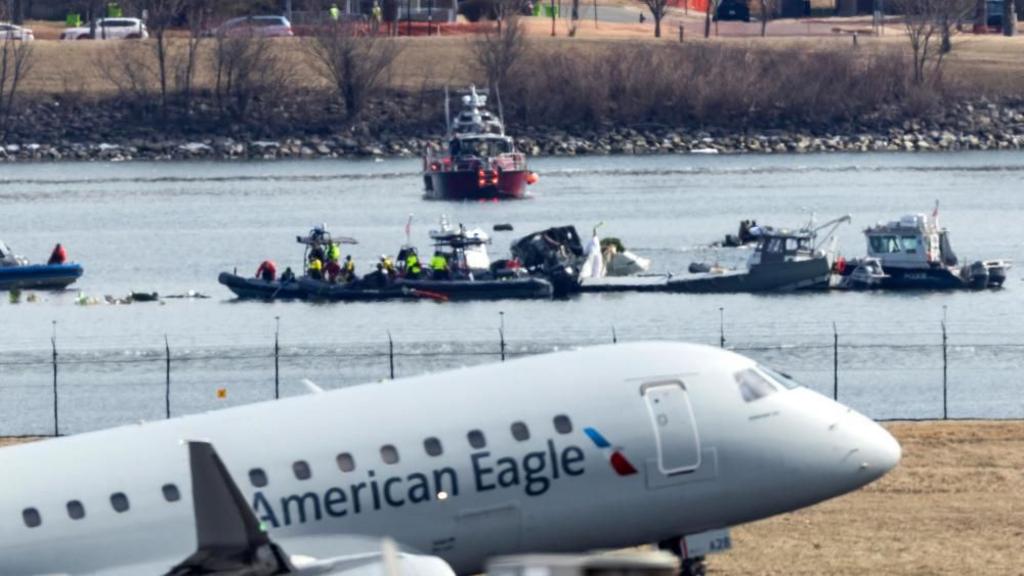
Clear evidence of this can be attributed to American Eagle Flight 5342, which crashed after colliding with a US Army Black Hawk helicopter in January 2025. The National Transportation Safety Board (NTSB) found that one of the contributing factors to the fatal crash was that controller performance was degraded due to high workload conditions.
Read our full coverage of the NTSB’s findings here.
What the FAA is doing to improve air traffic control safety
America’s air traffic control staffing crisis will require prolonged effort and investment to restore a level of basic resilience. By 2028, the FAA expects 7,000 controllers to retire, reinforcing the need for new controllers with an aptitude for flight operations, aviation systems, and safety protocols.
To combat this, the FAA plans to hire 9,000 new air traffic controllers by 2028, using intense training models, coupled with classroom-based theory and advanced simulation. To reduce training bottlenecks, the FAA is deploying regional training centres and virtual learning platforms, which speed up certification.
Ageing infrastructure impedes safety
The air traffic control staffing issue is also affecting the development and value of aircraft. Modern and invaluable air traffic control systems such as Controller-Pilot Data Link Communication (CPDLC), Automatic Dependent Surveillance-Broadcast (ADS-B), and Performance Based Navigation (PBN) rely on air traffic infrastructure to be modern and complemented with engaged staff to communicate with flight deck crew.
Staffing issues slow certification and implementation, aircraft firms delay upgrades, and airlines postpone aircraft retrofits to include new navigational technology. This then impacts fuel savings through route flexibility, reduces aircraft values, and leasing rates. Leasing firms factor in these uncertainties into contracts, applying discounts for carriers unable to access upgraded airspace, thus lowering the value of aircraft.
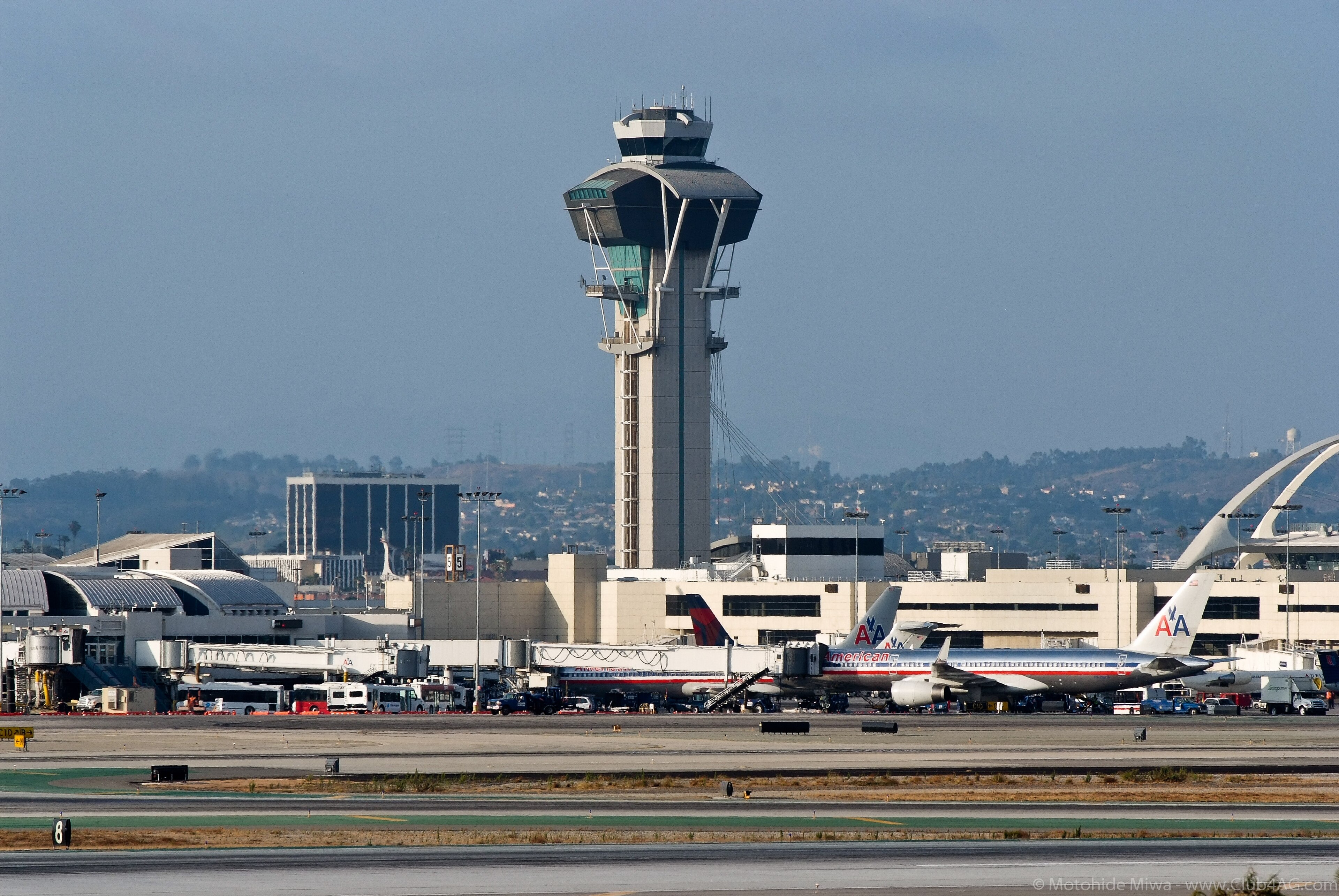
To combat this, the FAA is investing heavily in upgrading radar, communications, and controller surfaces by 2028. A $10 billion contract has been signed with Peraton, an American national security and technology company, to modernise the country’s air traffic control systems.
Recent accidents in the United States
Statistically, commercial aviation within the United States remains safe, but a series of recent high-profile accidents, near misses, and operational incidents has underlined the need for industry-wide change by the FAA.
Fatal accidents
As noted above, the most notable fatal accident in recent years occurred in January 2025, when American Eagle Flight 5342 crashed into the Potomac River while on approach to Washington Ronald Reagan Airport.
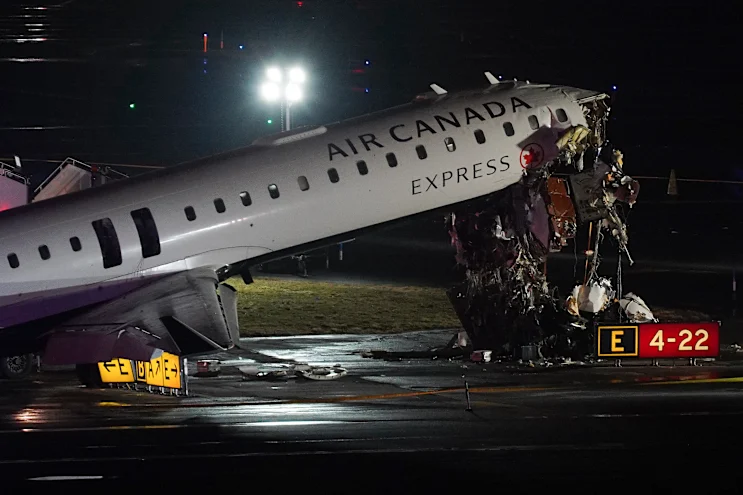
More recently, in March 2026, an Air Canada Express CRJ900 collided with an airport fire truck while landing at New York LaGuardia Airport, leading to the deaths of both pilots. While the investigation is just underway, early indications are leading to a breakdown in communication.
Read our coverage on the possible causes of the Air Canada Express crash here.
Near misses and runway incursions
Since 2023, there has been several notable serious runway incursions and near-miss events.
One of the most critical occurred in February 2023 at Austin-Bergstrom International Airport, where a FedEx Boeing 767 and a Southwest Airlines Boeing 737 came within 110 feet of colliding after both aircraft were cleared to use the same active runway.
Other incidents include:
At San Diego Airport in August 2023, a business jet overflew a Southwest Airlines Boeing 737 at around 100 feet while on final approach.
A Delta Air Lines aircraft had to abort its takeoff at New York JFK in January 2023 when an American Airlines flight crossed the active runway.
In February 2023, a private business aircraft crossed the active runway at Bostan Logan Airport forcing a JetBlue aircraft to take evasive action.
At Washington Reagan Airport in May 2024, an American Airlines Airbus A319 aborted its takeoff due to a smaller aircraft landing on an intersecting runway.
An Alaska Airlines Boeing 737 MAX aborted its takeoff, and blew its tyres, in September 2024 when a Southwest Airlines aircraft was cleared to cross the same runway.
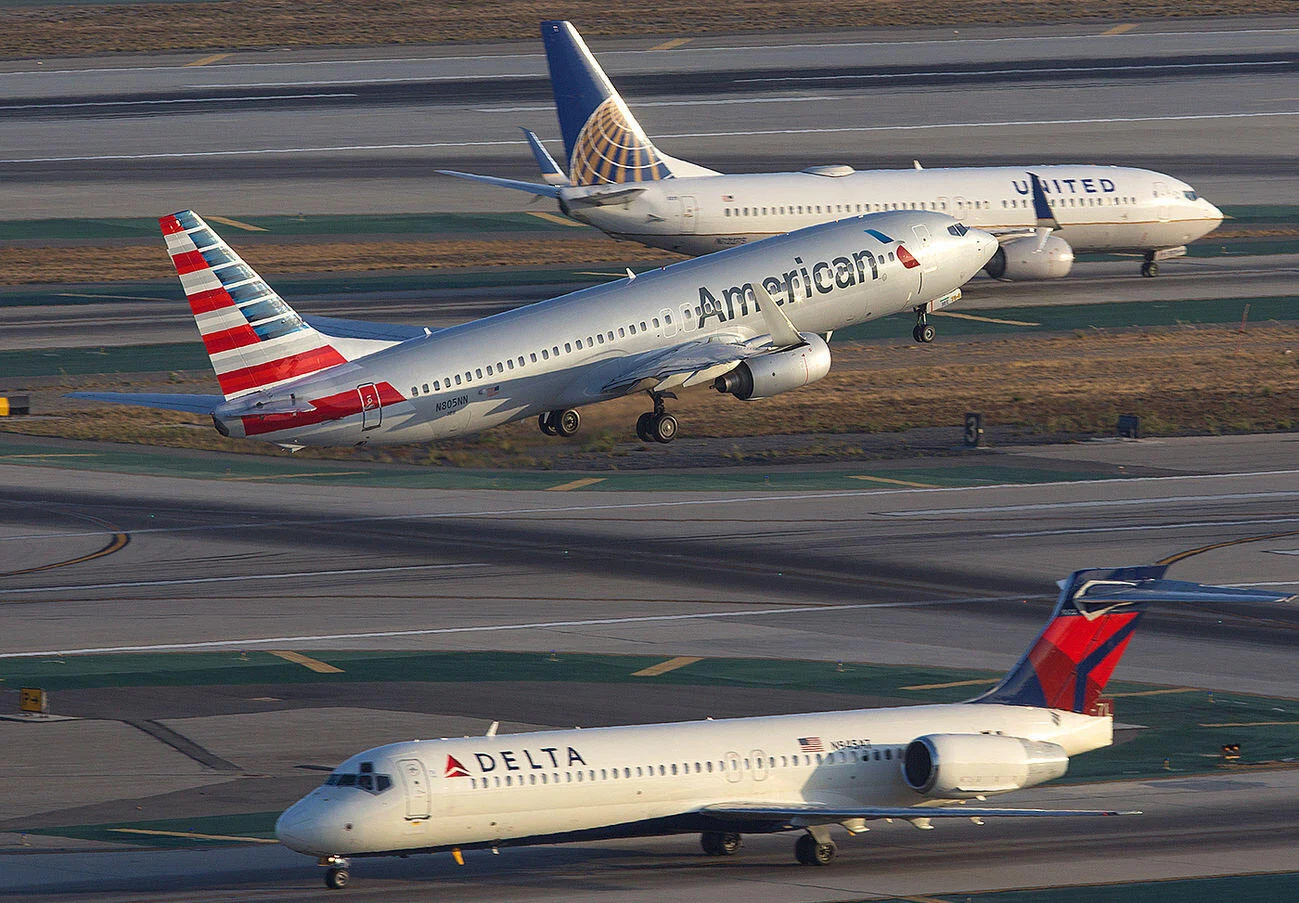
These are just a handful of runway events in recent years, with the FAA identifying 19 serious runway incursions since 2023. Many of these incidents share common characteristics of conflicting clearances, high workload environments, and breakdowns in communication, particularly during runway crossings and departure sequencing.
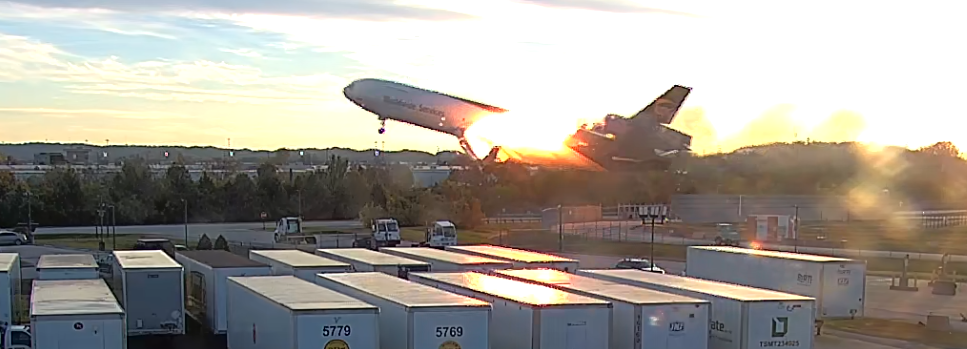
While US aviation retains a strong overall safety record, several fatal accidents and the recurrence of similar incident types suggest that known risks are not being fully mitigated.
Repeated runway incursions, near misses, and ground conflicts highlight ongoing vulnerabilities around communication, air traffic control staffing levels, and operational complexity.
With the FAA’s improvement plans stretching two years to 2028, the pace of change will be crucial. Without swift and effective intervention, there is a high risk that these patterns will continue, increasing the likelihood of more serious outcomes.
Have questions or want to share your thoughts?