NTSB Final Report: causes of the midair collision at Reagan National Airport
By Josh Wood Thu Feb 19, 2026
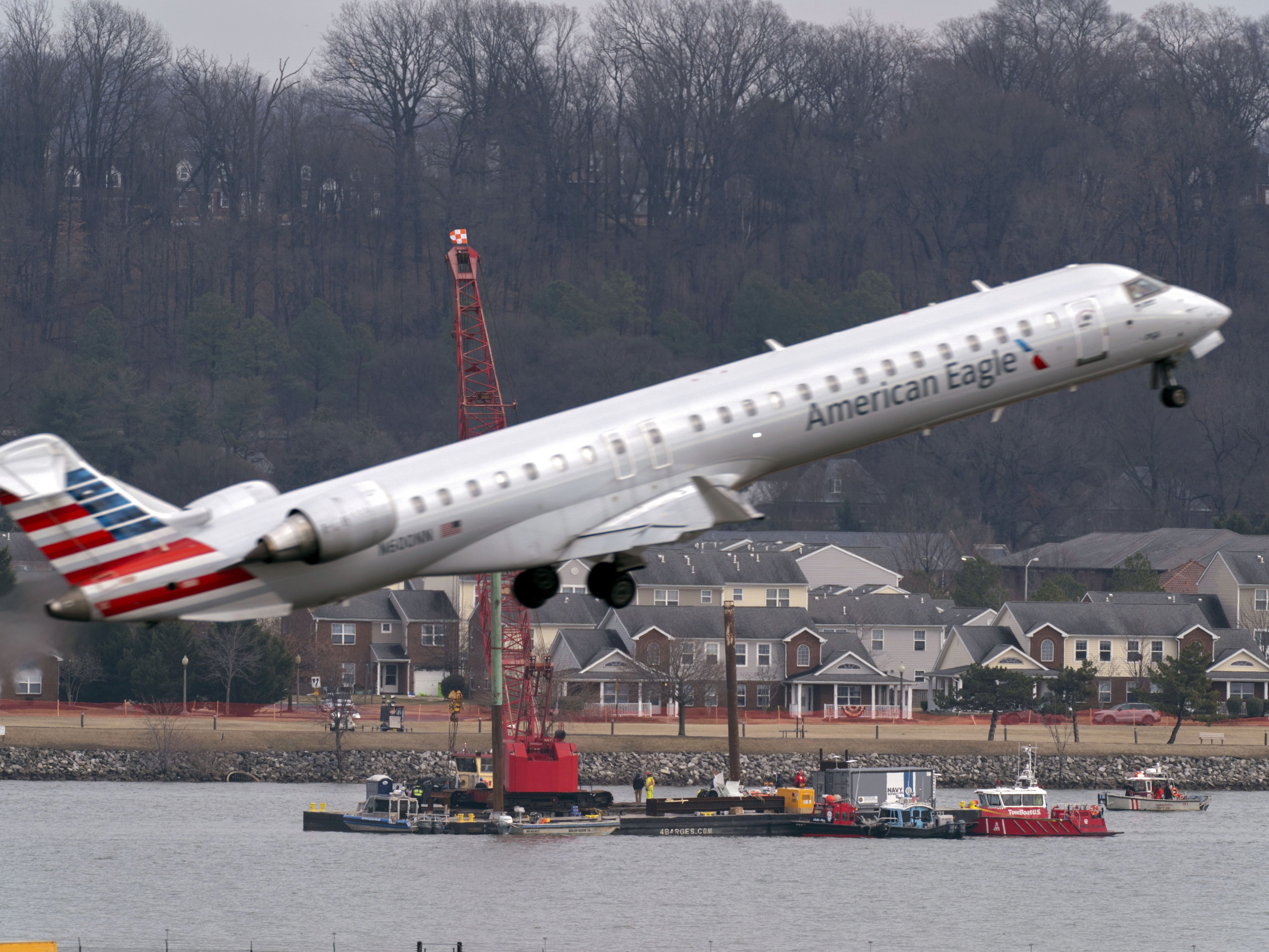
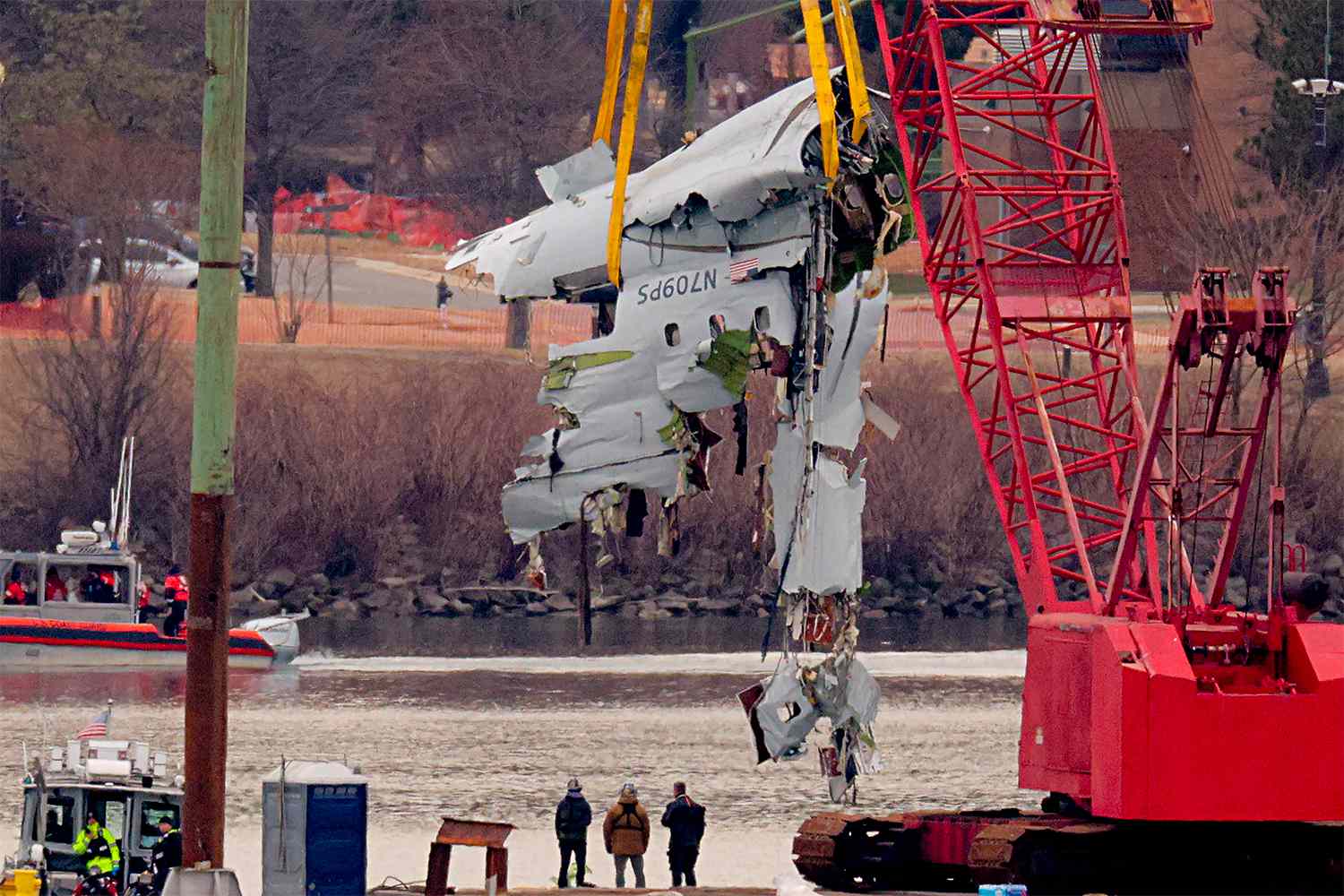
In January 2025, American Eagle Flight 5342, a Bombardier CRJ700 regional jet, collided midair with a U.S. Army UH-60 Black Hawk helicopter during its final approach to Ronald Reagan Washington National Airport (DCA). Both aircraft crashed into the Potomac River, resulting in the deaths of all 64 passengers and crew aboard the jet, as well as the three soldiers on board the helicopter.
International Civil Aviation Organisation (ICAO) Annex 13 guidance recommends that, where possible, air accident investigation authorities publish a final report within twelve months. The National Transportation Safety Board (NTSB) has released its final findings into the crash in Washington, D.C., concluding that multiple systemic and operational factors contributed to the events leading up to, and during the collision.
Read the full coverage on the incident HERE.
What the NTSB determined caused the collision
According to the NTSB, the collision resulted from a breakdown in separation between the U.S. Army helicopter and an American Eagle regional jet. The investigation determined that the risk of such an accident existed for an extended period due to the proximity of established helicopter routes to the airport’s runway approach paths.
The Federal Aviation Administration (FAA) did not adequately identify or mitigate this hazard despite available operational data and prior safety recommendations and warnings. The air traffic control system’s reliance on visual separation within a complex and high-workload environment further reduced safety margins.
The helicopter crew was unable to maintain visual separation from the aircraft in time to avoid the collision.
Read the full report HERE.
Regulatory and airspace design factors
· The FAA permitted helicopter operations in proximity to an active runway approach path at DCA because of airspace design.
· The FAA did not adequately review or evaluate helicopter routes over time, despite available operational data.
· The FAA failed to act on prior safety recommendations and warnings intended to reduce midair-collision risk in the DCA area.
· Safety data between the FAA, the U.S. Army, and other parties was fragmented and poorly integrated, limiting hazard identification.
· Incomplete implementation of Safety Management System (SMS) processes prevented recurring risks from being identified and mitigated.
· Known risks involving repeated close-proximity encounters between helicopters and aircraft were not sufficiently addressed before the accident.
Air traffic control and operational factors
· The air traffic system relied heavily on visual separation to maintain traffic flow.
· This reliance did not adequately consider the limitations of the “see-and-avoid” concept in a complex air traffic area.
· The tower team experienced a loss of situational awareness.
· Controller performance was degraded due to high workload conditions.
Helicopter flight crew role in the accident
· The helicopter crew did not effectively maintain pilot-applied visual separation from the aircraft.
· As a result, evasive action was not taken in time, leading to the midair collision.
Safety recommendations and changes following the investigation
As part of the final report, the NTSB issued a series of safety recommendations aimed at reducing the risk of similar incidents in the DCA area with both civil and military aircraft.
Central to the recommendations is a review of helicopter operations in proximity to the airport’s runway approach paths. The NTSB called for the FAA to reassess helicopter flight paths and separation procedures to ensure civil aircraft on approach to DCA are no longer placed in conflict with low-level helicopter traffic.
The Board also recommended improved coordination and data sharing between the FAA, the U.S. Army, and other operators conducting flights in the DCA area. Furthermore, the NTSB urged stronger application of SMS principles, including proactive hazard identification and trend monitoring. Before the crash, recurring near-encounters had not triggered mitigation measures.
The report further highlighted the limitations of visual separation in dense airspace. Recommendations, therefore, included reviewing air traffic control procedures and considering additional safeguards to reduce reliance on pilot-applied see-and-avoid separation in high-workload environments.
What happens next following the investigation
Accident investigations are conducted to identify safety deficiencies and prevent them from being repeated, rather than assigning blame. The NTSB’s findings indicate that the collision resulted from a combination of airspace design, operational procedures, and limitations associated with visual separation in complex and busy airspace.
Implementation of the Board’s recommendations will now fall to the FAA and other responsible agencies to reduce the likelihood of similar conflicts in the future.
Have questions or want to share your thoughts?