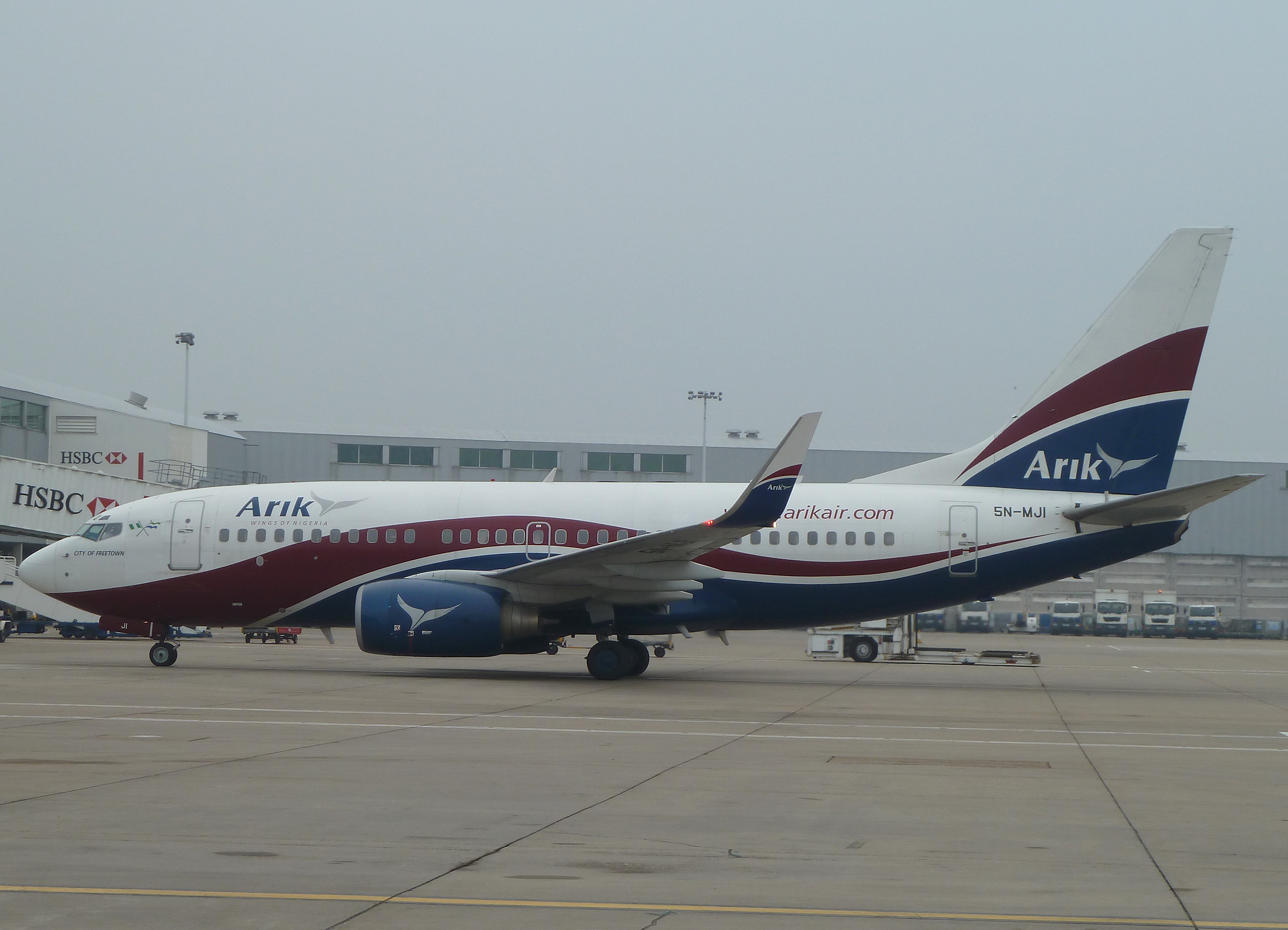
Arik Air B737 diverts after engine failure mid-flight

By Josh Wood Thu Feb 12, 2026
On the 11th of February 2026, an Arik Air Boeing 737-700 operating flight W3 740 from Lagos to Port Harcourt shut down its left engine after the crew detected loud bangs and abnormal cockpit indications while climbing through 27,000 feet.
Following standard procedures, the crew diverted to Benin Airport, where the aircraft landed safely and all 80 passengers disembarked without injury.
Nigeria’s Safety Investigation Bureau (NSIB) has opened an investigation to determine the cause of the incident.
The aircraft involved
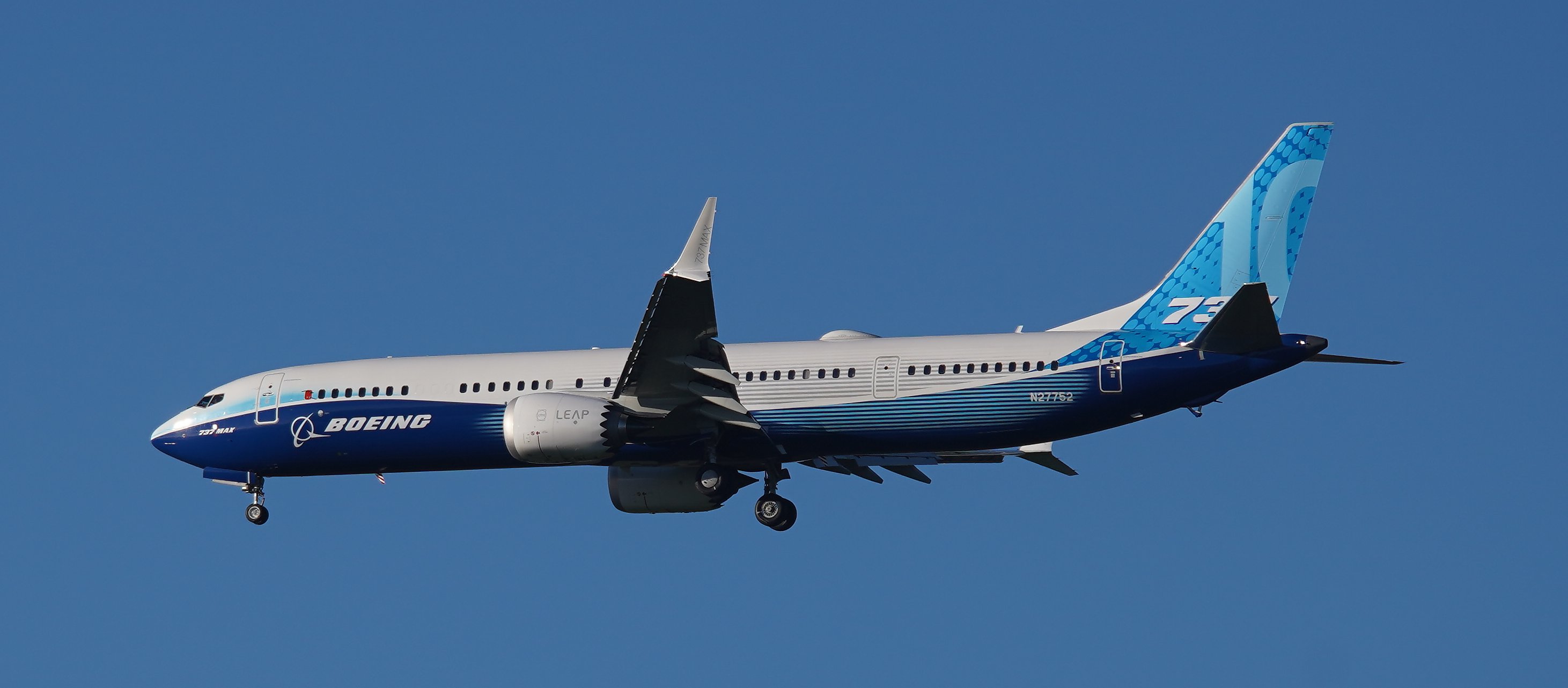
The aircraft involved was a Boeing 737-700, part of the 737 Next Generation (NG) family widely used on short-haul and domestic services worldwide. The aircraft, registered 5N-MJF, was delivered new to Arik Air in December 2007 with no previous operators.
The 737-700 is the smaller variant of the more common 737-800 and typically seats up to around 140 passengers, depending on airline configuration. Its lower capacity makes it well-suited to routes with variable passenger demand, allowing airlines to operate frequent services without the commercial risk of flying a larger aircraft with empty seats.
Compared with the Boeing 737-800, the lighter -700 also offers slightly improved performance from shorter runways and in hot weather conditions, both factors particularly relevant to regional operations within West Africa.
Understanding engine failures
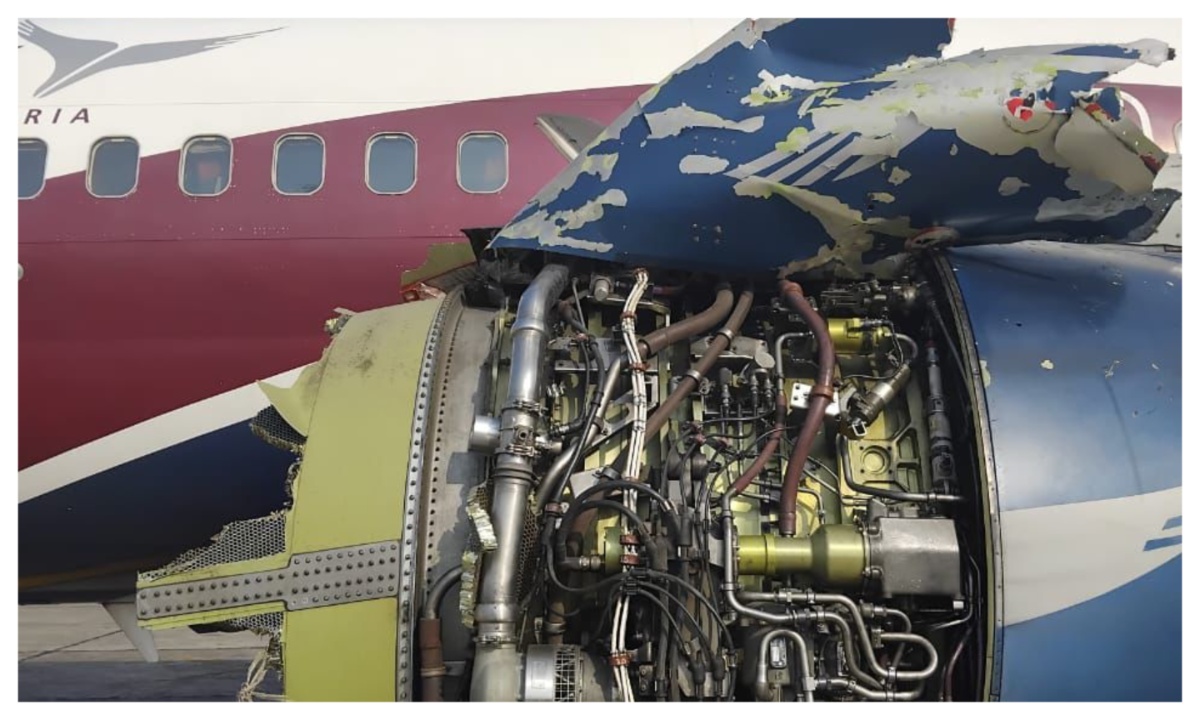
Initial reports indicated visible damage to the left engine’s cowling. While the exact cause will only be confirmed by the official investigation, this type of damage is consistent with an internal malfunction rather than an external impact.
Modern turbofan engines such as the CFM56 fitted to Boeing B737s contain multiple high-speed rotating fan blades, compressor sections, and turbine components, all operating at high temperatures. If a component becomes damaged or fails, vibrations or abnormal temperatures are immediately detected by flight deck instruments and warning systems.
Continuing to the destination after an engine shutdown is rarely preferred. Instead, the flight deck crew will divert to the nearest and safest airport where emergency crews can assist.
Aircraft can operate with one engine
Twin-engine aircraft, like the Boeing B737, are required by certification authorities to safely complete an entire flight, including landing, with one engine inoperative.
When these engine incidents happen, flight deck crew are trained using rigorous checklists which require an engine to be shut down and a safe emergency landing to be performed.
Have questions or want to share your thoughts?