Why are pre-takeoff and landing checks so important?
By Josh Wood Sat May 16, 2026
Around 76 percent of all aviation accidents happen during takeoff, approach, or landing. In these critical phases of flight, cabin preparation is not just a procedure. It is the difference between a 90-second evacuation and a fatal one.
From upright seats, window blinds, armrests, tray tables and electronic devices, pre-departure cabin checks may seem an inconvenience for passengers, but they serve as one of the most important safety aspects during flight.
Why takeoff and landing are the highest-risk phases of flight
According to Boeing, takeoff and landing combined make up less than 6 percent of an average flight, but around 80 percent of accidents happen in those phases. This concept is known as ‘plus three, minus eight’ in the industry and is found in industry training materials and pilot education manuals.
The aircraft is closer to the ground during takeoff and landing, giving the pilots seconds to react compared to minutes during the cruise.
The aircraft has a more mechanical activity using the landing gear, flaps and spoilers, which means a higher probability of mechanical failure.
Engines run at or near maximum takeoff power.
The International Civil Aviation Organisation (ICAO) recognises these phases as critical and sets out specific operational requirements in Annex 6 (Operation of Aircraft).
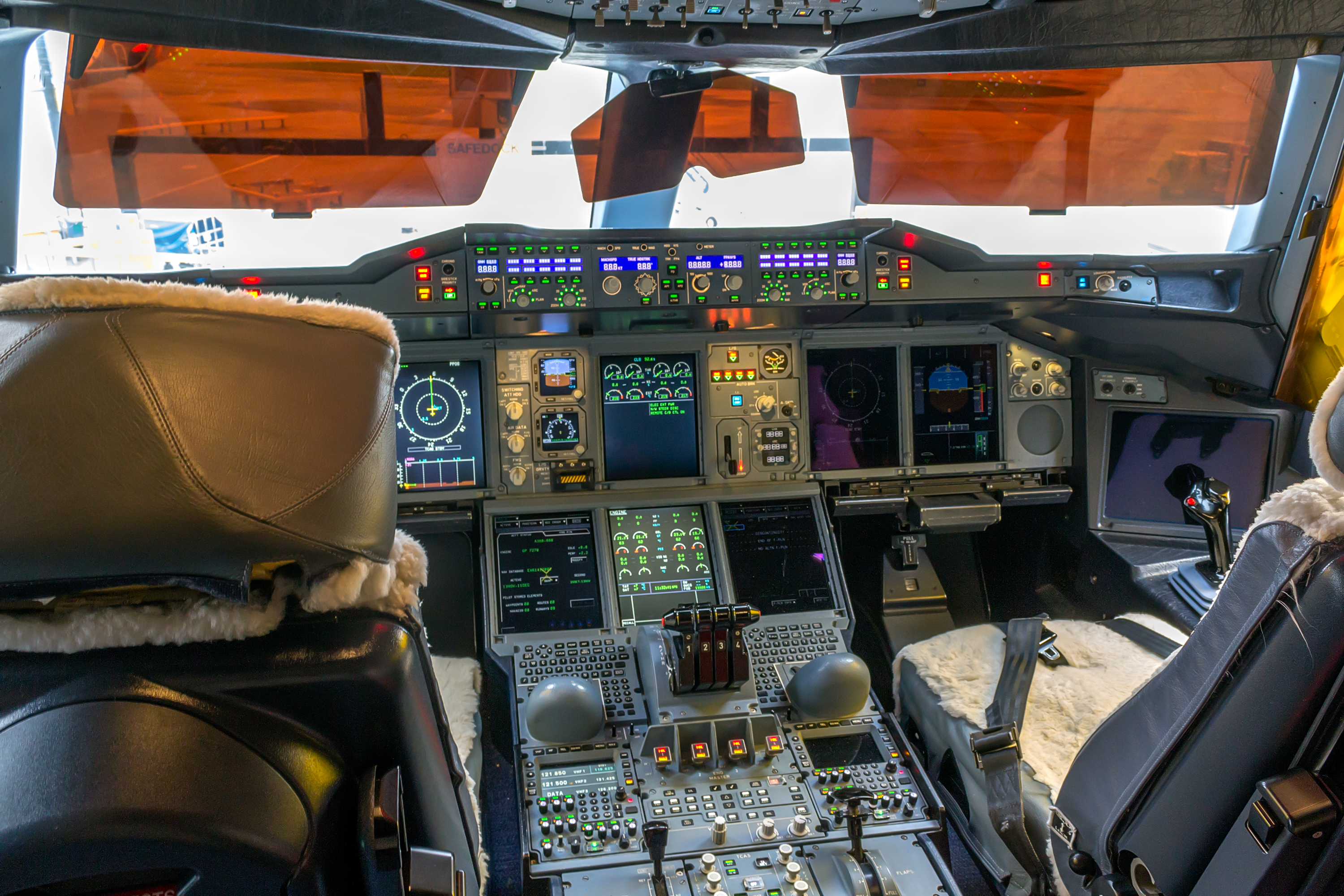
Pilots have a higher workload during takeoff and landing as they change the aircraft configuration (flaps and landing gear), communicate with air traffic control, navigate through airspace, and monitor flight deck instruments.
The FAA mandates a sterile flight deck under 14 CFR 121.542, prohibiting non-essential conversation under 10,000 feet.
Most bird and wildlife strikes happen below 3,000 feet
Runway incursions and foreign object debris add further risks
Weather events, including windshear, microbursts, gusting crosswinds and wake turbulence, all pose risks.
All these elements constitute the proper and safe preparation of the cabin before takeoff and landing. Boeing’s accident data confirms the importance of these checks. Final descent and landing produced 48 percent of fatal accidents between 2007 and 2016. Takeoff and initial climb produced a further 13 percent.
What cabin checks cover and why
These key procedures are mandated by aviation regulators worldwide. The FAA outlines them under 14 CFR Part 121 for US carriers, with detailed guidance in Advisory Circular 121-24E (Passenger Safety Information Briefing and Briefing Cards). EASA enforces similar requirements through its Part-CAT operating regulations in CAT.OP.MPA.170 (Passenger Briefings).
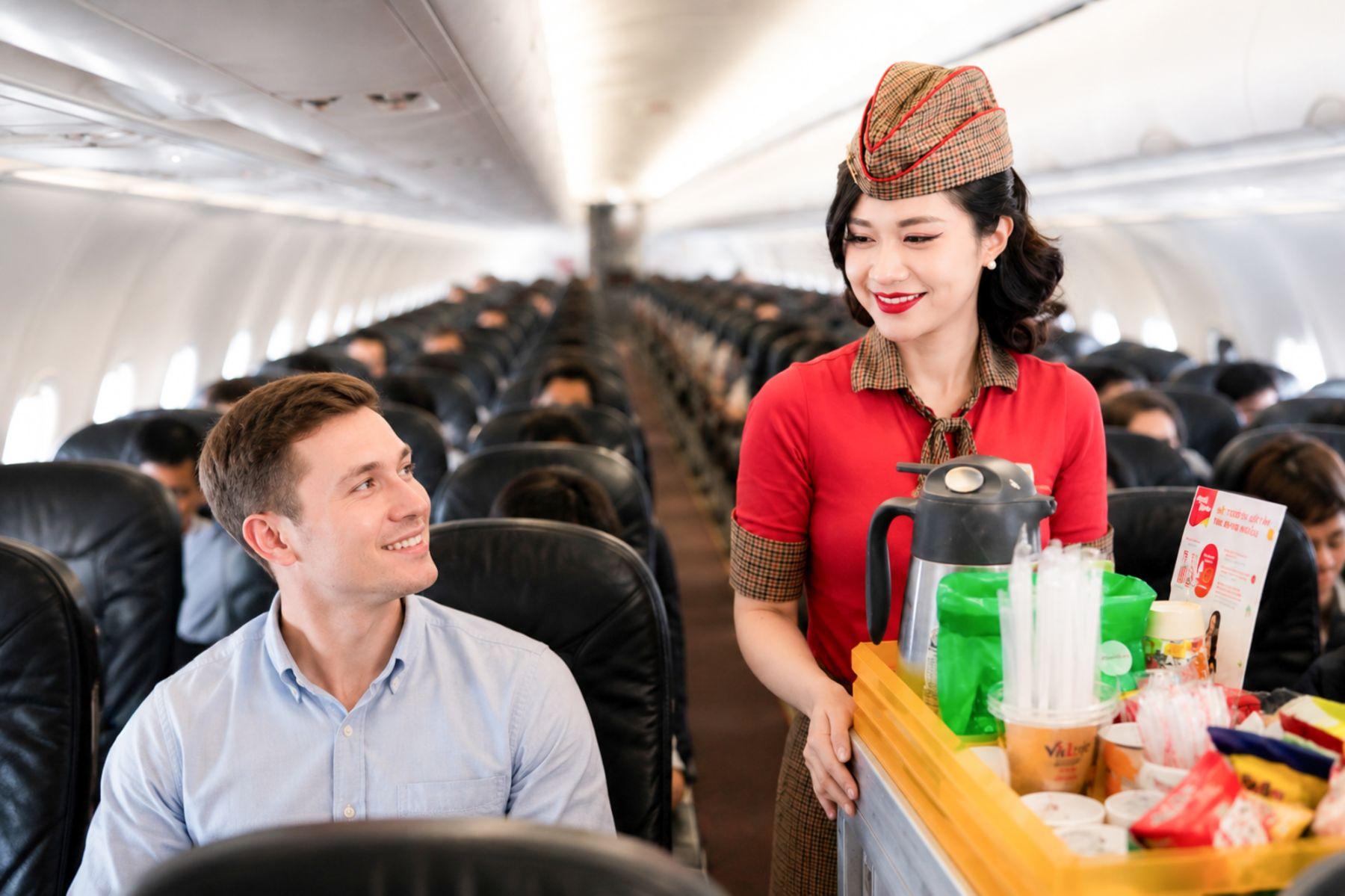
Frequent flyers will be familiar with cabin crew checking seats before takeoff and landing. But why do crew do this, and what does it mean?
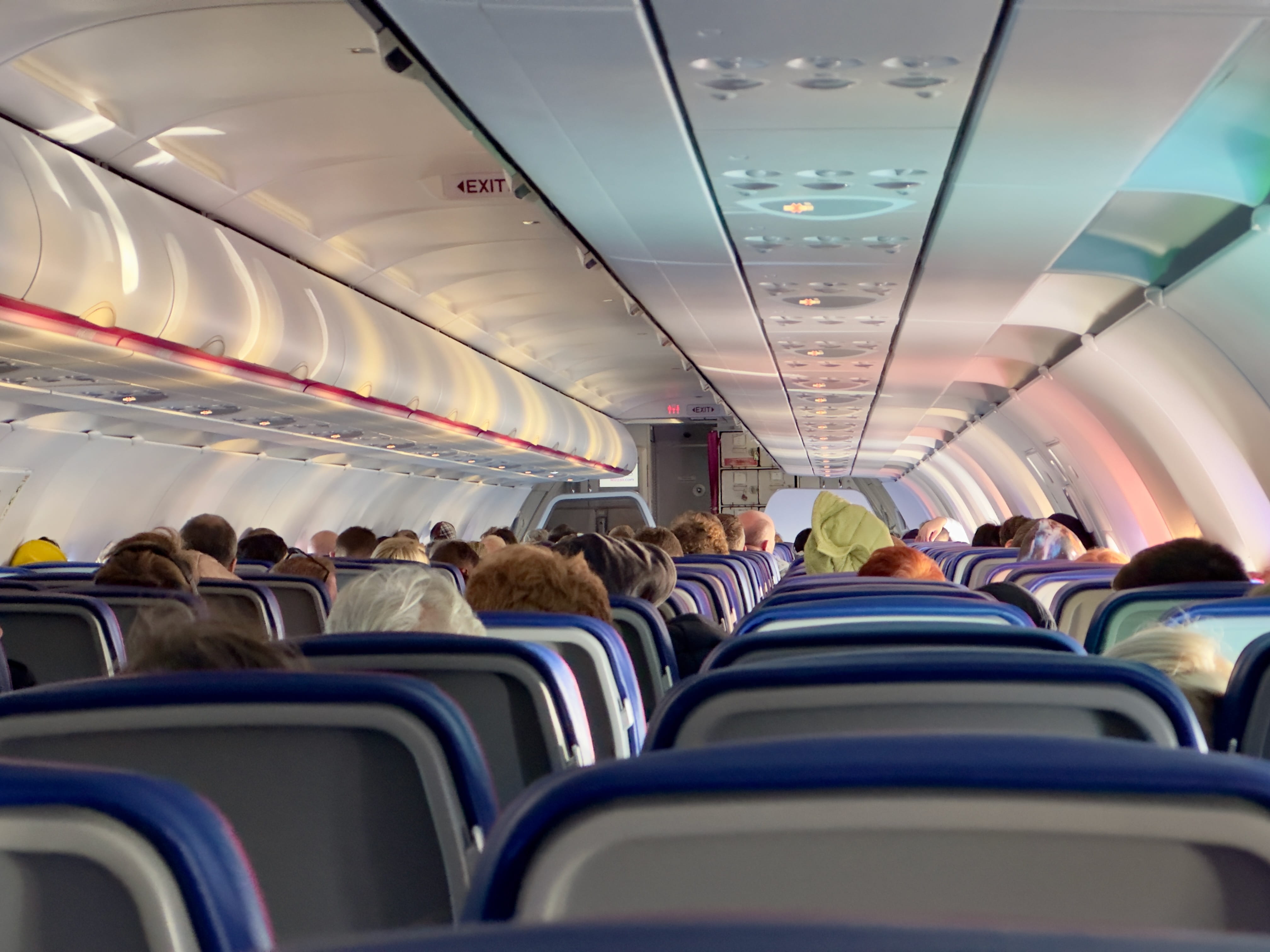
Seat in the upright position: This ensures there is enough space between seat rows for passengers to escape during an evacuation.
Tray table stowed: Tray tables can impede evacuation and become projectiles if they come off during an incident or accident.
Window blinds open: This is to aid with passenger and crew situational awareness. If an evacuation is required, all onboard can assess outside for fires or risks. This also allows eye adaptation to the outside light conditions and emergency responders’ visibility into the cabin.
Armrests down: Armrests must be down to ensure structural integrity and protect passengers from lateral loads in the event of an accident. In a sudden halt, raised armrests can act like levers, slamming down and causing potential injury.
Seatbelt fastened low and tight: This allows for a better brace position if it is required and restrains passengers to their seats in the event of an accident.
Personal items stowed: All items can become projectiles during any incident or turbulence. Also, if any items are in the aisle or seat area, they can become obstructions during an evacuation.
Electronic devices: Personal devices and laptops can become projectiles during sudden movement. Lithium-ion batteries can also catch fire. Recent regulatory change requires all power banks to be carried in seat pockets or under the seat for visibility.
Suggested read: AirlineRatings.com’s Airline safety ratings and awards
The 90-second evacuation rule
The 90-second rule is binding under Title 14 of the US Code of Federal Regulations, Part 25, Section 25.803, enforced by the Federal Aviation Administration. It highlights that the evacuation must be able to be performed with only half of the exits available.
The International Civil Aviation Organisation (ICAO) also recommends this rule in its ICAO Annex 8 Airworthiness of Aircraft.
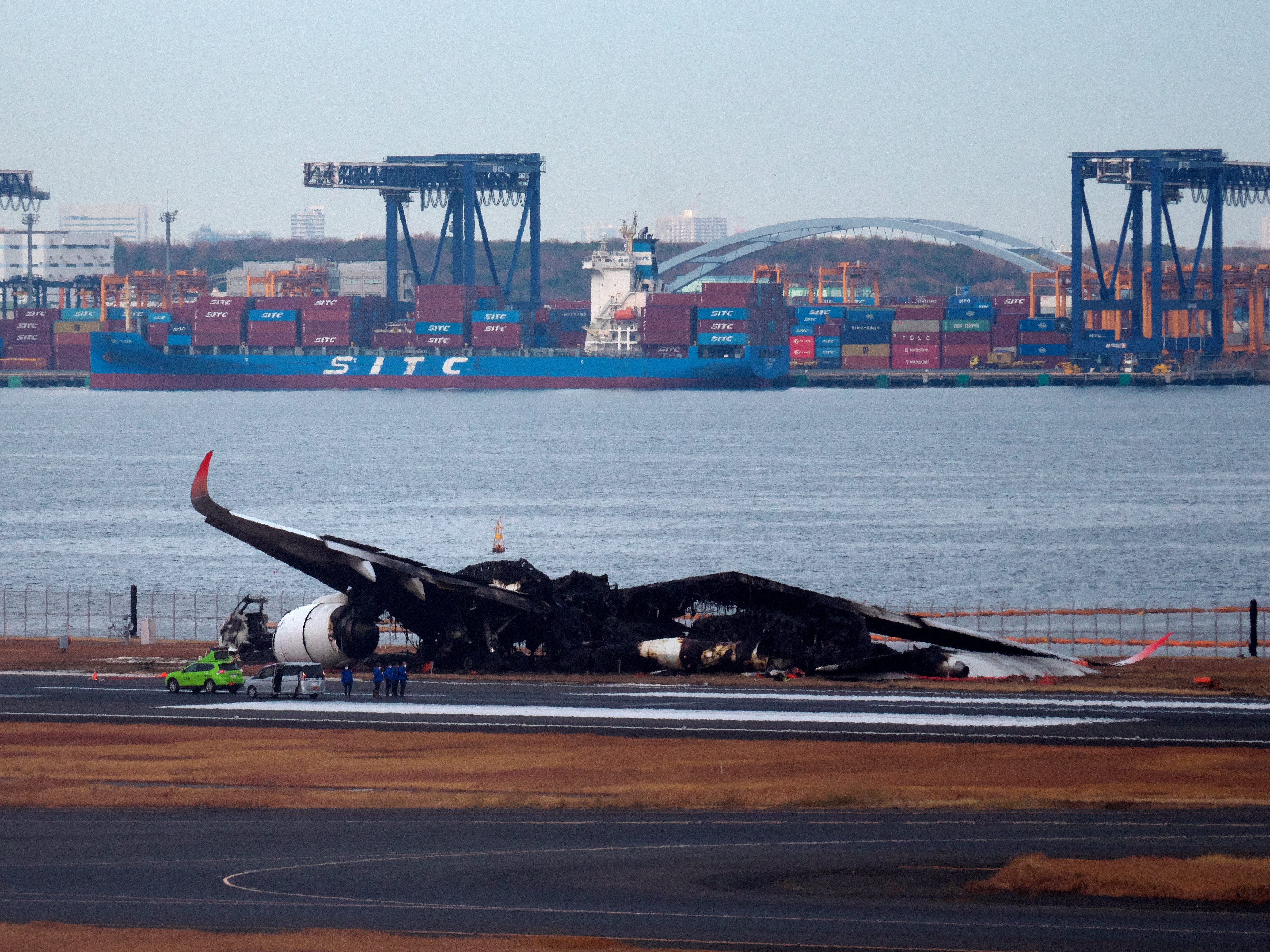
A textbook example of this happened on January 2, 2024, when a Japan Airlines A350-900 collided with a Japan Coast Guard De Havilland Canada DHC-8 while landing at Tokyo Haneda Airport.
All 367 passengers and 12 crew evacuated the aircraft with no hand baggage, only three emergency slides were available, and there was no public address system. This accident demonstrates how cabin checks, crew training, and passenger compliance work together to save lives.
Where evacuations can go wrong
Not all accident evacuations go to plan, and in some cases, poor passenger compliance or cabin preparations can lead to increased fatalities.
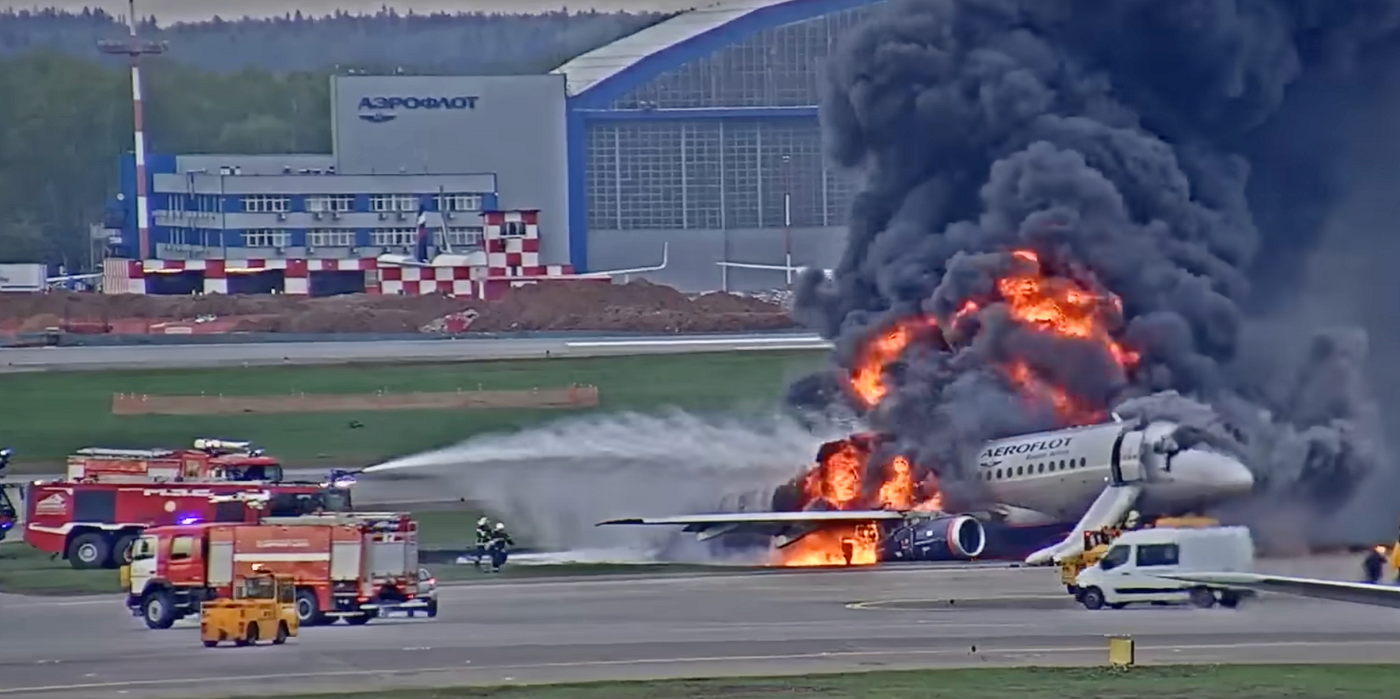
On May 5, 2019, an Aeroflot Sukhoi Superjet 100 suffered an electrical failure after a lightning strike. The aircraft returned to Moscow-Sheremetyevo Airport. A hard landing collapsed the gear and the aircraft erupted into flames.
In total, 41 people died, and Russian investigators identified that passengers retrieving carry-on luggage impeded the speed of the evacuation and thus contributed to the death toll.
The passenger behaviour witnessed at Sheremetyevo was not isolated. The FAA issued a Safety Alert for Operators (SAFO) 25003 on September 16, 2025, warning airlines that passenger attempts to retrieve carry-on items during emergency evacuations remain a recurring safety hazard.
A US National Transportation Safety Board study found that almost 50 percent of passengers attempt to retrieve carry-on baggage during evacuations. A British study placed the figure higher at 77 percent.
Why these checks exist
Pre-departure and landing checks are the visible part of a much larger safety system. Aircraft are designed to be evacuated in 90 seconds or less, and cabin crew are trained to make this happen. But this does not work without passenger compliance.
AirlineRatings.com audits cabin safety procedures, which include passenger briefing standards as part of its global airline safety ratings. The framework draws on IATA’s Operational Safety Audit (IOSA), the global standard to safety management.
The next time a flight attendant is asking for a seat to be raised, a blind to be open, or a bag stowed, you know the request is grounded in decades of evacuation data, regulation and audit standards.
Have questions or want to share your thoughts?