Rising fuel prices are pushing airfares up – what travellers need to know

By Josh Wood Wed Apr 8, 2026
The cost of flying is rising sharply, and it is set to climb further. The geopolitical crisis in the Middle East has sent jet fuel prices to their highest in years, and airlines around the globe are responding with fare increases, fuel surcharges, and flight cancellations. For travellers planning to fly in the coming months, understanding what is driving this and what it means for your booking has never been so important.
What is happening to fuel prices?
The immediate cause is the conflict involving the United States, Israel, and Iran, which began in late February. Iran’s closure of the Strait of Hormuz, a critical waterway that handles one-fifth of the world’s oil, sent shockwaves through global energy markets immediately. Crude oil prices rose to over $100 a barrel for the first time in three years in early March.
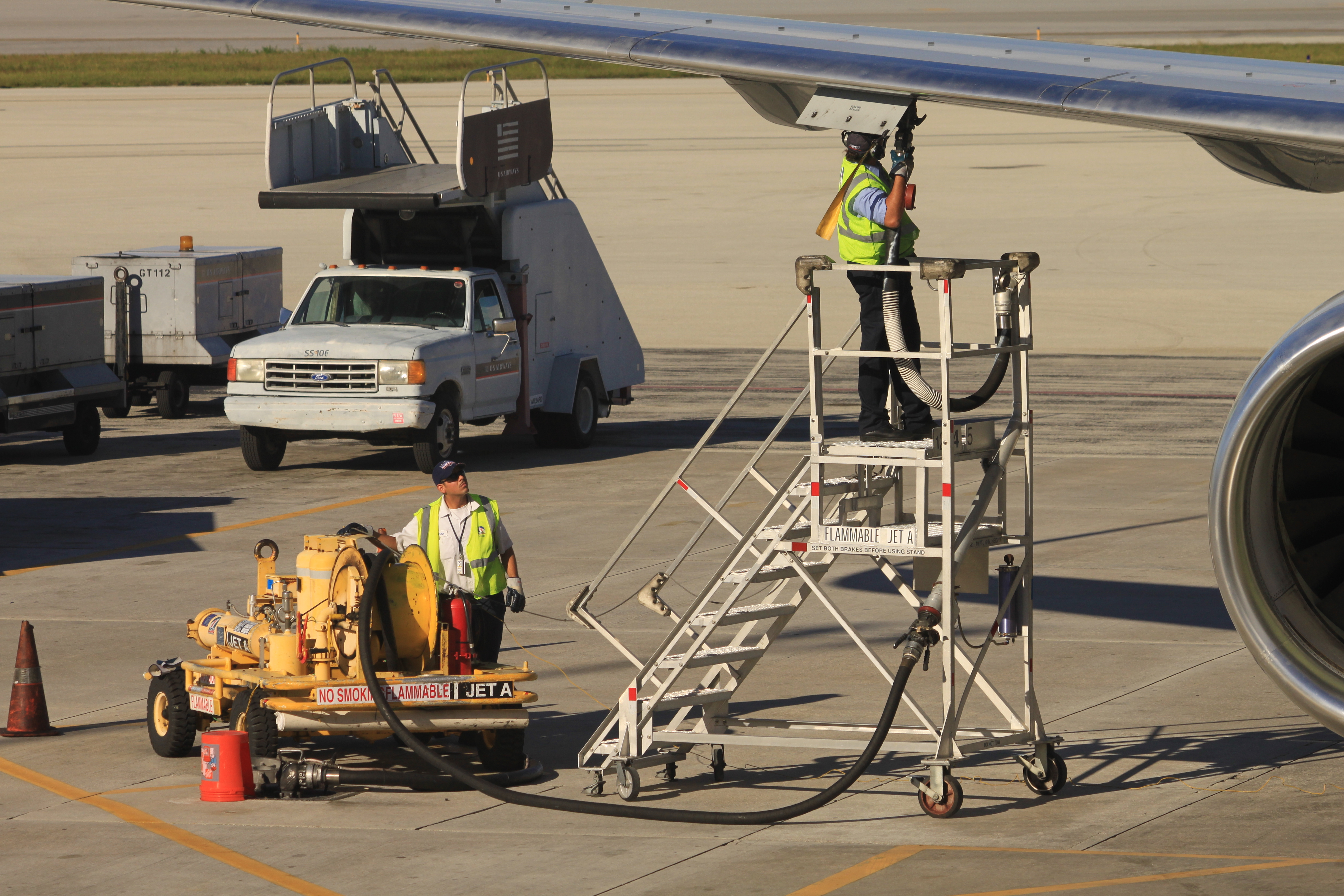
Jet fuel, which is refined from crude oil, rose even faster. The global average jet fuel price increased 7.1% in a single week to $209 per barrel as of early April. To put that in cost terms, the cost to fill a Boeing 737-800 went up from $17,000 to more than $27,000 in less than a week.
This matters directly for passengers because typically fuel accounts for up to 30% of an airline’s total operating cost. When that cost doubles, airlines face an immediate and significant financial pressure, often passing the price hikes onto the passenger.
Airlines are responding by hiking ticket prices and cancelling flights
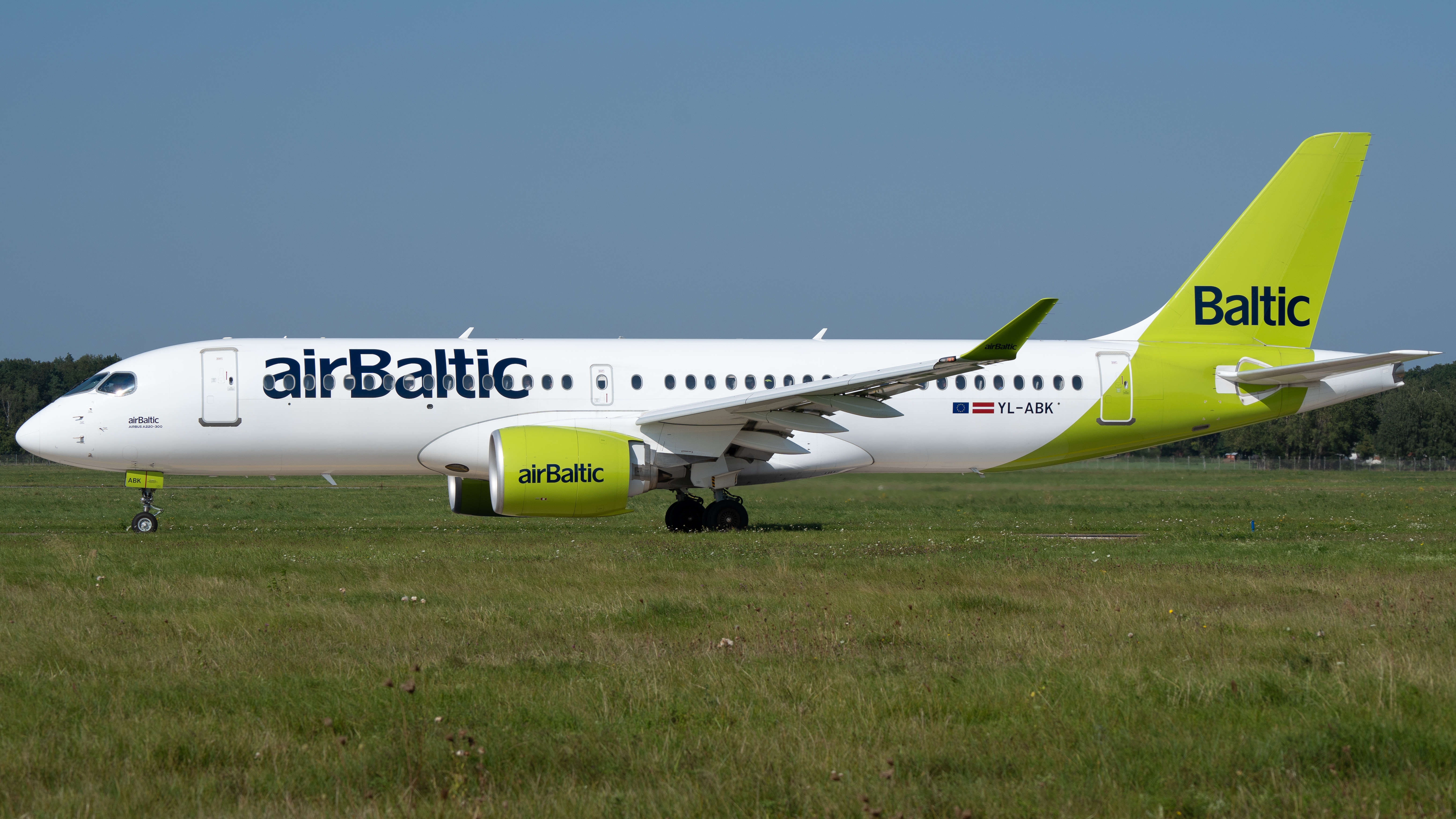
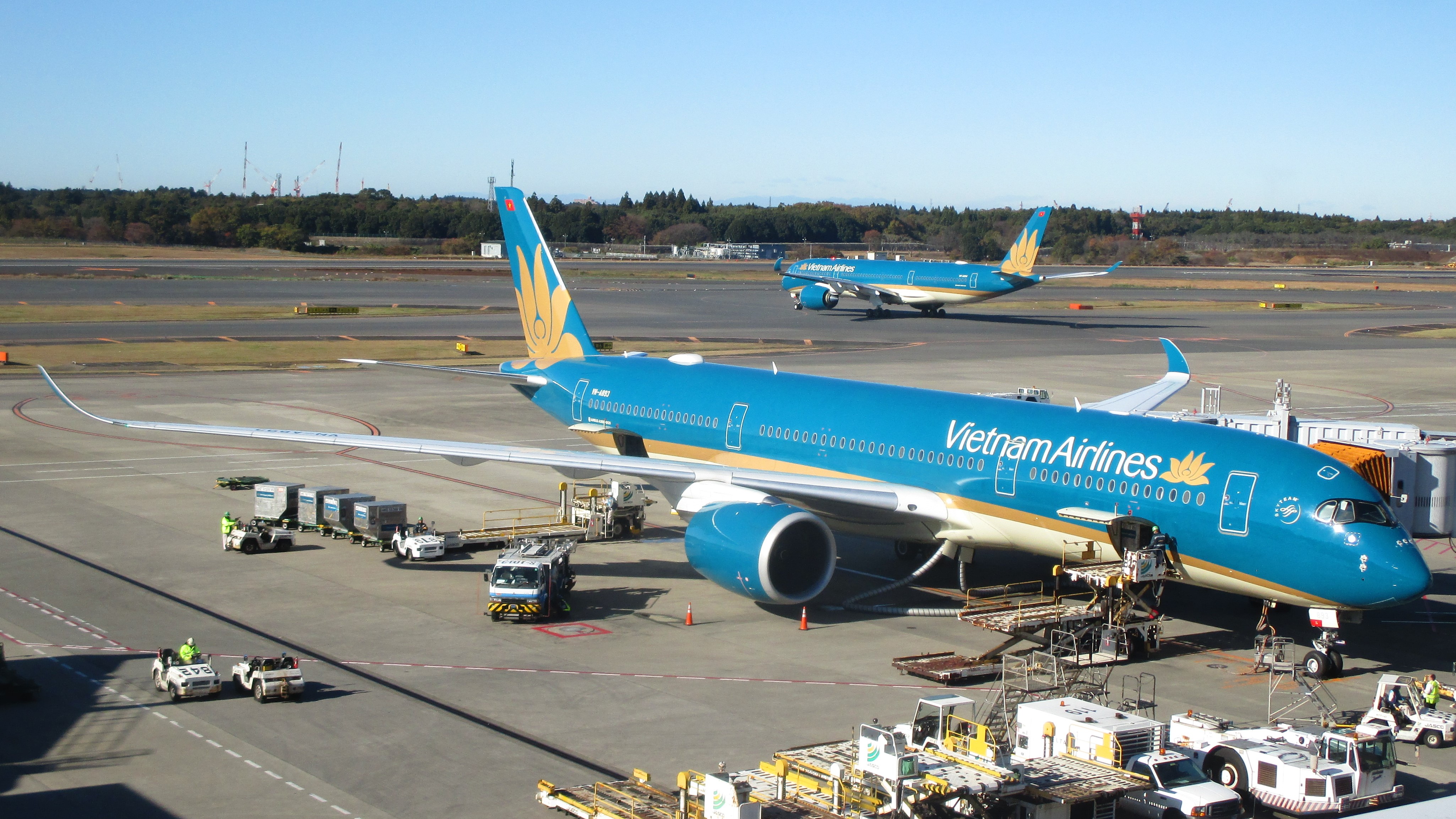
As with any global crisis, the industry response has been swift and broad, being felt in all four corners of the world. Cathay Pacific roughly doubled fuel surcharges on tickets from March 18, and Thai Airways expects airfares to increase by 15%. Australian flag carrier, Qantas, has raised prices by differing amounts depending on the route. Air Asia announced temporary fare increases but promises to revise them once market conditions allow.
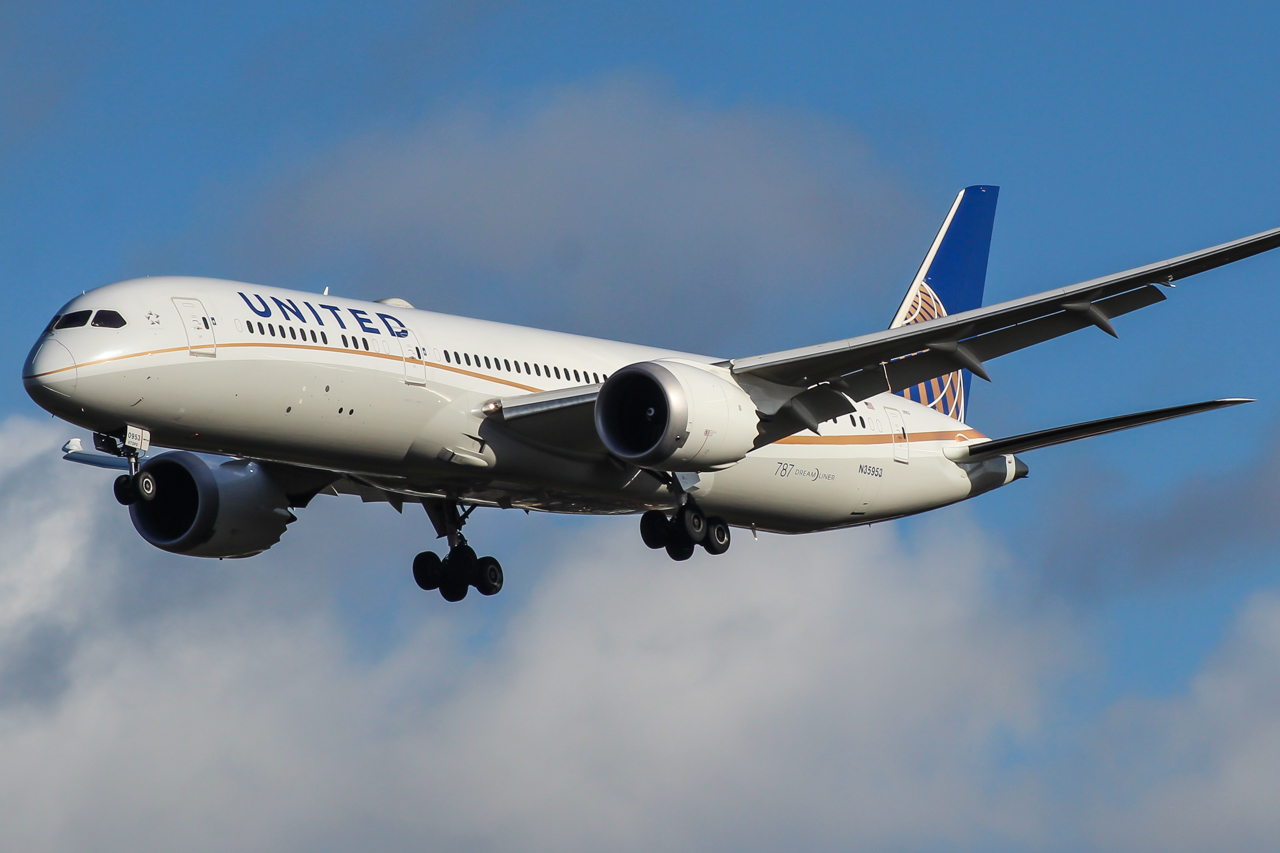
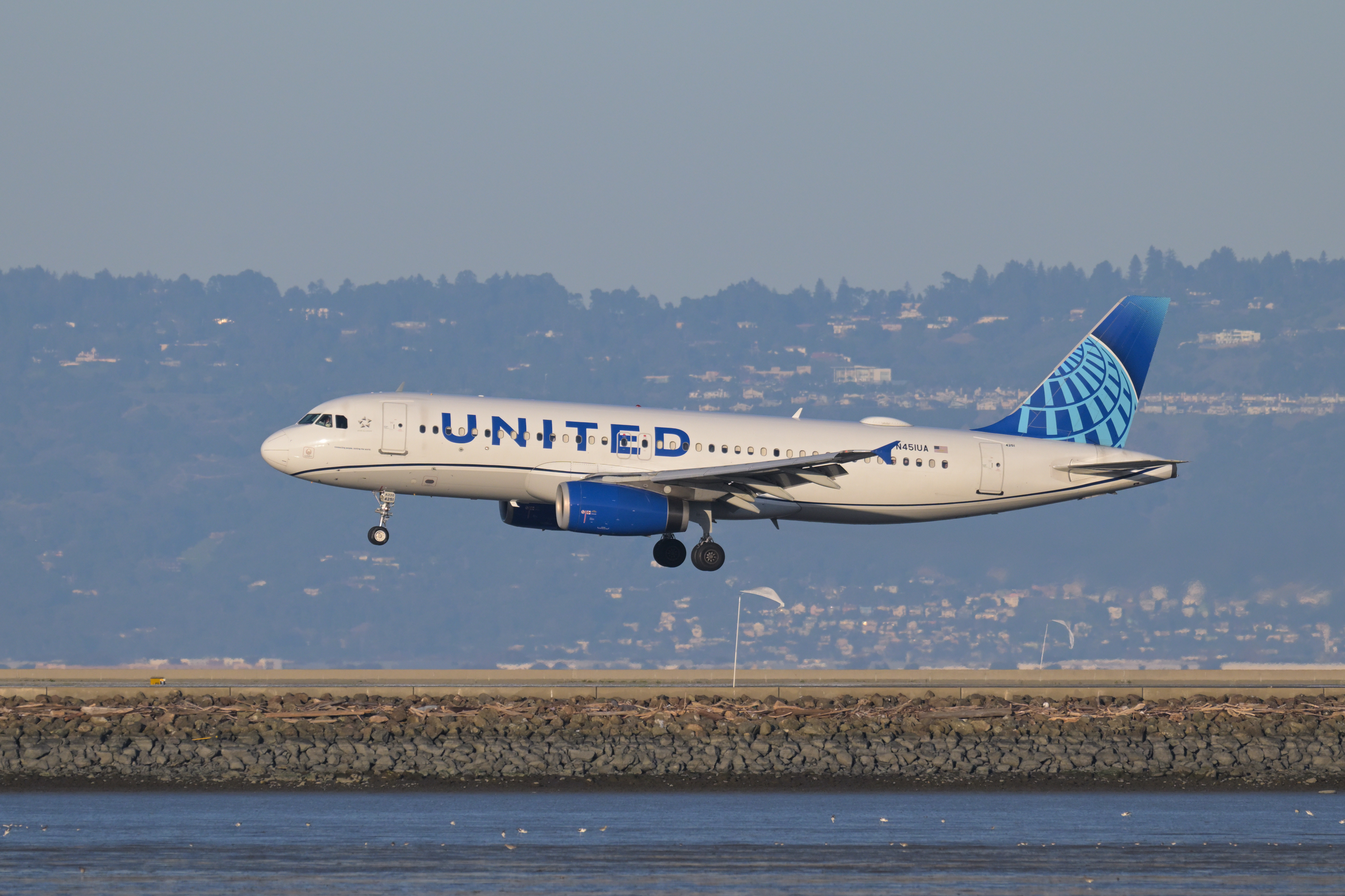
Beyond surcharges, airlines are cutting flights. United Airlines CEO Scott Kirby announced the carrier would cut approximately 5% of planned routes during the second and third quarter of 2026, describing it as “tactically pruning flying that’s temporarily unprofitable in the face of high oil prices.” Air New Zealand cancelled approximately 1,100 flights from March 16 to May 3, affecting over 44,000 passengers. SAS cancelled 1,000 flights in April.
The sheer scale of disruption is visible in the data. According to FTN News, on a single Monday in April, nearly 7% of all global flights were cancelled. Out of 104,618 routes, this equates to 7,049 cancellations, including 14.6% of all departures from North America.
Ticket prices have already risen, and will continue to do so
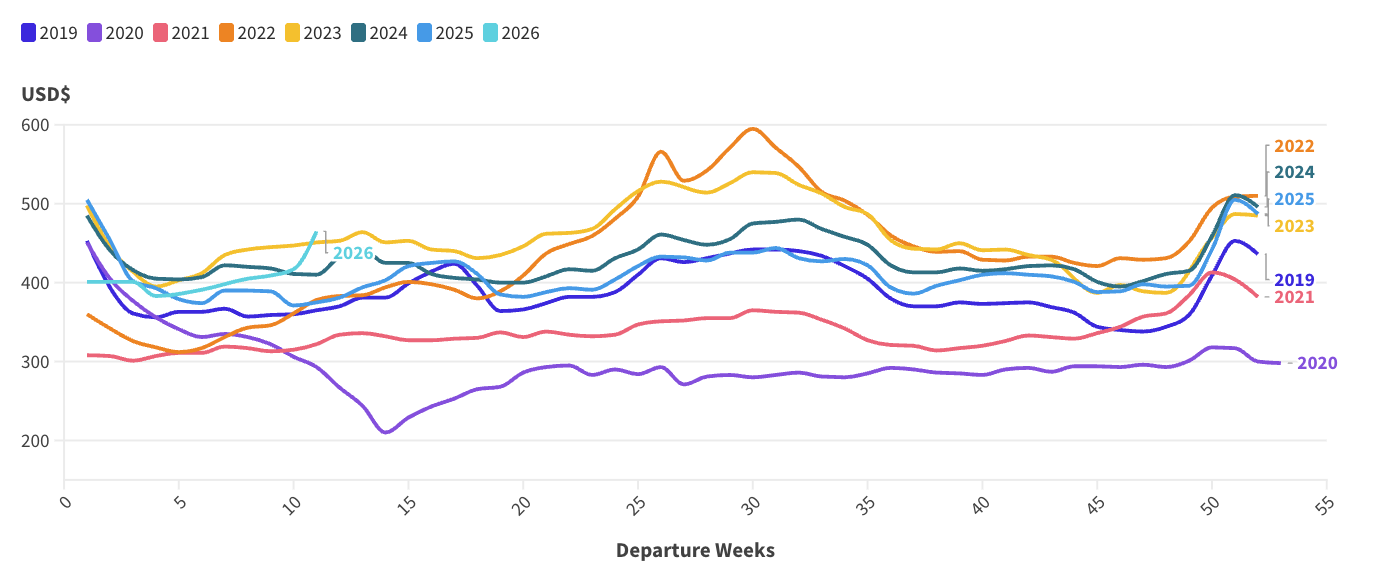
The impact on ticket prices is already measurable. Average airfares for the week beginning March 9 were up 24% compared to the same week in 2025, with the average ticket price sitting at $465 – the highest price since 2019, according to travel data provider OAG.
Jefferies airline analyst Sheila Kahyaoglu stated the most acute financial impact would be felt in the next 30-90 days, as airlines had been booking fares for near-term flights based on a much lower fuel price and cannot retrospectively raise them. In practical terms, passengers who have already booked are protected, while anyone booking a new flight is increasingly likely to pay a higher price, especially during the summer season.
Fuel surcharges are the most immediate response airlines implement to recover their costs. These are added on top of the base fare and vary by airline, route, and cabin class. Naturally, business and first-class tickets carry higher surcharges, though the percentage impact is often felt harder by economy passengers booking at the lower end of the fare spectrum.
What should travellers do?
The practical advice depends on where you are in the booking process, but essentially, it is best to book as soon as possible to avoid higher prices in the near future.
If you have already booked, your fare is protected. Check your airline’s policy on cancellations if your service is among those being cut, but airlines generally refund or rebook flights if they cancel them themselves.
If you have yet to book, the calculation is more complex due to uncertainty. Prices for summer departures are rising but have not stabilised due to the sustained higher fuel costs. Booking now locks in the current fare and waiting risks paying more if the crisis continues, but waiting may result in lower fares if oil prices fall. Aviation logistics experts caution that even if the Strait of Hormuz is opened in the coming days, fuel costs would not immediately drop due to production being taken offline and storage running low.
The one clear piece of advice, regardless of timing, is to check if your chosen flights are still operating before making any non-refundable commitments to accommodation or onward travel. The current environment is producing cancellations at a significantly higher rate than normal, and the airlines most exposed to the Middle East routes of Gulf-sourced fuel are making schedule changes with limited notice.
The long-term view
Even before the current crisis, jet fuel costs were on an upward trajectory. IATA has projected jet fuel demand to grow by nearly 4% in both 2025 and 2026, while sustainable aviation fuel, which costs up to four times more than conventional fuel, accounts for just 0.8% of total consumption. The immense pressure on airline fuel costs is not going away when the crisis resolves.
The outlook for airfares over the rest of 2026 will largely depend on how long the Middle East conflict continues to disrupt global oil supply and shipping. Until that clarity arrives, fares are likely to remain volatile and rising when and if the situation worsens, and potentially easing when it does not.
Have questions or want to share your thoughts?