How Manston Airport could reopen-the legal approval, the delays, and the realistic timeline

By Josh Wood Wed Feb 25, 2026
Manston Airport already has government approval to reopen, but aircraft are still years away from returning. The current proposal would see the airport reopen initially as a cargo hub, with passenger operations only possible at a later stage. The airport remained operational until it closed in 2014 after sustained financial losses and low passenger demand.
The UK Government has granted a Development Consent Order (DCO) approving the airport’s redevelopment. Following years of legal challenges and planning disputes, the project has now moved into the regulatory phase, with airspace design work and public consultations expected to continue through 2026.
Manston has operated as a commercial airport before
Originally a Royal Air Force base used during both world wars, Manston later transitioned into civilian use and was sold to private investors in 1999. Scheduled services did operate, most notably KLM’s link to Amsterdam Schiphol, providing onward connections to its wider international network.
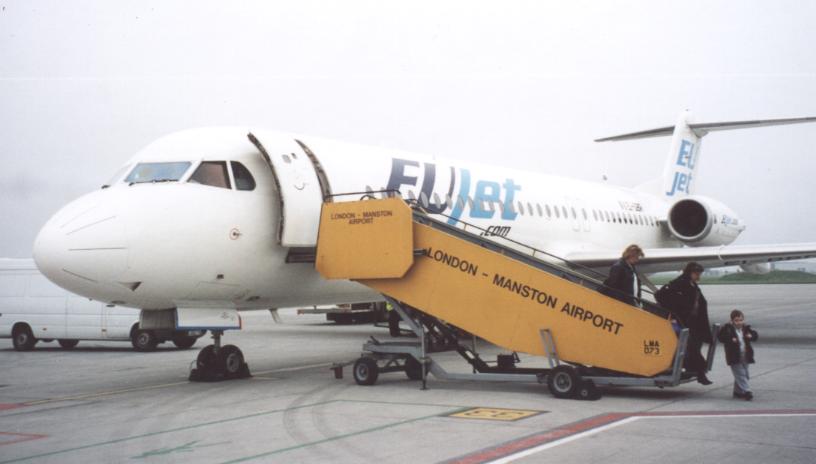
Throughout the 2000s and 2010s, other carriers such as EUJet, Flybe, and Monarch flew scheduled and charter services to popular European and domestic destinations; however, the airport struggled to attract year-round demand.
Why cargo is the planned initial return, not passengers
Before its closure, Manston also handled dedicated cargo operations, including flights operated by Cargolux. This demonstrated that the airport could handle aircraft operations but could not sustain a large passenger market due to its proximity to London’s hub airports.
Cargo operations prioritise access, runway capability, and operating hours rather than local population, which aligns more closely with Manston’s location and infrastructure.
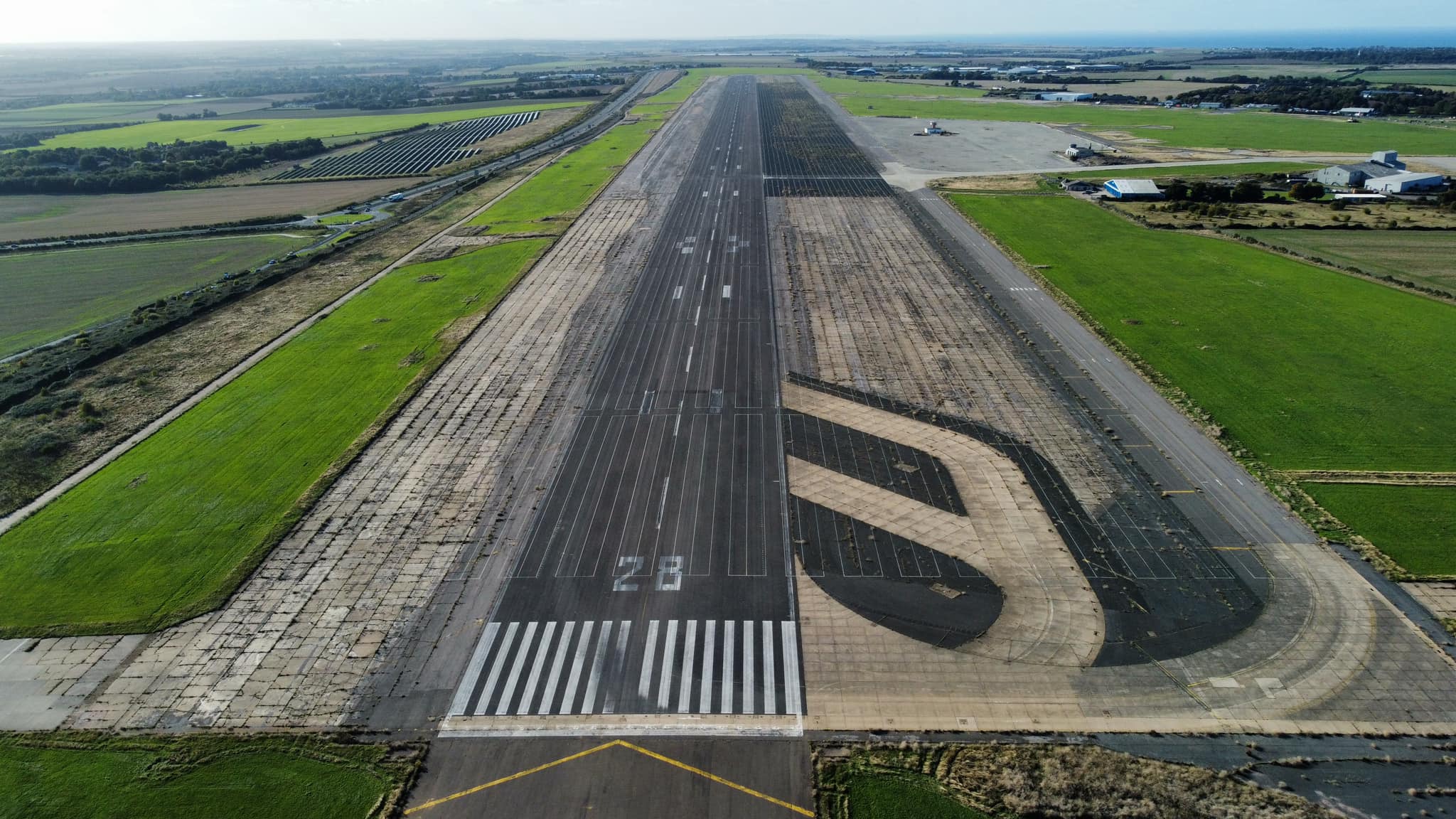
Manston has a 2,748-metre (9,016 feet) runway, allowing widebody aircraft, including the Boeing 747, to operate. The airport also benefits from a lower surrounding population density and allows operations throughout the night. Heathrow restricts scheduled night arrivals, limiting overnight cargo operations.
The airport’s owner, RiverOak Strategic Partners (RSP), states that rising e-commerce demand and limited capacity at London airports have increased the need for dedicated freight infrastructure in south-east England. Manston Airport will be equipped to handle more than a million tonnes of freight annually, which would place it among the UK’s largest freight airports.
Read more on capacity constraints at London’s airports HERE.
What is preventing Manston Airport from reopening
Manston Airport sits under some of the busiest airspace in Europe, most notably Gatwick arrivals, Heathrow flows, and Southend traffic. The UK’s Civil Aviation Authority (CAA) requires that flight paths must be safely assessed and designed before submission and approval. Until new flight paths are approved, commercial flights cannot operate legally. This process forms part of the UK’s CAP1616 airspace change procedure.
The airport has been closed for over a decade, allowing regulation and other airport infrastructure designs to develop. Currently, Manston Airport lacks an operational terminal, cargo handling buildings, lighting systems, emergency services, and the airfield requires significant rehabilitation work. The airport essentially must be rebuilt at a cost of around £750 million to meet modern CAA standards.
Before operations can begin, the airport must obtain a CAA aerodrome licence, rescue and fire category approval, security certification, and air traffic services. Resources are not limited to regulatory requirements; firefighters, air traffic controllers, ground handlers, and security staff will all need to be sourced.

A realistic reopening timeline
Airlines will not commit until the airport is certified, as construction is difficult to justify without airline interest, whether cargo or passenger carriers.
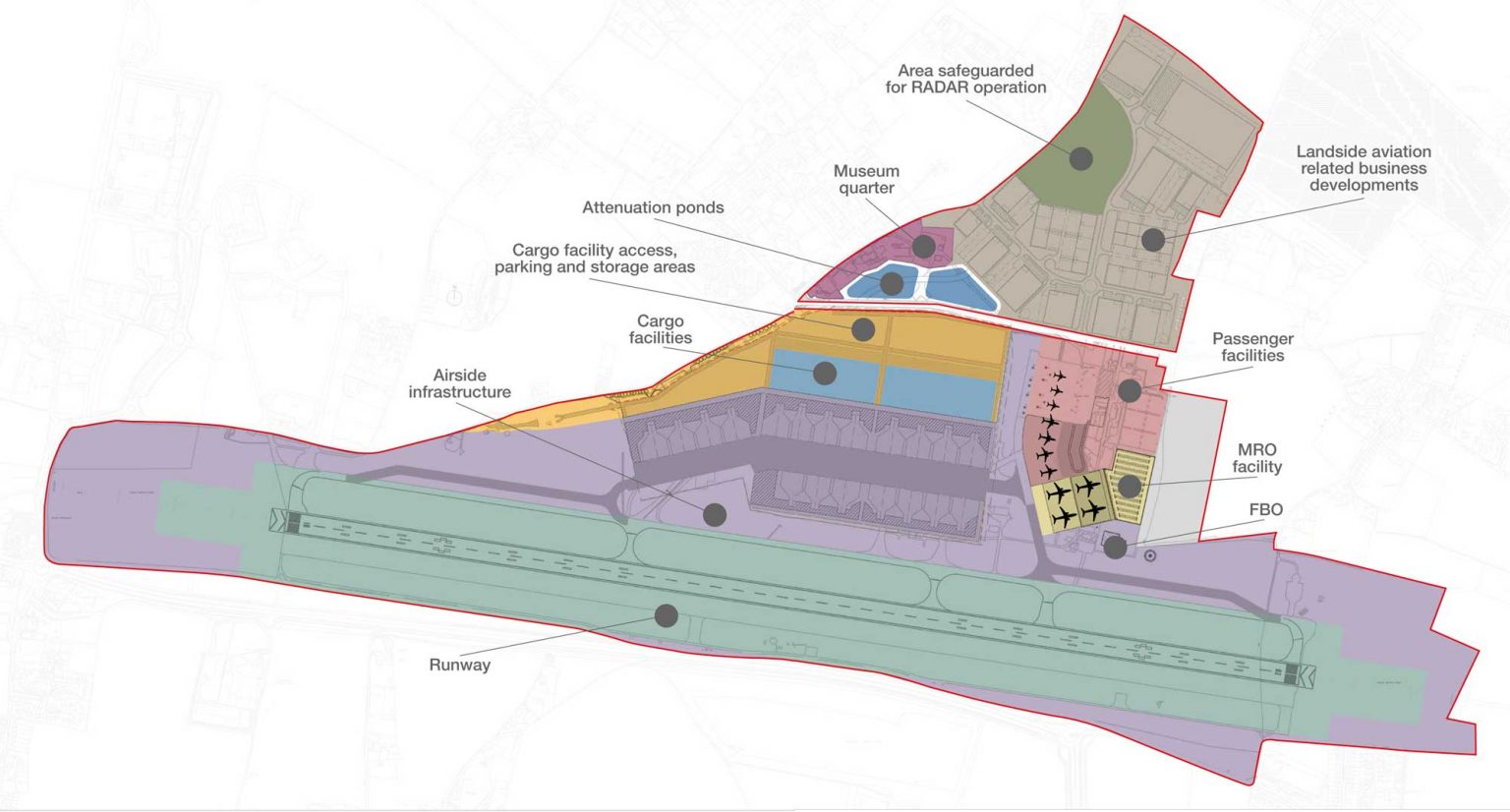
The UK government has granted the Development Consent Order (DCO) as the owner’s plans for Manston are consistent with all government policies. The approved DCO permits a fully functioning cargo airport rather than a limited airfield reopening, providing consent for:
· 19 widebody parking stands
· 4 narrowbody passenger stands
· 100 hectares of non-aircraft pavement
· 57 hectares of aircraft pavement
· Landside development
· 8 business aviation hangars
· 3 recycling hangars and aprons
RSP has noted that there have been unnamed cargo airlines interested. The project is now planned for opening in 2029, reflecting the time required for airspace approval, construction, and certification. The opening has been delayed from previous targets, with airspace consultations beginning in March 2026.
Cargo airports typically take several years to shift from approval to operation due to regulatory and infrastructure requirements. Manston is no different, as it requires significant upgrades and modifications to meet modern CAA standards.
What airlines could realistically operate passenger flights from Manston
If passenger services return, they would most likely be operated by low-cost or leisure airlines rather than full-service carriers. Airlines such as Jet2, TUI Airways, easyJet, and Ryanair typically favour secondary airports with lower operating costs and quick turnaround times, a model that aligns closely with Manston’s proposed operating structure.
However, any passenger service would depend on sustained demand and airlines committing aircraft, which typically only occurs once an airport is fully operational and commercially proven.
Manston Airport faces fewer legal barriers than many proposed airports, but significant practical ones. The runway exists, the approval exists, and the business case is defined, yet funding, airspace approval, and construction will ultimately determine whether aircraft return.
Have questions or want to share your thoughts?