These airlines have the world’s most cramped economy cabins
By Josh Wood Thu Apr 9, 2026
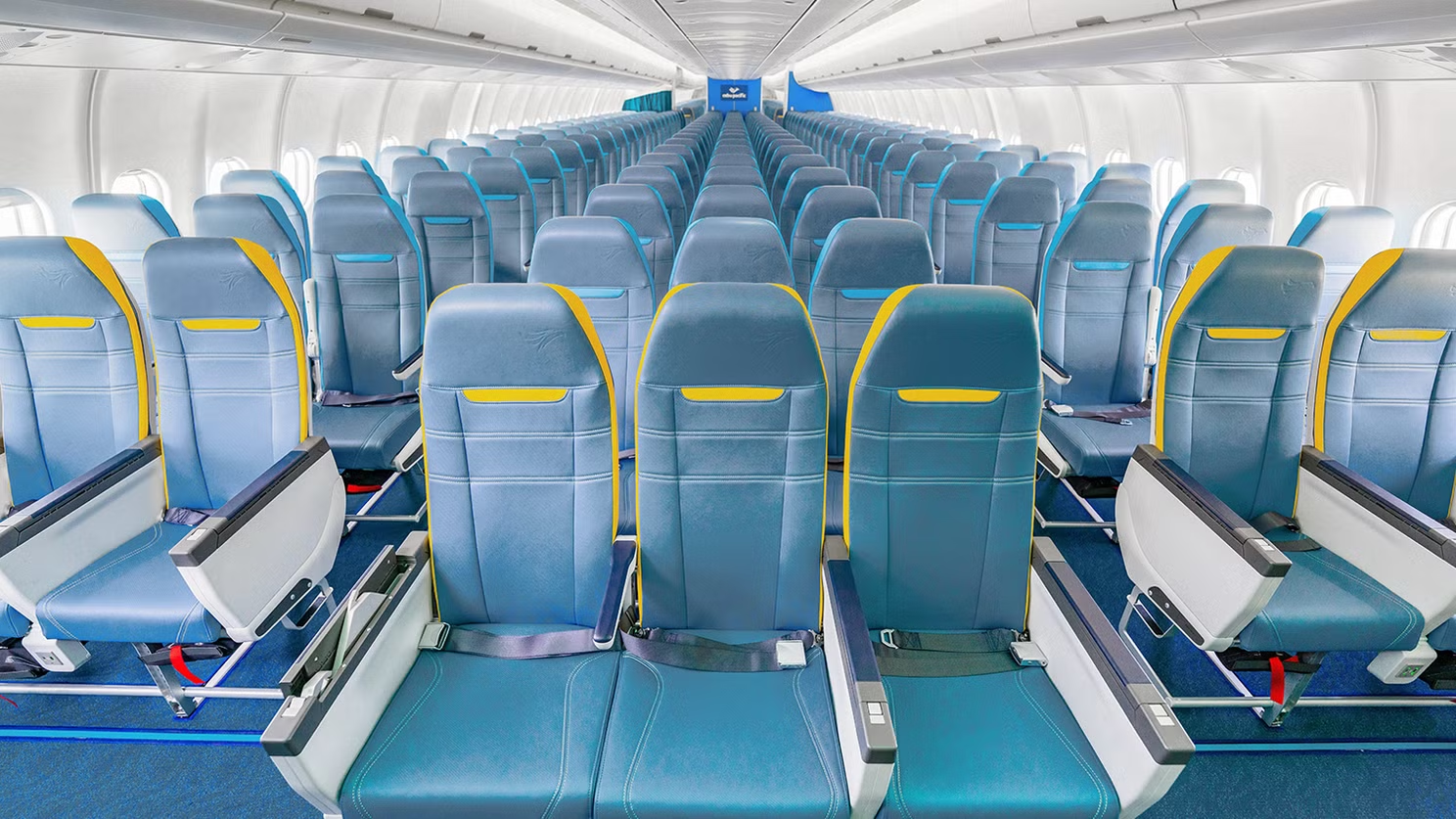
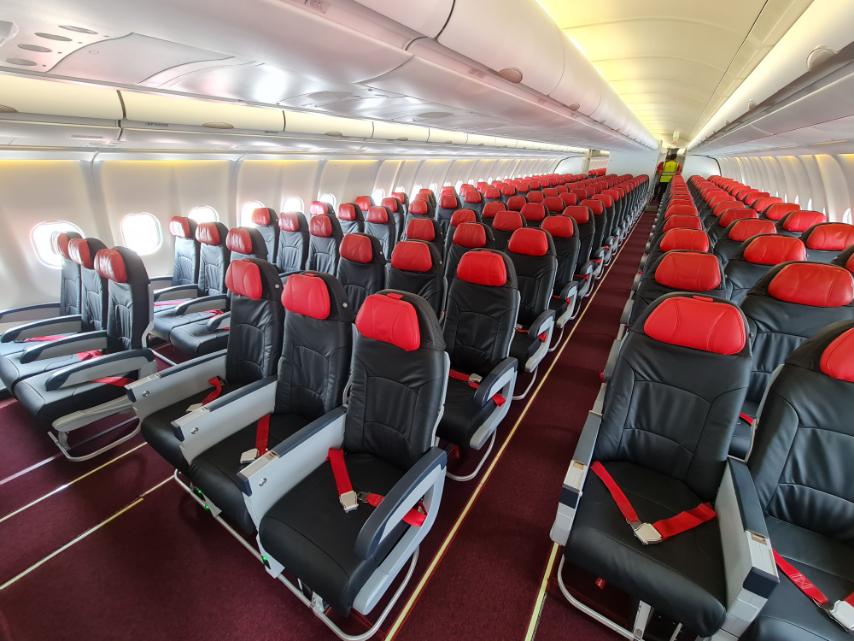
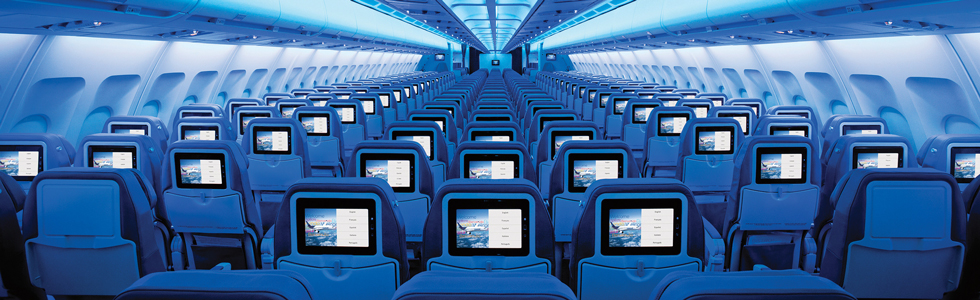
For years, the Airbus A330 has been a favourite among passengers thanks to its spacious 2-4-2 economy layout, allowing couples to enjoy both a window and an aisle seat. However, low-cost carriers have transformed this once much-loved aircraft into one of the most cramped cabins in the sky by adding an extra seat per row and adopting a 3-3-3 configuration.
Nine across: the economics behind high-density A330s
The shift to a 3-3-3 layout is a commercial decision, not an engineering one. The A330’s fuselage is wide enough to accommodate either layout, but adding a ninth seat per row can add up to 80 additional seats to a single aircraft. However, this means reducing seat width from a standard 18 inches to a tight 16.
On high-demand routes where every seat is occupied, that translates into lower operating costs per passenger, increasing airline profits. For the traveller, it means tighter conditions, narrower aisles, and slower service – all trade-offs low-cost airlines have calculated passengers will accept in exchange for cheaper fares.
The A330-900 is the future of low-cost long-haul
The A330-900neo has quickly become the aircraft of choice for low-cost carriers with ambitions beyond their home regions. Its improved fuel efficiency and extended range of over 13,000 kilometres make it economically viable for budget airlines to operate flights that have historically been reserved for full-service carriers.
The Philippine low-cost carrier, Cebu Pacific, currently operates the densest A330-900neo in the industry with 459 seats in an all-economy configuration. These aircraft operate high-demand routes across Asia and the Middle East where passenger volumes justify the high-density layout, and travellers are driven by price.
Read more on how Cebu Pacific grew to dominate the Philippine low-cost market.
Airline | Seats | Seat Pitch | Seat Width | Seat Recline |
Azul Brazilian Airlines | 365 | 30-31 inches | 16.5 inches | 3 inches |
Cebu Pacific | 459 | 30-31 inches | 16.8 inches | 0 |
Corsair International | 311 | 31 inches | 16.5 inches | 4 inches |
Iberojet | 353 | 30 inches | 16.5 inches | 4.5 inches |
Lion Air | 436 | 30-32 inches | 16.5 inches | 3 inches |
Airbus’ order book suggests Cebu Pacific will not hold this title alone for long. Several carriers are preparing to take delivery of A330-900neos configured in high-density configurations:
AirAsia X has 15 on order, with plans to extend its network to Australia and, for the first time, Europe.
Vietjet Air has placed an order for 40 airframes, one of the largest in Southeast Asia, targeting routes to Europe and Australia.
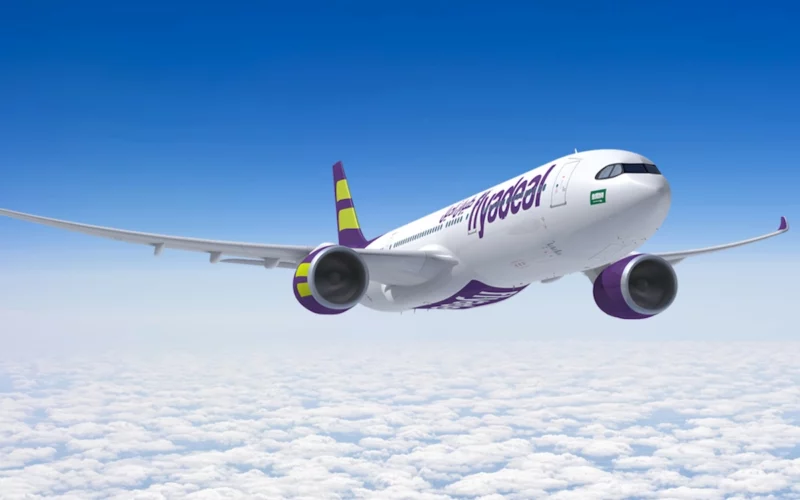
Flyadeal, the Saudi budget carrier, has ten on order to be used to scale capacity during the Hajj and Umrah pilgrimage seasons.
These orders represent a significant shift in long-haul aviation. The A330-900neo is no longer an aircraft for established full-service airlines, but it is becoming the aircraft of choice for ambitious low-cost airlines seeking to reshape long-haul travel.
A closer look at the A330-300 operators
The A330-300 remains the workhorse of the high-density market. The table below summarises the key configurations.
Airline | Seats | Seat Pitch | Seat Width | Seat Recline |
Air Caraibes | 307 | 32 inches | 16.5 inches | 120 degrees |
Air Transat | 312/365 | 30-31 inches | 16.5.-16.7 inches | 3-5 inches |
AirAsia X | 365/367 | 30-31 inches | 16.5 inches | 3 inches |
Batik Air | 374 | 31 inches | 16.5 inches | 3 inches |
Cebu Pacific | 436 | 30 inches | 16.5 inches | 3 inches |
Lion Air | 374/440 | 30-32 inches | 16.5-17.5 inches | 3 inches |
Philippine Airlines | 312/308 | 30-31 inches | 16.5-17 inches | 3-6 inches |
Thai AirAsia X | 365 | 30-31 inches | 16.5 inches | 3 inches |
US Bangla Airlines | 436 | 30 inches | 16.5 inches | 3 inches |
Vietjet Air | 365 | 31 inches | 16.5 inches | 3 inches |
Cebu Pacific (Philippines)
The Manila-based carrier operates an all-economy A330-300 with 436 seats, just below its A330-900neo’s capacity. With a seat pitch of 30 inches and a width of just 16.5 inches, this is high-density flying in its purest form.
Philippine Airlines (Philippines)
The flag carrier’s presence on this list is the most surprising entry. Philippine Airlines is the only full-service airline operating a high-density A330-300, in configurations up to 312 seats. These aircraft are used to serve the Filipino worker market on routes to the Middle East.
Vietjet Air (Vietnam)
Airline Ratings World’s best Ultra Low Cost Carrier for 2026 has 40 A330-900neos on order, which clearly shows their long term commitment to giving passengers access to more long haul destinations for a value fare.
AirAsia X (Malaysia)
The long-haul arm of the AirAsia Group seats up to 367 passengers, depending on individual aircraft, all in a 3-3-3 layout. The airline has made some additions to passenger comfort, offering dedicated Quiet Zones and Hot Seats with additional legroom for passengers willing to pay extra.
Lion Air (Indonesia)
Lion Air operates multiple variants of the A330-300, ranging from 374 to 440 seats, with widths between 16.5 and 17.5 inches. The higher-density layout is used on Hajj and Umrah pilgrimage services to Saudi Arabia.
Air Transat (Canada)
The Canadian leisure carrier proves density is not just exclusive to the Asian market. Seats vary between 321 and 365 passengers on transatlantic routes to Europe, and unlike most other operators of the type, it includes inflight entertainment and USB charging as standard.
Air Caraïbes (French Antilles)
The French Caribbean carrier offers one of the more unexpected data points in this entire comparison. Its 307-seat A330-300 comes with a seat recline of 120 degrees, which is the most generous of any high-density operator on this list, compared to the standard 3-inch recline most carriers offer.
The remaining operators in the high-density A330-300 market, Thai AirAsia X, Batik Air, and US-Bangla Airlines, follow a similar model of layouts up to 438 seats, 30-31 inches of pitch, and 16.5 inches of width. These aircraft are deployed primarily on leisure routes and labour migration markets across Asia and the Middle East.
A330-200 operators
The A330-200’s smaller capacity makes it better suited to thinner long-haul routes where the A330-300 would fly with empty seats. Just a handful of carriers have configured the -200 in high-density layouts.
Airline | Seats | Seat Pitch | Seat Width | Seat Recline |
Air Caraibes | 267 | 32 inches | 16.5 inches | 120 degrees |
Air Transat | 320/333 | 32 inches | 16.5 inches | 3 inches |
Plus Ultra Líneas Aéreas | 272 | 31 inches | 16.5 inches | 4 inches |
Air Caraïbes (French Antilles)
As well as the -300 high-density variant, Air Caraïbes operates the A330-200, making it one of the few carriers in this list to have both types in operation. With a configuration of 267 seats, the aircraft still retains the same 120-degree recline that distinguishes the carrier from others. For passengers on its Caribbean and South American routes, the recline stands out as a comfort feature in an otherwise basic product.
Plus Ultra Líneas Aéreas (Spain)
The least well-known operator in this comparison, Plus Ultra, is a Spanish leisure carrier that operates a 272-seat A330-200 on routes from Spain to Latin America. With 31 inches of pitch and 16.5 inches of width, the onboard hard product sits in line with other high-density A330 operators. The airline offers a no-frills product aimed at price-sensitive leisure travellers on one of aviation’s most competitive long-haul corridors.
Flying Air Europa to Argentina? Read our full cabin review before you book.
Air Transat also operates the A330-200 alongside its -300 fleet in configurations of 320-333 seats, making it the highest-density A330-200 operator on transatlantic routes.
Is a high-density A330 worth it?
The high-density A330 exists because passengers have repeatedly demonstrated they will trade comfort for price, especially on high-demand leisure routes. On a two-hour flight, a 16-inch seat width is an inconvenience, but on a long-haul 10-hour route, it is much more of a comfort trade-off.
Whether it is worth it depends on what passengers pay for. For migrant workers, pilgrims, or budget-conscious leisure passengers, these aircraft have enabled routes that would not exist at full-service prices. In essence, that is the compromise, and for millions of passengers a year, it is one they are happy to make repeatedly.
Have questions or want to share your thoughts?