BREAKING NEWS: Iraq airspace reopens – what this means for global aviation

By Josh Wood Wed Apr 8, 2026
Effective immediately, as of April 8, Iraq has reopened its airspace and all commercial airports following the announcement of a two-week ceasefire between the United States, Israel, and Iran. Acting head of the Iraqi Civil Aviation Authority, Bengen Rekani, confirmed the decision, stating: “The Iraqi Civil Aviation Authority announces the opening of the airspace and all Iraqi airports.”
The closure had been in place since February 28 and represented one of the longest sustained airspace closures in the country’s recent history. Its reopening carries significant consequences well beyond Iraq’s borders.
Why Iraqi airspace matters to global aviation
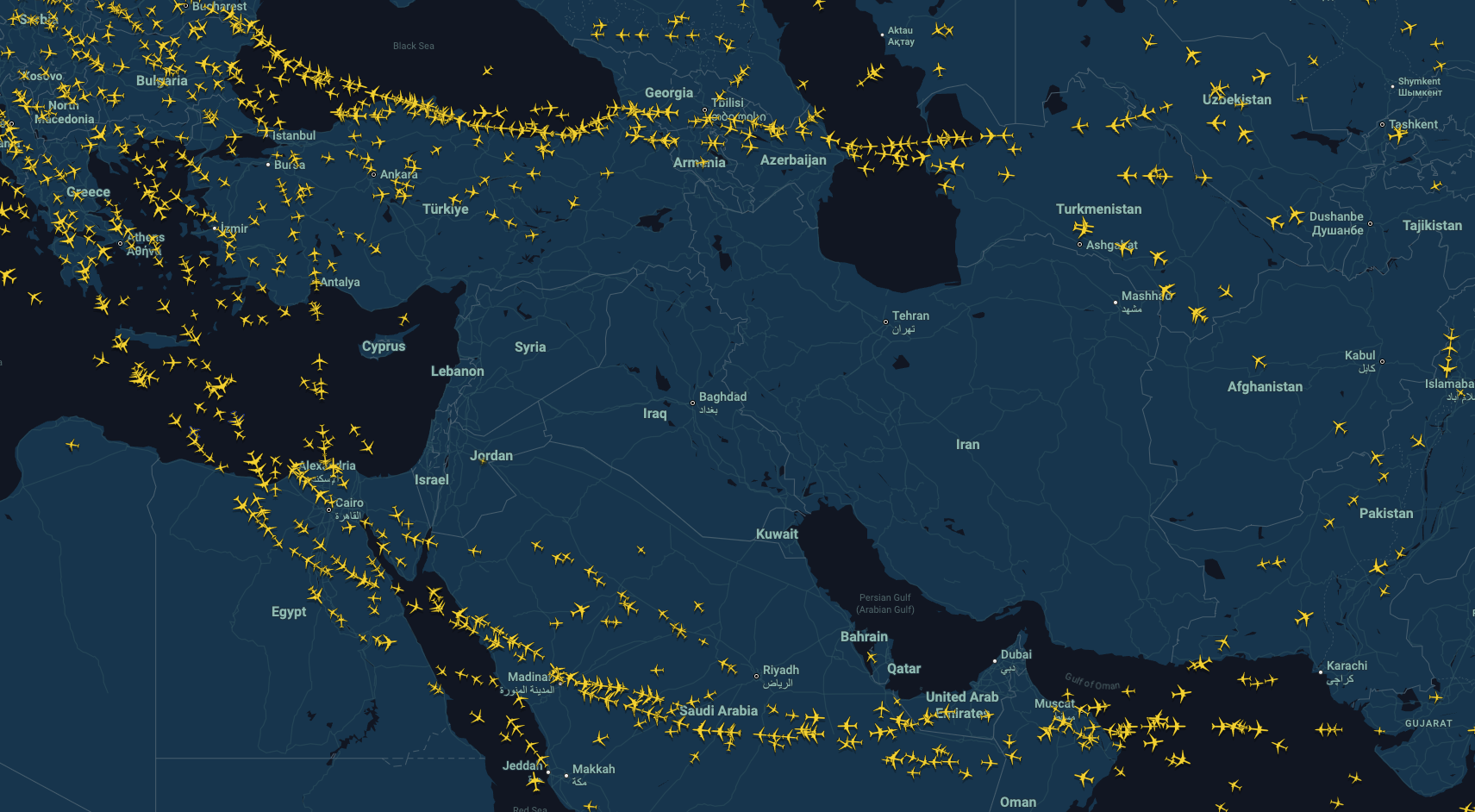
Iraq’s significance to international aviation is not about flights to and from Baghdad, but about overflying. The Baghdad Flight Information Region (FIR) sits at the intersection of the major routing corridor connecting Europe with the Gulf, South Asia, and the Far East. Before the closure, thousands of flights per day transited this airspace, especially airlines such as Qatar Airways, Emirates, and Etihad Airways.
The head of Iraq’s Civil Aviation Authority specifically noted that reopening the airspace strengthens Iraq’s position as a strategic corridor connecting East and West, reducing fuel costs amid rising oil prices. When the corridor was closed, airlines were forced to reroute around Iraq completely, which added hundreds of kilometres, increased fuel burn, and made flight times longer.
For an industry already facing a fuel crisis, the closure compounded costs that were already unsustainable.
Open in name but limited in practice
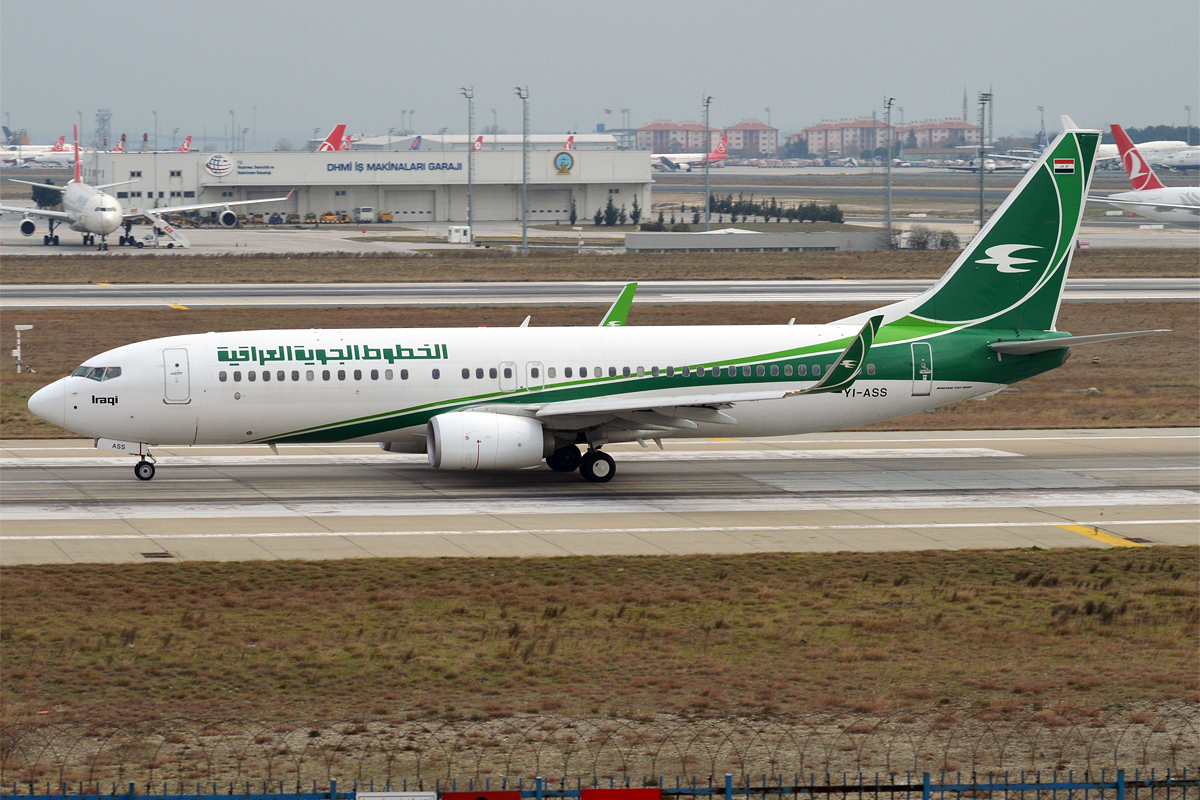
The Iraqi Civil Aviation Authority announced the immediate reopening of Baghdad, Erbil, Basra, and Najaf international airports. However, operations following the announcement remained limited, with Flightradar24 and AirNav Radar showing only sporadic activity, primarily involving Iraqi Airways. Other international airlines continued to observe caution, with many suspensions extended into late April or beyond.
For passengers with bookings to or from Iraq, the announcement is welcome, but airlines will need time to reassess risk, coordinate with authorities, and rebuild schedules. Direct restoration of full international service is unlikely within days.
Iraqi airspace opens, but airlines are not rushing back
The ceasefire enabling this reopening is a two-week pause, not a peace agreement. Negotiations between the US and Iran are set to begin in Islamabad, Pakistan, on April 10. If talks collapse, airspace closures could return with little notice. Airlines will be watching closely before committing to full schedule restoration.
The wider regional picture also remains unresolved. Kuwait and Bahrain remain closed. Iran’s airspace is still shut to commercial aviation, and the UAE and Qatar have allowed some flights to resume. European Aviation Safety Agency (EASA) still has restrictions imposed covering much of the Middle East. The partial reopening of Iraqi airspace is meaningful, but it does not restore the full routing architecture that existed before February 28.
What should passengers do?
Travellers on routes that previously overflew Iraq may begin to see shorter flight times and reduced fuel surcharges as airlines gradually restore normal routing. However, this will not happen overnight. Check with your airline before assuming any schedule changes.
For passengers flying to Iraq, the airports are officially open, but whether your specific carrier has resumed services is a separate question. Again, check with your airline directly.
This is a fluid and fast-moving situation. AirlineRatings.com will continue monitoring airspace developments across the region as the ceasefire period unfolds.
Have questions or want to share your thoughts?