The Air India 171 crash one year on

By Sharon Petersen Thu Jun 11, 2026
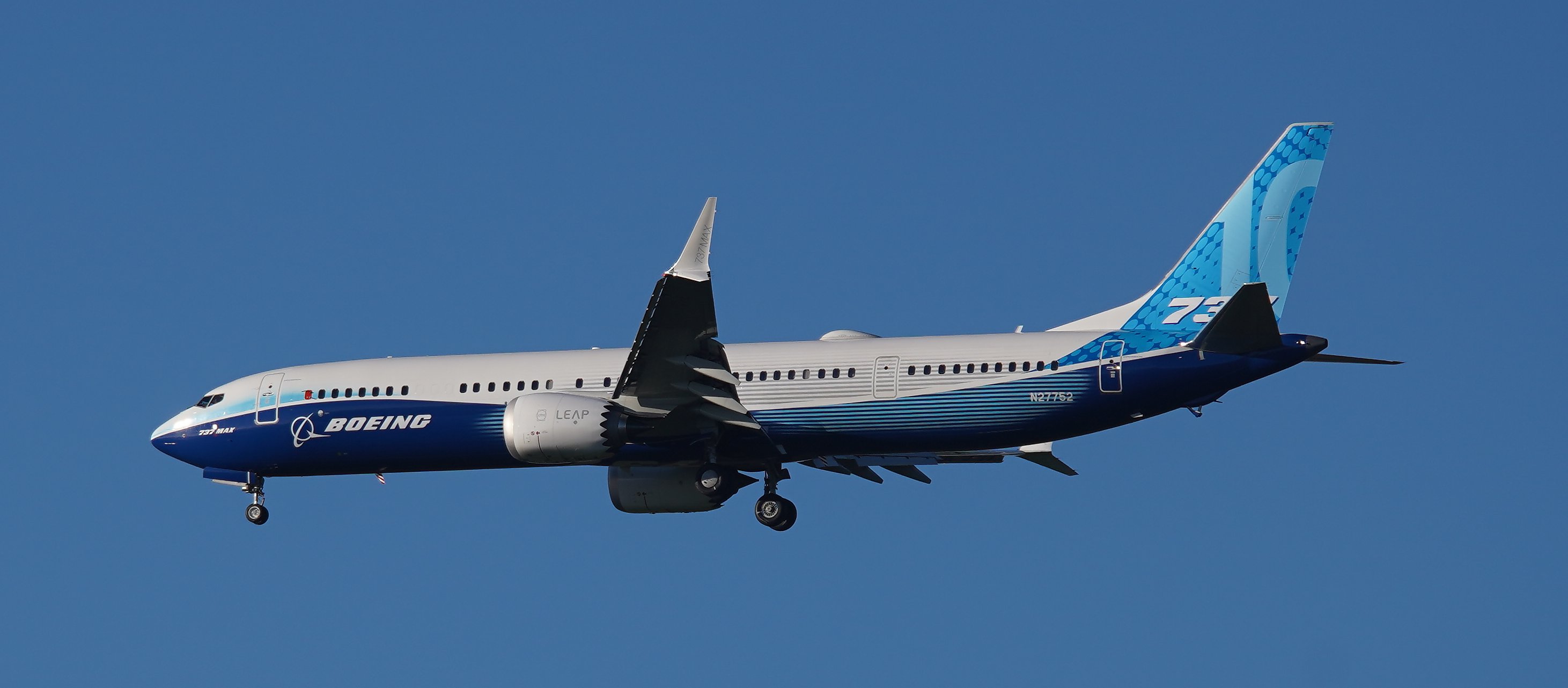
For 30 seconds on 12 June 2025, everything looked routine. An Air India Boeing 787-8 lifted off from Ahmedabad bound for London Gatwick, climbing into clear afternoon skies with 242 souls aboard and a long evening of ordinary travel ahead. Then the climb stopped. Almost a year on, the world still cannot say with certainty why.
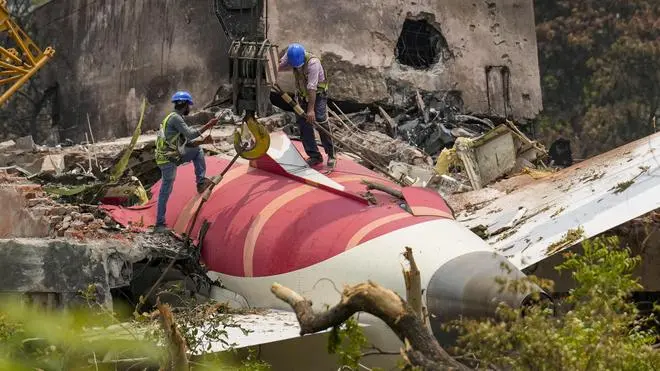
What followed was the deadliest accident in Air India's history. The Dreamliner came down into the hostel block of BJ Medical College, a crowded residential corner of the city, where a full long-haul fuel load turned impact into a series of explosions. Of the 242 people on board, 241 died, and another 19 were killed on the ground. Sixty-eight more were injured.
Miraculously, one man walked out of it. British national Vishwash Kumar Ramesh, seated in 11A, survived a crash that took everyone around him, and days later helped carry his own brother's coffin. His survival became the single thread of grace in an otherwise unbearable story, and a reminder of how thin the line can be.
A switch that should never have moved
This is where the story turns from tragedy into mystery. Investigators recovered both flight recorders within days, and on 12 July the AAIB delivered a 15-page preliminary report that only deepened the unease. Seconds after liftoff, both engine fuel control switches had moved from RUN to CUTOFF, flipping barely a second apart and starving both engines at the worst conceivable moment. With no height left to trade, the aircraft had nothing to give.
The cockpit voice recorder caught the human heart of it. One pilot is heard asking the other why he had cut off the fuel, and the second pilot denies having touched anything. The crew pushed the switches back to RUN and the ram air turbine deployed, but although one engine began to relight, the deceleration simply could not be arrested in time.
The jet was airworthy, the maintenance arguably current, the cargo clean and the fuel samples unremarkable. Investigators recommended no immediate action for the wider 787 fleet, though they did note a 2018 US Federal Aviation Administration advisory that had warned of a possible fault in the fuel-control switch locking feature on several Boeing types. That inspection was never mandatory, and Air India had not carried it out.
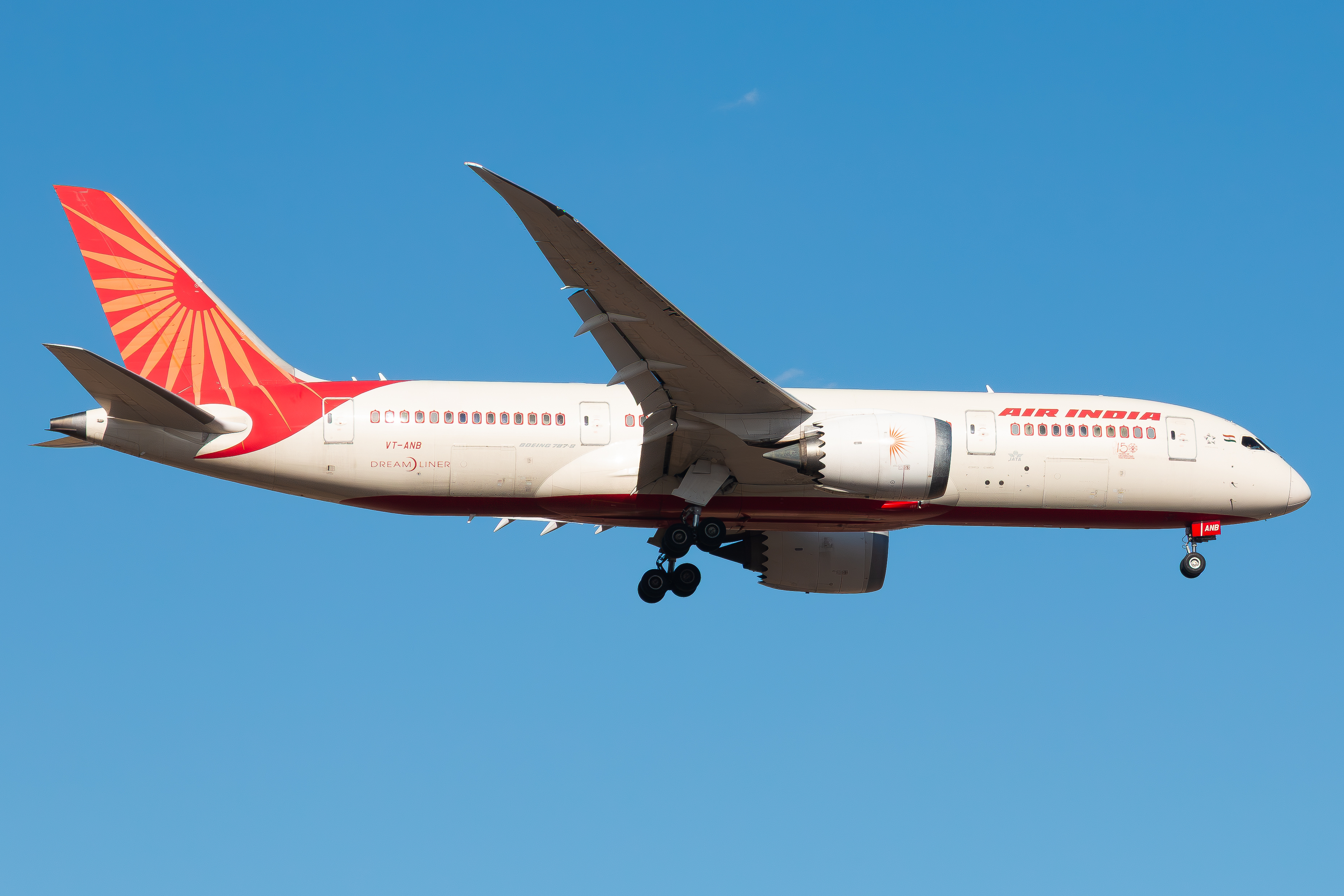
The evidence that points away from the cockpit
A year of forensic work has circled the same stubborn gap. We know the switches moved. We still do not know how, or why, and that distinction has come to define the entire investigation.
For months the public mood pointed squarely at the flight deck, and that recorded exchange seemed only to harden it. However, in April the Safety Matters Foundation of India published a photogrammetric analysis of imagery from the flight, and its conclusion was blunt. The ram air turbine had already deployed roughly 2.5 seconds before the fuel switches moved to CUTOFF.
That sequence matters enormously. The ram air turbine drops into the airflow only when the aircraft has already lost power. Its early appearance suggests the engines were failing before any switch was touched, which means the cutoff cannot have been the trigger. As the foundation put it, the cause cannot come after the effect. The finding aligns precisely with the pilot who insisted he had done nothing, and it shifts the inquiry towards the aircraft itself.
Other threads tug the same way. Recovered ACARS data showed the jet had logged electrical and flight control faults, including a stabiliser position transducer warning, about 15 minutes before departure. Nothing suggests the crew was ever told. In February 2026 a separate Air India 787 saw a fuel switch flip to CUTOFF twice on the ground before a Heathrow departure. The airline grounded the aircraft. The Caravan magazine has gone further still, publishing an independent investigation that blames a software fault rather than the pilots. The theory remains contested but refuses to fade.
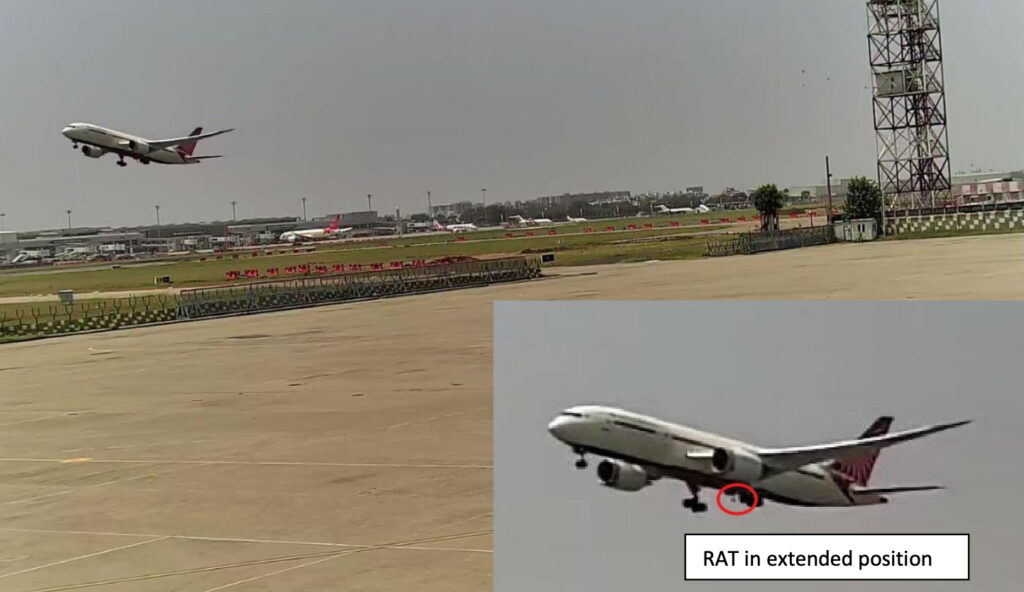
The investigation has grown into a broad international effort. India's AAIB leads, with the US NTSB and the United Kingdom's AAIB holding expert status alongside Boeing and engine maker GE. India's Ministry of Civil Aviation set 12 June 2026 as the deadline for the final report. As the anniversary arrives the families are still waiting for the document that might settle things. The new RAT evidence only sharpens the pressure on investigators to explain it.
A fleet on alert, a record broken
The ripple effects reached across the world almost at once. Etihad Airways and Singapore Airlines were among the carriers that moved quickly to inspect the fuel control switches on their own Dreamliners, unwilling to wait for certainty. For Boeing, the loss carried a particular sting, because this was the first fatal hull loss of a 787 since the type entered service. That spotless record had been a quiet point of pride for the programme, and now it is part of the story too.
Remembering the 260
Beyond the data and the diagrams sit 260 lives, and Ahmedabad has paused this week to honour them. Doctors at the Civil Hospital still speak of mounting one of the largest mass-casualty responses the city has ever seen, a day that began like any other and ended like no other. Tata Sons has since established the AI-171 Memorial and Welfare Trust for the victims and their families, while the Indian High Commission in London held its own service for a grieving diaspora.
For those families, the anniversary offers commemoration but little peace. A year of mourning has not delivered the one thing they have asked for from the beginning, which is a clear and honest account of what happened.
That, in the end, is the weight Flight 171 leaves behind. Aviation has always learned from catastrophe better than almost any other field, and the lessons of this accident will shape switch design, cockpit procedure and oversight for years. Until the final report lands, though, the hardest truth remains the simplest one. A modern, well-maintained airliner with two experienced pilots fell out of a clear sky, and the world still does not fully know why.
Have questions or want to share your thoughts?