Should passengers who take bags in an evacuation be banned?
By Josh Wood Fri Mar 13, 2026
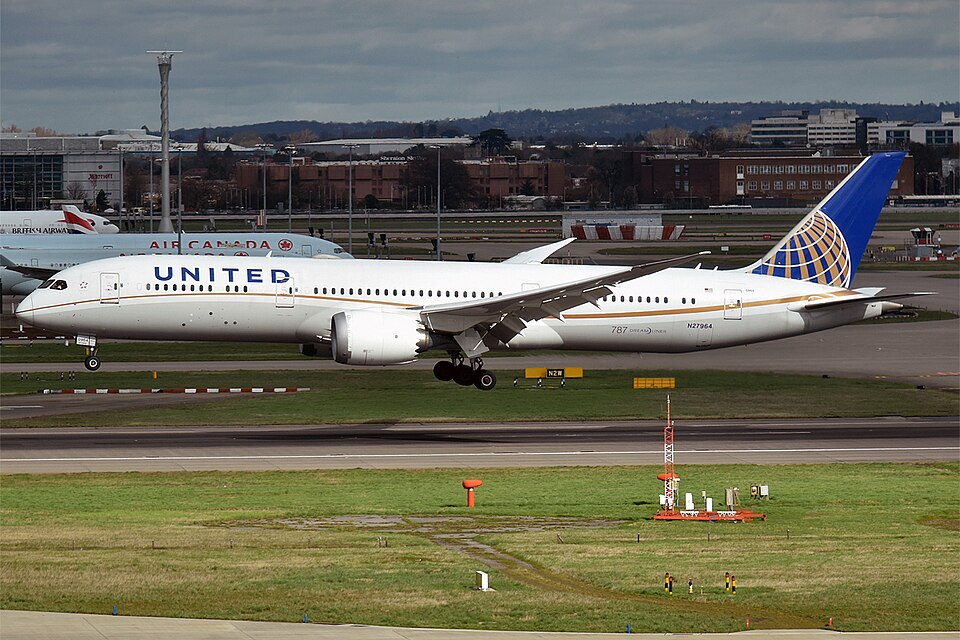
On March 2nd 2026, following an engine fire indication in the flight deck, a United Airlines Boeing 787-9 Dreamliner operating flight UA2127 from Los Angeles to Newark was forced to return shortly after departure
The aircraft, registration N24972, returned to Los Angeles International Airport, where the flight crew safely landed on runway 25L and initially vacated the runway without incident. However, after vacating the same fire indication reappeared, prompting a full evacuation of the aircraft via the emergency slides.
All passengers and crew evacuated safely with no injuries. However, footage of the evacuation has drawn worldwide attention, once again showing passengers leaving the aircraft with their carry-on bags, which slows down the process and puts lives at risk.
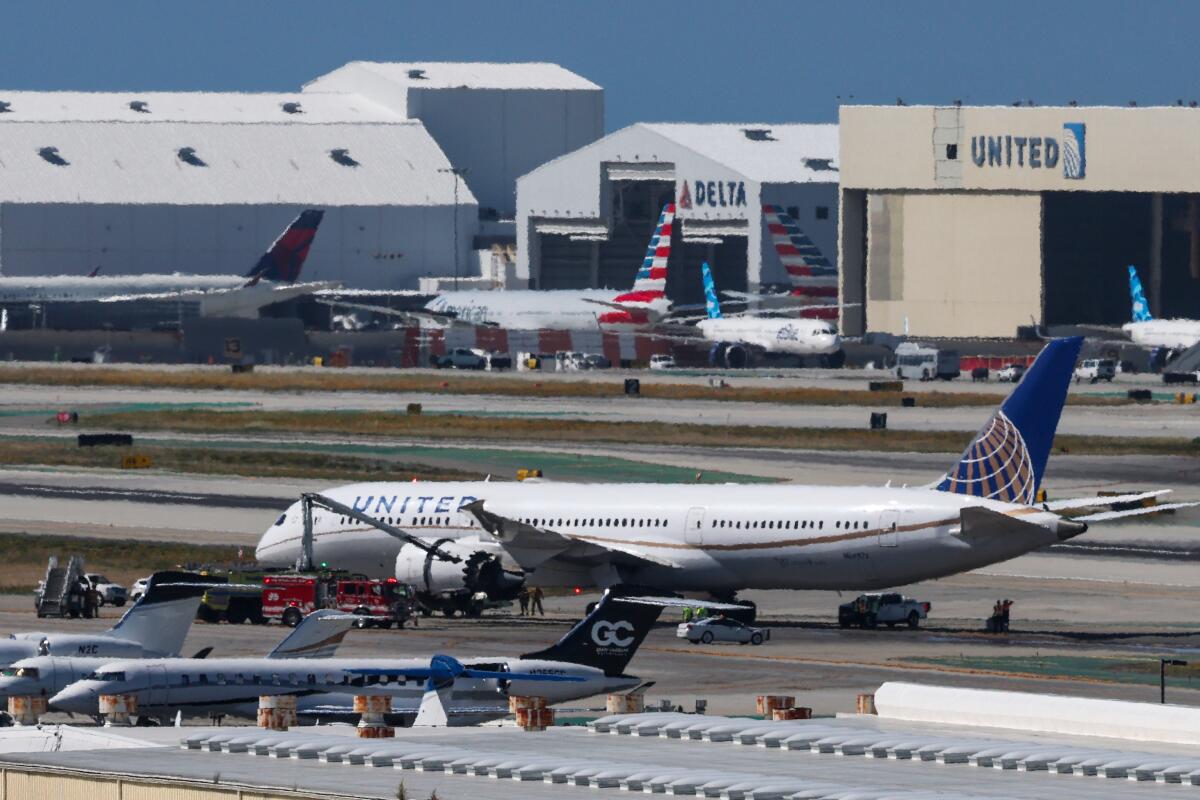
Passengers seen taking luggage during the evacuation
Video footage circulating on social media shows several passengers exiting the aircraft with personal belongings and carry-on baggage.
During safety briefings, all airlines state that passengers must leave their belongings behind during an evacuation and follow cabin crew instructions. Retrieving baggage from the overhead lockers can slow down the evacuation process and risk damaging the evacuation slides.
Aircraft certification rules require manufacturers to prove that a full aircraft can be evacuated within 90 seconds using only half of its exits, in darkness and under simulated emergency conditions. During certification of the Airbus A380 in 2006, more than 850 people evacuated the aircraft in just 78 seconds during a full-scale trial.
Not the first time passengers have taken baggage during evacuations
Similar scenes have been observed in previous aircraft evacuations, highlighting the ongoing challenge airlines face in ensuring passengers comply with crew instructions during emergencies.
In 2016, an evacuation of an Emirates Boeing 777 following a crash landing in Dubai showed passengers retrieving bags from overhead lockers despite cabin crew repeatedly shouting instructions to “leave the bags, jump on the slide”.
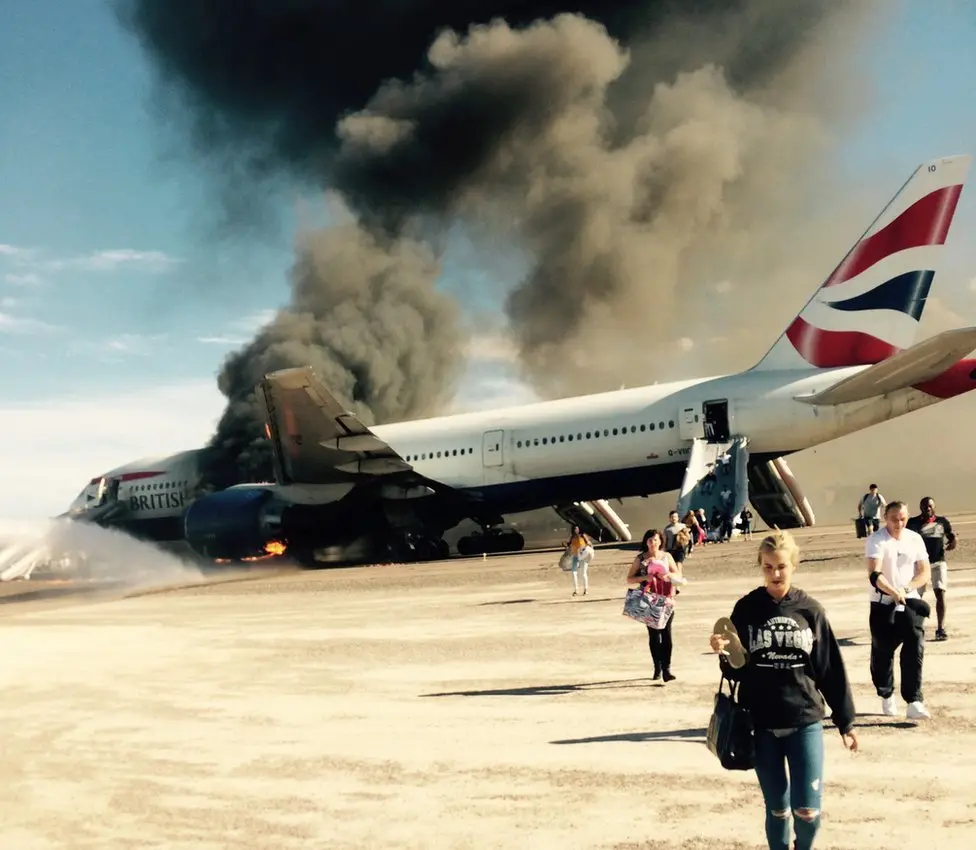
Similarly, video footage from the evacuation of a British Airways Boeing 777 after an uncontained engine failure and fire during take-off in Las Vegas shows several passengers exiting the aircraft carrying hand luggage.
In the USA, passengers on board a Delta Air Lines regional jet that crashed in Toronto in February were seen on video exiting the flipped plane with their belongings, and last July, when the landing gear of an American Airlines Boeing 737 caught fire at Denver International Airport, video captured passengers sliding out of the burning plane with luggage.
These incidents have sparked widespread debate within the aviation safety community about passenger behaviour during emergencies and the difficulties cabin crew face in enforcing evacuation procedures under highly stressful conditions. There are calls for passengers who take their bags during the unlikely event of an evacuation to be placed on a ‘no-fly’ list.
READ: The role of the passenger in aviation safety
While emergency evacuations remain rare in modern commercial aviation, the incident serves as a reminder of how quickly situations can escalate. Airlines and safety authorities across the industry consistently stress that during an evacuation, passengers must follow crew instructions immediately and leave all personal belongings behind. Even small delays in retrieving baggage can impact the speed and safety of an aircraft evacuation.
Incidents such as this are likely to reignite discussion within the aviation safety community about passenger behaviour during emergencies and the challenges cabin crew face in enforcing these procedures. However, despite repeated safety campaigns and high-profile examples from past evacuations, the question remains whether passenger behaviour will ultimately change when faced with the stress of a real emergency.
Have questions or want to share your thoughts?