Spirit Airlines faces imminent collapse as fuel prices soar

By Dev Lunawat Sat Apr 18, 2026
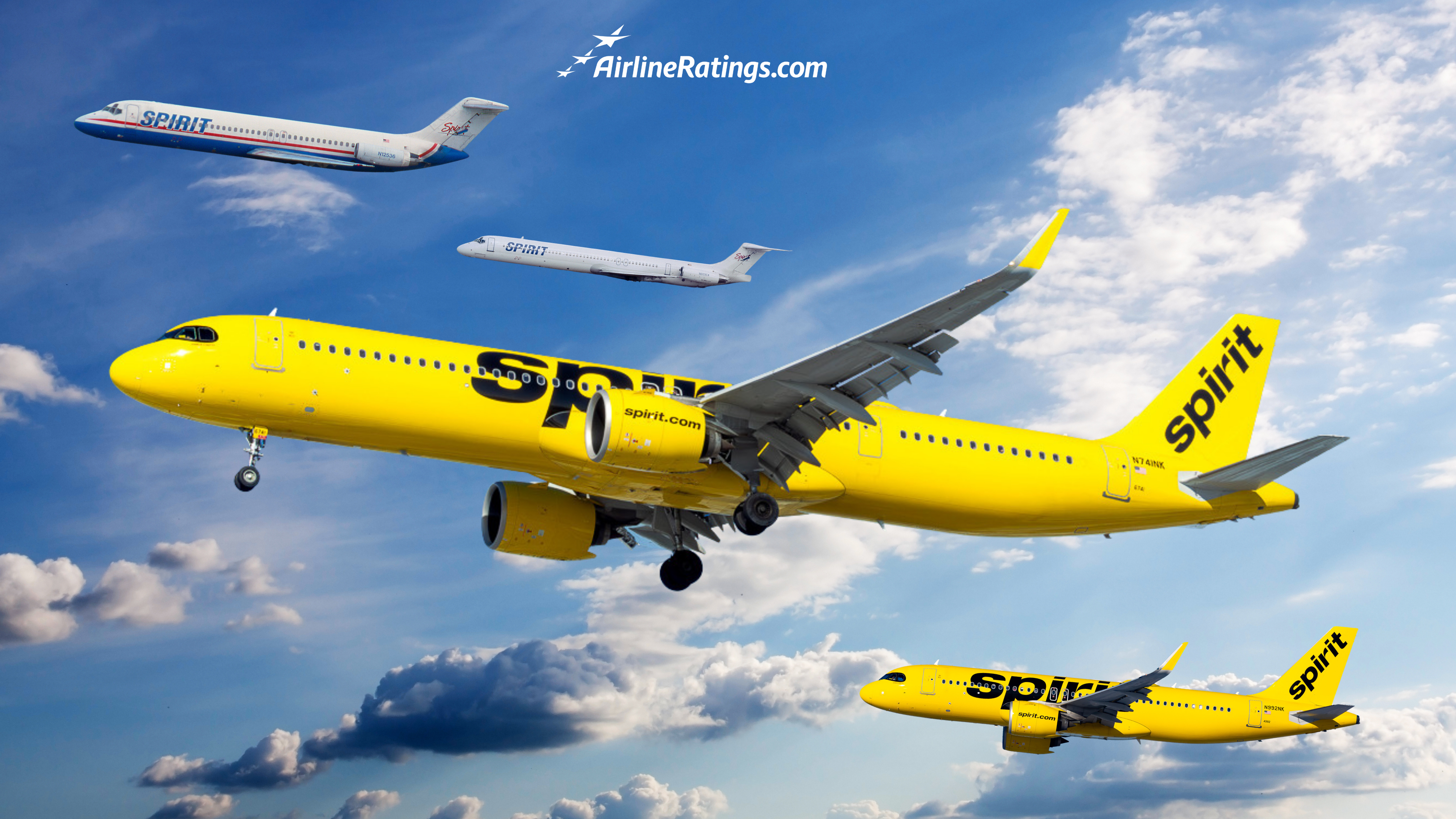
Spirit Airlines is on the brink of collapse, with operations potentially ceasing as early as this week. The ultra-low-cost airline has faced financial issues since COVID-19, which now threatens to ground its fleet permanently, leaving the future of its 12,000 employees in doubt.
While the airline reached a deal with lenders in February to exit its second bankruptcy in two years, that rescue plan has now failed. Reports from Bloomberg suggest the carrier is shifting from a plan to restructure its debt to a full closure of the business. This process, known as liquidation, would see the airline sell off all its assets to pay back creditors rather than trying to keep flying.
Years of financial instability have rocked Spirit Airlines
The recent conflict in the Middle East has increased fuel prices by 110%. For a budget airline that operates on razor-thin profit margins, these added costs have made it impossible to maintain a sustainable business. Spirit’s survival strategy was built on the assumption that fuel costs would remain stable.
Despite the optimistic outlook shared by CEO Dave Davis last month, who claimed the airline’s restructuring plan reflected “the confidence our lenders and noteholders have in our future”. The recent fuel hikes have placed the airline in a terminal position.
Spirit Airlines has never been able to recover fully from the global COVID-19 pandemic as travel patterns changed, and the airline struggled to profit with its thin margins. Before its current crisis, Spirit was already struggling to find its footing after a planned merger with JetBlue was blocked by regulators. That failed deal left the airline with a huge $7.4 billion debt and lease obligations, a burden that made Spirit’s survival as a standalone carrier impossible under its original capital structure.
Read: Rising fuel prices are pushing airfares up – what travellers need to know
Spirit’s transformations failed to turn a profit
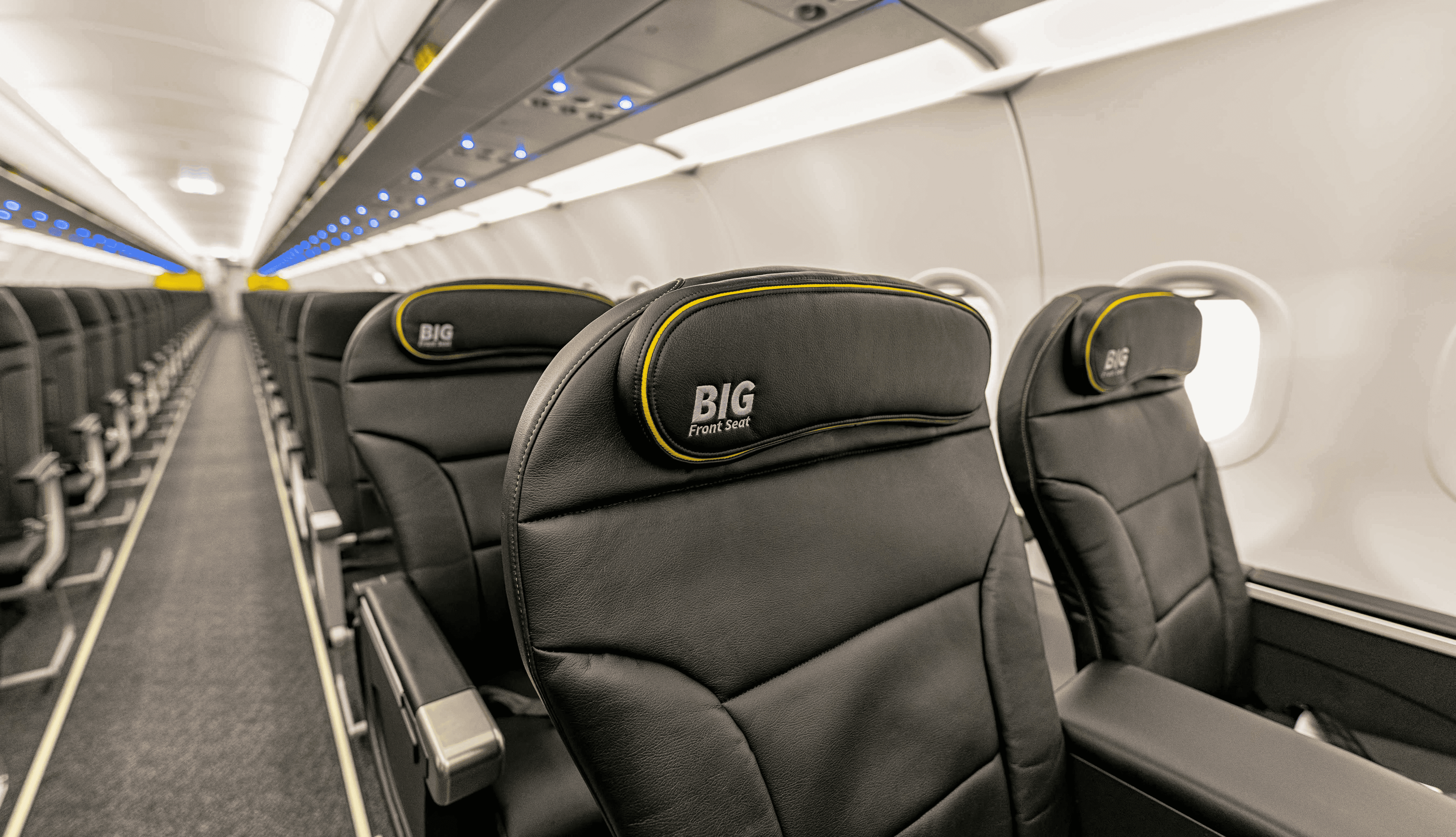
In a final attempt to attract more customers, Spirit abandoned its budget model. It introduced premium economy seating, its Big Front Seat, onboard Wi-Fi and bundled fares that included bags and snacks. This was a significant shift for a company that built its brand on selling the cheapest possible tickets and charging for extras.
This transformation came too late. The costs of upgrading the cabins and retraining staff, combined with the rising price of fuel, meant the airline was losing money on almost every flight. Creditors who were previously willing to support the airline now appear to have lost confidence in its ability to turn a profit in a competitive market in the US.
Spirit Airlines is a five-star rated airline
As part of its safety rating platform, including over 320 global airlines, AirlineRatings.com rates Spirit Airlines as a five-star rated airline. The airline has never had a fatal crash in its 33-year history, has no pilot-related incidents, is accredited through IATA’s Operational Safety Audit (IOSA) and has no European Union flight restrictions. However, we note that the airline is now less financially resilient should an incident occur.
Liquidation will cause widespread disruption
A Spirit shutdown would cause immediate disruption to the US travel market. The airline currently operates hundreds of daily flights, particularly across Florida and major cities like Las Vegas and Detroit. A sudden grounding would likely strand thousands of passengers and lead to a sharp increase in ticket prices as competition disappears.
Passengers with future bookings face a difficult outlook. If the airline liquidates, it is unlikely to provide direct refunds. We recommend that passengers contact their credit card providers to claim money back through chargeback schemes. While the airline maintains that it is flying as scheduled, the window for a rescue appears to be closing rapidly.
AirlineRatings.com will monitor this fast-moving situation and bring you factual updates as they emerge.
Have questions or want to share your thoughts?