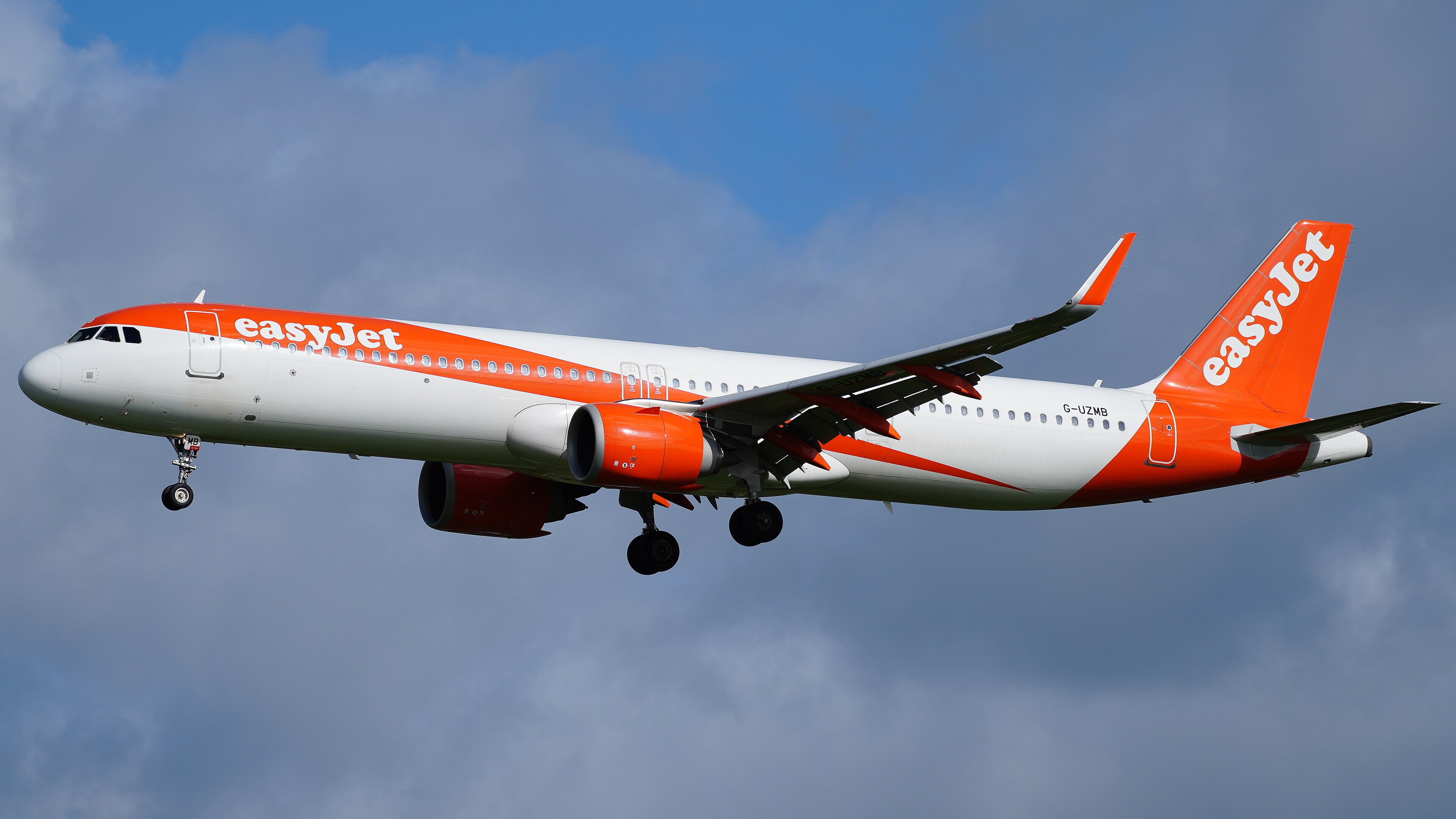
Is easyJet making a bad decision?

By Josh Wood Mon Jul 6, 2026
British budget carrier easyJet has agreed in principle to a £5.5bn takeover by US investment firm Castlelake, taking the UK’s largest airline into private ownership. The two sides reached agreement late on Sunday, after weeks of negotiations and four rejected offers.
The Castlelake deal would take easyJet into private ownership for the first time in its history. It is not a signed deal yet because EU rules require airlines to be majority owned and controlled by EU nationals. Castlelake’s answer is a bidding vehicle it owns 49 percent of, with the remaining 51 percent held by EU nationals, a structure some analysts flag as a potential hurdle.
easyJet was founded in 1995 by Sir Stelios Haji-Ioannou, who went on to build the wider easyGroup brand from 1998. The airline floated on the London Stock Exchange in November 2000, and in 2004 Iceland’s FL Group bought an 8.4 percent stake. FL later increased its holding to 16.9 percent, sparking takeover speculation that never materialised. It sold its stake in easyJet in 2006 for €325 million.
Why easyJet is being sold
easyJet has traded well below its late-2010s highs for years and had long been viewed as a takeover target. It looked especially vulnerable in 2026 after two profit warnings in the spring, compounded by the fuel-price surge from the war in Iran. Castlelake spotted its chance as the airline struggled with financial pressure and a sinking share price.
Castlelake, which knows the aviation industry well as a major lender and lessor to airlines, had been interested in easyJet for weeks. The Minneapolis-based private credit firm lifted its bid to 690 pence a share, up from an opening 560 pence in May, in its fifth buyout attempt. That final price is a 73 percent premium to easyJet’s closing price on 29 May, the day Castlelake first sparked its interest, and a premium of that size is hard for any board to turn down.
easyJet is one of Europe’s biggest airlines and is locked in fierce competition with Ryanair. Its lucrative slots at London Gatwick, Paris Charles de Gaulle and Geneva make it an appealing target for any buyer. The underlying business is in decent shape despite this year’s headwinds, with a strong, investment-grade balance sheet and pre-tax profit up 46 percent over two years as it has recovered well from the COVID-19 pandemic.
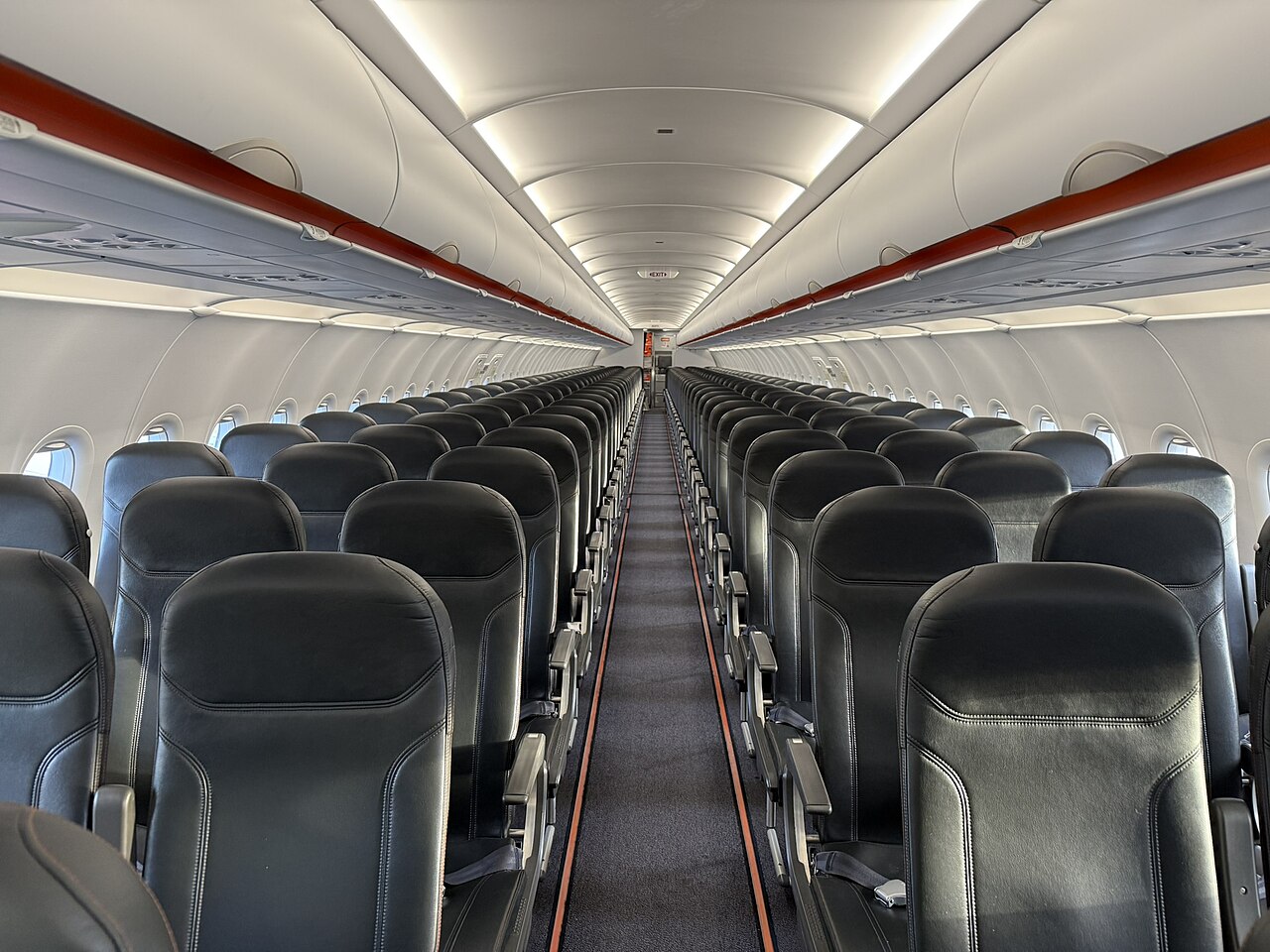
READ: Europe is dominated by low-cost carriers, but which one is better?
easyJet’s financial history
Like most airlines, easyJet has had a tough year, with oil prices up due to the war in Iran. In the six months to March 2026 it reported a headline pre-tax loss of £552 million, deeper than the £394 million loss a year earlier, dragged down by higher fuel costs and a competitive market.
Financial year (to 30 Sep) | Revenue (£m) | Headline profit/(loss) before tax (£m) | Profit/(loss) after tax (£m) | Passengers carried (m) |
2016 | 4,669 | 494 | 437 | 73.1 |
2017 | 5,047 | 408 | 305 | 80.2 |
2018 | 5,989 | 578 | 358 | 88.5 |
2019 | 6,385 | 427 | 349 | 96.1 |
2020* | 3,009 | (835) | (1,079) | 48.1 |
2021* | 1,458 | (1,136) | (858) | 20.4 |
2022* | 5,769 | (178) | (169) | 69.7 |
2023 | 8,171 | 455 | 324 | 82.8 |
2024 | 9,309 | 610 | 452 | 89.7 |
2025 | 10,106 | 665 | 494 | 93.4 |
*COVID-19 pandemic. All figures cover easyJet’s financial year to 30 September, with profit before tax shown on a headline basis.
Over the past decade, easyJet’s financial history has been dramatic, with a growth trajectory through the 2010s. Between 2016 and 2019, revenue increased from £4.7 billion to £6.4 billion and carried a record 96 million passengers. However, as its fleet was grounded amid the global COVID-19 pandemic, easyJet’s revenue plummeted to £3 billion in 2020 and just £1.5 billion in 2021. The airline hit rock bottom and suffered its first loss in its history, flying only 20 million passengers in 2021. It was unclear if the airline would survive, but it did.
easyJet’s rebound has been striking, reaching a record revenue of £10.1 billion in 2025, boosted by the fast-growing easyJet holidays business segment, which delivers significant profit for the group. The airline managed to turn its biggest period of uncertainty into its most successful one, reinstating its dividend, and it has set a medium-term goal of topping £1 billion in annual pre-tax profit. With this year’s setback aside, that strong recovery is a big part of why the board insisted Castlelake was trying to buy the airline on the cheap.
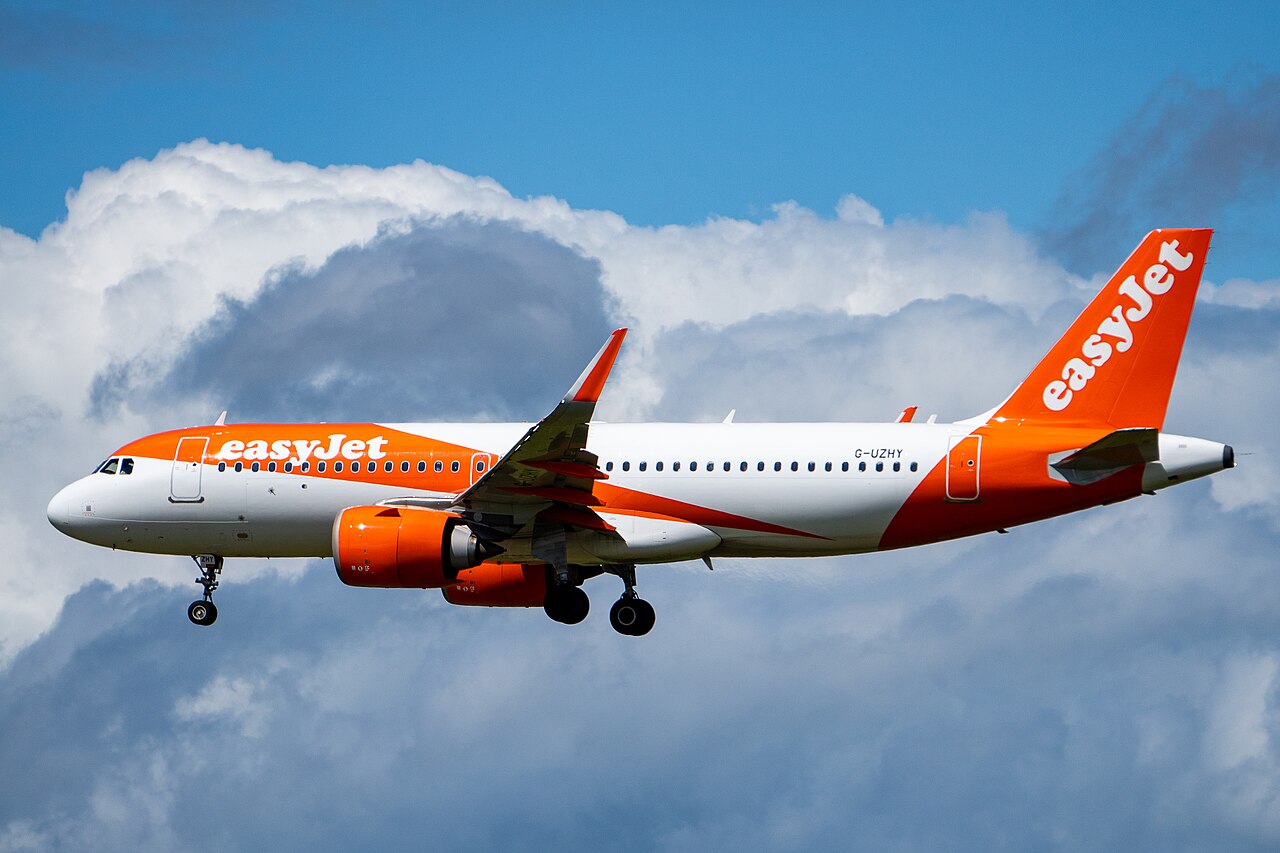
What happens next?
For now, nothing has been signed, and Castlelake has until 5 pm on August 3 to complete the deal or walk away with nothing. The market is still not convinced this deal will go through due to EU ownership rules, and the backing of easyJet shareholders is vital.
Sir Stelios and his family, who still retain a 15 percent share, are set to walk away with £800 million, and their support is likely to prove pivotal. Whether Castlelake acquires easyJet or not, easyJet’s success story is robust, and it remains one of Europe’s strongest low-cost carriers.
Have questions or want to share your thoughts?