Europe is dominated by low-cost carriers, but which one is better?
By Josh Wood Thu Apr 30, 2026
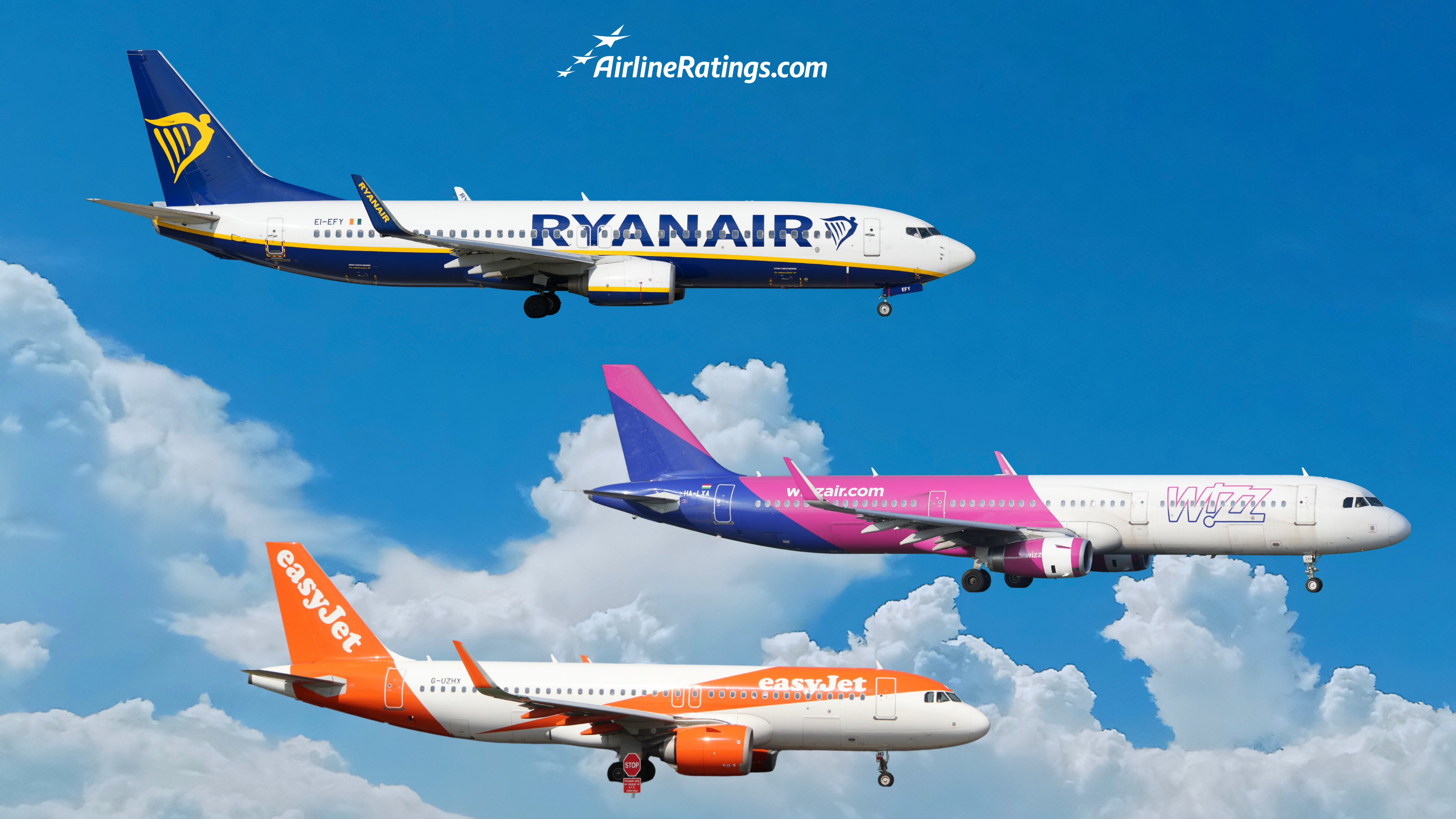
They all offer cheap unbundled fares across Europe, they all charge for bags, and none of them recline their seats. But Ryanair, easyJet, and Wizz Air are more different from each other than their price tags suggest.
Low-cost carriers represent over 50% of the aviation market in Europe, and these three dominate it. In the year ending March 2025, Ryanair carried an astonishing 202 million passengers, which is more than easyjet and Wizz Air combined. Each airline pursues different strategies, serves different passengers and delivers different experiences.
Ryanair Group
647 active aircraft with 150 firm orders and 150 options
235 destinations served
easyJet
356 aircraft with 290 firm orders
160 destinations served
Wizz Air
243 aircraft with 273 firm orders
200 destinations served
.jpg)
Scale and route networks
By a considerable amount, Ryanair is the biggest of the three not only in Europe, but also one of the largest budget carriers globally. In the full year up to March 2025, the Irish low-cost airline carried 202 million passengers, over 50 million more than the full year ending March 2020, before COVID-19. In comparison, easyJet carried 95.5 million and Wizz Air 64 million in the same full year ending March 2025. This vast difference in passenger numbers is because Ryanair offers a higher frequency on popular routes, aided by its large fleet of over 600 aircraft.
The difference in strategic approach matters as much as passenger figures. easyJet’s CEO, Kenton Jarvis, remarked that 70% of the airline’s flights compete with full-service legacy carriers rather than just low-cost airlines, and that the airline operates mostly from primary airports in major cities.
Ryanair takes the opposite approach, favouring secondary airports which offer lower handling fees, often up to 90 minutes away from city centres. A prime example of this is Frankfurt Hahn Airport, located 156 kilometres away from the city centre.
Wizz Air’s network is centred towards Central and Eastern Europe, with a longer average sector length compared to its rivals, reflecting its dominance and focus on cities such as Budapest, Bucharest and Warsaw to Western European destinations.
For summer 2026, the three airlines are following distinct and different expansion strategies. Ryanair is opening new bases in Tirana, Rabat and Trapani while leaving high-tax markets. easyJet is broadening its regional connections from secondary UK cities with 16 new routes from 8 British airports. Wizz Air has faced financial difficulties of late, receiving a financial warning in March 2026, despite 12.5% growth in passenger numbers this year. The airline is not growing as much as the other two, concentrating on Sicily and Bulgaria.
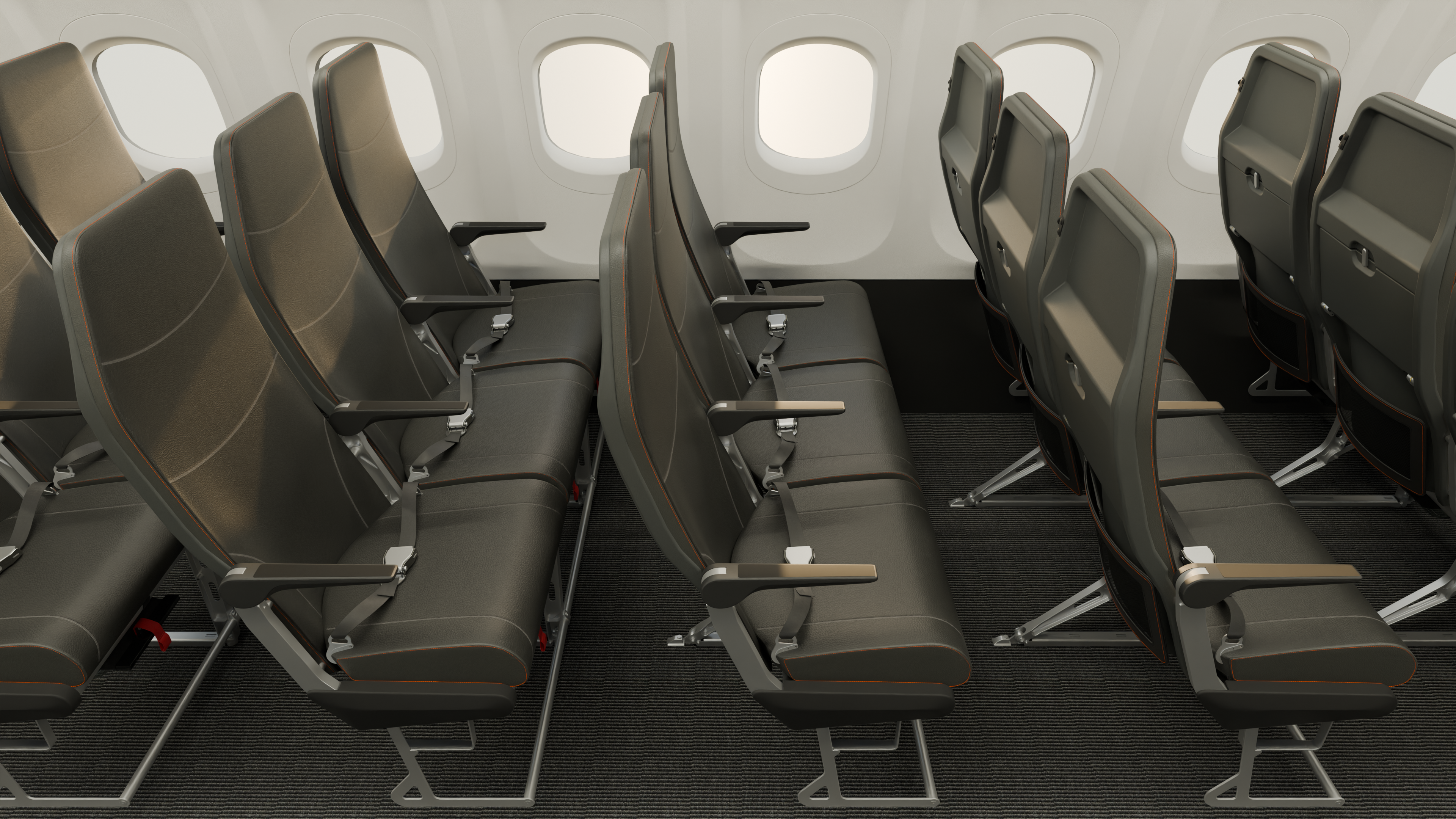
The cabin: seat pitch, width, and comfort
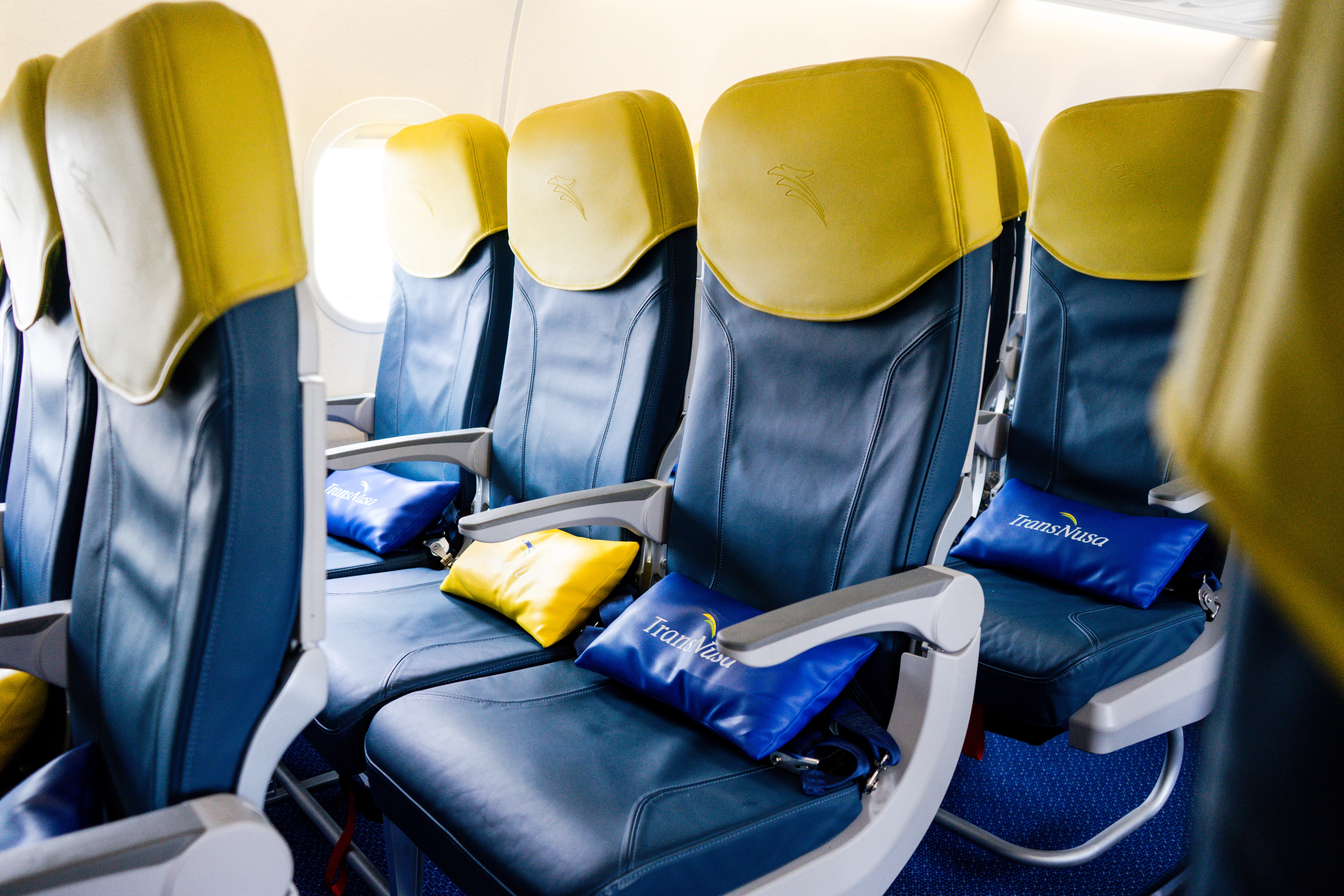
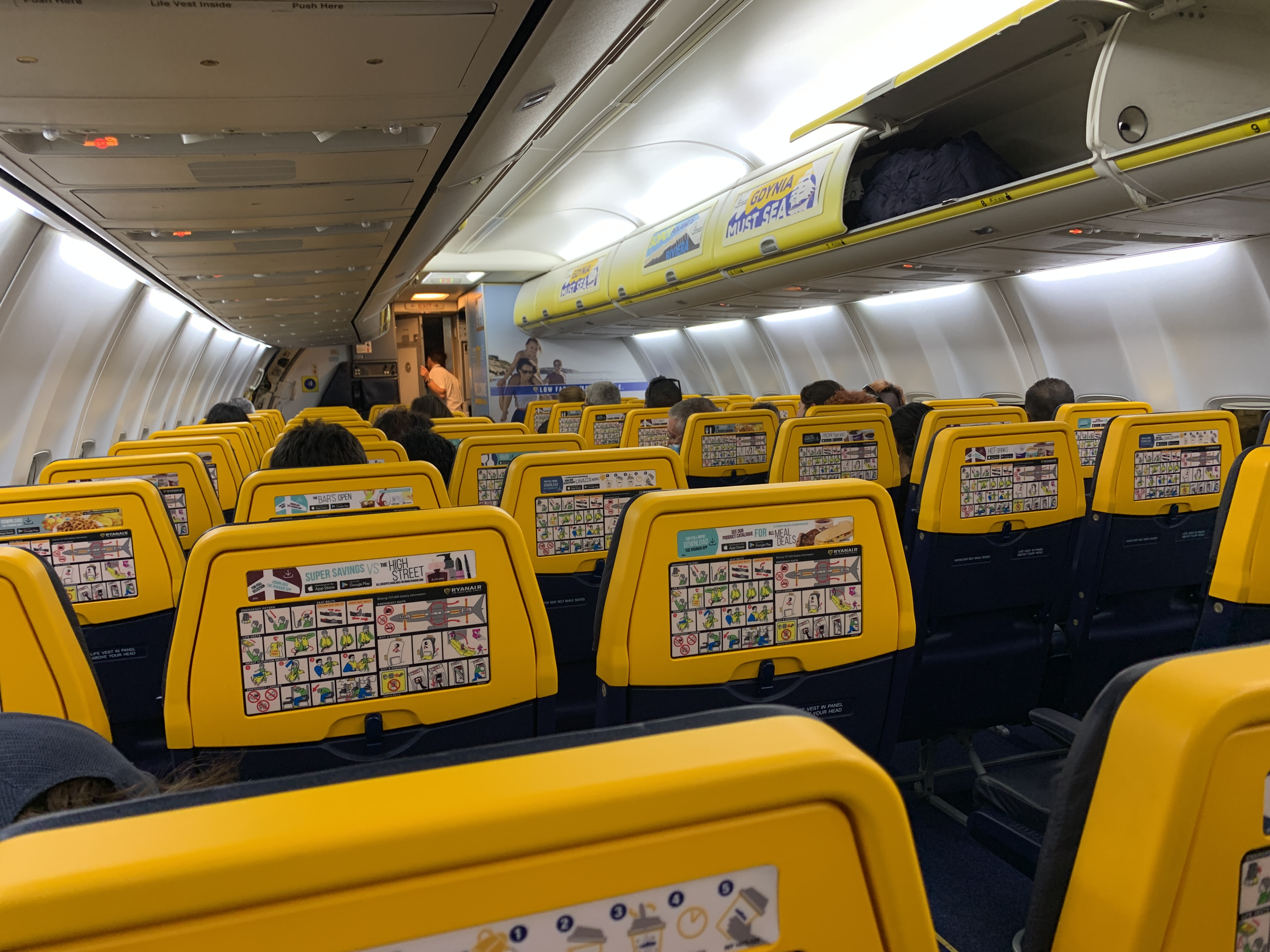
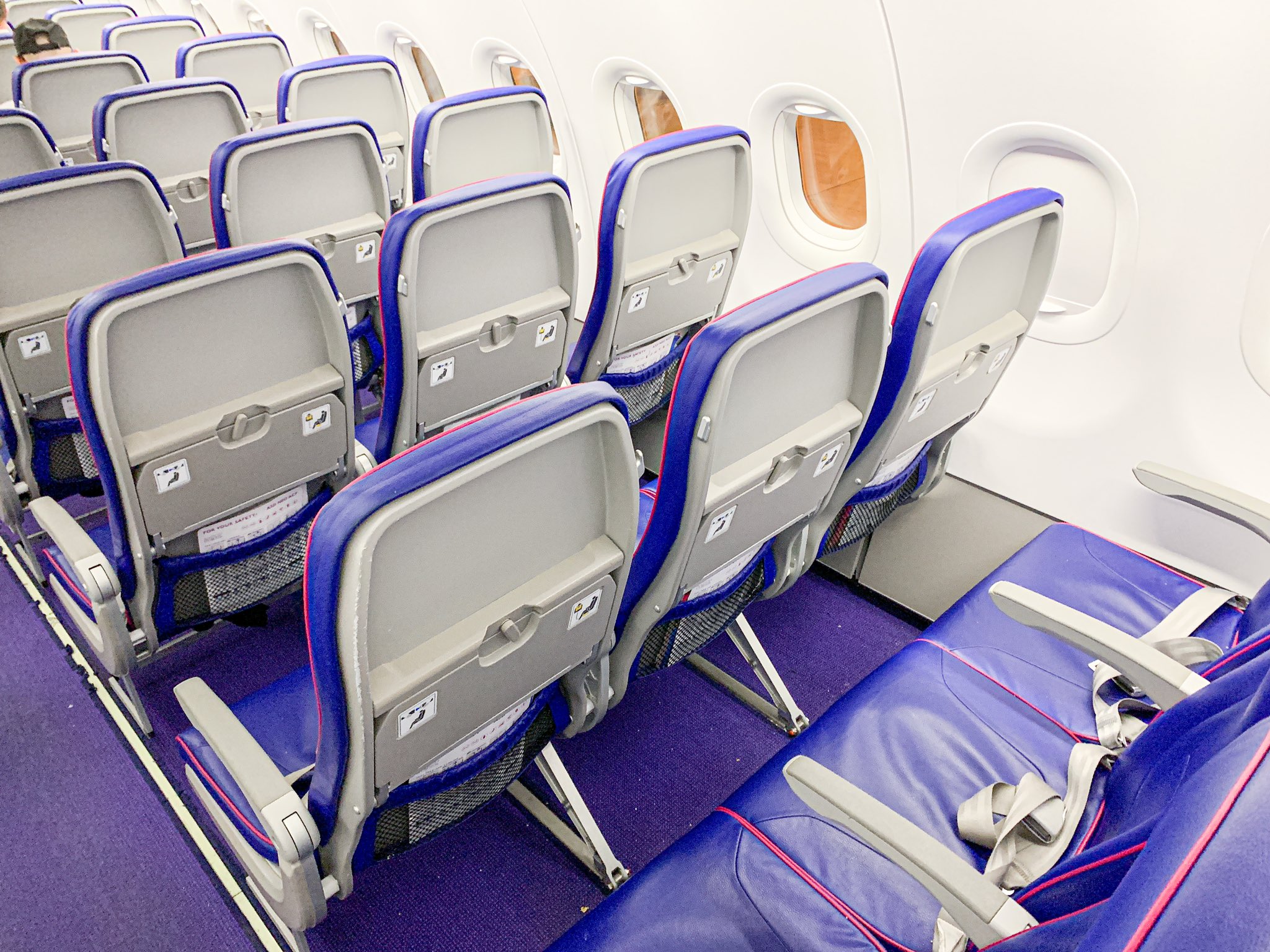
All three airlines configure their aircraft in a dense all-economy cabin with no reclining seats, and the onboard experience and comfort they offer are similar. According to AeroLOPA, each airline has the following seat dimensions.
Ryanair
Boeing 737-800 and 737-MAX 8-200 aircraft
29 inches of pitch on 737-800 and 28 inches on MAXs
17 inches of width on all aircraft
easyJet
Airbus A319, A320, A320neo and A321neo aircraft
28 inches of pitch on A319 and 29 inches on Neos
18 inches of width on all aircraft
Wizz Air
A320, A320neo, A321, A321neo and A321XLR aircraft
30 inches of pitch on A320, and 28 inches on all other aircraft
18 inches of width on all aircraft
The main difference comes from the aircraft type and the airport. easyJet’s preference for primary airports means less bussing to remote stands and shorter walks to the gate. Ryanair’s secondary airport strategy cuts fares but adds journey time at both ends. Wizz Air sits in between, operating from both primary and secondary airports depending on the market.
Baggage is where the costs start to rise
This is where the three airlines are most similar and where headline fares become most misleading.
easyJet includes a cabin bag of 45 x 36 x 20cm for free with every fare, which must fit under the seat in front. Historically, easyJet offered a free larger cabin bag in addition to a smaller bag, but this was dropped in 2021 to compete with other European low-cost airlines. Ryanair’s free allowance is a smaller under-seat bag of 40 x 30 x 20 cm with no weight limit. Wizz Air’s free under-seat bag is 40 x 30 x 20 cm, like Ryanair.
To take a larger bag into the overhead locker, all three airlines charge a premium. Which? research found that average baggage fees were €23.65 with Ryanair, €33.37 with Wizz Air, and €34.60 with easyJet.
Not one of the airlines offers a free checked-in bag, a practice adopted by many airlines, including legacy carriers such as British Airways. Ryanair, easyJet, and Wizz Air use a dynamic pricing strategy, meaning hold baggage costs vary. Generally, a 20kg checked bag costs between €15-€52 with Ryanair, €9.20-€91.10 with Wizz Air, and €8.10-€43.80 with easyJet, depending on the route, demand and season. Like most added extras, it is always cheaper to add at the time of booking.
The hidden fees that catch passengers out
Beyond baggage, all three airlines charge for seat selection, and costs vary more than most passengers realise. easyJet’s seat selection ranges from around €9.80 to €15 for standard seats. Ryanair charges up to €12.10, and Wizz Air is the most expensive, up to €19. Opting out of seat selection is possible on all three airlines, but Ryanair and Wizz Air are known for splitting up travellers on the same booking.
Airport check-in charges are where passengers are mostly caught off guard. Ryanair charges €55 per person to check in at the airport. This is not a baggage fee but a penalty for not checking in online before arriving. Wizz Air charges €33 per person unless a higher fare bundle has been purchased. While easyJet does not operate airport check-in desks, the airline allows free bag drop off for passengers who cannot check in online, representing the most passenger-friendly policy.
All three airlines charge fees for name changes and amendments that can quickly exceed the value of the original ticket. The best practice is to ensure the name on the booking matches the passport exactly to avoid high correction fees.
For food and drinks onboard, none of the three airlines include anything complimentary in the ticket price, a general industry practice for budget carriers. Ryanair’s onboard prices include water at around €3, hot food from €5 and alcoholic drinks from €4. easyJet charges similarly, with water from €2.50, hot food and alcohol from €6. Wizz Air is marginally cheaper, with hot and soft drinks from €2 and alcohol from €3.
Safety remains paramount for all airlines
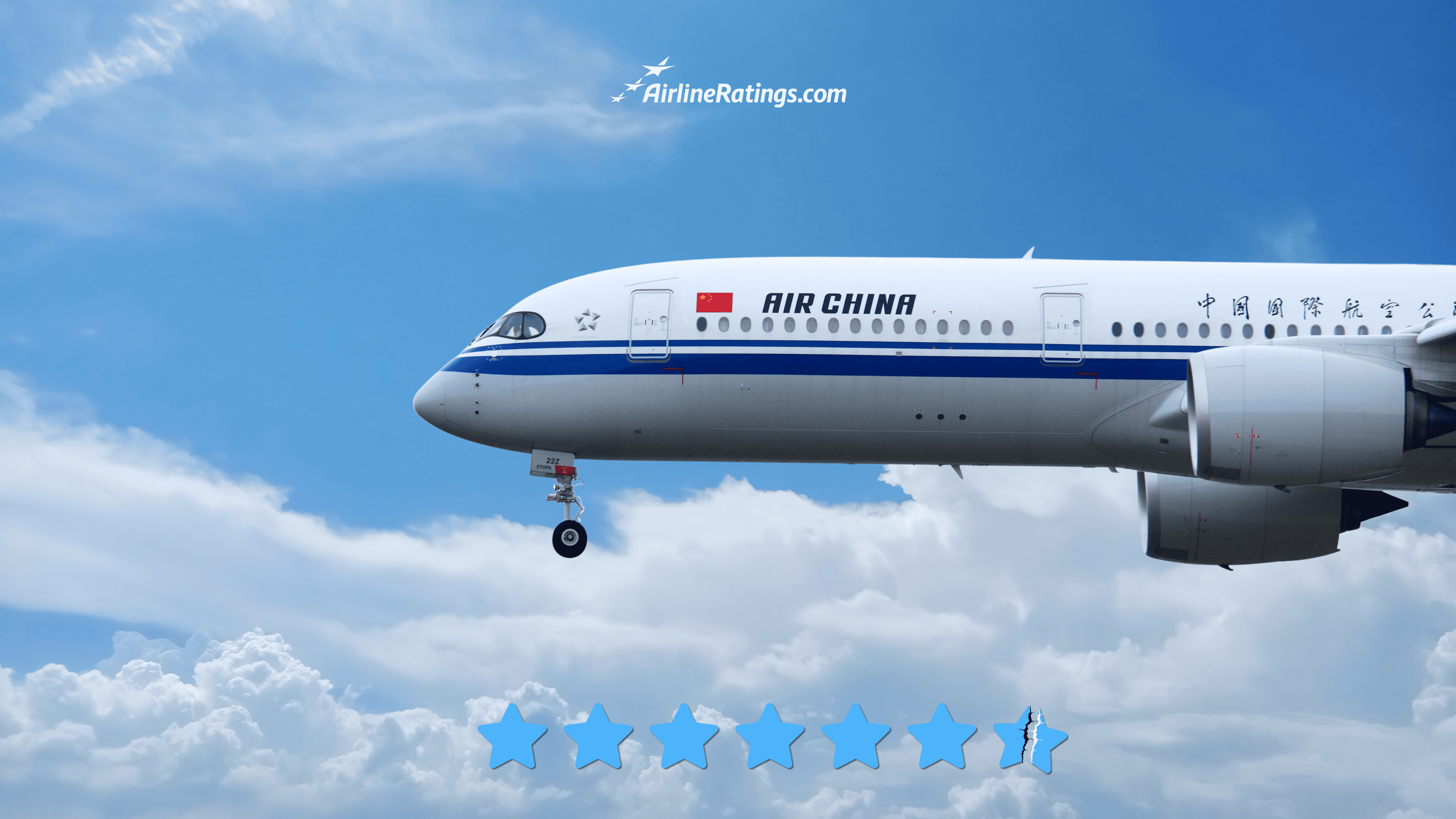
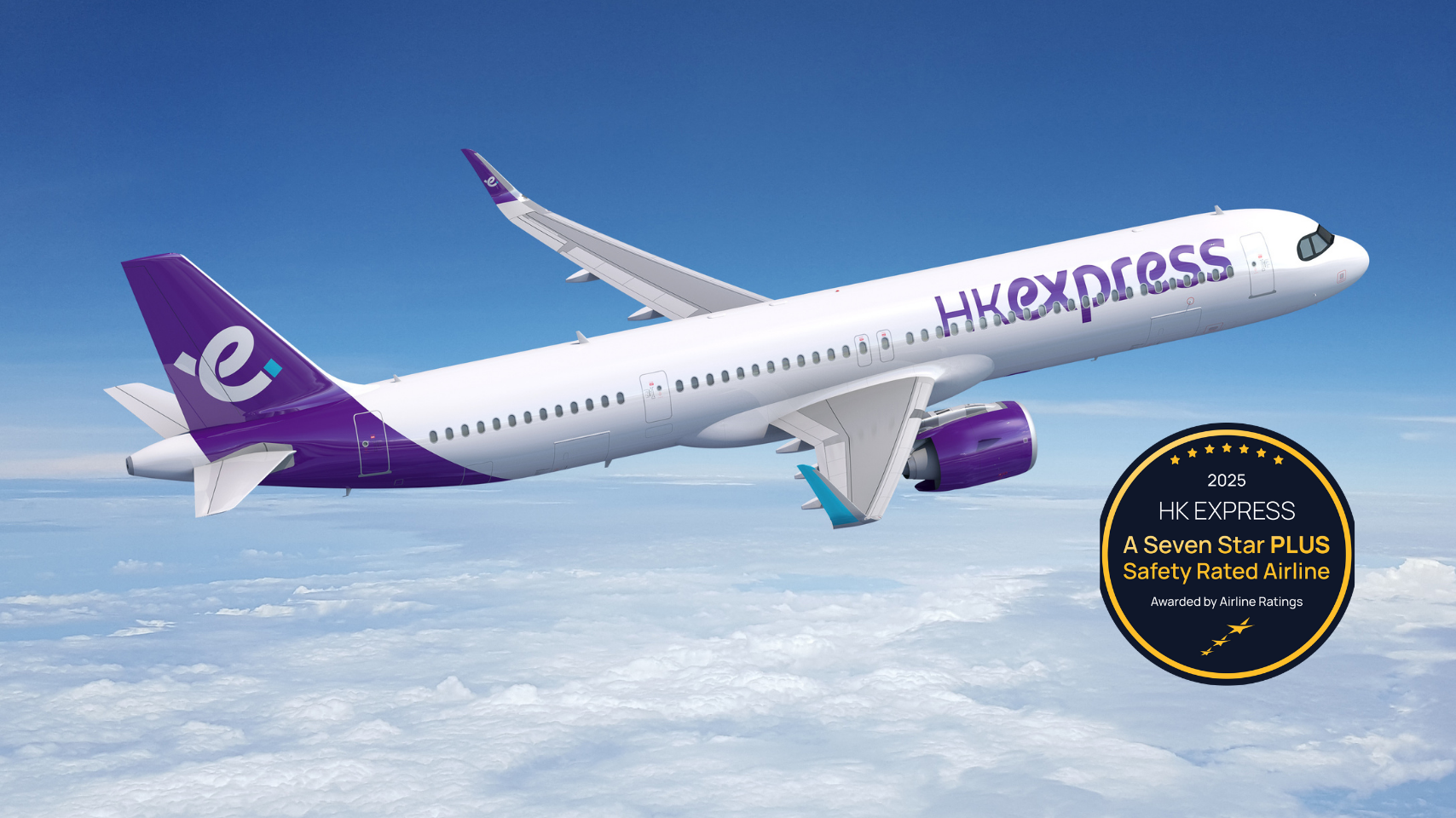
All three airlines hold strong safety records. AirlineRatings.com rates each airline with a Seven Star Safety rating as part of its independent safety ratings programme covering over 300 global airlines.
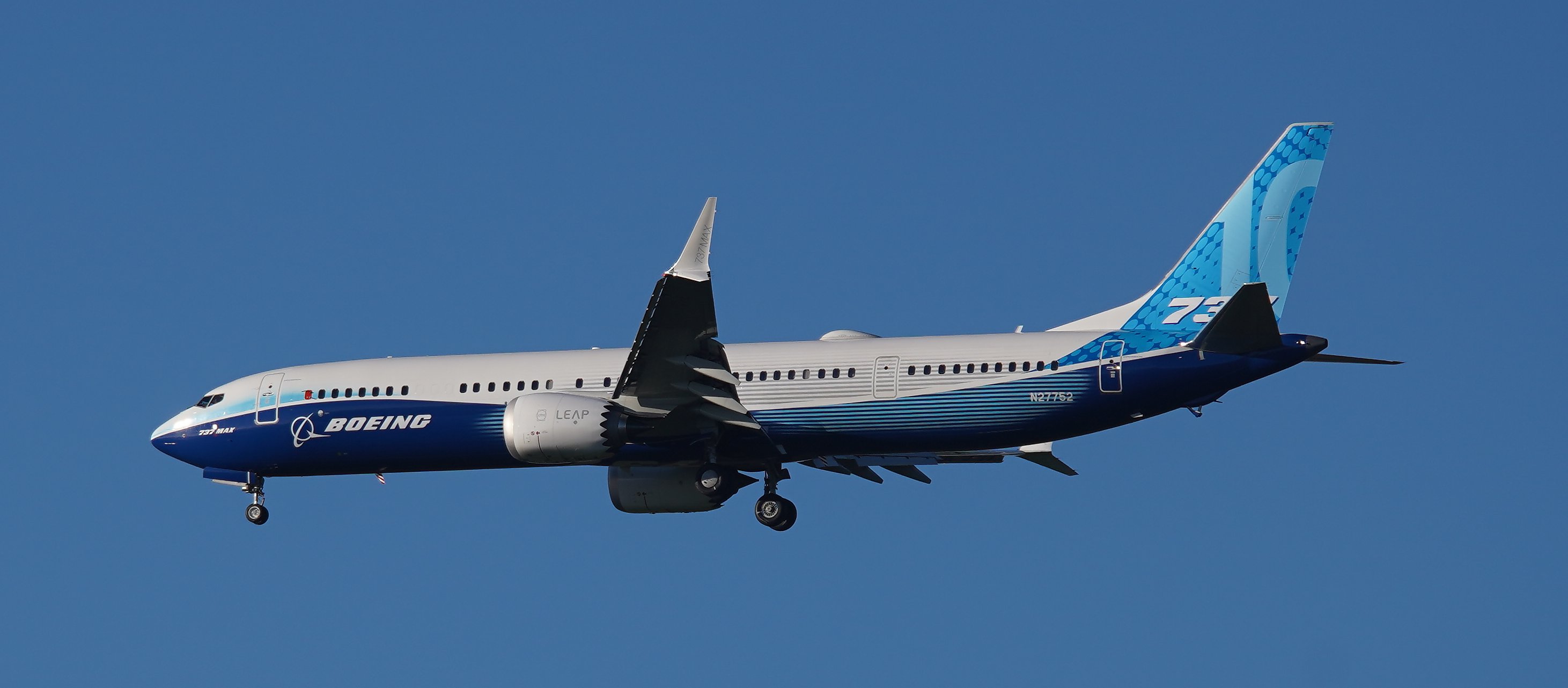
Ryanair’s fleet modernisation programme completed delivery of all 210 Boeing 737 MAX 8-200 aircraft in February 2026, representing a $22 billion investment which has significantly reduced its average fleet age. easyJet and Wizz Air both operate the Airbus A320 family with strong safety credentials. None of the three airlines has experienced a fatal accident in their operating histories.
Value for money: which budget giant actually wins?
The honest answer depends entirely on how passengers fly. Purely on fares, Ryanair and Wizz Air compete most aggressively on price, but a Ryanair fare can easily increase to more than an easyJet fare at each end.
easyJet’s slightly higher base fares often reflect its primary airport preference and more generous free bag allowance. For passengers who carry luggage, it frequently delivers better total value than its headline price suggests. Wizz Air’s strongest case is for travellers based in Central and Eastern Europe, where it offers the widest network at the lowest fares, and its All You Can Fly membership is one of the most underrated value products in European aviation.
The most useful advice is to calculate the all-in fare before booking, based on what extras like baggage and seat selection are needed. Do that, and the right airline usually becomes obvious. None of them will pamper passengers, but all of them will fly passengers safely.
Have questions or want to share your thoughts?