India’s new game changer airport: Navi Mumbai

By Dev Lunawat Thu Mar 26, 2026
Anyone who has spent time circling above Mumbai waiting to land knows the reality that the city’s aviation infrastructure has been stretched to the limit for decades. Chhatrapati Shivaji Maharaj International Airport (BOM) has served as the sole gateway to India’s financial capital for years, operating well beyond its intended capacity.
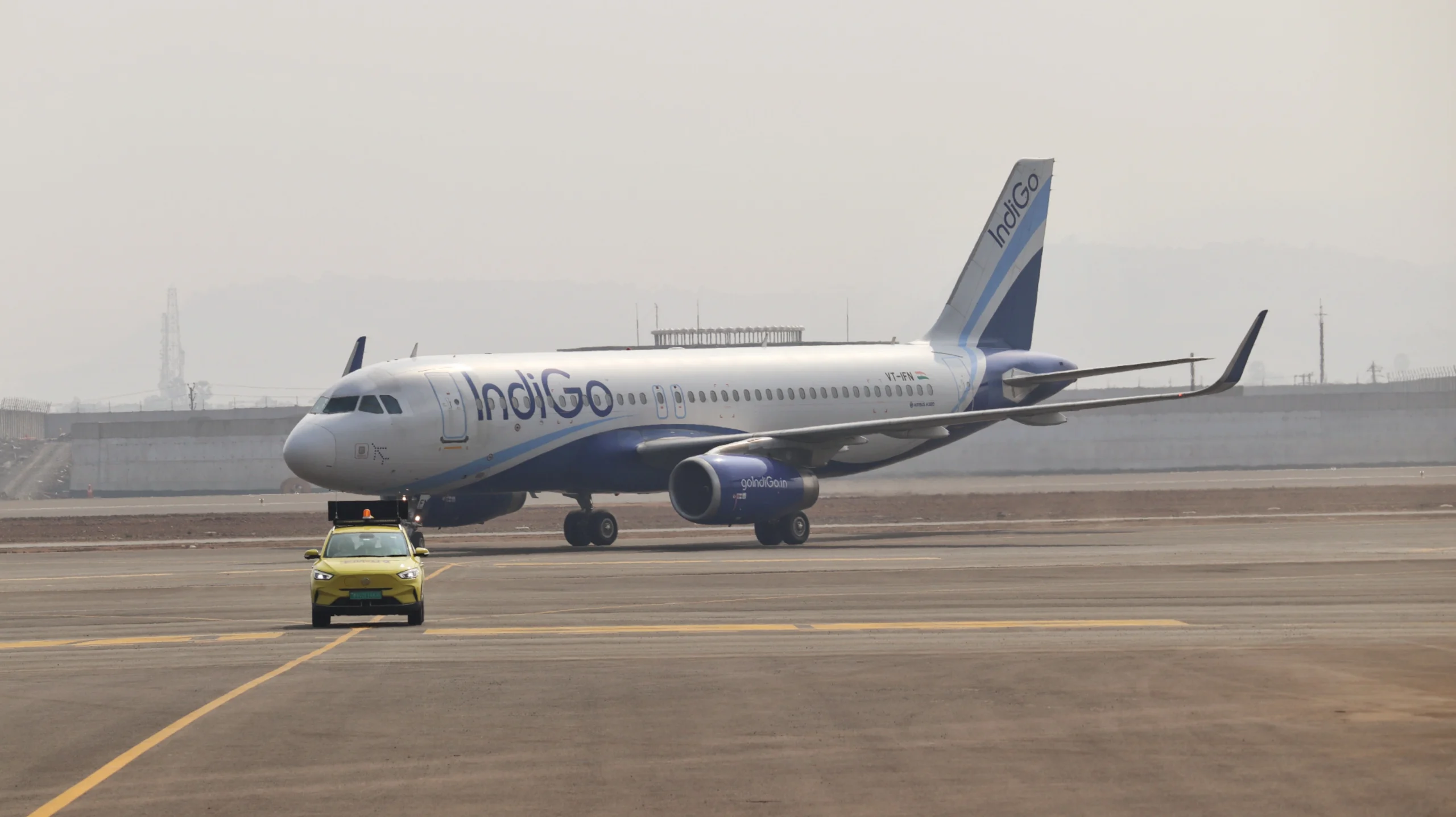
All changed on December 25, 2025, when the first commercial flight, an IndiGo service from Bengaluru, landed at the newly opened Navi Mumbai International Airport (NVI). This is not simply a new airport; it marks the long-awaited start of a dual-airport system that will enable Mumbai to unlock its growth potential.
Mumbai has needed a new hub for decades
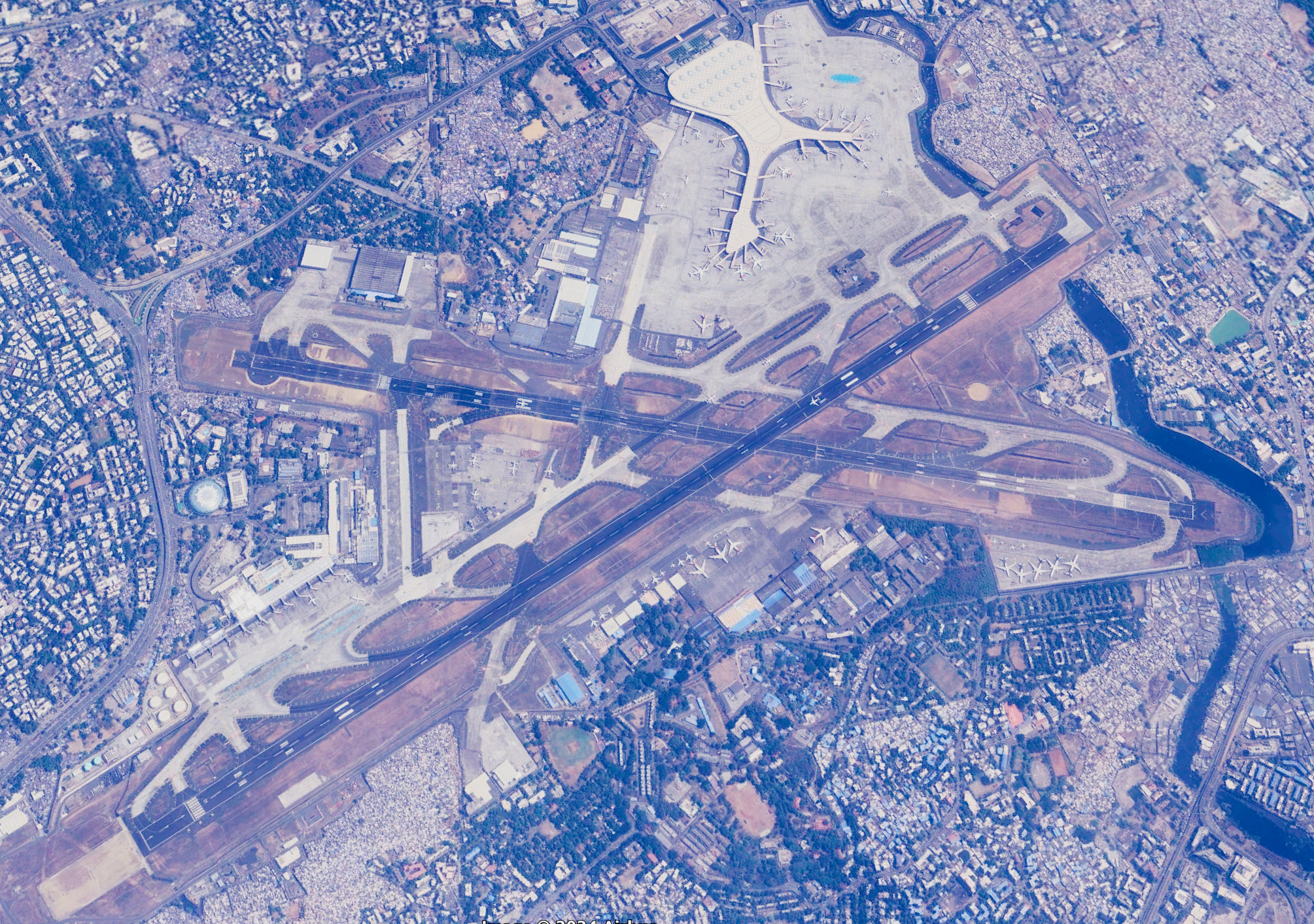
Mumbai’s existing airport has long been one of the most operationally constrained across the globe. Its intersecting runway system limits aircraft movements and runway efficiency, meaning capacity has been capped at around 55 million passengers annually.
The consequences have been clear with elevated fares, restricted flexibility, and limited opportunities for airlines to expand or enter the market in one of India’s most important cities.
Navi Mumbai changes that dynamic by acting as a relief airport, allowing for the redistribution of domestic and low-cost traffic, immediately easing pressure on the existing hub and creating room for future growth. With demand for air travel in India continuing to surge, this additional capacity is essential for the city’s future.
A Lotus in the heart of Navi Mumbai
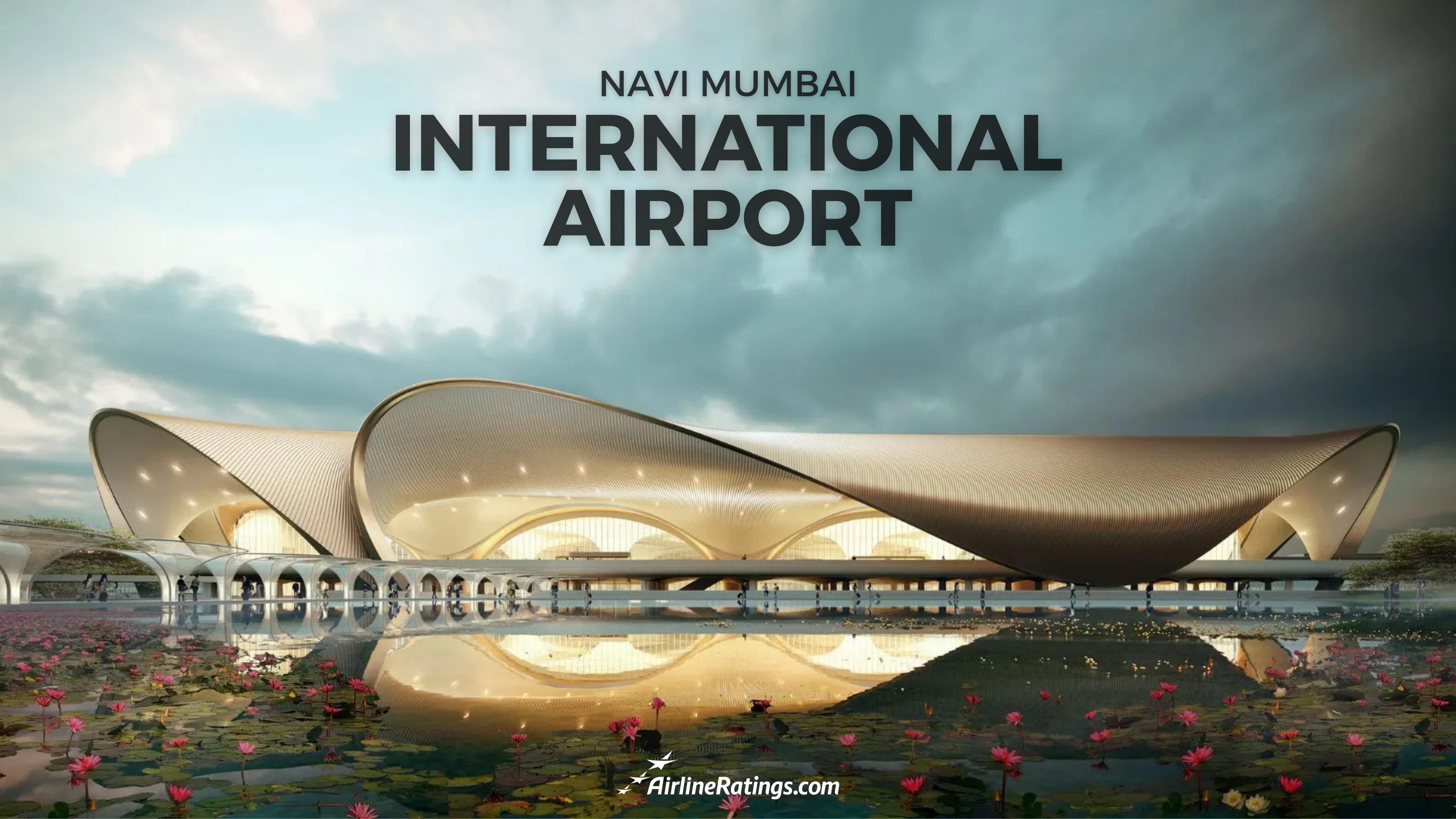
The new airport makes an immediate impression. Designed by Zaha Hadid Architects, the terminal draws inspiration from the lotus flower, blending cultural symbolism with modern architectural ambition.
However, the design is more than visual. The sweeping, open-plan layout creates space, addressing one of the biggest constraints of the old airport – congestion. Passenger flow is more intuitive, circulation is smoother, and the overall experience feels significantly less constrained.
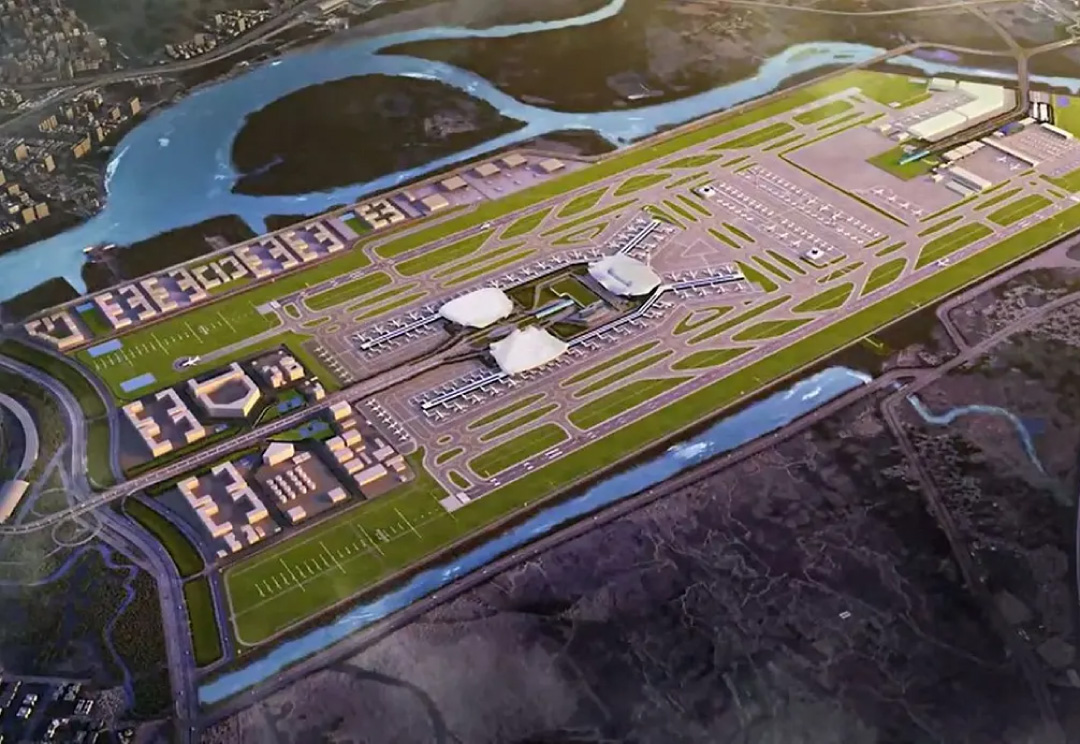
Navi Mumbai Airport currently operates a single 3,700-meter runway, capable of accommodating the largest commercial aircraft, including the Airbus A380.
Phase 1 delivers capacity for 20 million annual passengers, but this represents only the first step in a much longer-term vision.
Scaling to 90 million passengers
Operator Adani Group has already outlined an aggressive expansion roadmap. Phase 2 is expected to start shortly after the 2026 monsoon season, with full completion aimed for the early 2030s.
Once fully developed, the airport will feature:
Two parallel runways enable simultaneous take-offs and landings.
Four interconnected passenger terminals
A dedicated facility for VVIP and private aviation
At full capacity, Navi Mumbai is expected to handle 90 million passengers per year. Combined with BOM, the total system capacity will reach 140 million, rivalling aviation hubs such as London, New York, and Dubai.
Airline shift is already underway
The shift in traffic has already begun. In the initial months of operation, several key airlines have established a major presence:
IndiGo, India's largest carrier, was the first to land and continues to dominate the schedule with flights to over 15 domestic cities.
Air India Express and Akasa Air are using the new airport to launch routes that were previously impossible due to slot constraints at the old airport. Air India Express plans to operate over 55 daily departures by mid-2026, including its first international services from the new hub.
Flag carrier Air India still operates its international long-haul flights from the old airport. It is expected to move significant domestic and regional
Public transport connectivity concerns addressed
One of the biggest concerns surrounding Navi Mumbai has always been accessibility, particularly from South Mumbai. That is now being addressed through major infrastructure investment.
The Mumbai Trans-Harbour Link (Atal Setu) has already reduced journey times to around 20-30 minutes from the city centre.
In parallel, Metro Line 8, more commonly known as the ‘Gold Line’, is under development and will provide a direct rail connection between the two airports, enabling seamless transfers in 30 minutes.
A new role for Mumbai’s old airport
Chhatrapati Shivaji Maharaj International Airport is not being closed and demolished; it is being repositioned to complement Navi Mumbai.
The opening of Navi Mumbai has created the opportunity for a long-overdue transformation of the existing airport. In late 2025, demolition on Terminal 1 began, with a new modern terminal to be built in its place.
By 2028, this redevelopment is expected to add a further 20 million passengers in capacity, with a long-term strategy clearly set out. The existing airport will focus on premium, full-service carriers and long-haul international traffic. At the same time, Navi Mumbai will accommodate the rapid expansion of low-cost and regional operators.
The bottom line for travellers
For the average passenger, the opening of Navi Mumbai means more flight options, more competitive ticket prices, and a much smoother experience on the ground. Mumbai is no longer a city struggling with an outdated gateway; it is now a multi-hub metropolis ready to take its place on the global stage.
Have questions or want to share your thoughts?