Why flying via Amsterdam is faster than Heathrow for UK travellers

By Josh Wood Tue Mar 24, 2026
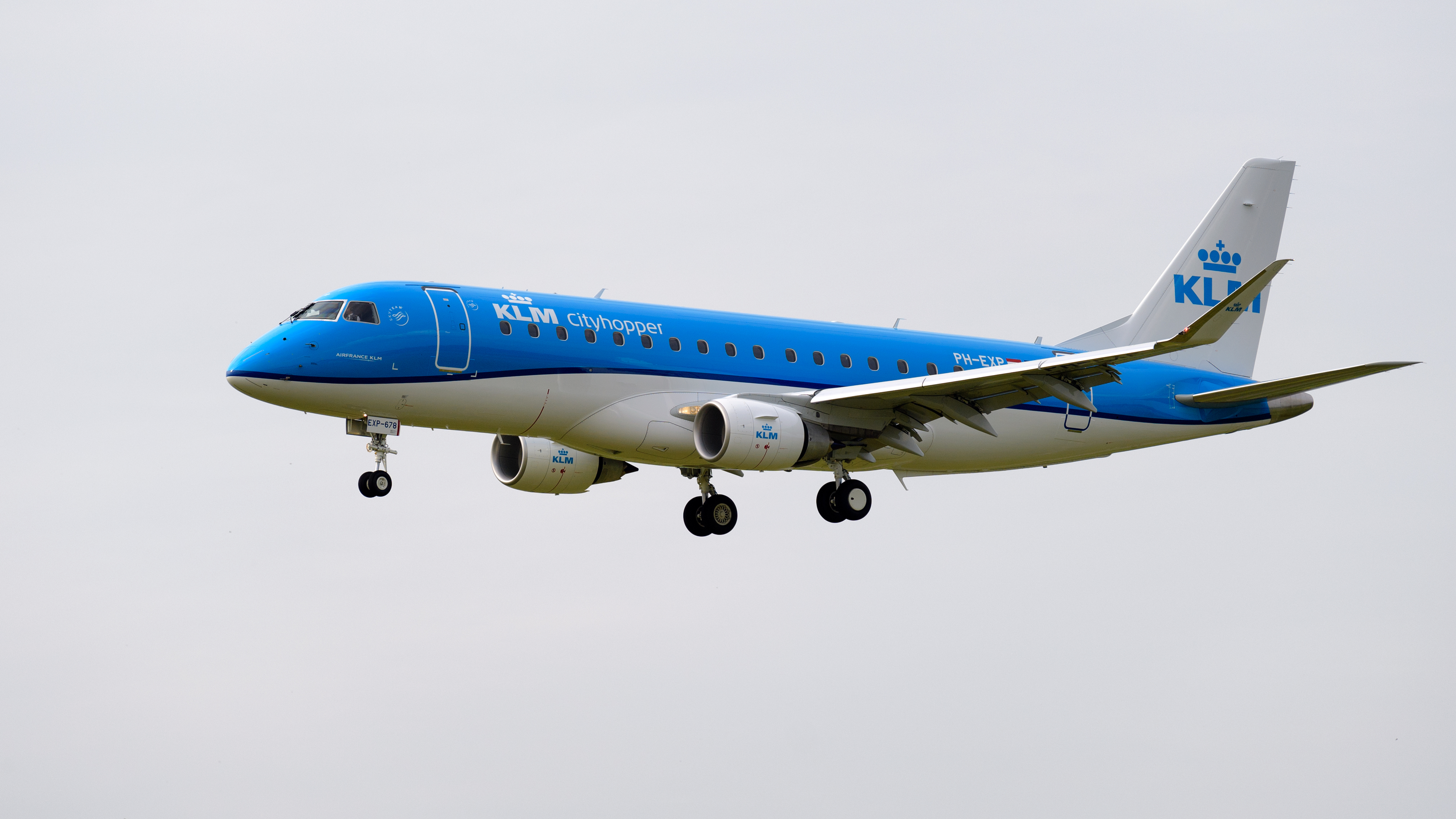
For many travellers flying from 18 regional airports in Britain, such as Manchester, Newcastle, Birmingham, Edinburgh, Aberdeen, and Glasgow, KLM’s expanded network now makes it faster to fly to New York, Asia, and Africa via Amsterdam rather than Heathrow.
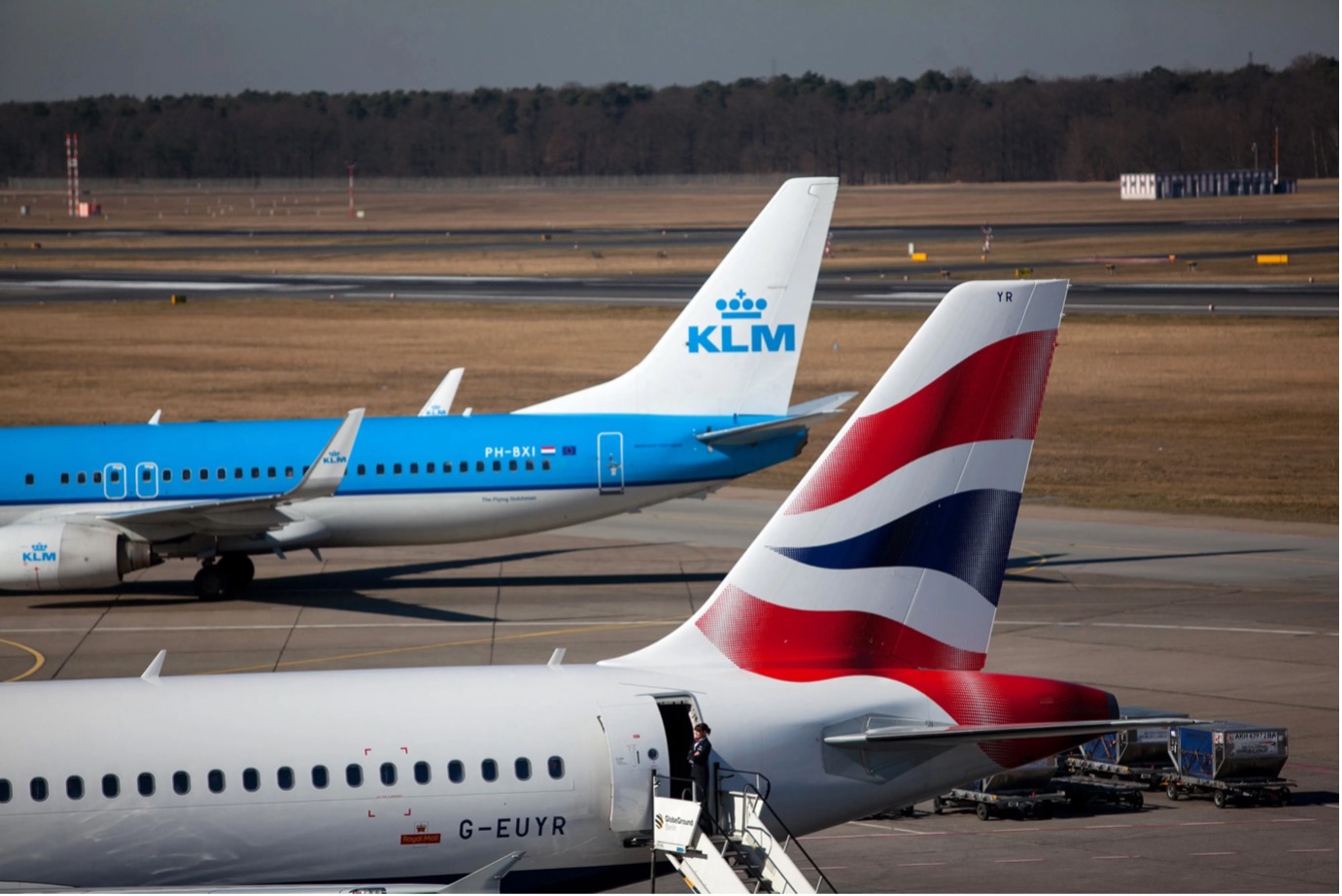
This is made possible through the Dutch flag carrier KLM Royal Dutch Airlines’ expanded UK network, which now services more airports in the United Kingdom than the UK’s flag carrier, British Airways. KLM currently links its global network via Amsterdam Schiphol to 18 cities in the UK. By contrast, British Airways serves just seven UK airports from its London Heathrow hub.
How KLM built a UK regional network
KLM started flying to the United Kingdom in 1920 with an inaugural service to London.
Unlike many European airlines, KLM expanded beyond the capital into regional airports and in the late 1980s and 1990s, developed Amsterdam Schiphol into a hub connecting regional UK passengers to KLM’s long-haul network.
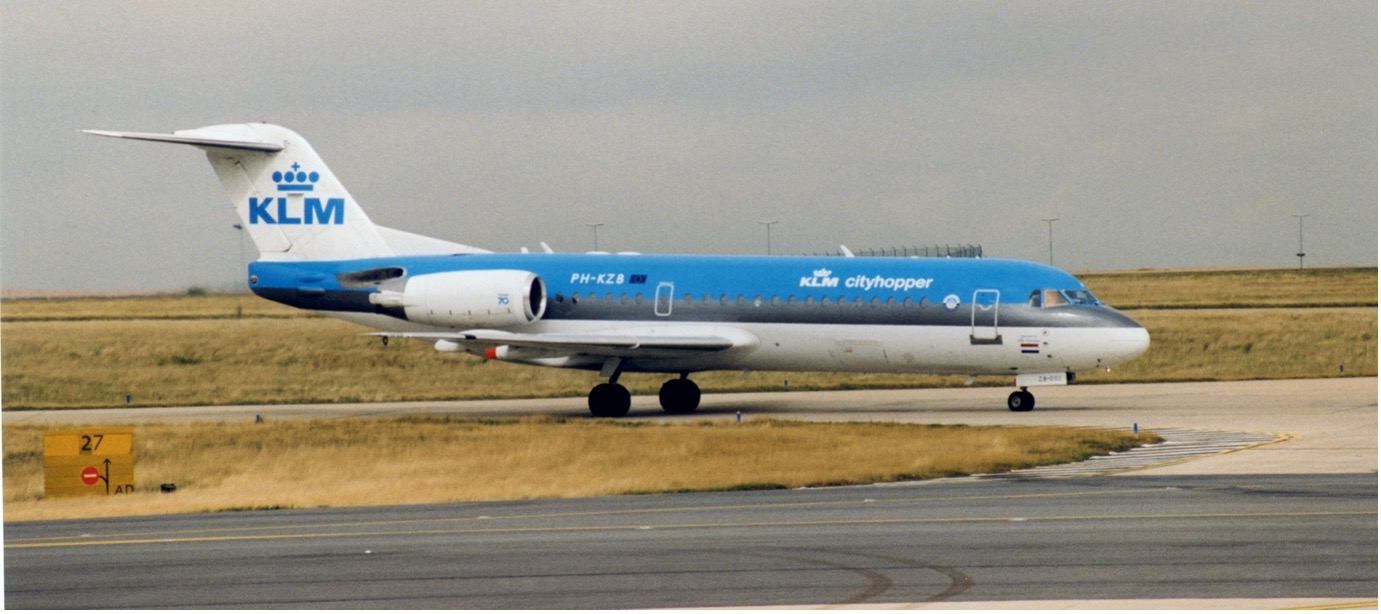
In the 2000s, UK regional aviation declined, and the number of direct long-haul flights departing from outside of London reduced dramatically. KLM’s introduction of smaller aircraft, such as the Fokker 70 and Fokker 100, made it commercially viable to replace lost connectivity within the UK with one-stop connections via Amsterdam. Capacity increased even further when Flybe, a British regional carrier, went into administration in 2020, allowing KLM to further expand its UK network.
Why departure flight times matter for onward connections
Currently, 451 KLM flights depart weekly from the UK to Amsterdam, including up to 48 weekly departures from London Heathrow and 46 from London City (LCY). Services begin at 7:30 am and are timed throughout the day to facilitate long-haul connections on KLM’s international network.
The timing strategy is far more significant at regional UK airports.
KLM schedules early-morning departures from airports such as Manchester, Birmingham, Glasgow, Newcastle, Leeds Bradford, and smaller regional airports including Humberside and Norwich. These flights typically depart between 05:55 and 09:00, arriving in Amsterdam before 10:30.
With 50 to 90 minutes, passengers arriving on these first-wave flights can connect to long-haul services departing later in the morning with destinations including:
· New York (JFK)
· Toronto (YYZ)
· Atlanta (ATL)
· Dubai (DXB)
· Delhi (DEL)
· Nairobi (NBO)
· Johannesburg (JNB)
· Tokyo (NRT)
· Seoul (ICN)
· Singapore (SIN)
In practical terms, that means many regional passengers can reach New York, Asia, or Africa faster via Amsterdam than by travelling through London Heathrow.
Airport Served | Weekly Departures |
London Heathrow (LHR) | 48 |
London City (LCY) | 46 |
Manchester (MAN) | 39 |
Newcastle (NCL) | 35 |
Birmingham (BHX) | 34 |
Edinburgh (EDI) | 32 |
Aberdeen (ABZ) | 30 |
Glasgow (GLA) | 25 |
Bristol (BRS) | 24 |
Leeds/Bradford (LBA) | 23 |
Humberside (HUY) | 20 |
Norwich (NWI) | 20 |
Durham (Tees Valley) (MME) | 19 |
Belfast City (BHD) | 14 |
Cardiff (CWL) | 14 |
Southampton (SOU) | 14 |
Inverness (INV) | 7 |
Exeter (EXT) | 7 |
Find out about the new routes commencing from London Heathrow this spring.
Why British Airways’ network model differs
Despite British Airways serving 200 global destinations, compared to KLM’s 164, its domestic network focuses on the UK’s largest population and business centres.
There is a clear operational reason for this.
London Heathrow is one of the world’s most slot-constrained airports, operating at 99% capacity. British Airways accounts for over 50% of the airport’s slots, with the pressure of a use-it-or-lose-it rule, requiring the airline to operate 80% of its allocated slots to retain them. This means the airline prioritises known, high-demand routes over domestic operations where demand is less predictable.
The real reason why passengers choose KLM over BA
Due to British Airways’ minimal domestic feeder service into Heathrow, passengers wishing to use the airline are forced to use alternative transport to reach Heathrow.
A passenger wanting to fly from Cardiff to New York must catch a train with a journey time of over 2 hours and 30 minutes, before checking in to the flight 3 hours prior to departure. The same passenger can instead connect via Amsterdam from Cardiff, minimising ground transport requirements and arriving at their destination much earlier.
Further, thanks to Schiphol’s single-terminal layout, compared to Heathrow’s four terminals, connections are often shorter than those at Heathrow, and like most other full-service airlines, KLM offers a through-baggage service, meaning passengers’ bags will transfer automatically without re-checking.
Amsterdam Schiphol flight cap may threaten KLM’s expansion plans
In 2026, Amsterdam Schiphol implemented a new cap of 478,000 annual aircraft movements, down from the previous year’s 500,000 limit. This limitation is aimed at reducing noise and air pollution, encouraging KLM to prioritise higher-yield routes and aircraft utilisation.
Despite this, KLM is continuing to expand its UK presence by launching flights to Jersey in April. Initially operating weekly, the airline has announced the service will be daily from July. In comparison, British Airways has not introduced a new UK domestic route from Heathrow since 2012.
Why this matters for British travellers
The difference between the two airlines is not simply the number of destinations served, but how those destinations are accessed
British Airways operates a traditional hub model centred almost entirely on Heathrow, while remaining a popular choice for European cities with no direct long-haul connections. KLM operates similarly, but focuses on frequency and connectivity from the UK to their transfer hub, which is designed for short and easy terminal transfers.
KLM is not just another airline flying to the UK, it has become an integral part of the UK’s international air connectivity. For much of regional Britain, Amsterdam, not Heathrow, functions as the nearest global hub airport.
Have questions or want to share your thoughts?