Why Air New Zealand is leading on airline accessibility
By Josh Wood Mon Jun 22, 2026
Every quarter, Air New Zealand turns its purpose-built cabin trainer in Auckland into a fully simulated operational airport. From check-in counters, security, passport control and a cabin with cruise-altitude windows, the simulated experience serves an important purpose, ensuring all types of passengers can fly.
The flight never leaves the ground. But, for the families taking part, that is the point.
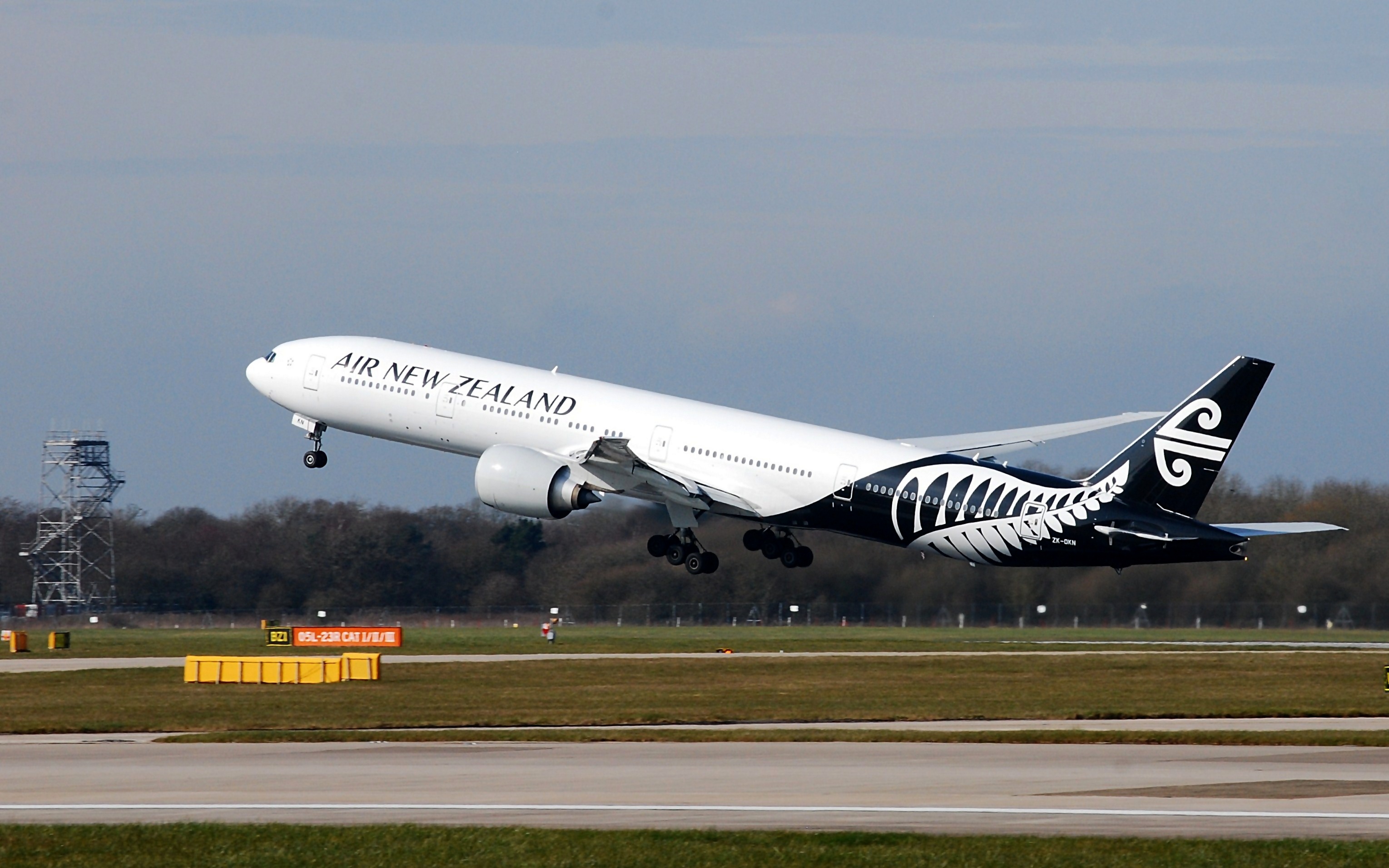
The familiarisation experience is part of Air New Zealand’s accessibility programme. Condé Nast Traveller named the airline the most disability-friendly in December 2024. The recognition followed years of work that began inside the airline among its own employees.
The Enable Network looking after Air New Zealand employees
Built over seven years ago by its own employees, Air New Zealand’s Enable Network supports employees who live with a disability, are neurodivergent, or care for somebody with a disability neurodiversity. The airline actively supports the Enable Network by facilitating events and activations throughout the year.
The Enable Network champions acceptance, recognises strengths before labels, supports recruitment of people with disabilities, and challenges bias across the organisation. The underlying belief is to ensure everyone feels safe to be themselves.
Autism flight familiarisation
The cabin crew trainer at Air New Zealand’s learning academy was designed for crew training. But every quarter, the airline partners with autism community organisations to convert it into a simulated airport experience for families with autistic or neurodivergent children.
The entire journey is replicated from check-in, security, passport control, and boarding. The cab trainer simulated the in-flight experience, including cabin noises and digital views out of the window. Even more amazingly, the experience is free of charge to participating families.
Among the families who go through the simulation, 57 percent are likely to take either a domestic or international flight.
Dane Dougan, Chief Executive of Autism New Zealand, champions the work the airline has done to make autism more inclusive. He said: “I've been in the role for 12 years, and it's a really cool experience today to come in and work with Air New Zealand on trying to create a familiar environment for our community. We don't expect the world to change for our community, but if we can take these small steps and make it a little bit more inclusive and accessible, it's just such a positive experience for our guys.”
Sunflower Lanyard programme
Not every disability is visible, and the Hidden Disabilities Sunflower programme allows passengers to signal discreetly through a lanyard, pin, or bracelet that they may need additional time, understanding, or support during their journey.
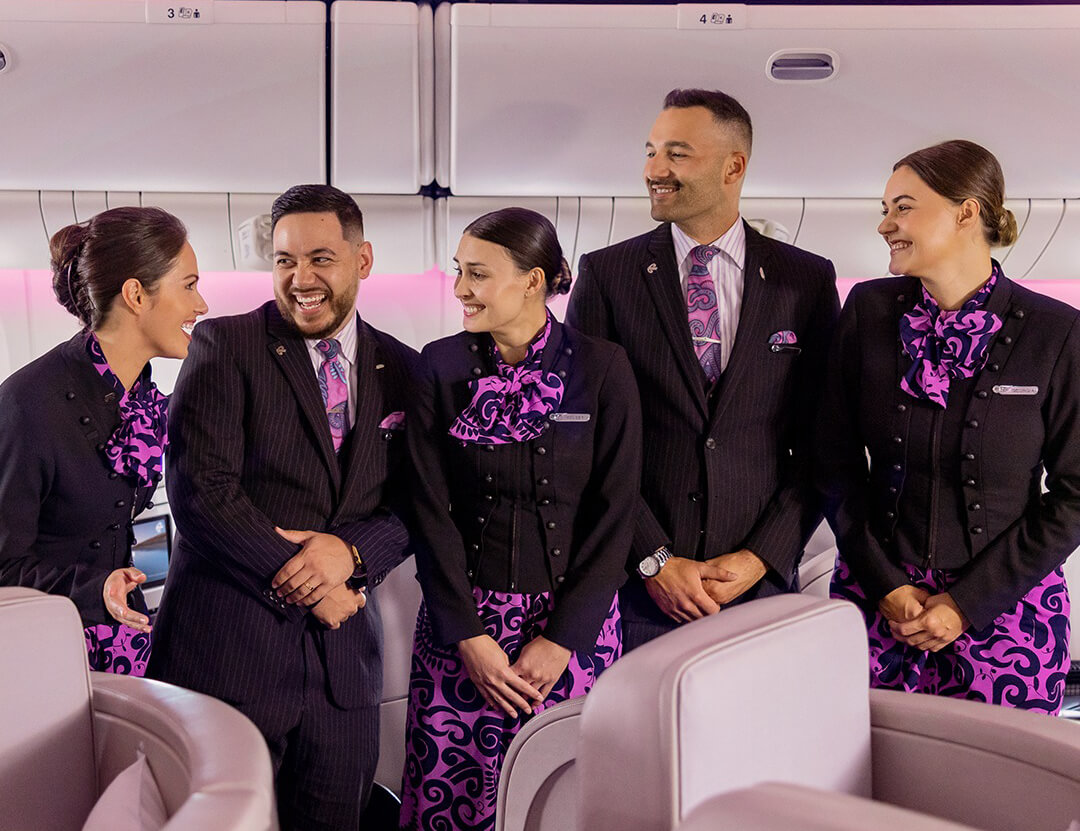
Air New Zealand does not own the initiative but has rooted it across its operations. Front-of-house and onboard staff are trained to recognise the lanyard and open a conversation about how to make the journey easier. The airline offers quiet spaces, modifications where possible, and an acknowledgement of additional needs.
Staff complete training covering education and awareness. On completion, staff are awarded a pin to display, signalling to passengers that they are ready to help. The airline maintains a full education hub on its internal Customer Care platform.
NZSL integration
Air New Zealand also works with Deaf Aotearoa, the national organisation for New Zealand’s deaf community, on initiatives.
Two years ago, during New Zealand Sign Language Week, the airline operated a full NZSL flight. All cabin crew on the flight were competent in NZSL, and the safety briefing and full onboard service were conducted in NZSL alongside spoken English.
The airline now maintains two NZSL learning modules available to any staff member. The modules cover everyday and travel signs to allow staff to communicate with deaf passengers. Staff who complete the modules are awarded a pin highlighting their NZSL skills, and as a signal to passengers.
NZSL is one of the country's three official languages, and Air New Zealand's commitment to integrating it into the onboard experience is a step few other airlines have taken to increase passenger inclusivity.
Customer Manaaki Guide
Manaaki is a Māori word meaning care, hospitality, and support. The Enable Network developed the initiative ‘Showing Manaaki’ to customers with disabilities as the operational guide that ties Air New Zealand's accessibility commitments together.
The guide is available in both print and digital formats and is used by all customer-facing teams. It covers how to communicate inclusively, how to anticipate needs, and how to keep disabled passengers a priority during disruptions. Disruption is when travel becomes hardest and when accessibility needs most often get lost in operational pressure.
The guide is what turns individual programmes into an inclusive airline culture.
International recognition and a Seven Star PLUS Safety Rating
In December 2024, Condé Nast Traveller named Air New Zealand the world's most disability-friendly airline. The feature, produced with disability advocate and broadcaster Sophie Morgan, examined the airline's onboard interactions and ongoing accessibility commitment.
On the back of a cabin safety audit in April 2026, AirlineRatings.com rated Air New Zealand as a Seven Star PLUS airline.
During the audit, AirlineRatings.com’s Safety and Service Quality Manager, Josh Wood, said: “It is evident to see that Air New Zealand not only has a robust safety culture, but a culture where all passengers are treated with Manaaki. I saw crew, on multiple occasions, take extra care and time for passengers who required it. These small details are what set Air New Zealand above many other global carriers.”
An inclusive airline for all
Air New Zealand has created a safe space for its employees and passengers. From its Autism awareness programme, NZSL integration, and cultural integration through its Manaaki Guide, Air New Zealand has become one of the world’s most accessible airlines.
Have questions or want to share your thoughts?