How did an ANA B767 nearly collide with a business jet?
By Josh Wood Wed Aug 5, 2026
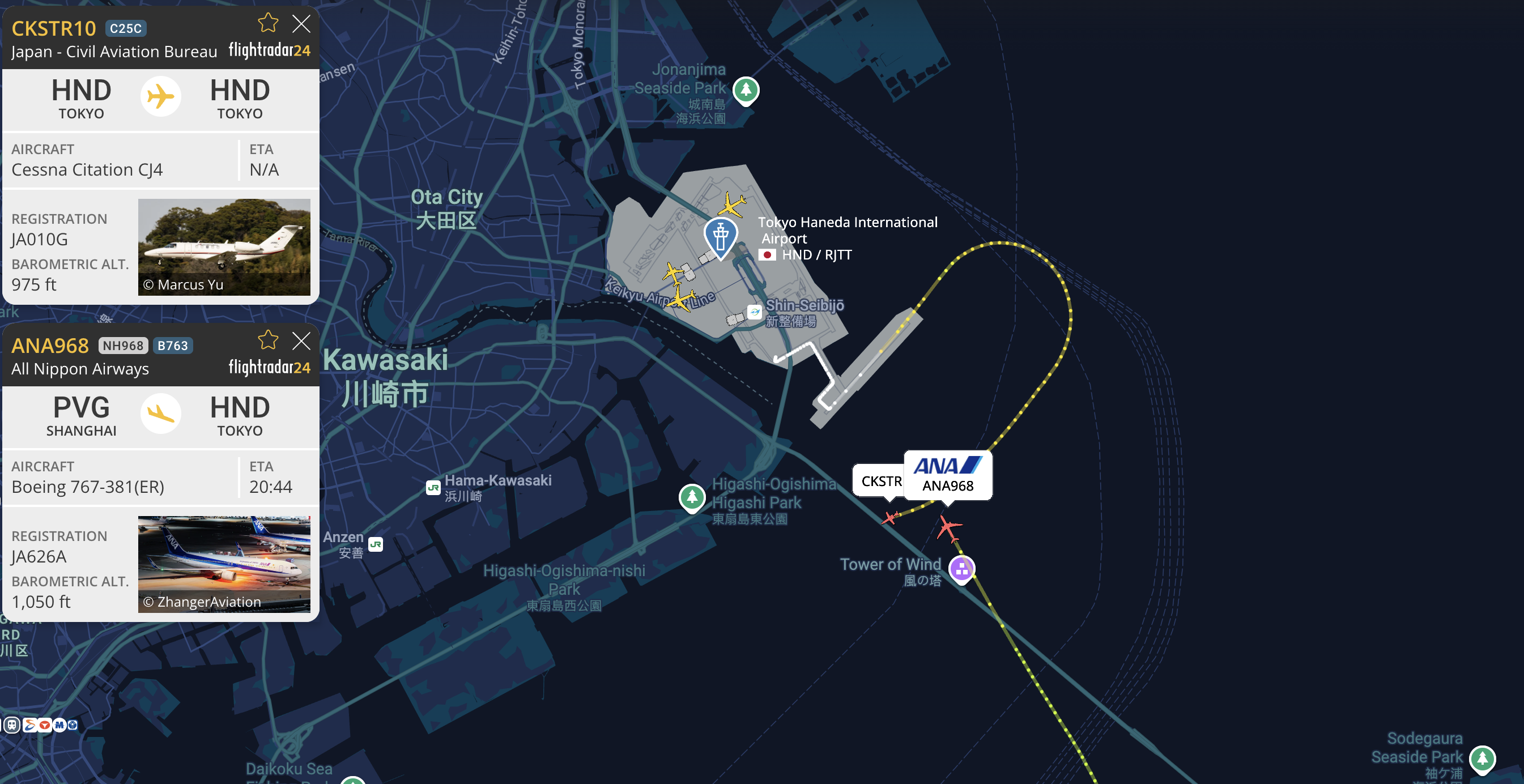
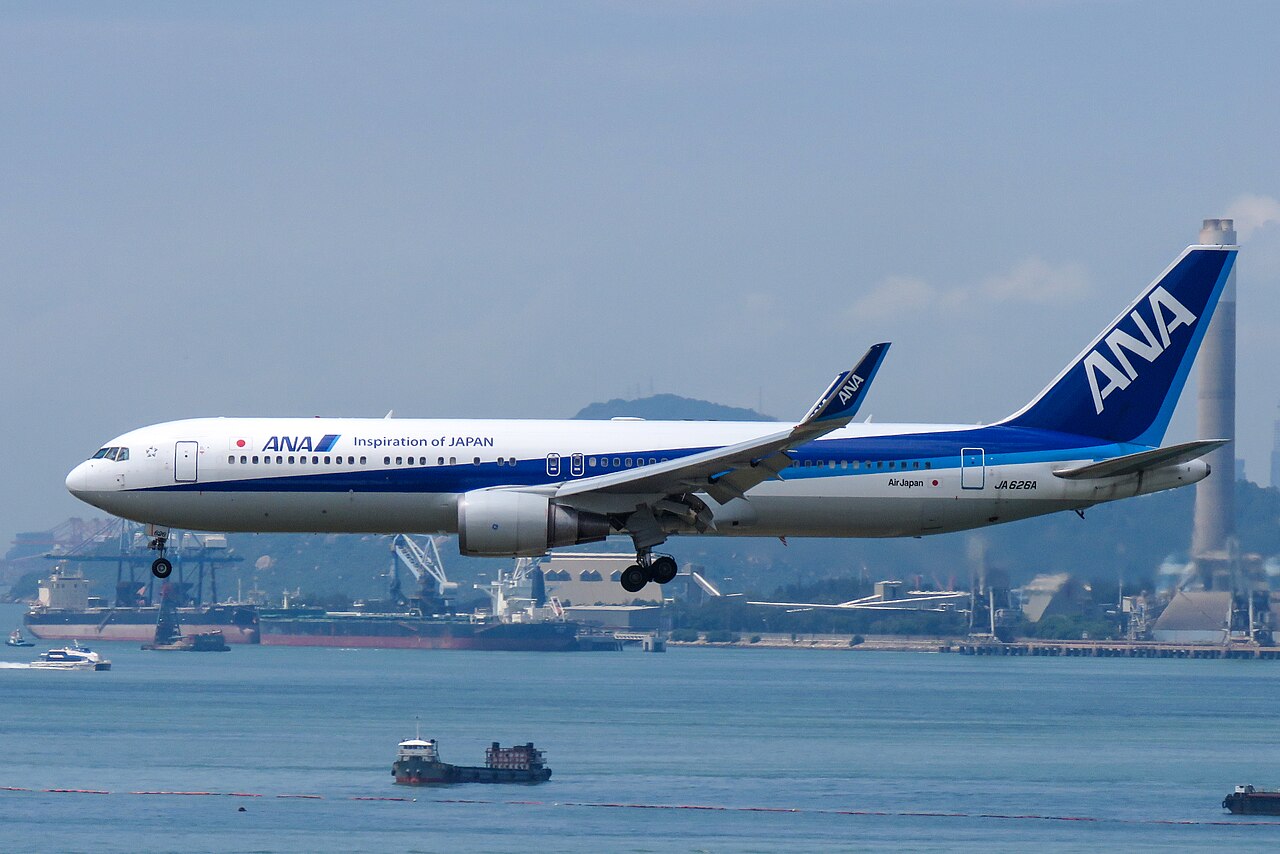
An All Nippon Airways (ANA) Boeing 767 came within roughly 100 feet of a collision with a Japan Civil Aviation Bureau Citation CJ4 while approaching Tokyo Haneda yesterday, 4 August. Flight NH968 from Shanghai was descending towards Runway 34R at about 05:44 local time, when a Traffic Collision Avoidance System (TCAS) issued a Resolution Advisory (RA). The crew conducted a go-around and safely landed after another subsequent go-around.
The ANA crew set up for a second approach but went around again and air traffic control recordings indicates the pilots judged the approach unstable, so they re-sequenced for another attempt. The aircraft landed at 06:10, 25 minutes behind schedule and all 197 passengers and crew onboard disembarked safely.
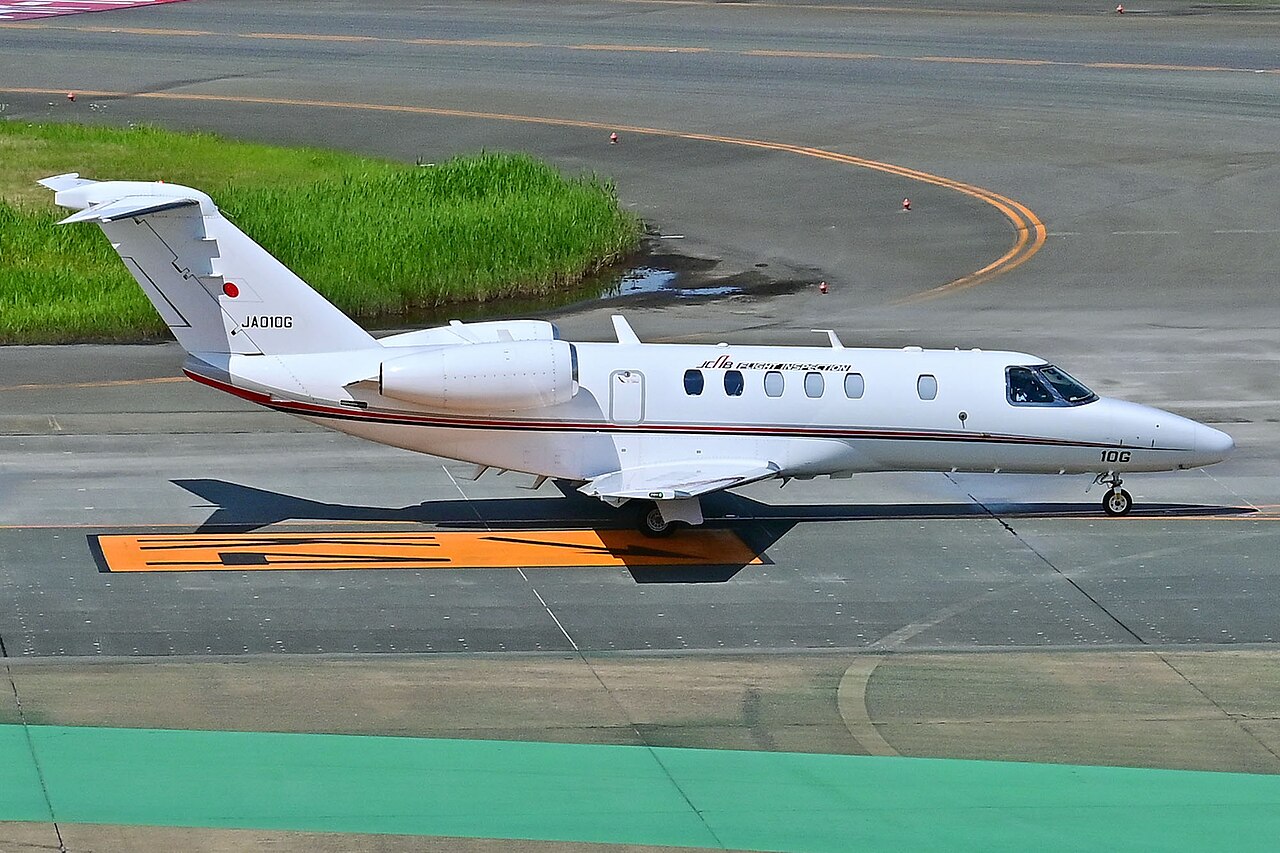
The Citation, registration JA010G, departed from Runway 05 on a navigation instrument check flight, making an ascending right turn that went across the arrival path of the landing B767. Flightradar24 data shows the closest point just under a mile laterally and just 75 feet of vertical separation.
READ: Near Miss at Nice a 'Serious Incident'
The inspection jet received no advisory
The Citation belongs to the JCAB flight inspection fleet, which Japan promotes publicly under the nickname "Doctor White". These aircraft verify from the air that radio navigation aids, instrument landing systems and runway lighting work correctly. JA010G has flown in the programme since delivery in 2015.
Japan's transport ministry says no avoidance instruction was issued to the inspection aircraft, but that does not represent an equipment failure. TCAS II comes as standard on the Citation CJ4 and the reason lies in how the system operates at low altitudes close to the ground. TCAS II progressively withdraws its RA's as altitude above the ground decreases, and stops issuing them altogether below roughly 1,000ft above ground level. Engineers built that safety cut-off to stop the system commanding RA’s at heights where following it would be more dangerous than the traffic conflict.
Japanese newspaper, The Yomiuri Shimbun, reports the inspection aircraft was flying under visual flight rules while the ANA flight operated on instruments, with both aircraft following their filed flight plans. The ministry is examining how the inspection crew were looking out for the arriving traffic, and whether the event meets the threshold for classification as a serious incident.
Haneda's runway paths cross by design
Landing on 34R while departing from Runway 05 is how Haneda runs in north wind conditions. The two paths intersect by design, so controllers have to ensure aircraft maintain safe seperation at all times. However, it can, and has, gone wrong in the past.
Haneda has been under scrutiny since January 2024, when a Japan Airlines A350 collided with a Japan Coast Guard Dash 8 on the runway. The two events have almost nothing in common beyond one detail, and it matters. A government aircraft operating at one of the world's busiest airports with one fatal crash and one near miss, both in under three years.
READ: Japan Airlines A350 On Fire At Tokyo's Haneda Airport
The bottom line
Near misses in aviation are rare given the number of global daily flight, but they do happen. Investegators will now need to determine the causes of this incident, and if any alterations to flight path’s at Haneda will need to be made.
AirlineRatings.com will monitor the investegation, and bring you factual updates as they beomce available.
Have questions or want to share your thoughts?