Vietnam's safest airlines: from Soviet Tupolevs to the world's top 20

By Airline Ratings Tue Jul 21, 2026
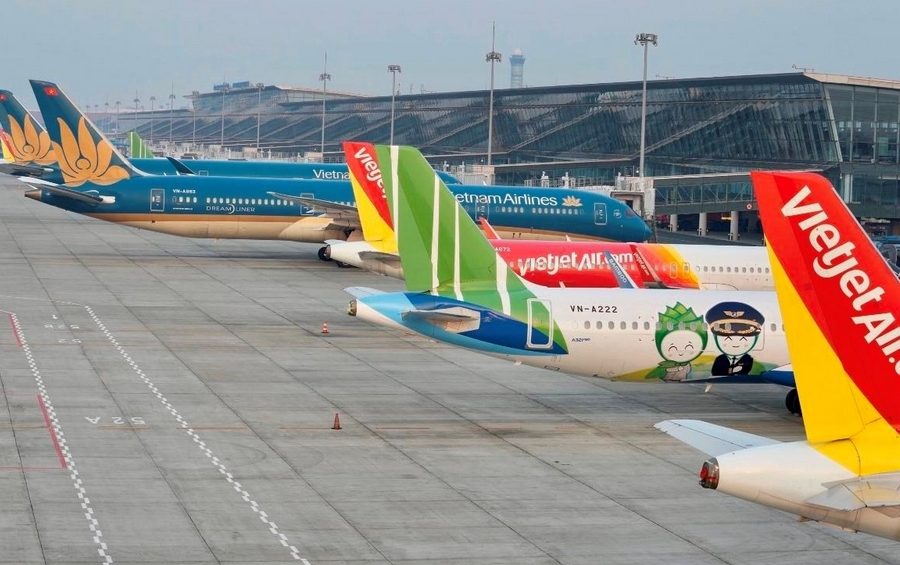
Vietnam runs more than 1,600 kilometres from the Chinese border to the Mekong Delta, a long thin country where the drive from Hanoi to Ho Chi Minh City swallows the better part of two days. Flying is how the place holds together. Its aviation market has been among the fastest-growing anywhere, carrying tens of millions of passengers a year to Da Nang, Phu Quoc, Nha Trang and beyond, and the skies above it are now some of the busiest in the region.
They are also, on the evidence, among the safest. No Vietnamese airline has suffered a fatal accident in almost thirty years. Two of the country's carriers hold a full seven stars on our safety scale and even rank among the world's safest airlines for 2026 . For a country that flew Soviet-built Tupolevs into poorly equipped airports within living memory, that is a transformation worth celebrating.
Here is how the country's carriers rate, and the very different kind of turbulence they have been flying through.
Vietnam Airlines — 7/7
The flag carrier equally tops the table with a perfect seven-star safety rating.
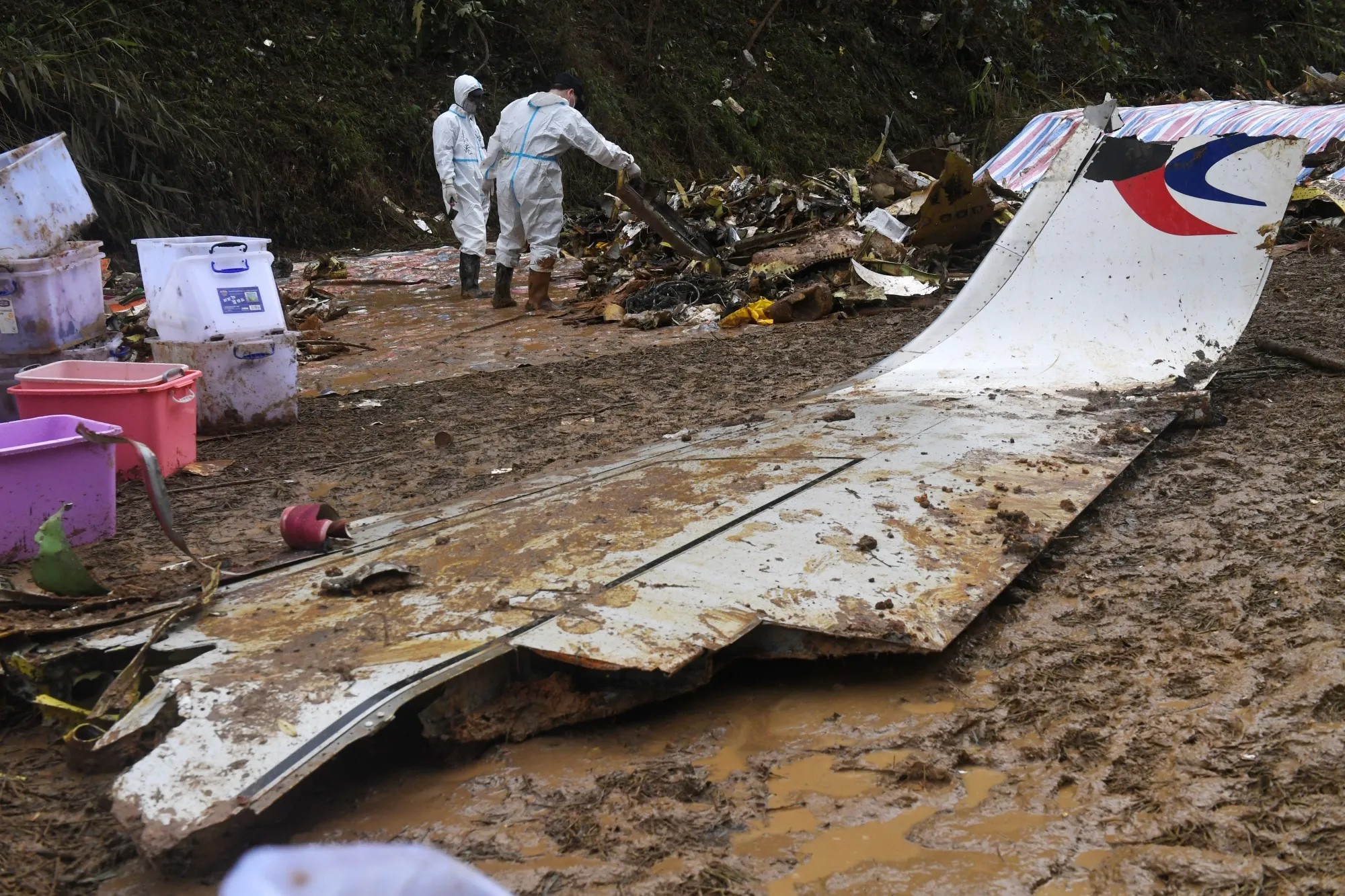
Vietnam Airlines traces its roots to 1956, when the country's civil aviation service began flying a handful of Soviet aircraft, and it took its modern corporate shape in the 1990s as Vietnam opened to the world. Its history is not spotless. On September 3rd 1997, Flight 815, a Tupolev Tu-134B-3 approaching Phnom Penh in monsoon weather, descended below a safe altitude and struck the ground short of the runway, killing 65 of the 66 people on board. Investigators attributed the crash to the crew pressing on with a visual approach when they could not see the runway. It remains the deadliest accident in Cambodian history, and its sole survivor was a Thai toddler pulled from the wreckage.
That was the last time a Vietnamese carrier lost passengers, and the airline that emerged from those years looks nothing like the one that flew Tupolevs. Vietnam Airlines now operates around 97 aircraft with an average age of about 10.8 years, built around Boeing 787-9 Dreamliners and Airbus A350-900s on long-haul routes to Europe, Australia and North Asia, with A321s filling out the domestic and regional map. It became the first Vietnamese carrier to earn IOSA registration in 2006 and has held it without a break ever since.
The airline is IOSA registered, meets international operating safety standards, carries no EU ban and holds a clean record on both fatal accidents and pilot-related incidents. It also placed 19th in our 2026 list of the world's safest full-service airlines, climbing three places on the previous year. The airline has also been recognised for offering the world's best value Business Class and Premium Economy for the past two consecutive years.

VietJet Air — 7/7
The country's low-cost giant matches the flag carrier with a perfect seven star safety rating.
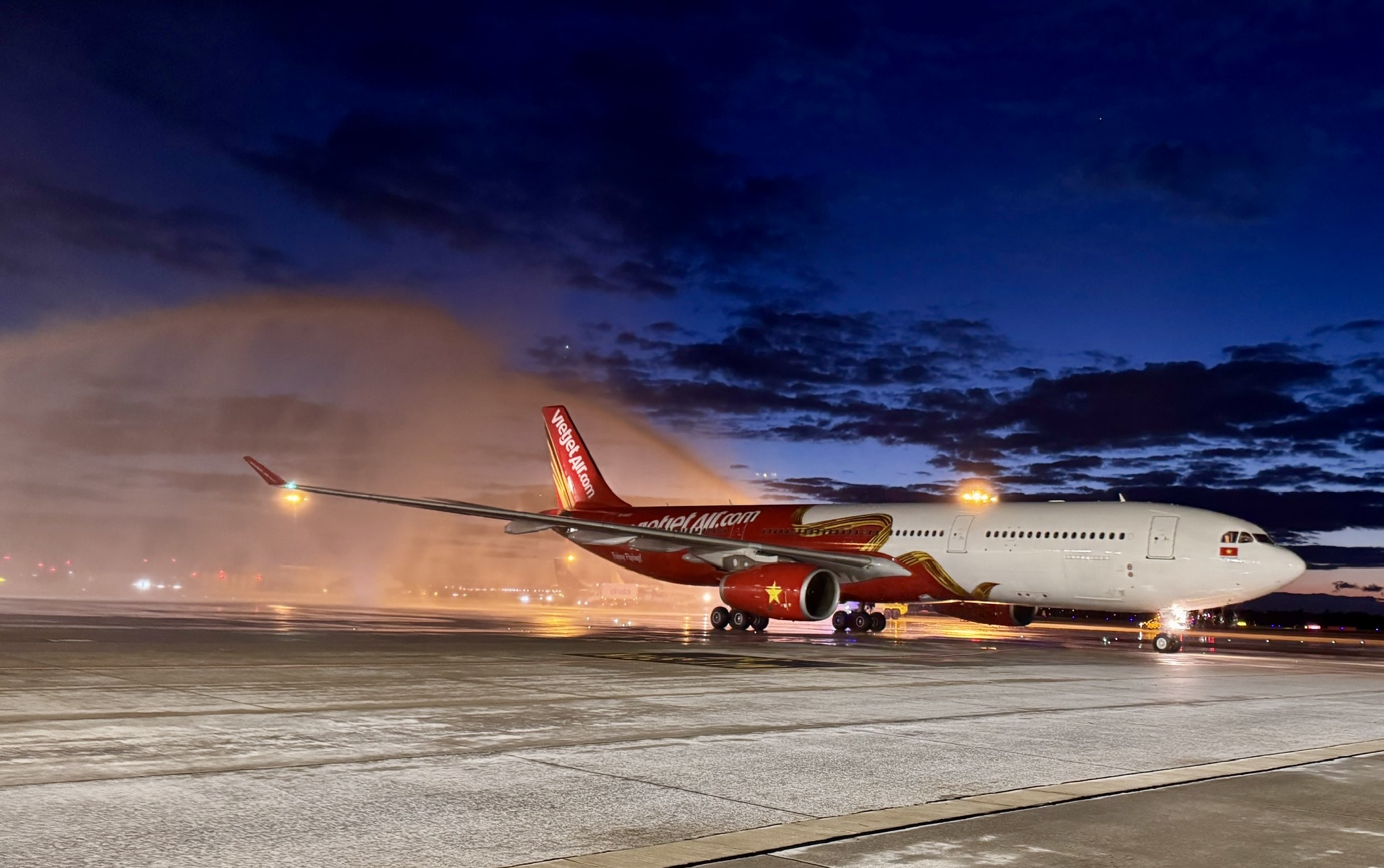
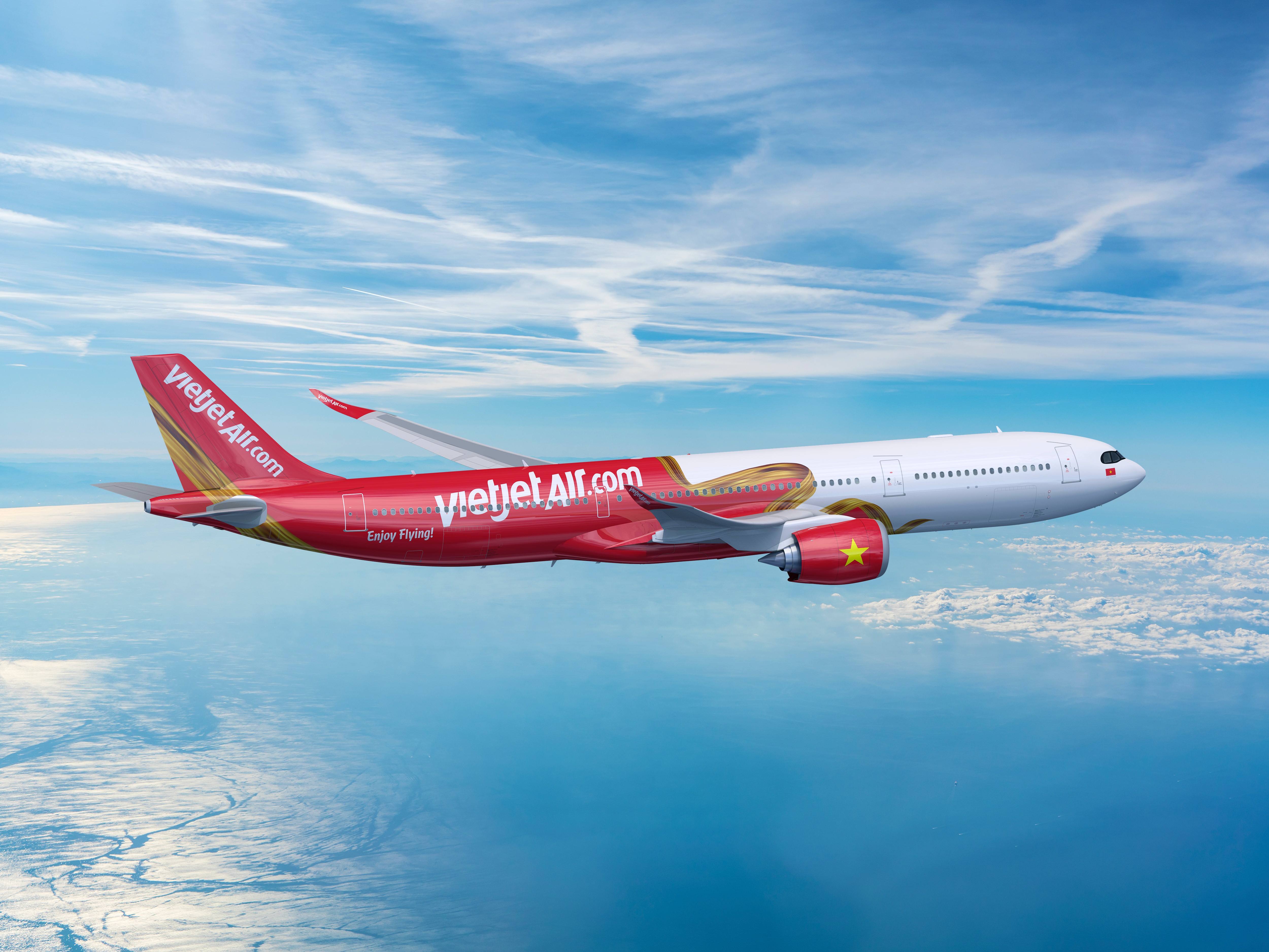
VietJet was founded in 2007 and flew its first service on Christmas Day 2011, the first privately owned airline in Vietnam. It grew at a ferocious pace, undercutting the state carrier, plastering its jets in bright red and yellow allowing for air travel to be within reach of millions of first-time flyers. Today it runs a fleet of roughly 107 aircraft spanning the Airbus A320 and A321 families, with leased A330-300 widebodies handling longer sectors to Australia. The average fleet age sits at about 7.5 years, though that figure hides a wide spread: its A321neos average just 3.6 years while the older A320s run to 12.6, a consequence of holding onto ageing jets through the industry's delivery delays.
On safety it scores full marks in every category. VietJet is IOSA registered, holds ISAGO certification for ground operations, meets international operating standards, carries no EU ban and has never had a fatal accident in two decades of flying. It has held a seven-star rating continuously since 2018 and features among our safest low-cost carriers for 2026, in the company of easyJet, Southwest and Ryanair. The airline reports technical reliability of 99.72 per cent, among the best in the region. Vietjet has also been named AirlineRatings' World's Best Ultra Low-Cost Carrier for nine consecutive years, from 2018 to 2026.
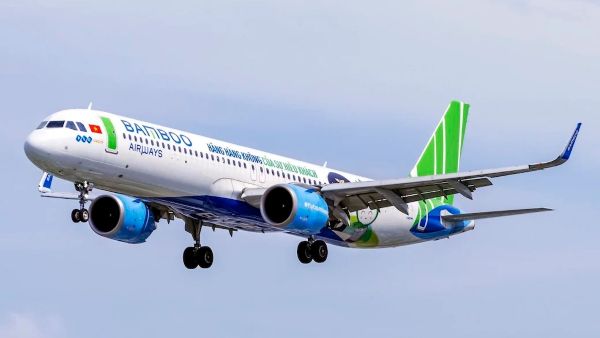
Bamboo Airways — 5/7
Bamboo Airways earns five stars largely losing star from the operational evaluation.
Founded in 2017 by the property conglomerate FLC Group, Bamboo began flying in January 2019 with a hybrid model that promised full-service comfort at competitive fares. It expanded aggressively, running Airbus narrowbodies alongside Boeing 787-9 Dreamliners on long-haul routes as far as Melbourne and Frankfurt, and it built a reputation for punctuality that led the domestic market. Then the money ran out. The airline posted a loss of around 722 million US dollars in 2022, its parent group collapsed into scandal, and ownership passed in 2023 to Him Lam Group and a set of Japanese-linked investors. The restructuring that followed was brutal. Bamboo returned its widebodies, abandoned its international network and shrank to a fleet of roughly seven aircraft serving a fraction of its former destinations. Passengers were left chasing refunds for cancelled bookings, and its customer ratings have suffered badly since.
Through all of that, its flying record stayed clean. Bamboo has never suffered a fatal accident, is IOSA registered and its five star rating reflects an operation that remained sound in the air even as the business came apart underneath it. The airline has signalled it intends to hold onto its Boeing 787 order and is studying the 737 MAX, so the story may not be finished yet.
Pacific Airlines — the carrier that gave back every aircraft
Pacific Airlines does not currently carry a safety score on our scale, but no account of Vietnamese aviation is complete without it.
Established in 1991, it was the country's first low-cost carrier and spent years as Jetstar Pacific under a joint venture with Qantas, which held a 30 per cent stake until transferring it to Vietnam Airlines in October 2020. Back in 2018 it earned a full seven-star rating from us but what followed was a strangest episode in modern airline history. Crushed by pandemic losses running into the tens of millions of dollars and squeezed by a government-imposed fare cap, the airline handed its entire fleet of leased Airbus A320s back to lessors in March 2024 in exchange for wiping roughly 220 million dollars of debt. For a period it held an operating licence and no aircraft at all.
It returned in June 2024 with three Airbus A321s dry-leased from parent Vietnam Airlines and rebooted as a full-service carrier flying to about a dozen domestic destinations. It is a small operation now with just three A321 aircraft.

The rest of the field and Sun Phu Quoc
Two other established carriers round out the market. Vietravel Airlines, launched by the tour operator of the same name and now majority-owned by T&T Group, began commercial flying in 2021 and remains tiny, running a handful of Airbus narrowbodies largely in support of package holidays. VASCO, a wholly owned subsidiary of Vietnam Airlines dating from 2004, handles short regional hops to islands and remote strips that larger aircraft cannot serve.
The genuine newcomer is Sun PhuQuoc Airways. Founded by the Sun Group in January 2025 and cleared to fly that September, it launched commercial operations on 1 November 2025 as Vietnam's first self-styled resort airline, built on a hub-and-spoke network centred on the island of Phu Quoc. It flies 14 Airbus A320-family aircraft today and has already opened international routes to Taipei, Seoul, Hong Kong and Singapore. It has also committed to as many as 40 Boeing 787-9 Dreamliners in what would be the largest widebody order in Vietnamese history. The airline targets a fleet of 100 aircraft by 2030, timed around Phu Quoc hosting the 2027 APEC summit. It is too new to carry a settled safety rating, but without IOSA registration it would sit at five stars on current form.

The bottom line
Vietnam's carriers have built a strong safety record. Vietjet and Vietnam Airlines both hold the maximum seven-star safety rating, and the country has not lost passengers in an accident since 1997. Stronger ICAO audit results have lifted national oversight, which benefits every airline flying in and out of Vietnam. When AirlineRatings launched in 2012, Vietnamese carriers were scattered across five, six and seven stars over concerns about airport infrastructure and regulation. That gap has closed, and more tellingly the perfect scores have held rather than swinging up and down from one year to the next.
Seven stars is where our safety scale ends, but not where the assessment does. The next step for these airlines is an independent onboard cabin safety audit, which achieves a Seven Star PLUS rating where performance meets the international standard. No Vietnamese carrier has taken part yet.
Consistency is the harder achievement, and it is the one Vietnam can point to. Holding a perfect score across consecutive years takes sustained investment in training, maintenance and fleet renewal long after the initial certification is won.
Safety ratings current as of July 2026 and drawn from the AirlineRatings.com seven-star safety assessment. Fleet ages are approximate and drawn from industry fleet databases.
Have questions or want to share your thoughts?