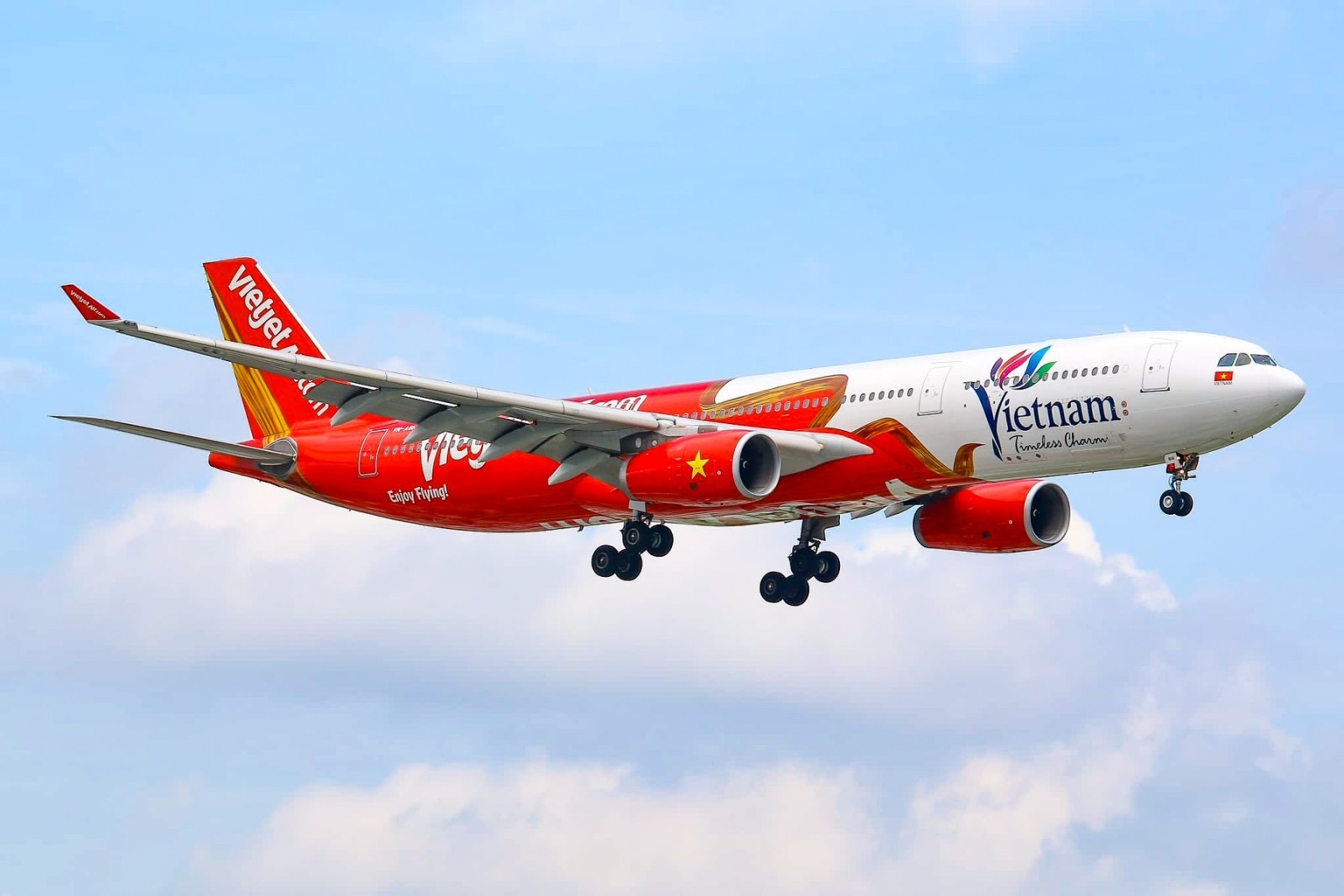
Vietjet Air wins Global Workplace Awards – what this means for passengers

By Airline Ratings Fri Feb 27, 2026
Vietjet Air, one of the world’s fastest-growing airlines, has received three international workplace awards, but the recognition matters for more than corporate reputation. For airlines, staffing levels and employee retention directly affect punctuality, onboard service, and operational reliability.
In practice, passengers often notice staffing problems before they notice aircraft or scheduling issues.
Vietjet Air’s recognition comes as Asian low-cost carriers increasingly expand into long-haul and premium international markets, where service quality and operational reliability become critical to competing with established network airlines.
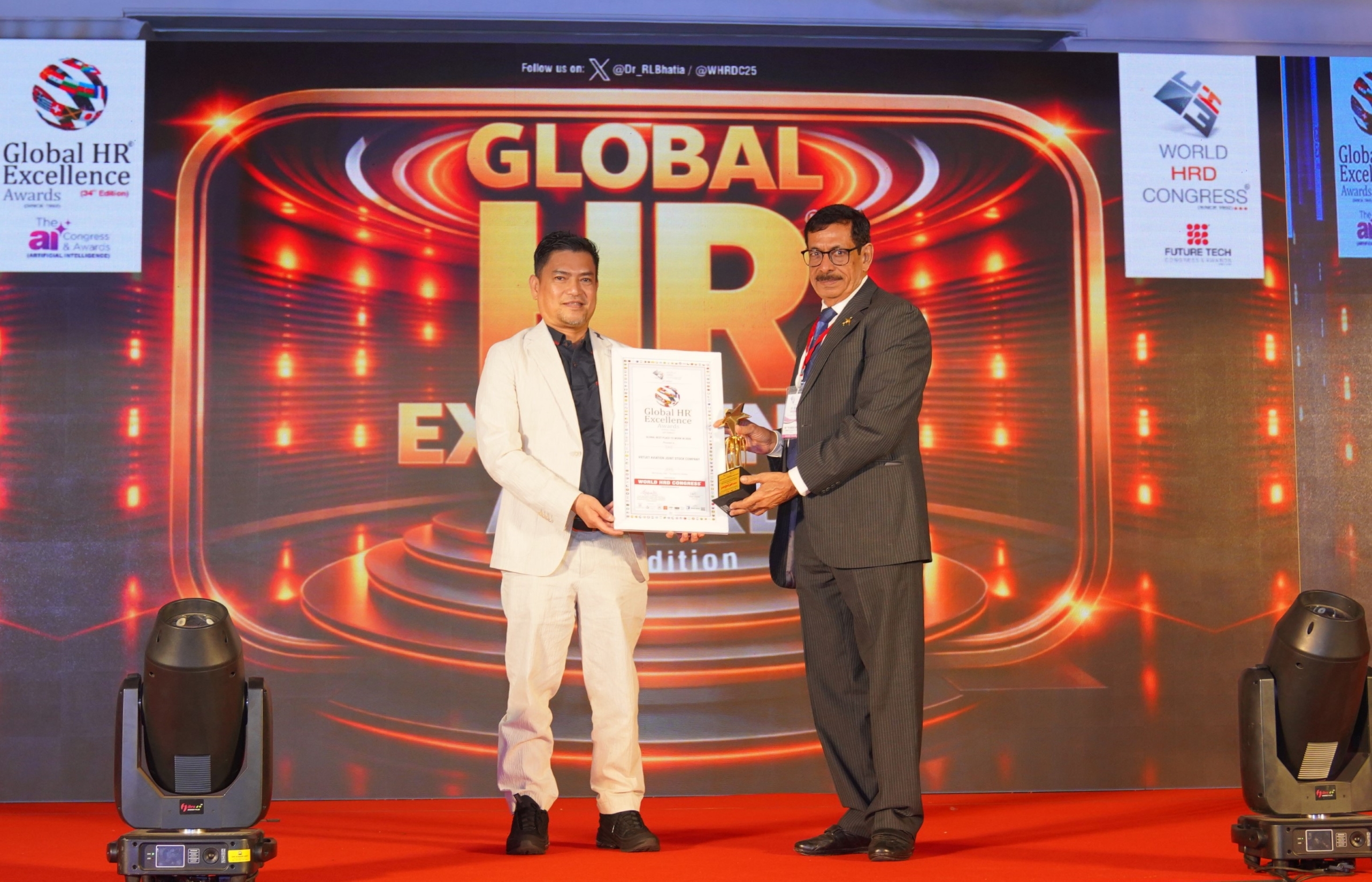
Vietjet Air was named Global Best Place to Work in 2026 and received the Diversity Impact Award and Global Best Employer Brand at the World HRD Congress in Mumbai. The awards assess workplace culture, recruitment, and staff development. Unlike customer service awards, HR awards evaluate training, retention, and internal management, all factors that influence day-to-day airline operations.
A multinational workforce for international routes
Vietjet Air employs more than 9,000 staff, including over 1,000 international employees from 68 countries. For an airline expanding beyond its home market in Vietnam, a multinational workforce is necessary to operate international routes and maintain service consistency.
International crews allow airlines to operate overnight rotations, meet language requirements, and comply with foreign regulatory standards when operating outside its home country. Long-haul operations, in particular, require larger crew complements and reserve staffing, underscoring the importance of recruitment and training capacity.
How staffing affects delays, service, and reliability
Airlines worldwide are facing crew shortages and rising training costs. Recruiting and retaining pilots, engineers, and cabin crew has become a competitive advantage, as understaffing can lead to delays, cancellations, and inconsistent onboard service.
Many recent airline disruptions globally have been caused by crew availability rather than aircraft shortages. Recognition for employment practices, therefore, reflects operational stability as much as corporate reputation.
For passengers, airline staffing influences everything from boarding efficiency to inflight service. Well-trained and stable crews typically lead to smoother operations and more consistent service standards, particularly for rapidly expanding airlines like Vietjet Air.
Learn more about how Viet Jet Air uses its fleet to drive growth.
_of_VietJet_Air_(VN-A636)_at_CGO_01.jpg)
Vietjet Air’s growing international network
Vietjet Air operates international services across Asia, including routes linking Singapore with Hanoi, Ho Chi Minh City, Da Nang, and Phu Quoc.
Moving from domestic flying to international operations significantly increases operational complexity, requiring additional crew training, safety oversight, and service standardisation. Airlines moving into international markets must also meet stricter airport, regulatory, and partner airline requirements. As the airline expands into longer-haul markets, its ability to attract skilled staff will directly influence reliability and service consistency.
The airline is also IOSA-certified and has received product and safety recognition from Airline Ratings. IOSA certification is widely regarded as a baseline international safety standard by partner airlines and regulators.
While workplace awards may appear unrelated to travel, they often signal an airline entering a more mature stage of development. As Vietjet Air expands internationally, the quality of its workforce is increasingly becoming a competitive differentiator rather than an internal corporate issue.
For travellers, the quality of an airline’s workforce increasingly shapes reliability and service as much as the aircraft they fly.
Have questions or want to share your thoughts?