How Vietjet Air’s fleet strategy drives low-cost growth
By Josh Wood Tue Jan 27, 2026
Since its debut in 2011, Vietnam’s Vietjet Air has evolved from a small domestic operator into one of Asia’s most prominent low-cost carriers. The airline’s fleet structure aligns with its low-cost operating model and continued expansion strategy.
Following a strong 28% year-on-year profit increase in 2025, the carrier continues to leverage its “zero-dollar” marketing campaign (among many others,) to support continued growth in the Asia-Pacific region. This analysis takes a closer look at Vietjet’s fleet mix and age, technological choices, and more specifically how it supports Vietjet’s operational objectives.
Inside the fleet: the foundation of Vietjet’s low-cost model
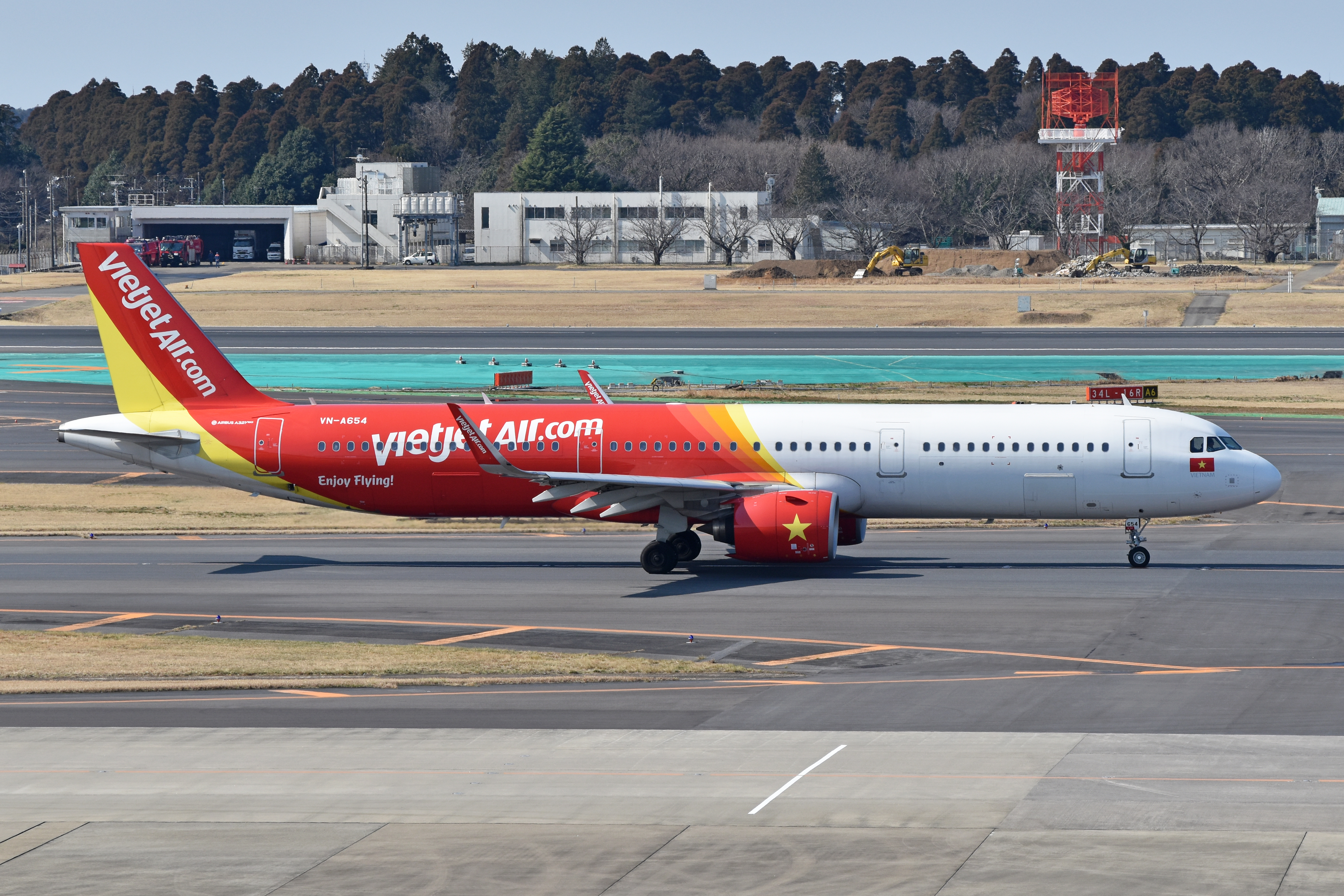
Vietjet’s fleet is built around the Airbus A320 family, with the A321 and A321neo forming the core of its narrowbody operations. These aircraft cover high-frequency domestic services, and short to medium haul routes across Asia. The dominance of the A321 aircraft reflects Vietjet’s focus on high seat density and low unit costs, increasing revenue. As of January 2026, planespotters.net lists the airline’s fleet as per the below:
Aircraft Type | Number of Aircraft |
A320 | 16 |
A321 | 78 |
A321neo | 8 |
A330-300 | 8 |
COMAC ARJ21 | 2 |
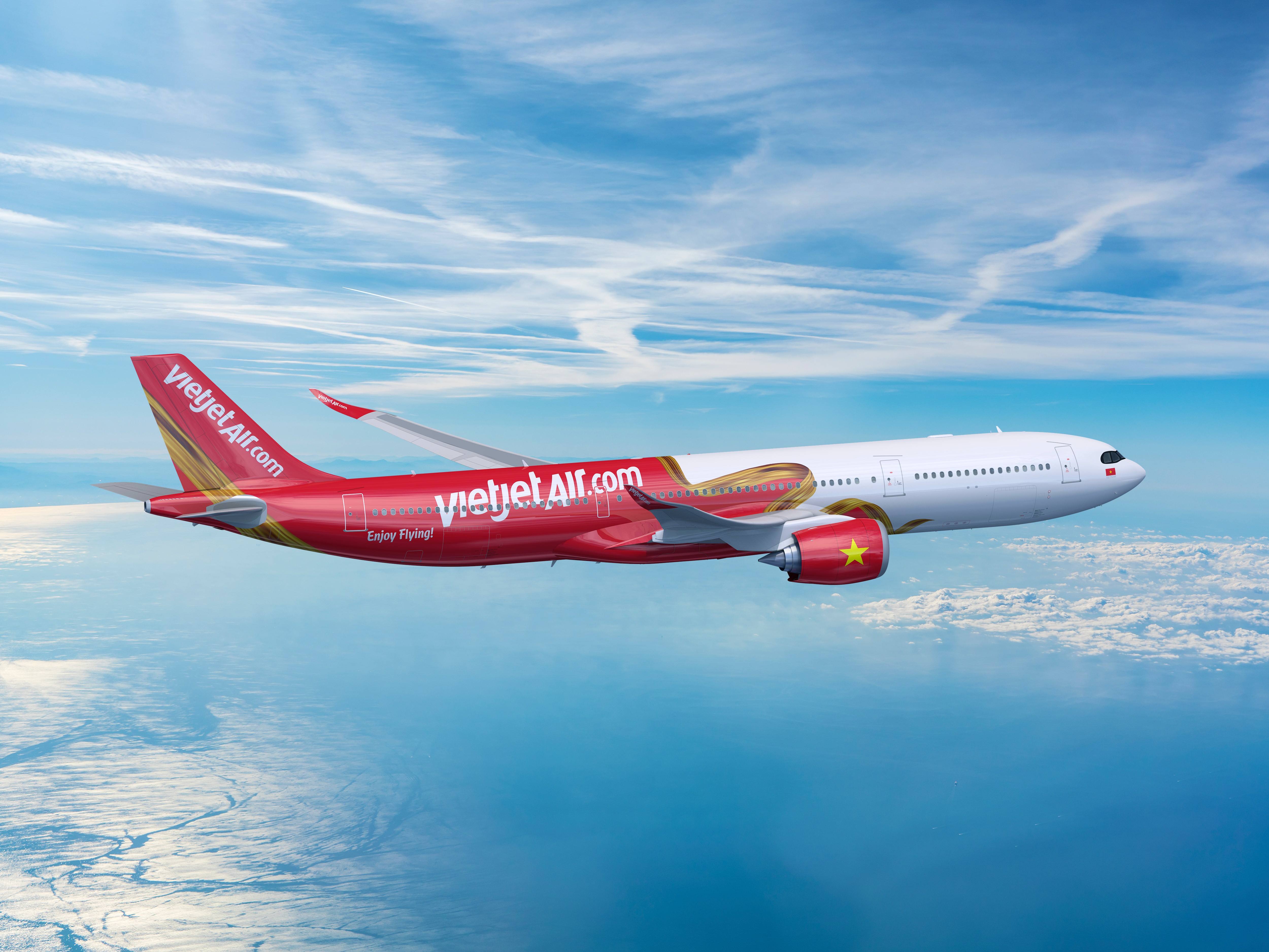
Vietjet also operates a small fleet of A330-300 widebodies, primarily used on longer regional sectors, including to Perth, Melbourne, Sydney, and Brisbane. The A330s add capacity on higher demand sectors and provide range beyond the core narrowbody fleet. These aircraft are leased, supporting expansion without committing to a large, complex widebody fleet.
Vietjet has invested in leasing these A330s to compete with other Asian low-cost carriers like Scoot and AirAsia X which operate budget long-haul routes. Further analysis on Vietjet’s long-haul network is available in a dedicated AirlineRatings article.
_Airbus_A330-343_departing_Melbourne_Airport.jpg)
Outside of its core Airbus strategy, Vietjet also operates two Chinese-built COMAC ARJ21 aircraft, leased from Chengdu Airlines. The limited deployment allows the airline to gain operational exposure to China, one of its largest growing markets, while strengthening commercial relationships without changing its wider fleet strategy.
SkyBoss and economy seating configurations
Across its narrowbody Airbus aircraft, Vietjet offers an expected low-cost seat product, with a tight 28-29 inches of pitch. Seat width comes in at 18 inches, and unlike some budget carriers, 3 inches of recline.
Seat dimensions are marginally more generous on Vietjet’s A330s, with economy seat pitch at 31 inches, broadly comparable to many full-service carriers operating the same aircraft type. However, while most A330 operators retain a 2-4-2 layout, Vietjet has adopted a denser 3-3-3 configuration, similar to Cebu Pacific and AirAsia X, which reduces seat width to around 16.5–17 inches.
Vietjet also offers a widebody product marketed as SkyBoss, featuring 59 inches of seat pitch, 19 inches of width, and up to 170 degrees of recline on A330 aircraft. While the seat does not convert into a lie-flat bed, it provides a significantly increased level of comfort, including hot meals and beverages.
Fleet age and aircraft lifecycle
Vietjet’s average fleet age is around 7.5 years, according to planespotters.net, placing it mid-pack in comparison to other Asian low-cost carriers. Within the narrowbody fleet, the A320 is the oldest with an average age of 12.6 years, while the A321 aircraft are aged at 8.8 years on average. Like many airlines globally, Vietjet is retaining some older aircraft due to manufacturing and delivery delays across the industry.
Airline | Average Fleet Age |
Peach | 4.7yrs |
Indigo | 4.8yrs |
Cebu Pacific | 5.8yrs |
VietJetAir | 7.5yrs |
HK Express | 7.5yrs |
AirAsia Malaysia | 11yrs |
Citilink | 11.8yrs |
The A321neo contributes significantly to lowering the overall fleet age, with its average being just 3.6 years. By contrast, the A330s are older, reflecting their leasing acquisition.
Efficiency gains from younger aircraft
The A321neo has been a key upgrade within Vietjet’s narrowbody fleet, offering improved fuel efficiency compared to the earlier generation, the A321. Lower fuel burn equals reduced emissions per seat, improved range and payload capabilities, and high utilisation for a low-cost carrier.
Vietjet has signalled a long-term commitment to more fuel efficient aircraft with firm orders for 20 A330neo widebodies, announced in May 2025. The airline has also placed significant A321neo orders, underpinning its continued focus on high capacity, next-generation narrowbody operations.
AI-driven fuel optimisation
Beyond aircraft type and age, Vietjet’s operational capability is also shaped by the digital systems that support flight operations, maintenance, safety oversight, and regulatory compliance.
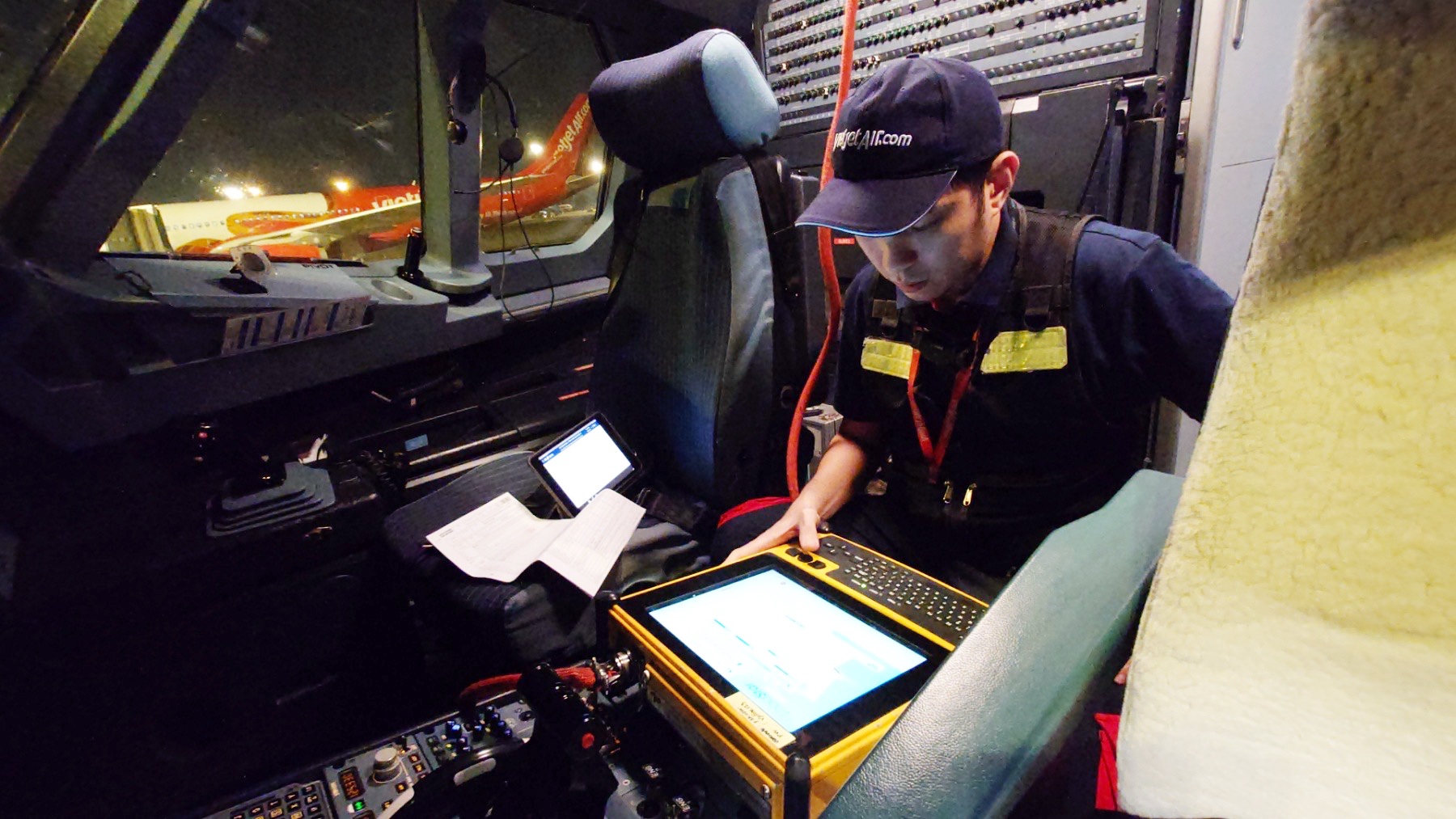
Vietjet has partnered with OpenAirlines to optimise fuel efficiency using AI-driven technology. Vietjet is adopting their SkyBreathe platform, which analyses flight data to identify fuel saving opportunities across operational planning and in-flight.
SkyBreathe evaluates real-world conditions such as weather, flight paths, and air traffic constraints by combining historical and current flight recorder data. Additional parameters including payload, route choices, and wind conditions help the platform suggest operational changes to reduce fuel consumption.
In November 2025, Airbus issued guidance after rare high altitude radiation events were linked to technical issues affecting some A320 family systems. Vietjet updated its affected aircraft before the manufacturer’s deadline, highlighting strong compliance execution, response planning, and safety management.
Overall fleet strategy
Vietjet’s fleet strategy is built around scale, efficiency, and flexibility. The airline’s emphasis on high-capacity Airbus narrowbody aircraft underpins a low-cost model designed for high utilisation and cost control.
A smaller widebody fleet provides additional range and capacity on longer regional routes, while planned A330neo deliveries will expand future capability without altering Vietjet’s low-cost model. Combined with the gradual transition to next-generation aircraft, Vietjet’s fleet approach reflects a measured focus on efficiency, network expansion, and operational sustainability.
Commenting on Vietjet’s A321neo aircraft order, Chairwoman Nguyen Thi Phuong Thao highlighted the intent behind the narrowbody investment.
“This is not merely a commercial contract, but a symbol of trust, aspiration, and a shared vision for sustainable development and global connectivity.”
The airline’s continued investment in next-generation narrowbody aircraft reinforces how fleet strategy remains central to Vietjet’s growth ambitions across Asia and beyond.
Have questions or want to share your thoughts?