London to New York: how BA, Virgin, JetBlue, United, Delta, and Norse compare

By Josh Wood Mon Mar 30, 2026
The London to New York route is the most competitive long-haul market in the world. Up to seven airlines operate daily flights between the two cities, offering everything from lie-flat business suites to basic no-frills economy fares – with departures often leaving within minutes of each other.
Unlike most routes where price or schedule drives passenger choice, this corridor has become an aviation showroom. Airlines compete on aircraft type, cabin product, airport choice, and corporate contracts. Travellers already know where they are going - they are choosing the airline.
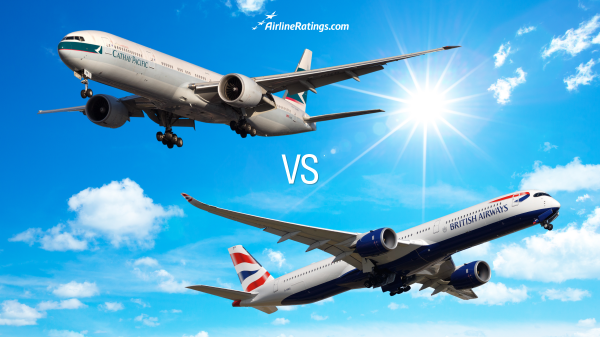
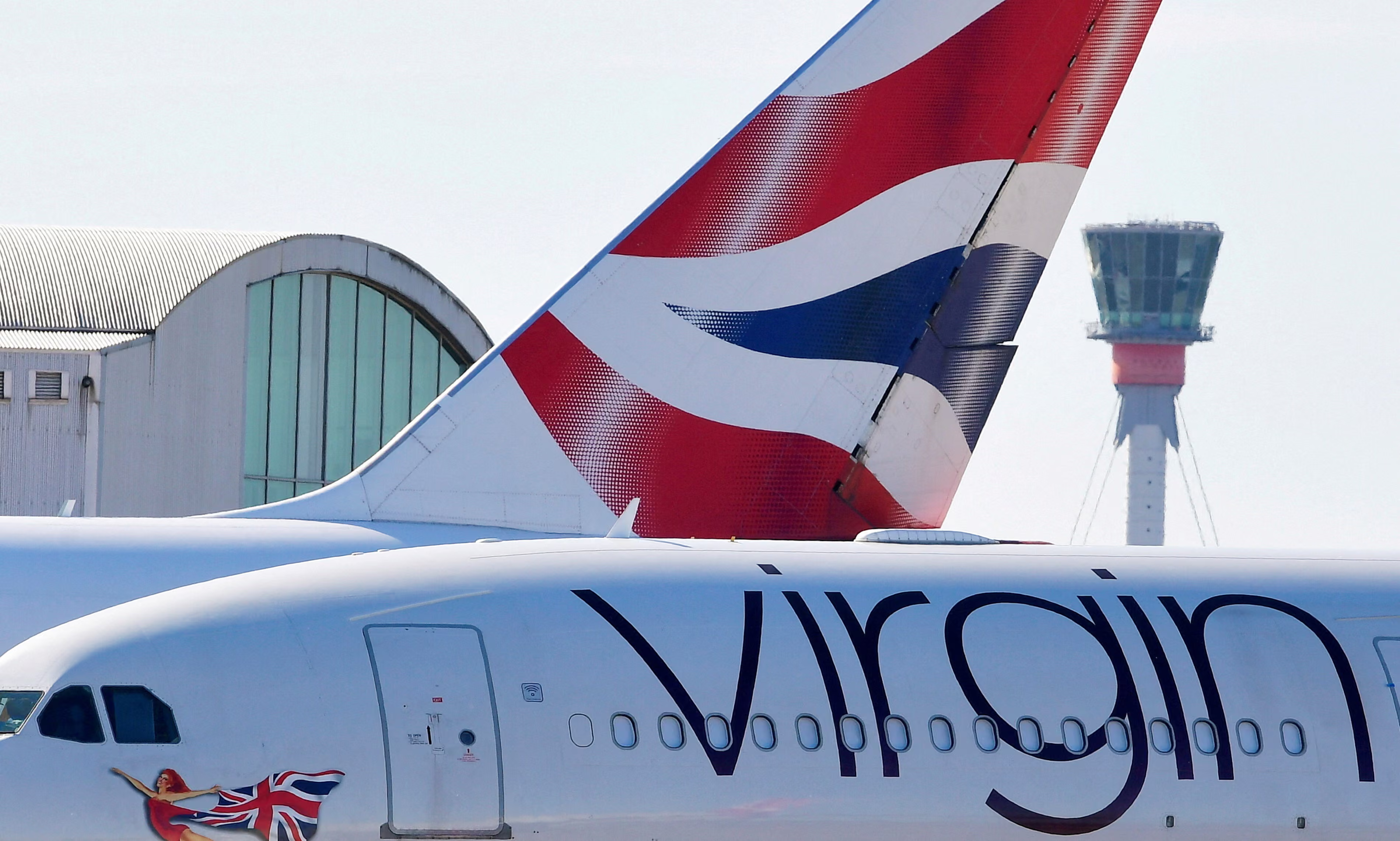
The competition mirrors the global alliance landscape. British Airways and American Airlines represent oneworld, Virgin Atlantic and Delta Air Lines operate a coordinated transatlantic joint venture under SkyTeam, and United Airlines competes from the Star Alliance side through its Newark hub. Then we have the disruptors: JetBlue with its premium-at-a-discount model, and Norse Atlantic competing with budget fares.

British Airways: First-Class and schedule dominance
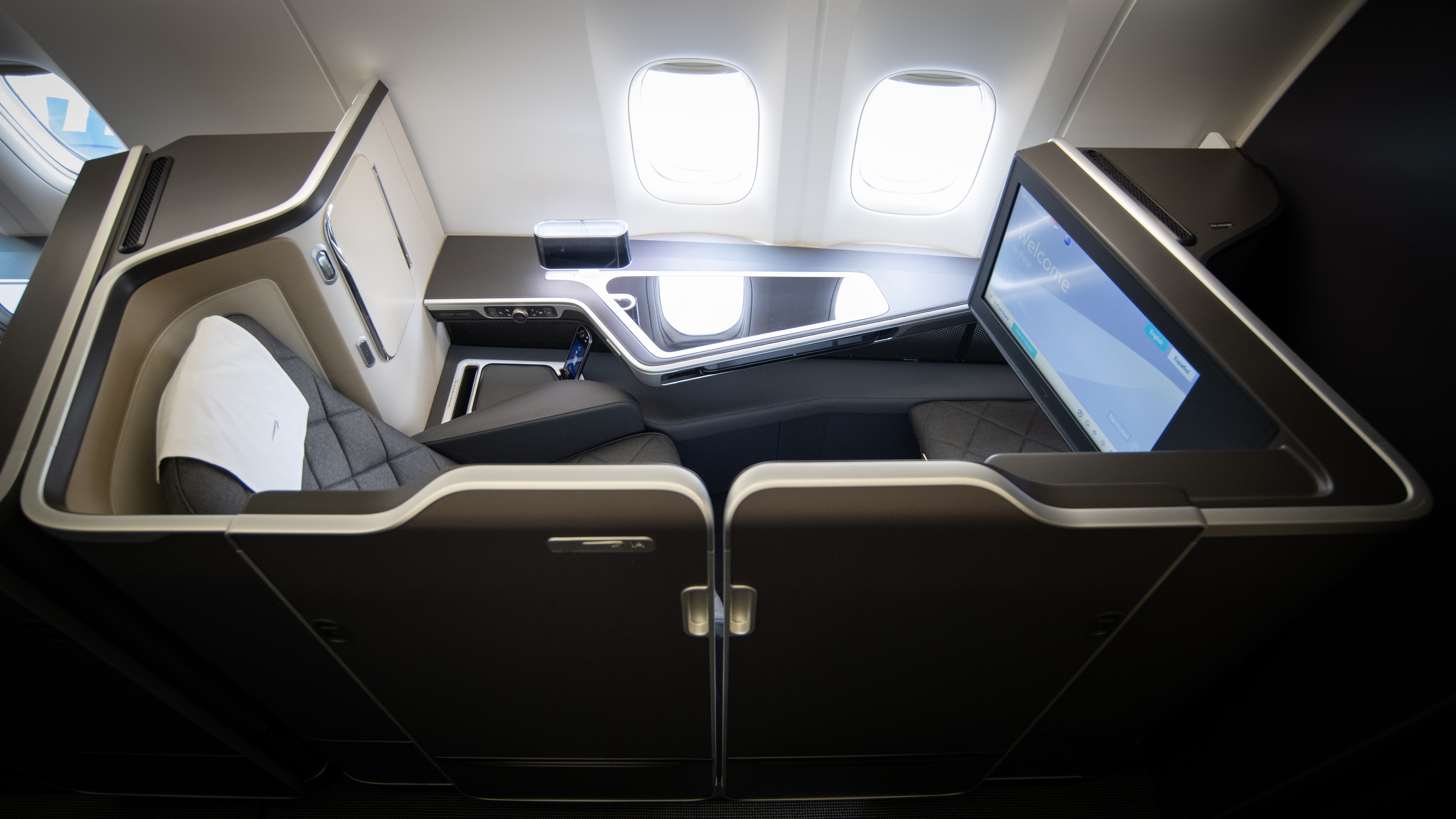
British Airways operates the highest frequency of any airline between London Heathrow and New York, serving both JFK and Newark with multiple daily departures, accounting for around a third of all departures between the cities. Its strategy centres firmly on corporate travel, reflected in keeping a four-cabin configuration, including First Class, which few competitors offer on the route.
The route is operated by Boeing 777 and 787 aircraft, both of which support the four-cabin layout: First, Club Suite, World Traveller Plus, and World Traveller economy. AirlineRatings.com rates British Airways’ Club Suites as one of the strongest business-class products on transatlantic routes, with direct aisle access from every seat.
The core British Airways advantage is schedule flexibility with departures spread throughout the day from Heathrow, allowing corporate travellers to build itineraries around meetings rather than the other way around. This is a practical edge that matters more than cabin specifications to frequent flyers.
American Airlines: oneworld’s connecting airline
American Airlines plays a complementary rather than a competitive role to British Airways within their oneworld transatlantic joint venture. Rather than targeting London-origin corporate travellers, American Airlines mainly serves connecting passengers beyond New York into its wider domestic network. The airline has a higher focus on economy and premium economy cabins to attract a higher number of leisure passengers.
Select Boeing 777-300ER aircraft still feature Flagship First, though American Airlines is transitioning towards business-class-focused configurations complemented by premium economy. Its Flagship Business class suite is broadly comparable to British Airways’ Club Suite, allowing the airline partners to offer a consistent premium experience across networks.
On this route, American Airlines functions less as a direct competitor to British Airways and more as a network extension of it.
United Airlines: the Newark hub strategy
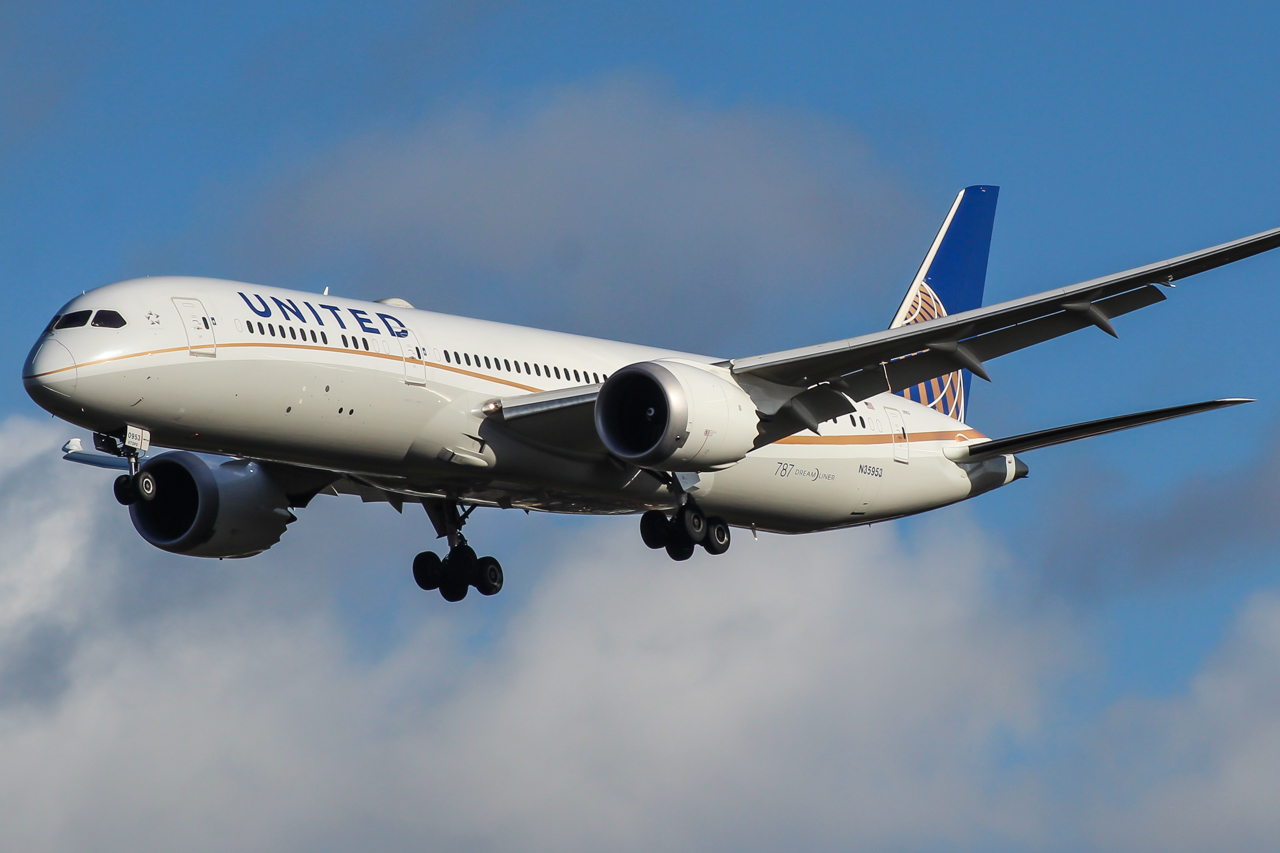
United Airlines operates 48 weekly flights into Newark as opposed to JFK, and that geography is the airline’s intended strategy. By concentrating transatlantic operations at its primary US hub, Newark, United offers connecting passengers seamless access to secondary cities across the United States without transferring airports. For travellers flying London to Chicago, Denver, or Houston, that single-airport connection is a practical advantage.
United therefore competes less on London-origin passengers and more on connecting traffic beyond New York. The airline positions Newark as a single-point gateway to destinations that JFK operators cannot serve directly, competing on network reach rather than cabin luxury or departure frequency.
Delta Air Lines: the joint-venture schedule strategy
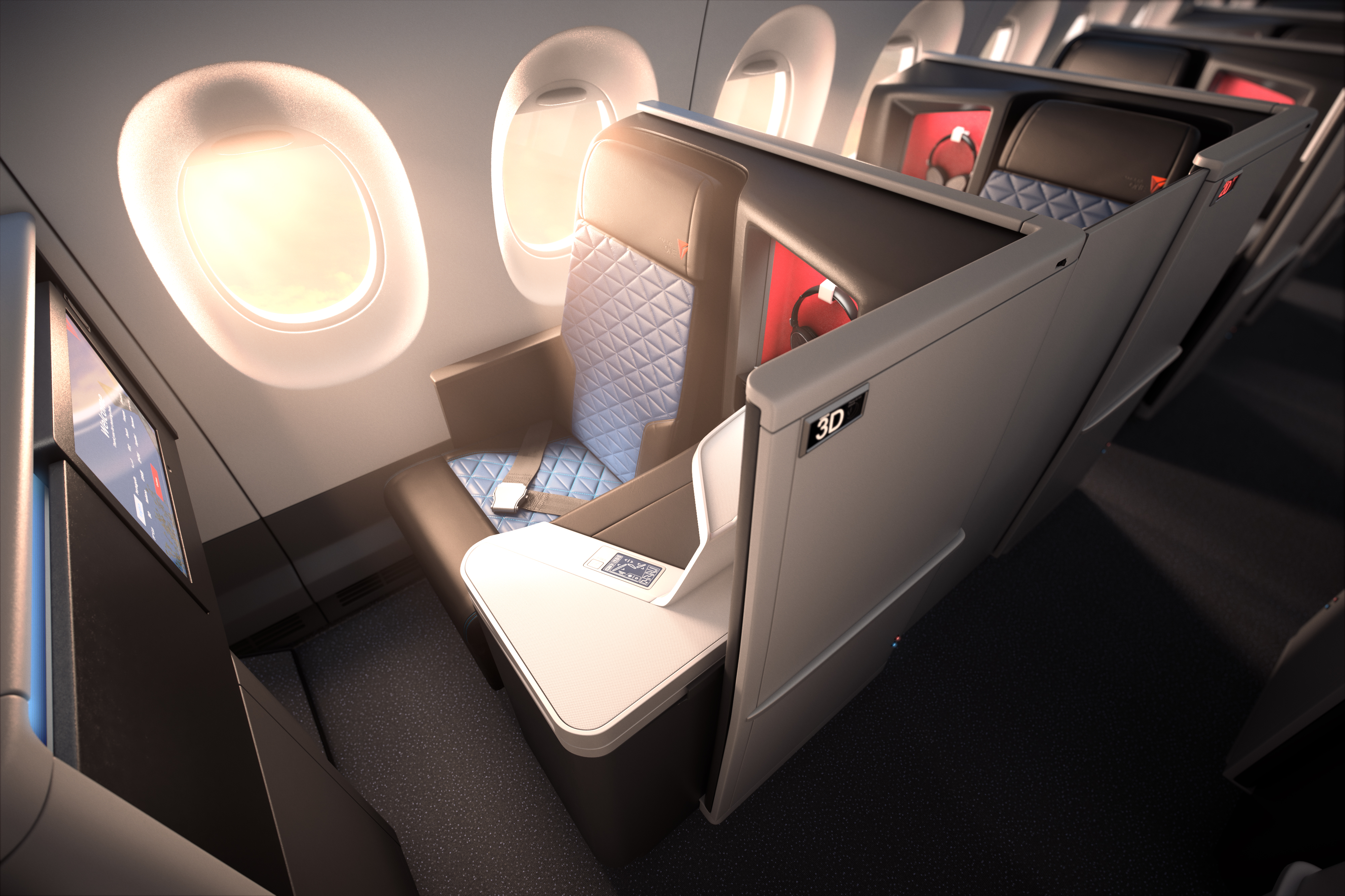
Delta Air Lines does not compete independently on the route. Instead, it operates as part of a coordinated transatlantic joint venture with Virgin Atlantic, sharing schedules, pricing structures, and revenue. This gives travellers who prefer the Delta brand access to Virgin Atlantic’s frequency and vice versa, while both airlines maintain their distinct onboard identities.
The Delta One business-class suite, introduced in 2017 alongside new Delta One lounges at JFK from 2024, offers a fully enclosed suite with a sliding door, competing directly with British Airways’ similar product. The joint venture with Virgin Atlantic gives Delta Air Lines the ability to compete with British Airways’ schedule without operating the full frequency independently.
Virgin Atlantic: the premium experience competitor
Where British Airways competes on frequency, Virgin Atlantic competes on the onboard product. The airline has deliberately positioned itself toward high-spending leisure travellers and small business customers rather than large corporate companies. This strategic choice has shaped the airline’s cabin design with social spaces not found on competitors.
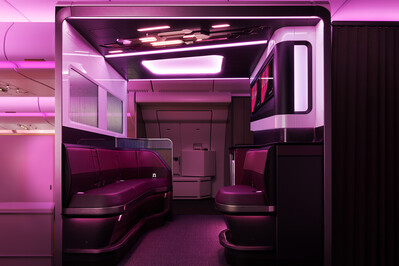
The clearest expression of this strategy is Virgin Atlantic’s investment in The Loft, a lounge area in the Upper Class Cabin, and The Booth – a private dining space. These spaces give passengers a premium social experience at 35,000ft that no other transatlantic carrier replicates. On its A330neo aircraft operating the route, The Loft hosts wine tastings and social gatherings that are designed to make the journey part of the experience.
For leisure travellers willing to pay for business class but who prioritise experience over schedule, Virgin Atlantic remains the most distinctive product on the route.
JetBlue Airways: premium quality at lower fares
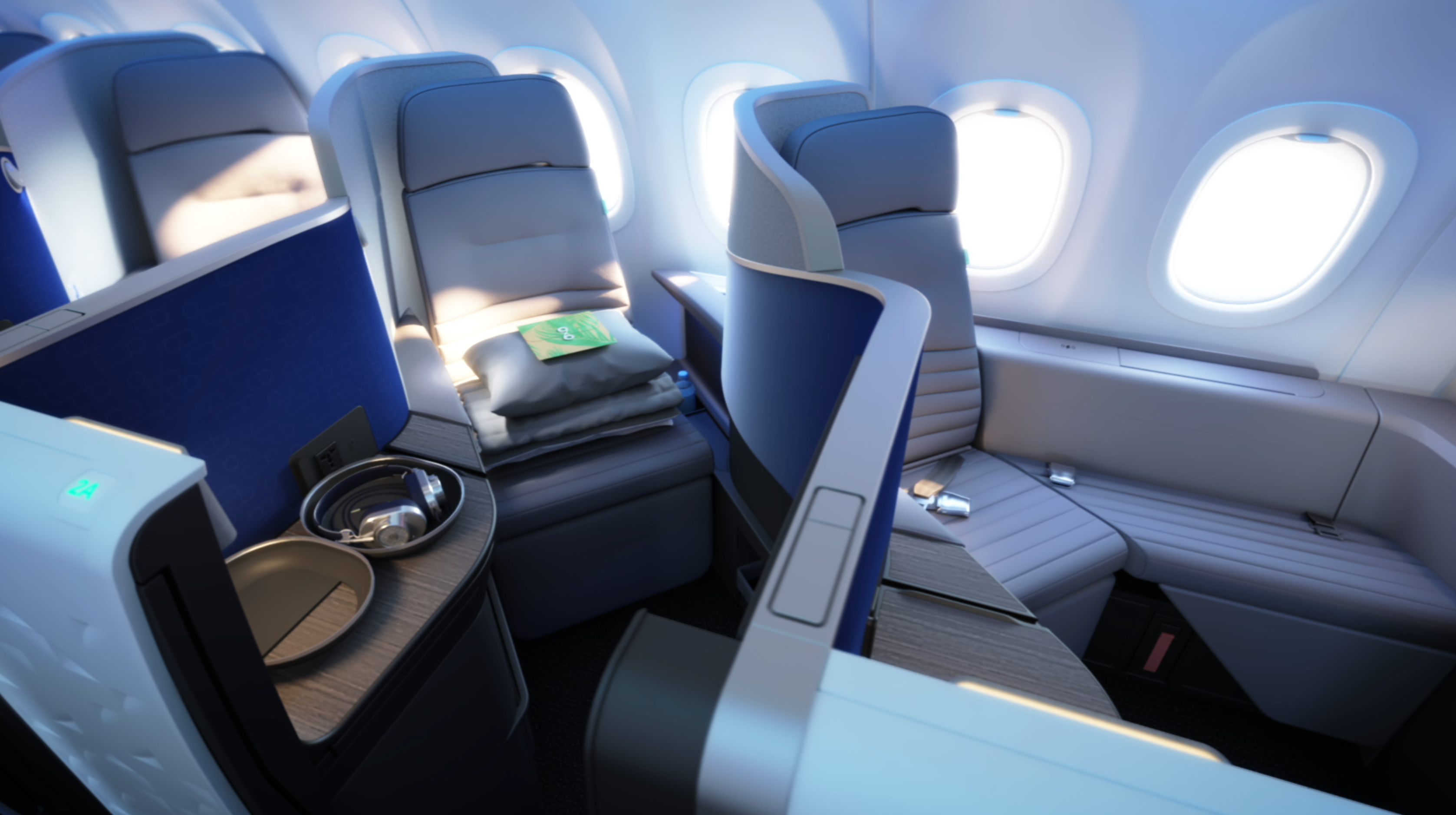
JetBlue is the most disruptive airline on the route. Rather than competing with widebody aircraft, the New York-based carrier entered the transatlantic market with narrowbody A321LRs, configured with a high proportion of business class seats.
Its Mint Business-class suite offers a fully lie-flat bed with closing doors at fares that undercut British Airways and Virgin Atlantic by 30 to 50 percent. Mint Studios in row one provides additional space for passengers willing to pay extra. This positions JetBlue to capture travellers who want lie-flat business without the full-service carrier price tag.
JetBlue operates from London Heathrow to JFK, placing it in direct competition with the established carriers on airport choice as well as in terms of product.
Norse Atlantic Airways: the price competitor
Norse Atlantic occupies a position no other carrier on this list targets: the lowest possible fare. Operating from London Gatwick to JFK, the airline targets leisure travellers for whom price is the largest factor when choosing an airline.
Norse Atlantic does not offer lie-flat business class, but its premium cabin provides extra comfort and space above its standard economy cabin. This is a practical option for budget-conscious travellers who want more than a basic economy fare. Economy follows a low-cost unbundled model, with base fares starting below £200 one-way, which is well below equivalent Heathrow departures – but with meals, baggage, and seat selection charged separately.
For passengers whose priority is getting to New York at the lowest possible cost, Norse Atlantic is the only logical choice for direct flights.
Which airline is best for each traveller?
Although every airline on this list flies the same city pair, they are not competing for the same passengers.
British Airways suits corporate travellers who prioritise schedule flexibility, complemented by American Airlines, which connects passengers throughout the entire United States. However, United Airlines proves the best choice for connections beyond its Newark, New York hub. Delta and Virgin Atlantic together offer the most coherent premium leisure product, while JetBlue competes with the best value business class seat. Norse Atlantic answers only to the most price-conscious passenger.
Every airline on this list flies the same route. None of them are flying it for the same passenger.
Have questions or want to share your thoughts?