Which airline in Mongolia is the safest?

By Sharon Petersen Tue Jul 7, 2026
Mongolia is one of the hardest places on earth to run an airline. The country sprawls across more than 1.5 million square kilometres yet holds only around 3.5 million people, which makes it one of the least densely populated nations anywhere. Winters routinely bite past minus 30 degrees, summer brings dust storms rolling off the Gobi desert, and once you leave the capital city Ulaanbaatar, the road network quickly gives way to gravel tracks and open steppe. For a family heading to Ölgii in the far west, or a mining crew bound for the South Gobi, a flight is often the only sensible way to cover the ground.
So how do Mongolia's carriers actually stack up for safety and how did they get to where they are today?
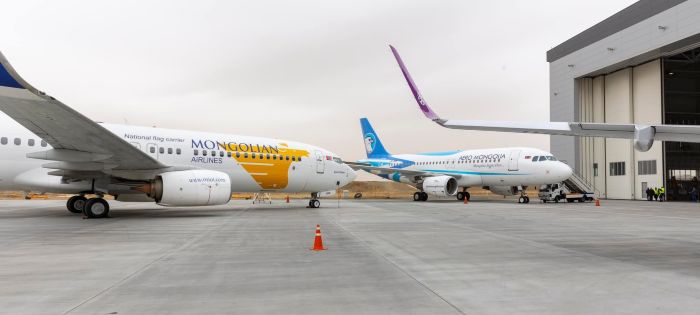
MIAT Mongolian Airlines — 7/7
The flag carrier tops the table with a perfect seven star safety rating, and it earns every point of it.
MIAT traces its roots to 1956, when the first Mongolian crews returned from flight training in Irkutsk and began scheduled services with the Antonov An-2 biplane. For decades the state-owned airline flew almost nothing but Soviet metal, threading An-24s and An-26s out to more than a hundred remote airfields across the country. The break came with Mongolia's shift to a market economy in the 1990s, and MIAT gradually swapped its ageing Antonovs and Tupolevs for Western jets.
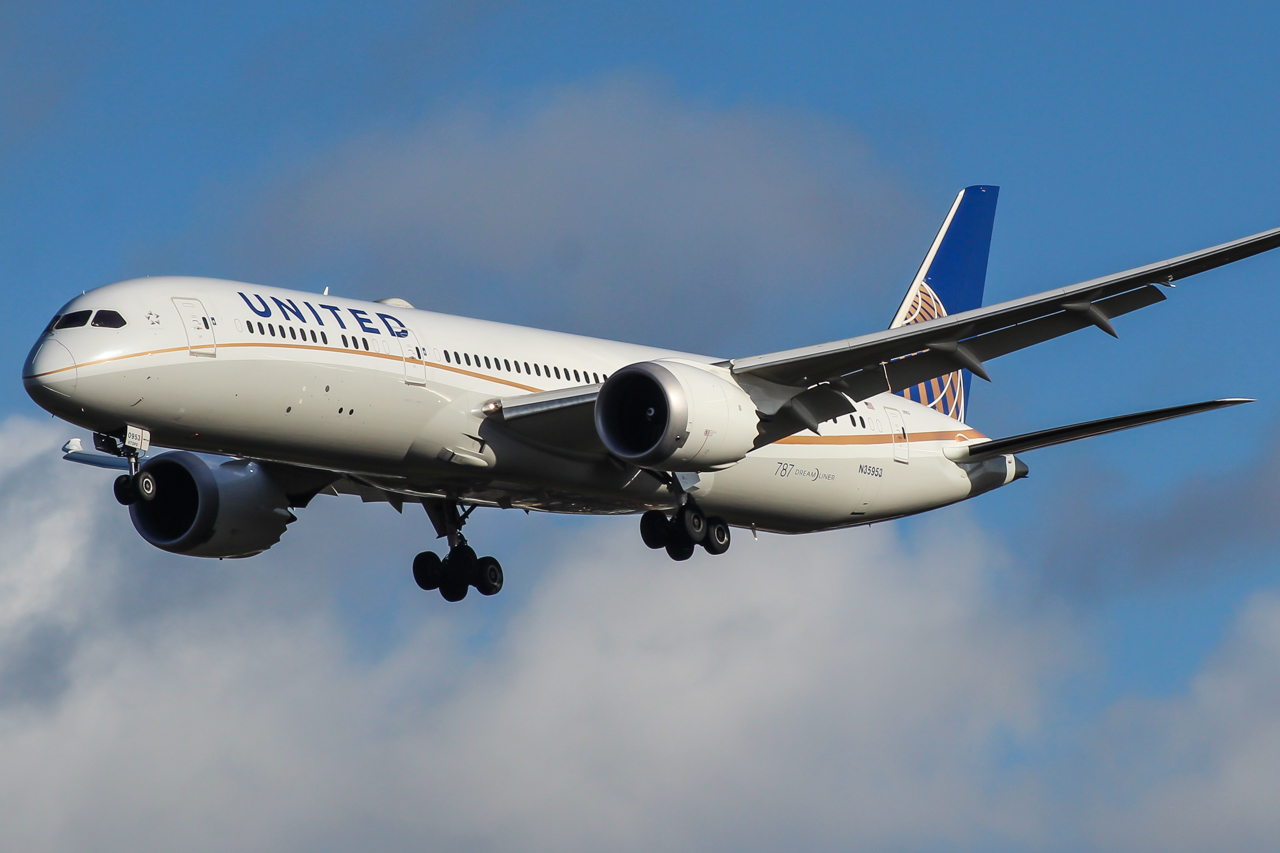
Today it operates a modern, if compact, fleet built around the Boeing family. Two Boeing 787-9 Dreamliners anchor the long-haul network, flying to Frankfurt, Istanbul and Seoul, while a mix of 737-800s, a 737 MAX 8 and a 767-300ER handles regional routes to Beijing, Tokyo, Hong Kong and Bangkok. A pair of Bombardier CRJ700s under the MIAT Regional banner fly to provincial towns. The airline is chasing bigger ambitions still, eyeing direct flights to San Francisco on the back of an Open Skies agreement with the United States, and in mid-2026 it signalled plans to bring in ten Airbus aircraft to sit alongside its Boeings.
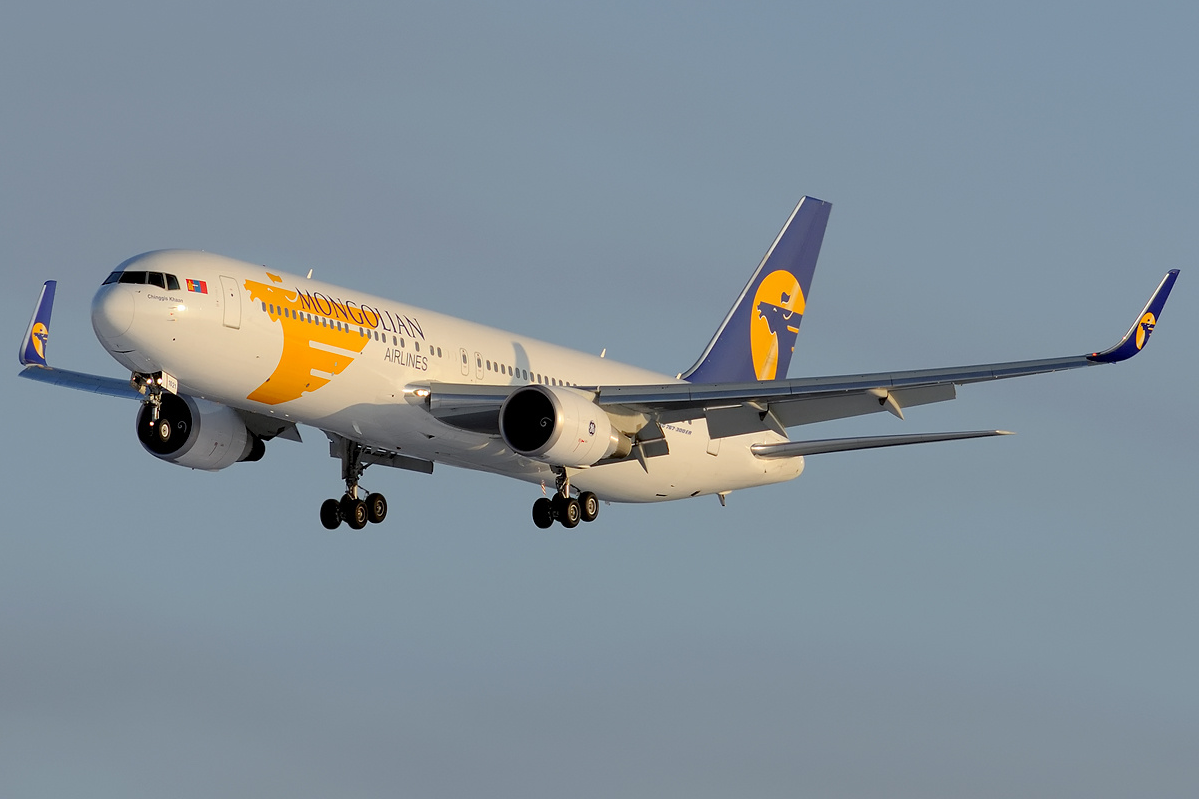
What lifts MIAT to the full seven stars is the combination behind that fleet. The carrier is IOSA registered, the global benchmark audit that Mongolia's smaller airlines have yet to secure. It carries no fatal accidents on its record over the past ten years, sits under no EU flight ban and meets international operating safety standards. Its most recent serious event was a 2016 runway excursion during takeoff at Khovd, and every one of the 111 people on board walked away unharmed.
Aero Mongolia — 7/7
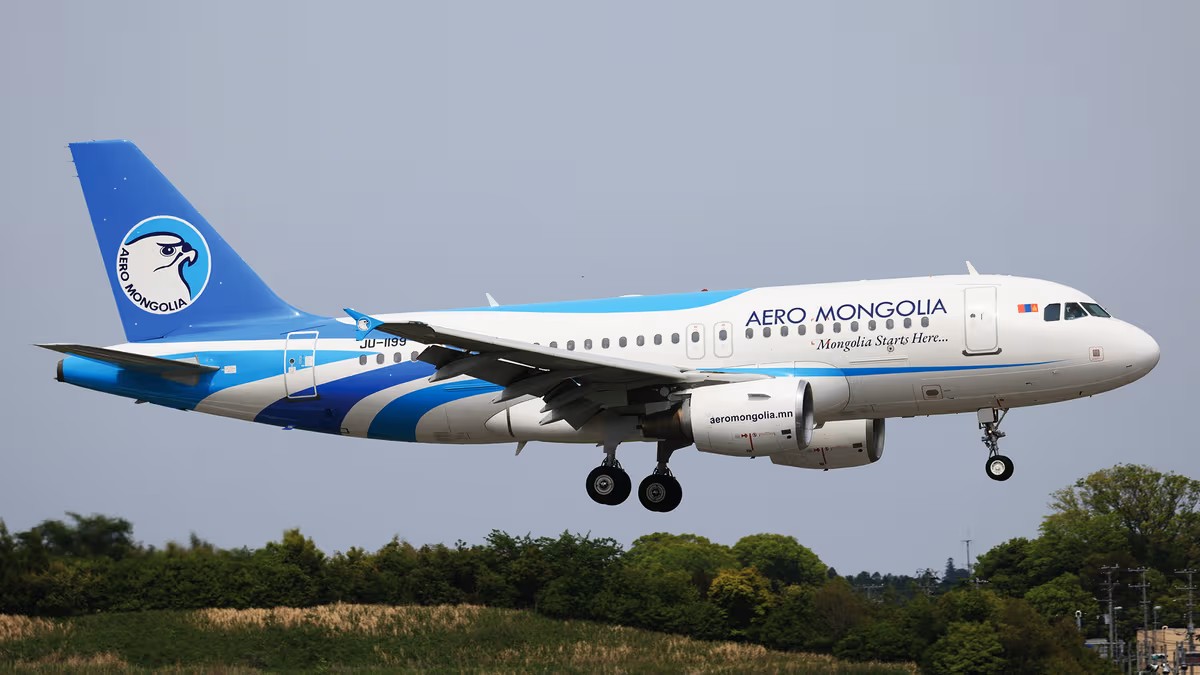
Founded in 2001 and flying from 2003, Aero Mongolia set out to knit together the domestic map and open modest international links to neighbouring countries. It became part of the Monnis Group in 2007, which brought steadier management and the money to modernise. The airline has since retired its older Fokkers and now flies a leaner fleet built around the Airbus A319 and the Embraer ERJ-145 regional jet.
Its network leans on the provinces, serving tourist gateways such as Ölgii, Khovd and the Gobi, alongside a growing slate of regional international routes to Tokyo, Seoul, the Chinese cities of Hohhot and Tianjin and Russian points including Irkutsk and Novosibirsk. Like MIAT, the airline is IOSA registered, carries no fatal accidents on its record over the past ten years, sits under no EU flight ban and meets international operating safety standards.
Hunnu Air — 5/7
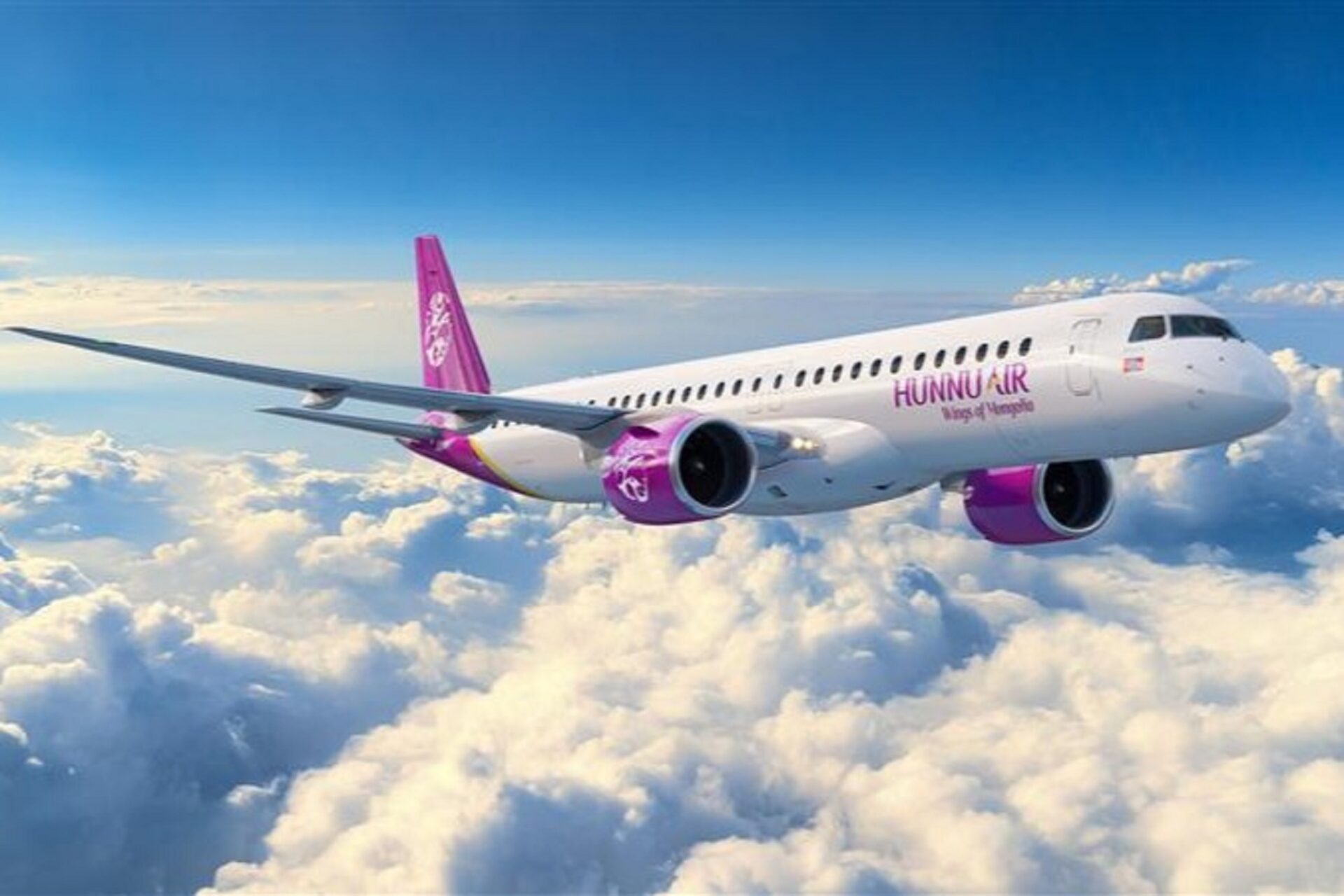
Hunnu Air rounds out the scheduled trio with a five-star rating.
The airline launched in December 2011 as Mongolian Airlines, but the name sat awkwardly close to MIAT and, facing a legal tangle, it rebranded in April 2013 as Hunnu Air. The name nods to the Xiongnu, the ancient steppe empire known in English as the Huns, and the carrier leans into that heritage with culturally themed liveries. Backed by the mining group Mongolyn Alt MAK and the Bodi Group, Hunnu built its business on domestic connectivity, running turboprops into the kind of short gravel strips that define regional flying in Mongolia.
Its fleet has evolved from early Fokker 50s and ATR 72-500 turboprops towards jet equipment, with Embraer 190s added in recent years and the newer Embraer 195-E2 joining from 2025. Hunnu holds a clean recent safety record and passes muster on operating standards, but its five stars reflect the two points it forfeits for not yet holding IOSA registration. That is a gap in independent audit coverage rather than evidence of an unsafe operation.
The bottom line
Mongolia's skies are considerably safer than its rugged geography might suggest. None of the country's main carriers have recorded a fatal accident in the past decade, and the gaps between them come down largely to audit registration and fleet modernisation rather than any difference in crash history.
For travellers weighing up a flight across the steppe, the message is a reassuring one. Flying remains not just the fastest way to cross this enormous country, but a genuinely safe one.
Safety ratings current as of July 2026 and drawn from the AirlineRatings.com seven-star safety assessment.
Have questions or want to share your thoughts?