Sleeping pilot flew 78kms past airport

By Steve Creedy Tue Jun 25, 2019
A sleeping pilot who flew almost 80kms past his destination had been awake for 24 hours and was acutely fatigued, an investigation has found.
The Australian Transport Safety Bureau said the early-morning incident highlighted the need for pilots to assess their level of fatigue before and during flights.
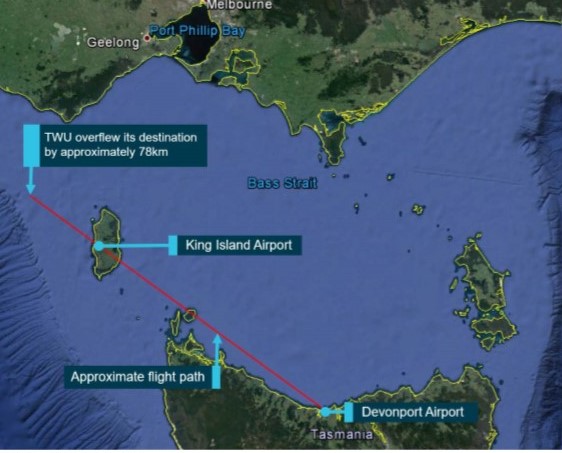
The pilot of the Piper PA-31-350 was the only person on board the plane on a freight run between Devonport in Tasmania and King Island on November 8, 2018.
As the aircraft reached top of descent into King Island, the pilot started to feel tired and quickly fell asleep.
Air traffic controllers tried to contact him several times before he woke and advised he was turning back to King Island.
WATCH NASA and the FAA "crash" a Fokker.
The plane had been on autopilot and had overflown the island by 78kms to the north-west.
The aircraft landed without incident but after talking with the aircraft operator the pilot then flew from King Island to Melbourne's Moorabbin Airport to complete his shift.
The pilot had landed in Devonport from Moorabbin after midnight and had started a three-hour rest break about 2 am but had been unable to sleep.
It was his first shift after five days of planned leave but he had not modified his normal sleep pattern prior to starting nightshift and had been awake for about 24 hours.
Investigators found the pilot’s fatigue was at a level known to affect performance and his performance would still have been affected even if he had been able to sleep during the rest period.
In addition to urging pilots to assess fatigue levels, the ATSB advised those starting night operations to modify their usual sleep routines to ensure they were adequately rested.
It also called on operators to consider the risks of allowing a pilot to continue operating directly after a fatigue-related incident without corrective management.
“Just as it is the pilot’s responsibility to use rest periods to get adequate sleep and to remove themselves from duty if they feel fatigued, it is also incumbent on operators to implement policies and create an organisational culture where flight crew can report fatigue and remove themselves from duty in a supportive environment,” ATSB executive director transport safety Nat Nagy said.
Have questions or want to share your thoughts?