How a 747 ended up in the South China Sea

By Sharon Petersen Tue Nov 25, 2025
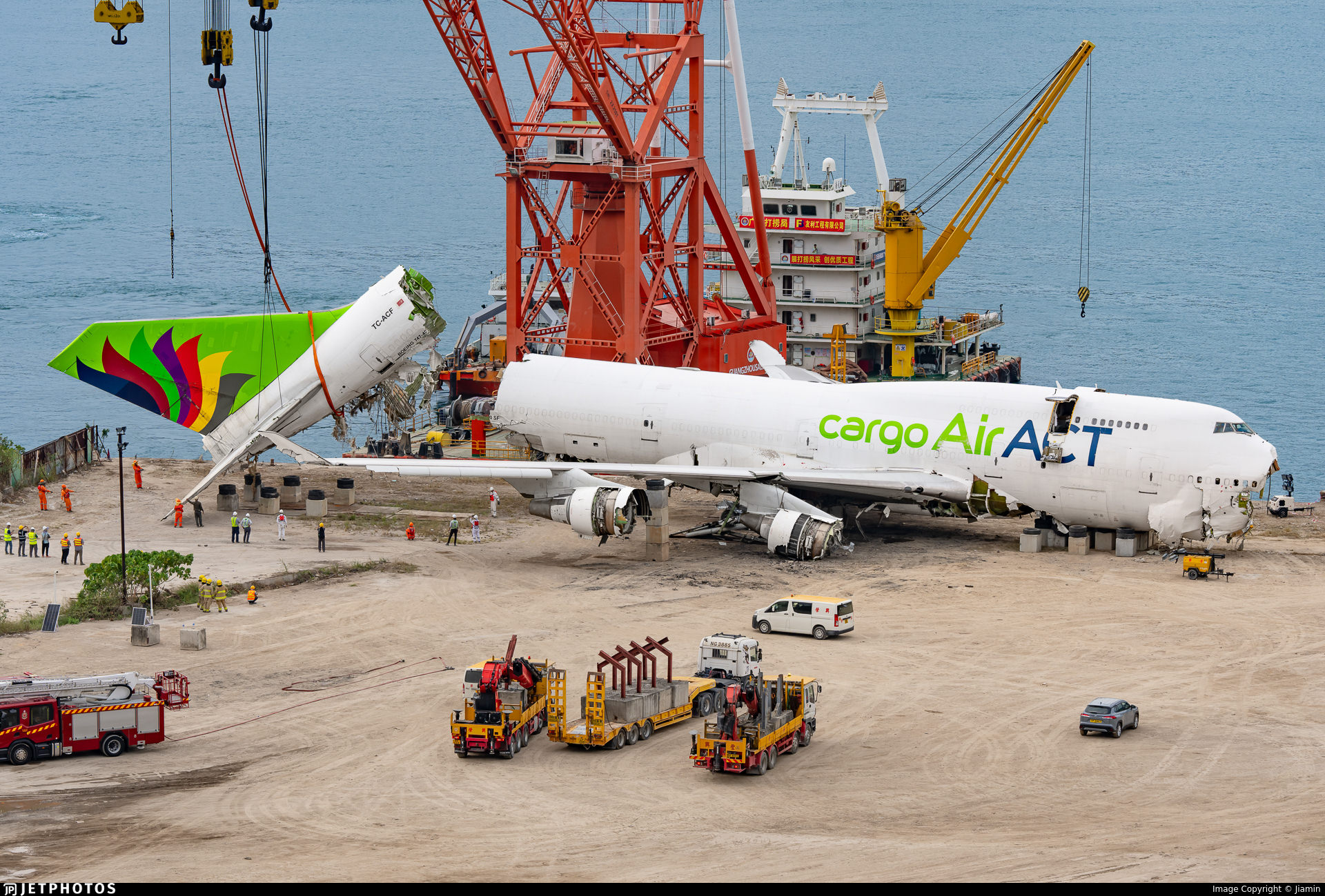
The Hong Kong Air Accident Investigation Authority (AAIA) has released its preliminary report into the airACT Boeing 747 freighter accident that occurred on 20 October. The aircraft, operating a flight from Dubai, veered off the runway during landing and collided with a security vehicle, pushing it into the sea and killing both occupants.
After breaching the airport perimeter fence, the 747 came to rest in the water. All four crew members were able to evacuate safely, although the aircraft was damaged beyond repair.
Key findings from the preliminary report
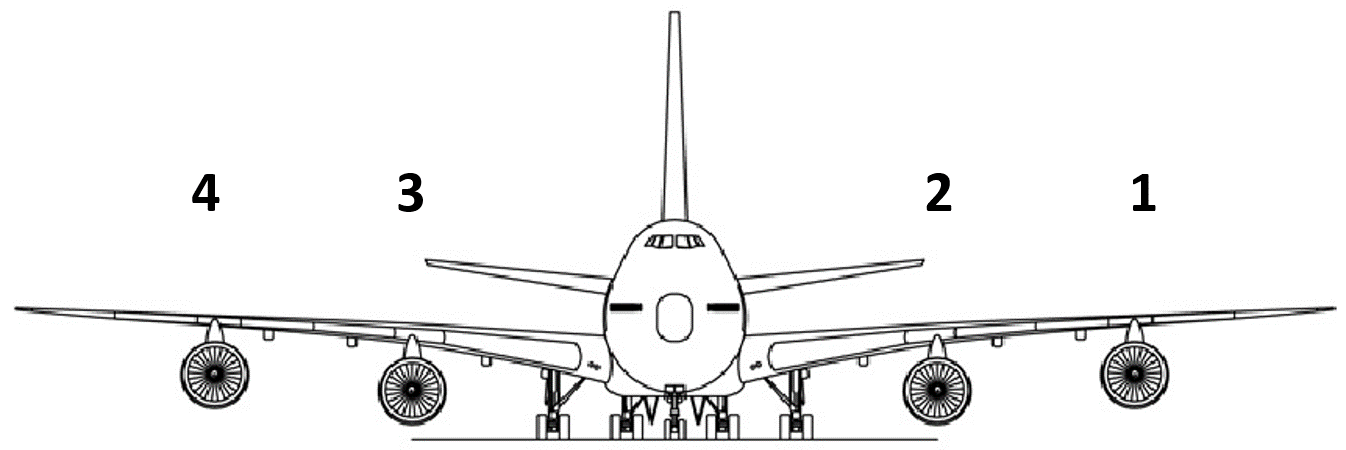
The aircraft was dispatched in accordance with the Minimum Equipment List, with it known that the thrust reverser on Engine Number 4 was inoperative. This is permitted under aviation rules as the aircraft could still rely on its autobrake system and the remaining three thrust reversers for landing. For the landing, the first officer was acting as pilot flying while the captain served as pilot monitoring.
After touchdown, the speed brake lever was extended with the appropriate crew call. Reverse thrust, which redirects engine thrust forward after landing to help slow the aircraft, was deployed on Engines 2 and 3 at roughly 95 percent, while Engine 1 was selected to idle reverse.
At some point after landing, the crew received an AUTOBRAKES message on the Engine Indicating and Crew Alerting System (EICAS). The autobrake system subsequently disengaged, prompting the crew to commence manual braking. At this stage, the captain took control of the aircraft.
Shortly afterwards, Engine Number 4, located on the far right side of the aircraft, accelerated to 90 percent thrust before surging to between 106 percent and 107 percent over a period of twelve seconds.
With the other three engines in idle or reverse thrust and Engine Number 4 providing forward acceleration, the aircraft veered left off the runway.
It was the deadliest airport incident in the financial hub in more than twenty-five years.
All four crew members on board survived, but the aircraft was destroyed, with the tail section separating on impact, according to the report.
As is standard with preliminary accident reports, the AAIA has provided only factual information at this stage. A full analysis of contributing factors and the probable cause will be included in the final report, which is typically issued around twelve months after the incident.
Full a full copy of the report click here.
Have questions or want to share your thoughts?