HK Express vs Jeju Air: Comparing Hong Kong’s and Korea’s Low-Cost Airlines
By Josh Wood Fri Sep 18, 2026
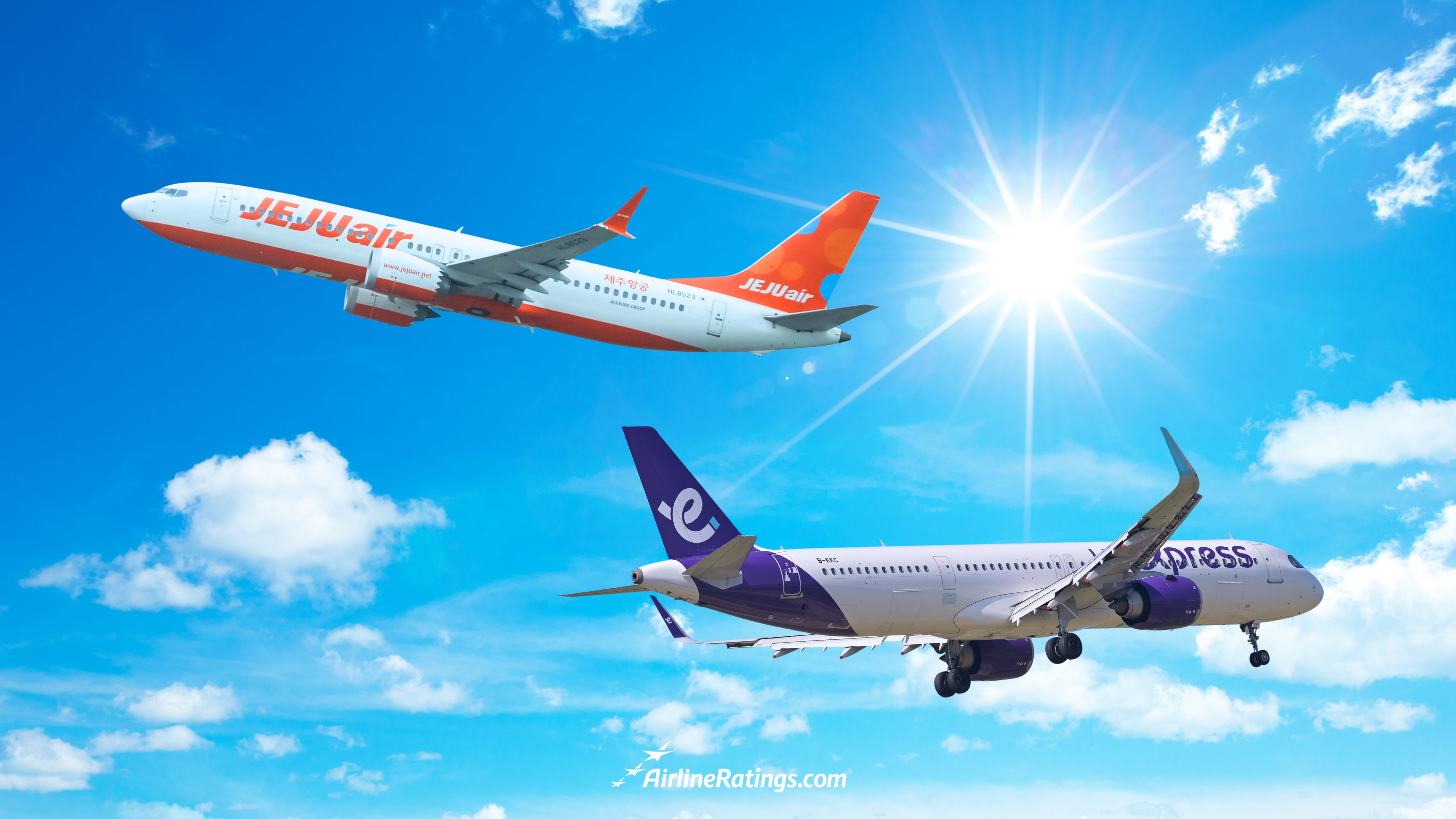
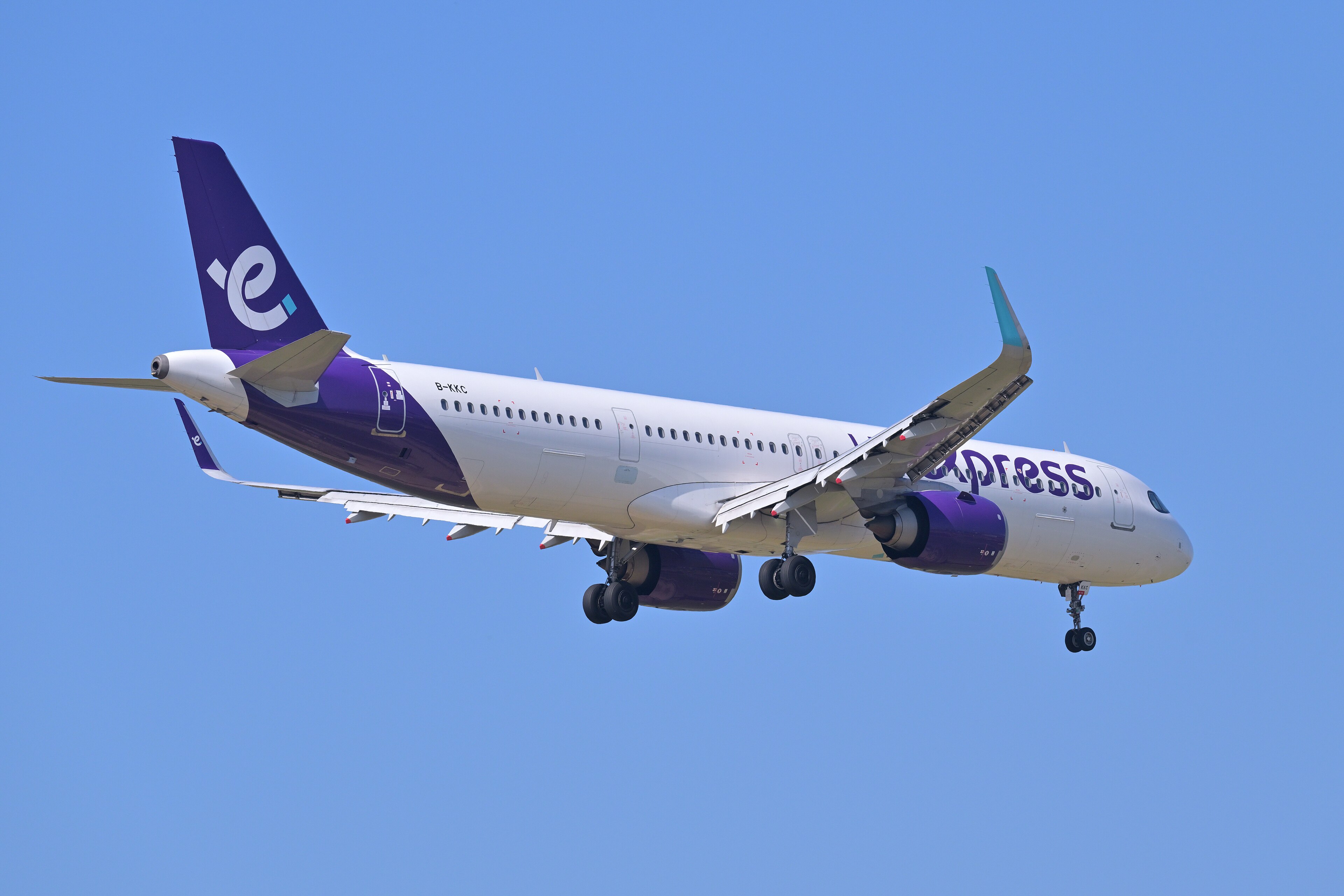
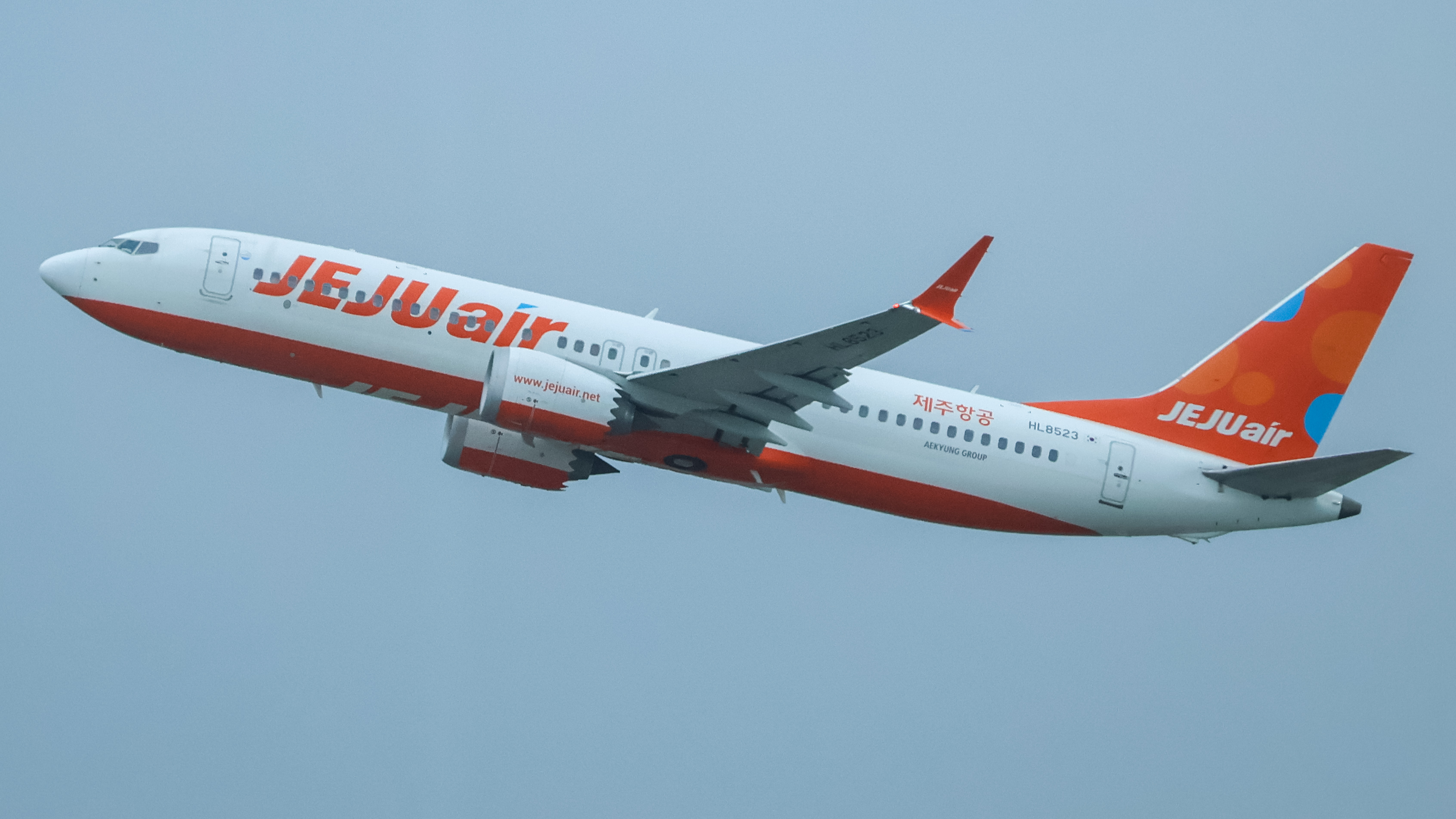
Hong Kong–Seoul is a fiercely competitive international route, with a host of airlines competing for passengers between the two major Asian hubs. Hong Kong’s homegrown low-cost carrier, HK Express, is the major low-cost player from the Hong Kong side, while Jeju Air is the leading Korean low-cost carrier on the route.
With fares, frequency and the onboard offering all varying between the two, how do these low-cost giants really compare? We put them head-to-head on price, schedules, baggage, seats, onboard menu and overall experience to see who deserves your booking.
HK Express offers a more flexible schedule
HK Express operates five daily flights from Hong Kong, departing at 00:50, 07:15, 09:45, 16:55 and 21:00, with a flight time of around 3 hours and 40 minutes to Seoul Incheon. The airline uses its Airbus A321 and A321neo on the route, with 230 and 236 seats, respectively.
Jeju Air offers just one daily flight, departing Seoul Incheon at 20:40 and returning from Hong Kong at 00:35, using either its Boeing 737-800 or 737 MAX 8 aircraft with 189 economy seats.
With 35 flights per week vs 7 the sheer volume of departures gives HK Express the edge here.
How do Jeju Air and HK Express compare onboard
As both airlines are low-cost carriers, extras such as meals, snacks, drinks and seat selection are all chargeable.
Seats and legroom
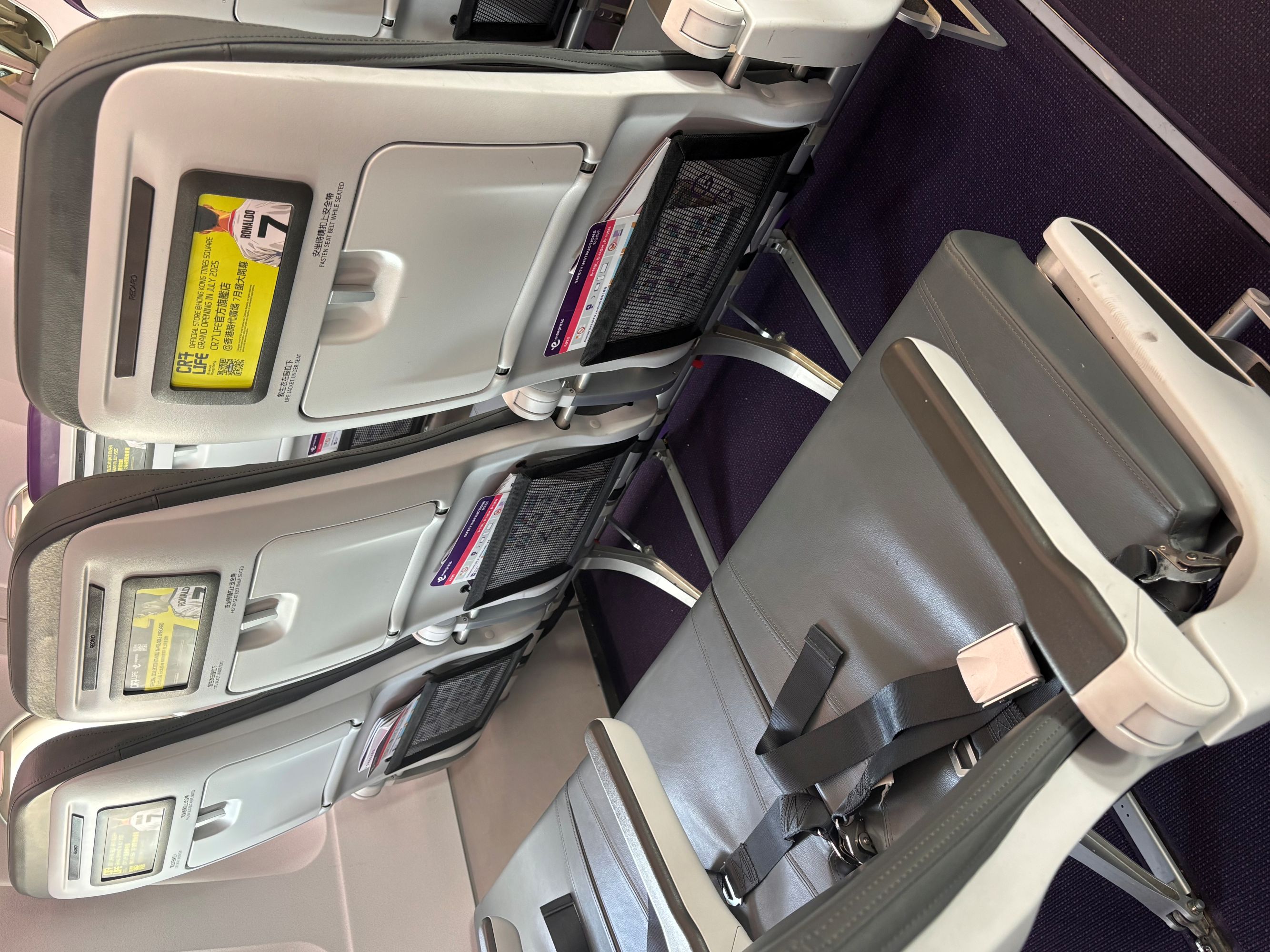
HK Express offers the wider seat at 18 inches, compared with 17 inches on Jeju Air. Jeju Air, however, has slightly more legroom, with a seat pitch of 29 to 30 inches compared with 28 inches on the HK Express A321neo and 28 to 29 inches on the A321. The clearest difference is recline, with Jeju Air’s seats tilting back by three inches while HK Express seats are fixed upright. This is worth knowing if you’re considering either of the overnight departures from Hong Kong.
Overall, passenger space is virtually like-for-like, with each airline having a small advantage in different areas.
Aircraft | Seat Pitch | Seat Width | Seat Recline |
HK Express A321neo | 28 inches | 18 inches | None |
HK Express A321 | 28-29 inches | 18 inches | None |
Jeju Air B737-800 | 29-30 inches | 17 inches | 3 inches |
Jeju Air 737 MAX 8 | 29-30 inches | 17 inches | 3 inches |
Seat selection
HK Express sells three seat types, with Comfort Seats offering 34 inches of legroom in row 1 and the exit rows, Upfront Seats in rows 2 to 10, and Standard Seats from row 11 back. Passengers who do not pay for seat selection are assigned a seat at random. The HK Express inflight menu lists Standard Seats at US$13, Upfront Seats at US$19 and Comfort Seats at US$33.
Jeju Air also charges for advance seat selection, with standard seats costing US$4 to US$8, extra-legroom seats US$17 and front-row seats US$20. It also offers passengers the option to purchase the seat beside them for US$30, or an entire row of three seats for US$60, purchased at the airport on the day of departure, subject to availability.
On the 00:35 overnight return from Hong Kong, having a full row to yourself for US$60 could make for a considerably more comfortable journey and is an interesting option. The trade-off, however, is that you won’t know whether it is available until you arrive at the airport, as it depends on the aircraft’s load on the day.
Food and drink
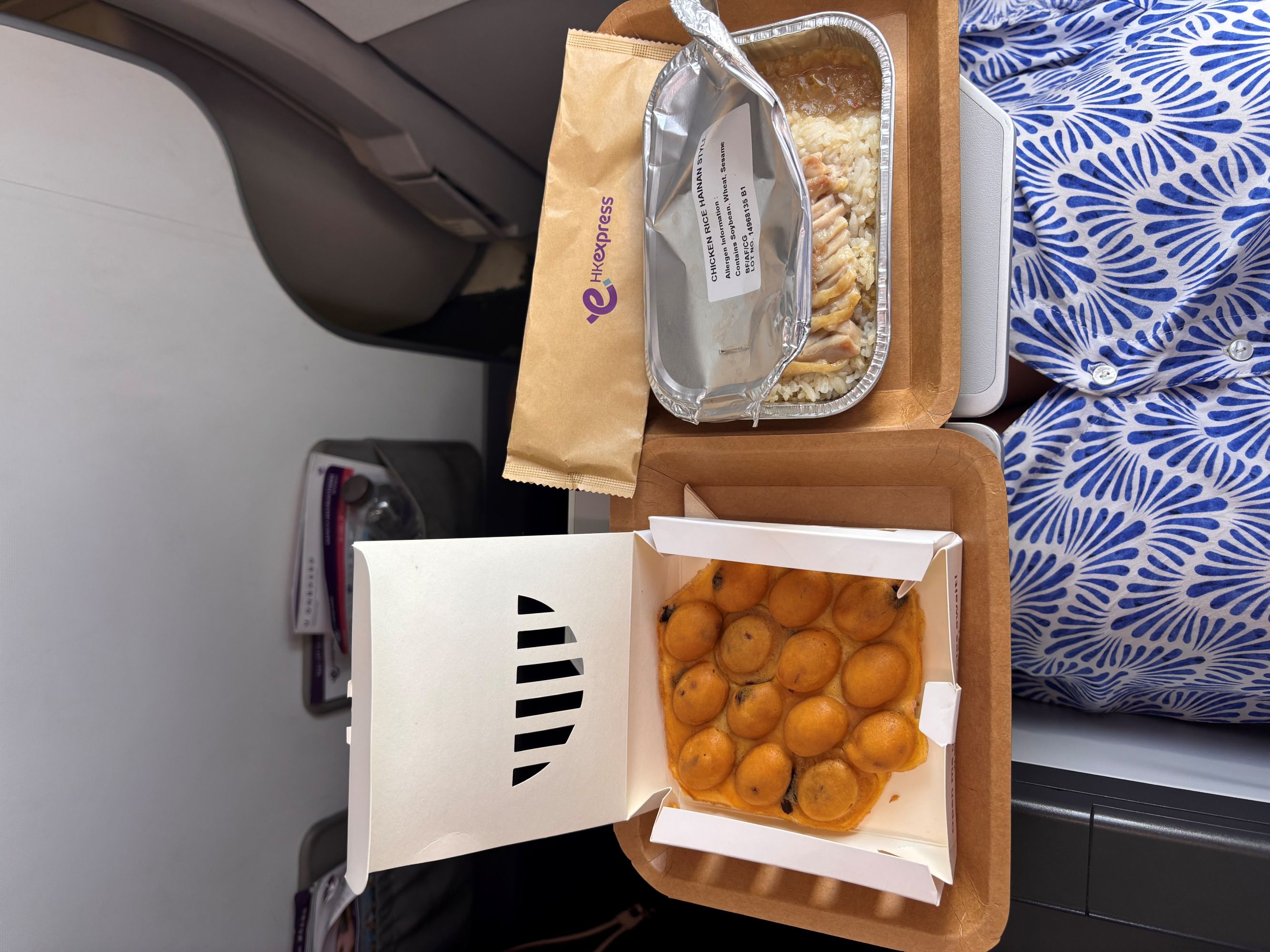
Each airline leans on its home city for the menu, with HK Express working with well-known Hong Kong restaurant names. Hot meals such as the Tsui Wah beef brisket curry, the Satay King white curry lemongrass pork chop rice and the A-1 Bakery carbonara cost around $10USD, while a triple-cheese mac and cheese with a juice is $8USD. Hong Kong snacks are cheaper, with a pineapple bun with BBQ pork, rice noodle rolls or an egg waffle at $4.50USD and cup noodles at $4USD.
Drinks start at $1.30USD for water, with tea and coffee at $2.50USD, soft drinks at $3USD and a Hong Kong-style milk tea at $5USD hot or $6USD cold. A Tsingtao beer costs $5USD and an Asahi $6USD, while adding a drink to any meal costs an extra $2USD. Pre-ordering online saves up to 28 percent on the onboard price, although some meals must be booked at least 24 hours before departure.
HK Express is earning a reputation for its outstanding onboard food and shopping menu, and after being lucky enough to try it for ourselves, the AirlineRatings editors can confirm that the food alone is a reason to look forward to the flight.
Jeju Air’s pre-order menu is Korean-led and runs from $6USD for a cup noodle to $18USD for braised beef ribs with rice. Bibimbap and bulgogi rice both cost $16USD, a vegan Jeju vegetable bibimbap is $13USD and there is a fried chicken and beer set for $16USD. That makes HK Express the cheaper airline to eat on, with its hot meals at around $10USD against $12USD to $18USD on Jeju Air.
Neither offers entertainment or connectivity
Neither airline provides inflight entertainment, and neither offers Wi-Fi for messaging, streaming or web browsing, so passengers will need to download their own content to their devices before flying. HK Express does, however, operate an onboard Wi-Fi network on selected aircraft, which passengers can connect to using their own phone to order food, follow a live flight map and shop.
Neither airline has in-seat power, so passengers should make sure their devices are fully charged before boarding. Power bank usage is also not permitted by either airline.
Both airlines lean on their cabin crew to liven up the flight. Jeju Air runs an in-flight Fun Service with a list that includes magic shows, balloon art, caricature and calligraphy, tarot card readings, group games, and a Sky Radio segment where passengers can share a message over the cabin speakers, and crew can even help stage a marriage proposal. HK Express crew run onboard games and take Polaroid photos for passengers, and the airline also sells an Inflight Party Celebration Set with a cheesecake, a greeting card and two drinks on flights departing Hong Kong.
HK Express is far cheaper
We priced a seven-day return trip between Hong Kong and Seoul Incheon, departing on October 12th 2026. The HK Express itinerary originated in Hong Kong, while the Jeju Air itinerary originated in Seoul Incheon.
The difference was striking, with Jeju Air coming in at roughly twice the price when comparing like-for-like fares. Even more interestingly, for just US$56 more than the Jeju Air fare, passengers could fly with full-service carrier Korean Air, with inflight meals, entertainment and a full bar service included.
The table below highlights just how significant the fare difference was, but it also shows why it is important to look closely at what is included in the headline price. Jeju Air includes checked baggage in its fare, while HK Express offers a very basic seat-only fare, meaning passengers taking baggage will need to add it to the cost.
HK Express Fares
Fare | Included | Return price |
Ultra Lite | Small personal item | $101USD |
Lite |
| $114USD |
Essential |
| $146USD |
Max |
| $172USD |
Jeju Air Fares
Fare | Included | One-way price | Return price |
Standard |
| $145USD | $318USD |
Baggage+ |
| $174USD | $376USD |
Bag&Seat+ |
| $177USD | $380USD |
Premium+ |
| $188USD | $404USD |
Safety and awards set HK Express apart further
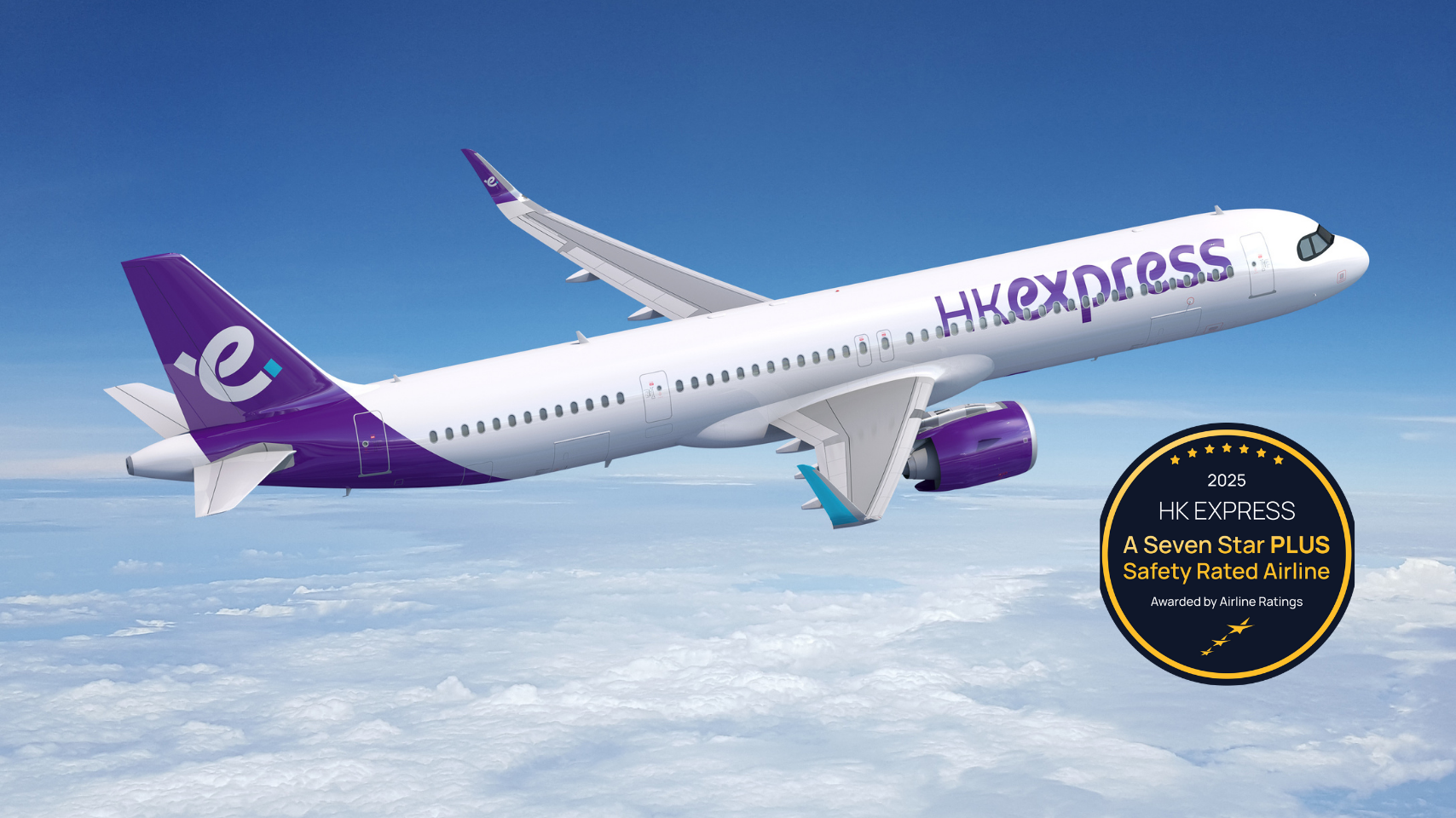
AirlineRatings.com named HK Express both the World's Best Low-Cost Carrier and the World's Safest Low-Cost Carrier for 2026. The airline also achieved a Seven Star PLUS safety rating following our independent onboard cabin safety audit in late 2025.
Jeju Air holds a Five Star safety rating following the loss of flight 2216 in December 2024, when a Boeing 737-800 made a belly landing at Muan International Airport after a bird strike, overran the runway and struck a concrete structure housing the localiser antenna. Of the 181 people onboard, 179 died.
Which airline should you choose?
HK Express is the easy choice between Hong Kong and Seoul. It offers five departures a day against one, holds the higher safety rating and, on the dates we priced, even its most inclusive fare cost just over half the price of the cheapest Jeju Air ticket.
Jeju Air makes more sense for passengers who put comfort first on an overnight flight, with a reclining seat, slightly more legroom and the option of an empty row for US$60.
With ten airlines competing on this busy route, including Cathay Pacific, Korean Air, Air Busan and Hong Kong Airlines, passengers have plenty of choice. For travellers focused on cost, frequency, safety and an onboard menu that is genuinely part of the overall travel experience, HK Express offers a compelling combination and deserves your booking.
Have questions or want to share your thoughts?