French investigators download Ethiopian cockpit voice recorder

By Steve Creedy Sun Mar 17, 2019
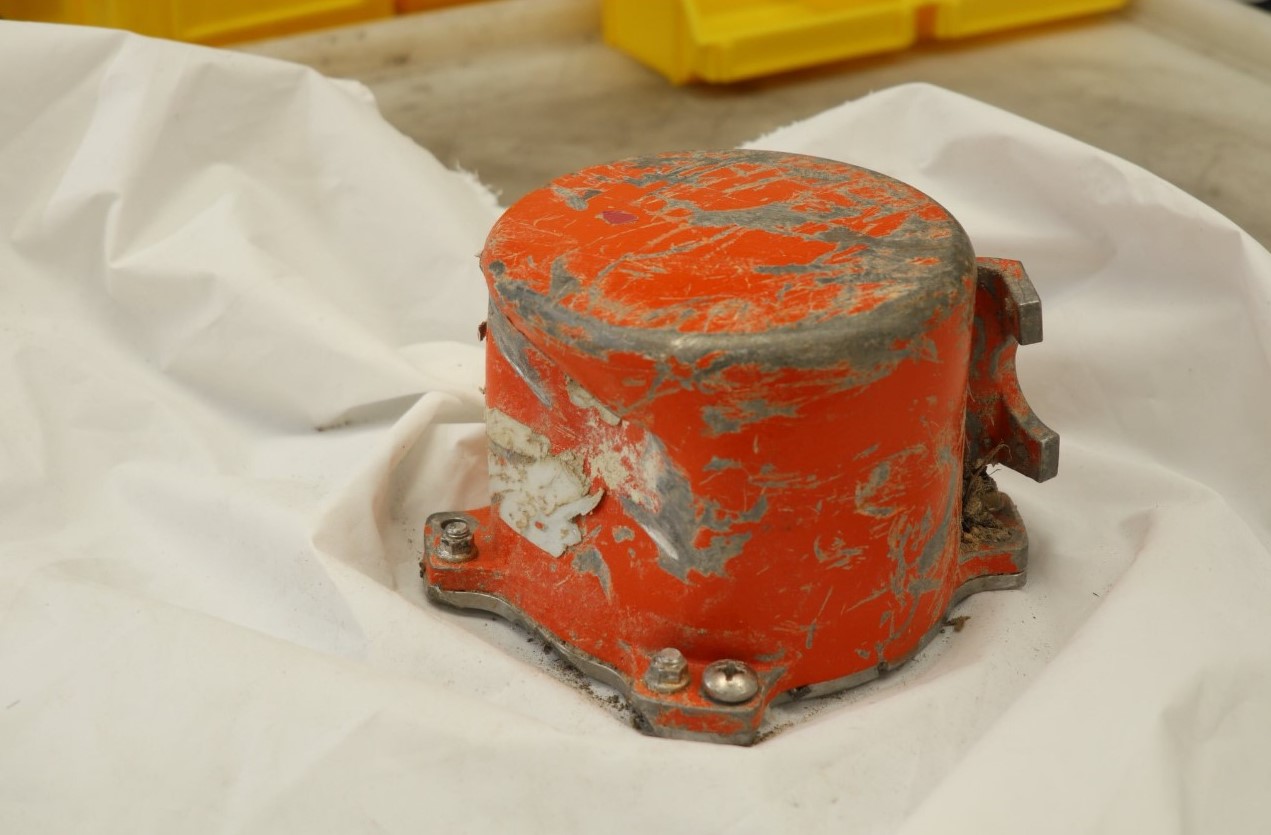
French air crash investigators say they have successfully downloaded information from the cockpit voice recorder of Ethiopian Flight 302.
The Bureau D’Enquetes and d’Analyses (BEA) said the data had been transferred to the Ethiopian investigation team.
The French investigators said they did not listen to the audio files and work of the flight data recorder was continuing Sunday.
It will be up to Ethiopian investigators, who are leading the probe into the crashed jet, to decide when to make the information publicly available about the crash, which killed 157 people last Sunday.
However, some insights into the last moments of the crashed have already been leaked to media.
Reports from The New York Times and Reuters suggest that the pilot complained about flight control problems just a minute after take-off and that the plane was traveling at an unusually high speed.
READ: Chilling last moments as plane hits problems straight after take-off
He had asked to go to 14,000 ft before making a “panicky” request to turn back.
A source told Reuters said the plane reached speeds of about 400 knots rather than the 200 to 250 knots more typical after departure.
The source did not know which pilot was speaking but said it was the same person throughout. The New York Times said it was the captain.
Reuters confirmed the earlier report that the voice sounded scared when he interrupted communications with other aircraft by saying “break, break”.
“He requested permission to return. Air traffic control granted him permission to turn on the right because to the left is the city,” Reuters quoted the source as saying. “Maybe one minute passed before the blinking dot on the radar disappeared.”
The news agency said the plane disappeared from radar at an altitude of 10,800 feet above sea level, which would have been more the 3000ft above the runway at Addis Ababa.
It has also been revealed that evidence found at the crash site cited by the US Federal Aviation Administration as one of the reasons for grounding the US 737 MAX fleet was a jackscrew.
The jackscrew is used to move the horizontal stabilizer and it was reportedly found configured to make the aircraft dive.
However, it is not clear whether that was the result of actions by the pilots or automatic systems on the plane.
Have questions or want to share your thoughts?