Firefly: inside Malaysia's community airline

By Airline Ratings Thu Jun 25, 2026
Few airlines wear their purpose as plainly as Firefly. The Malaysia Aviation Group carrier exists to connect the country's smaller cities to its larger ones. Almost two decades on, it now flies turboprops and jets across the region. Here is a closer look at its history, safety, fleet and onboard product.
History
Firefly began life as Flyfirefly Sdn Bhd, a wholly owned subsidiary of Malaysia Airlines. It received its air operator's certificate in March 2007. Its first flight lifted off on 3 April 2007, from Penang to Kota Bharu.
The carrier launched as Malaysia's first community airline. Its job was simple. It would link secondary towns that larger jets could not serve profitably.
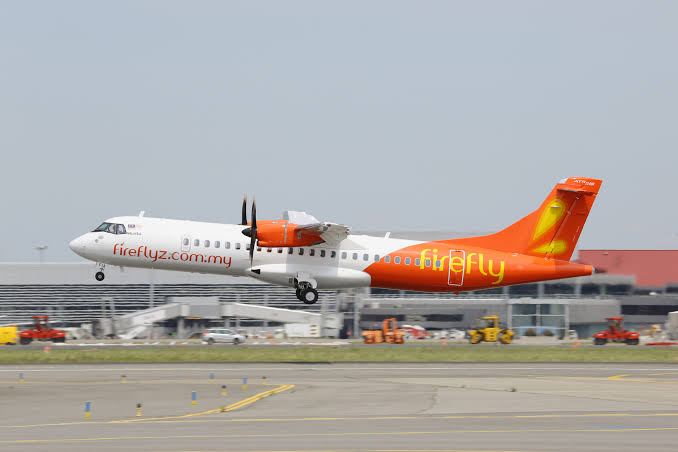
Two Fokker 50 turboprops formed the original fleet, with a third added soon after. From 2008 the airline switched to the larger ATR 72-500. Early routes fanned out from Penang and Subang to Langkawi, Alor Setar and Kuala Terengganu.
Firefly tried jets once before. It took Boeing 737-800s in 2010 and began flying them from Kuala Lumpur in 2011. Fierce competition from AirAsia and rising costs ended the experiment within a year. The airline returned the jets to Malaysia Airlines and refocused on turboprops.
The ATR 72-600 joined from 2013, bringing better fuel burn and more seats. The pandemic then forced a deep cut to flying in 2020.
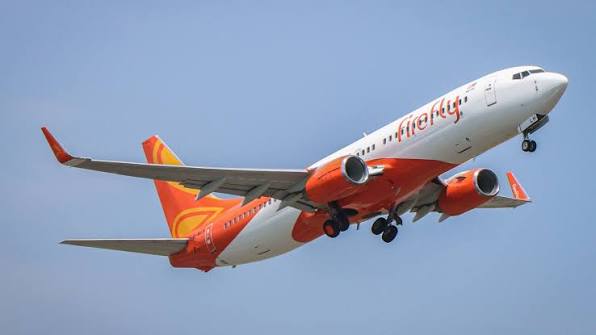
Recovery brought a strategic shift. Firefly resumed jet operations in 2021 and repositioned itself as a hybrid low-cost carrier. From 2023 Malaysia Aviation Group began moving selected Malaysia Airlines domestic routes across to the airline.
The latest change came in 2025. On 19 August Firefly shifted its Boeing 737-800 operations from Subang to Kuala Lumpur International Airport Terminal 1. Its turboprops stayed at Subang. The move gave the jets more room to grow and tied Firefly closer to the group's main hub.
Safety
AirlineRatings awards Firefly seven stars out of seven for safety. The airline has never recorded a fatal accident. Its history shows only minor occurrences. These include an in-flight engine shutdown in 2013, a landing gear issue in 2014 and a cabin smoke event in 2024. Crews handled each without injury.
Firefly also draws on the wider strength of Malaysia Aviation Group. Its aircraft are maintained to the group's engineering and training standards. That backing gives a small carrier the safety depth of a national airline.
Fleet
Firefly runs a dual fleet built around two proven types. Nine ATR 72-500 turboprops handle the short regional hops. Five Boeing 737-800 jets cover the longer, higher-capacity routes.
The split suits the network. The ATR 72 thrives on shorter runways and thinner routes that a jet cannot fill. The 737-800 brings range and seats for trunk routes to East Malaysia and nearby countries.
Both fleets are leased and mature, at around 13 to 14 years of age. The jets fly in a single economy class of 189 seats. Firefly plans to grow its jet fleet as Kuala Lumpur operations expand.
Onboard product
Firefly sits between a budget and a full-service airline. It keeps the experience simple but adds a few welcome touches.
Every passenger receives a complimentary refreshment, cookies, salted peanuts and a small bottle of water.
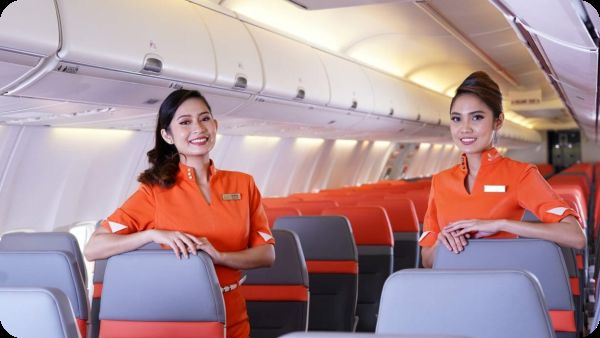
The Boeing 737-800 cabin had a refresh from 2022. New ergonomic seats brought more width and legroom. Each one adds a personal device holder and USB-A and USB-C power outlets.
Jet passengers can buy extra food and drink on board. The menu runs to snacks, instant noodles and soft drinks from Malaysian brands. Payment is cash only, in ringgit, and no alcohol is sold.
Hot meals are available too, but only by pre-order on longer jet routes. Turboprop flights stick to the complimentary snack. Neither fleet offers seatback screens or Wi-Fi, so travellers bring their own entertainment.
The Firefly verdict
Nearly two decades in, Firefly knows exactly what it is. It is not chasing luxury or long-haul glamour. It connects people to places the big jets overlook, does it safely and keeps the experience refreshingly uncomplicated. That focus is its real strength, and the move to Kuala Lumpur suggests the best of the Firefly story is still being written.
Have questions or want to share your thoughts?