Asia to lead the world

By Geoffrey Thomas Mon Feb 10, 2014
The numbers are stunning but not surprising for anyone who follows aviation but they come with a warning. The Asia Pacific region will need an additional 12,820 aircraft valued at US$1.9 trillion, representing 36 percent of the world's new deliveries, over the next 20 years.
Boeing’s marketing guru Randy Tinseth told AirlineRatings.com that over the next 20 years, nearly half of the world's air traffic growth will be driven by travel to, from or within the region. “The Asia Pacific fleet will nearly triple, from 5,090 aircraft in 2012 to 14,750 in 2032, to support the increased demand," said Tinseth.
And the warning? Will the necessary infrastructure be built? Tinseth is reasonably confident that “most” airports will cope over the next ten years but after that he says “we hope they will do the right thing.”
Boeing produces internal reports every two years on airport capacity and where it sees a problem, visits the airport to discuss the data. “We generally get a good reaction,” said Tinseth.
Often, Tinseth relates, airports react when they seen another hub taking traffic away. And super hubs such as Singapore, Hong Kong and Dubai are demonstrating what economic power a good airport can deliver.
Tinseth believes that airports and governments are now starting to understand the economic importance that can be generated when there is a coordinated policy and infrastructure plan surrounding an airport and airlines.
And putting more pressure on airports, Boeing like Airbus see the biggest market segment being single-aisle aircraft such as the 180-seat 737 and A320 families.
“Single-aisle [types] will represent 69 percent – or 8,845 - of the new aircraft in the region,” said Tinseth. "New low-cost carriers and demand for intra-Asia travel have fueled the substantial increase in single-aisle aircraft," said Tinseth. "Fuel-efficient aircraft like the Next-Generation 737 and 737 MAX [and A320] help the growing number of low-cost carriers operate more efficiently and provide affordable fares to the emerging middle class."
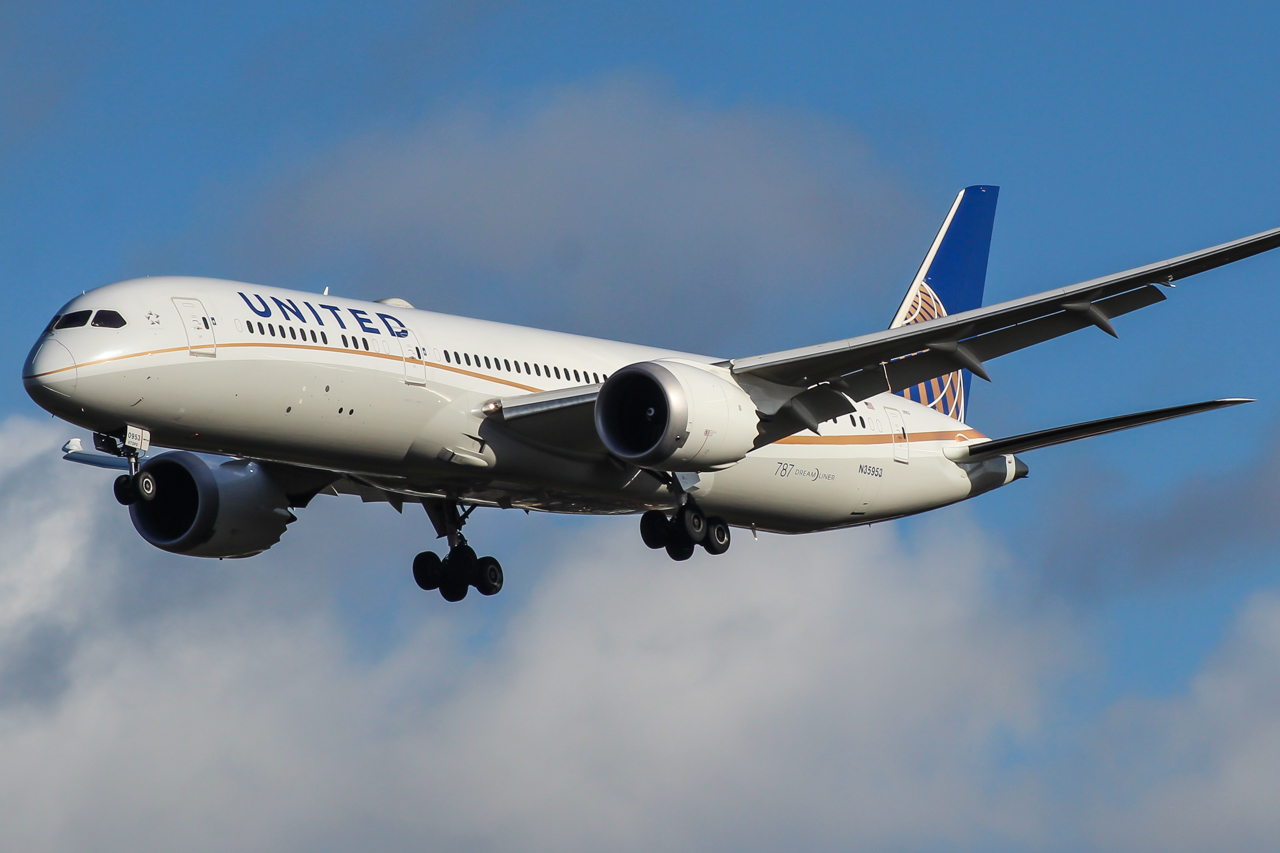
In the long haul space, Boeing forecasts twin-aisle aircraft such as the 747-8 Intercontinental, 777 and the 787 Dreamliner [as well as A350, A330 and A380 from Airbus] will account for 28 percent – or 3975 - of new deliveries.
Recently key Asian-based airlines were involved in kicking off new twin-aisle programs for Boeing. Singapore Airlines ordered 30 787-10s at last year’s Paris Air Show and Cathay Pacific recently order 21 Boeing 777-9X aircraft. Both these airlines have also been key A350 XWB customers for Airbus.
And as impressive as the numbers are, Tinseth says they are conservative. “Typically we under estimate the growth.” In 1994 Boeing forecast a world fleet (over 90 seats) of around 13,000 by 2013 but the fleet is now just over 16,000.
Airbus Chief Operating Officer Customers John Leahy on Airbus’ forecasts for the region said that “there is no doubting the importance of the Asia-Pacific market both today and in the future.”
Airbus highlights that the increasing urbanization from already high levels in the region means that 25 of the 89 mega cities in 2032 will be in Asia-Pacific. “In this period, Asia Pacific will be home to 90 cities with more than one million passengers. Traffic will increasingly concentrate around these cities, with larger aircraft providing the most efficient means of meeting demand while overcoming airport constraints,” said Airbus.
And this is the key difference between Airbus and Boeing with the former seeing greater demand for very large aircraft – like the A380 – to get around a lack of investment in infrastructure - such as runways - by airports.
On the fuel to power the dramatically increasing number of aircraft Tinseth said that the industry had provided the technical springboard for bio fuels to take over from traditional fuel.
Tinseth highlighted that Boeing and others were finding more innovative and local solutions to the fuel supply like “gutter oil” in China. Gutter oil is cooking oil discarded into street gutters after use.
Have questions or want to share your thoughts?