Angst over black boxes from Ukrainian 737

By Steve Creedy Wed Jan 22, 2020
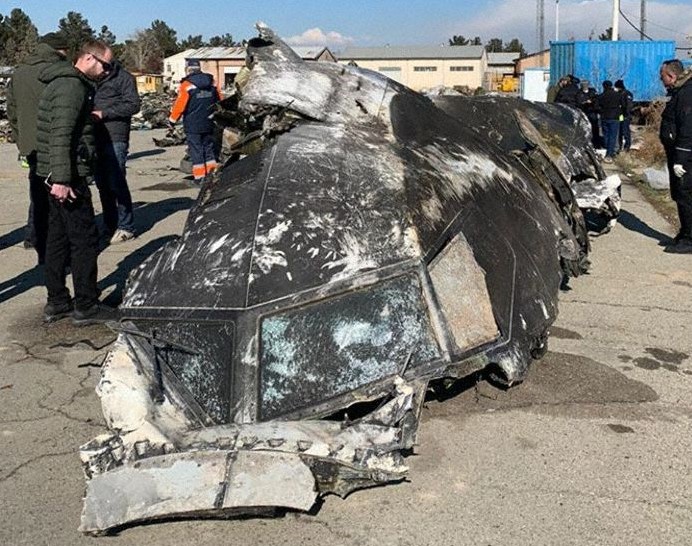
Iranian authorities have admitted they cannot download the black boxes from a Ukrainian Boeing 737 brought down by a missile strike but appear to be balking at sending the recorders overseas.
A second preliminary report issued by the Civil Aviation organization of Iran this week identified the surface-to-air missiles that were fired at the Ukrainian International Airlines Boeing 737-800 as Russian-made TOR-M1s.
But the report stopped short of concluding the missiles brought down the plane with 176 people on board on January 8, saying only it is investigating their impact on the accident.
READ: US expands Wuhan virus screening to Atlanta and Chicago.
The Iranian military has admitted firing the missiles and footage on social media purports to show them striking the Boeing 737-800 less than 30 seconds apart.
The report also reveals Iranian investigators have been unable to read the flight data and cockpit voice recorders because they are too advanced.
The Boeing 737-800 was delivered in 2016 and would have had the latest digital recorders.
The report said authorities took the unusual move of asking for equipment from France’s BEA and the US National Transportation Safety Board but there had so far been no positive response.
Ukraine and Canada are pressuring the Iranian investigators to release the recorders and Canadian Prime Minister Justin Trudeau expressed concern about delays in analyzing them.
Canada is pressing Iran to send the recorders to France, which has a strong track record in downloading black boxes from other countries, while Ukrainian president Volodymyr Zelensky wants them sent to Kyiv.
A translation posted by The Aviation Herald shows the aircraft took off from Imam Khomeini Airport at 6:12 am local time and was handed off to Tehran Mehrabad radar which cleared to it to climb to 26,000ft and head to a waypoint called PAROT.
An air traffic controller saw that the jet had disappeared from his screen at 6:18 am and called the aircraft without receiving a response.
The last received altitude was 8100ft and the last secondary radar signal was received at 6:15 am.
Primary radar indicated the aircraft tried to turn right, possibly trying to head back to the airport, just before the return was lost at 6:18 am.
Have questions or want to share your thoughts?