Airlines warned of wake turbulence at Sydney Airport
By Steve Creedy Fri Feb 15, 2019
Airlines have been warned to wary of wake turbulence at Sydney Airport after an analysis by air safety investigators found a disproportionate number of reports compared to other Australian airports.
The analysis by the Australian Transport Safety Bureau also found wake turbulence from big planes landing on one of Sydney’s parallel runways could affect aircraft landing on the other.
Airservices Australia has agreed to introduce changes to the way it handles aircraft landing at the airport as a result of the findings.
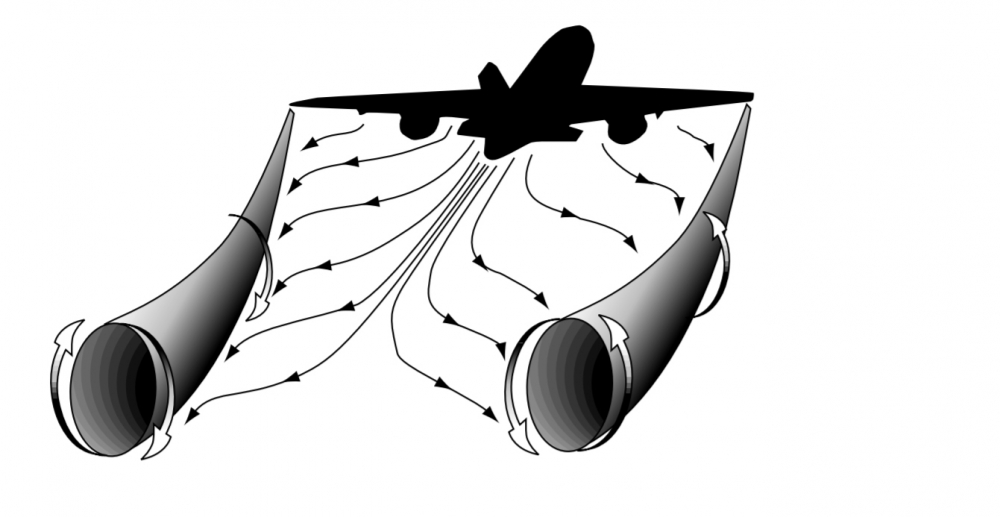
Wake turbulence is primarily caused by a vortex generated by an aircraft wing and can upset a following or nearby aircraft, particularly if it’s a smaller plane.
An illustration of wake turbulence. Source: FAA.
It can induce a roll in the following plane and this poses an increased safety risk during flight phases such as landing and take-off.
Sydney is currently the only Australian airport running parallel runways but because the runways are 1000m apart aircraft using one runway are not separated from aircraft using the other by wake turbulence separation standards.
READ: The growing threat of wake turbulence
But the ATSB found evidence that wake turbulence generated by aircraft arriving on one parallel runway could affect aircraft arriving on the other, especially in certain wind conditions.
“Aircraft arriving on Runway 34 Left were found to be the most likely cause for more than half of the Runway 34 Right arrival wake turbulence occurrences,’’ it said.
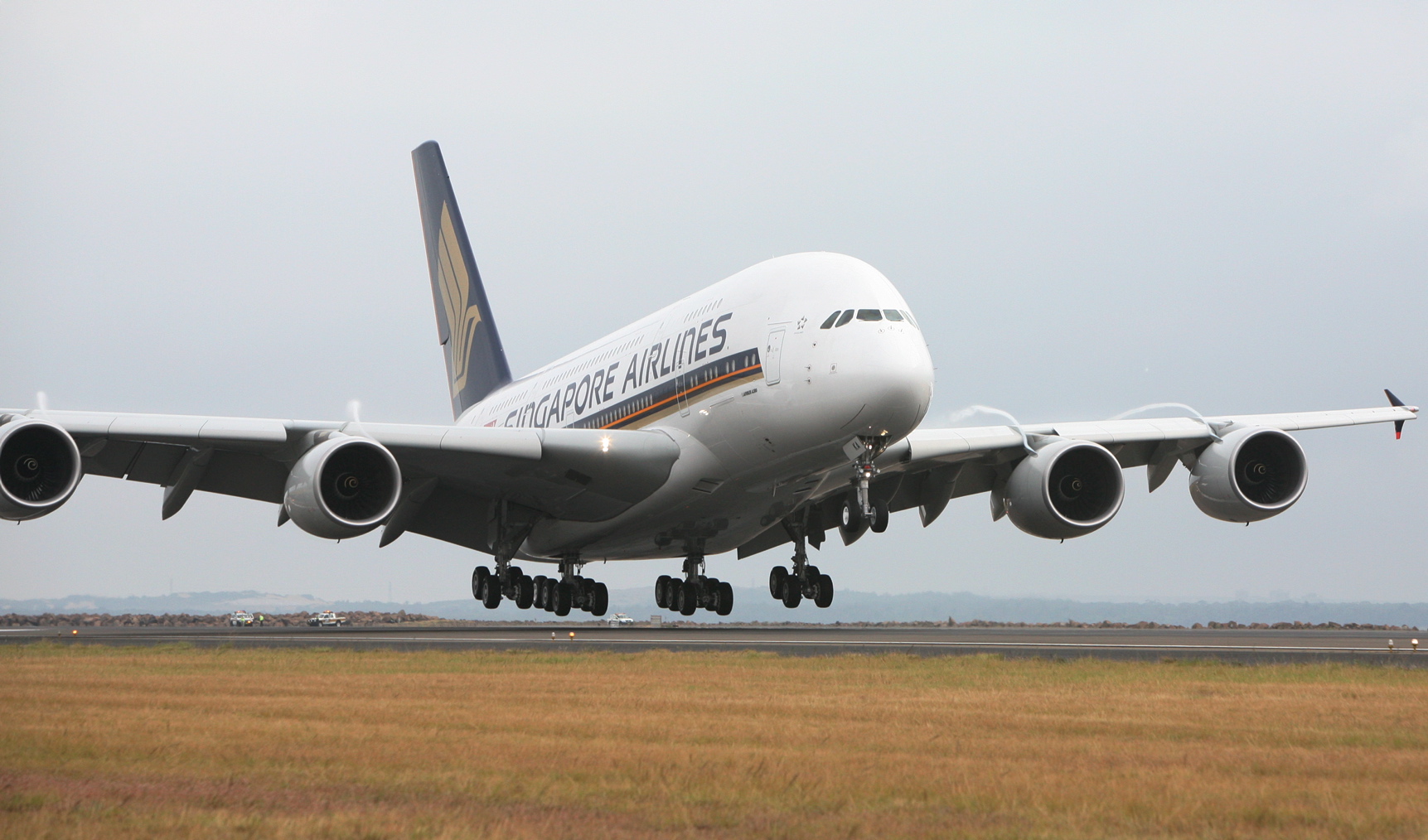
“A leading Airbus A380 (a super heavy aircraft) probably generated more than one‑third of these occurrences.
“The rate of reported wake turbulence occurrences by arriving aircraft following an Airbus A380 was more than double that of any other aircraft type arriving at Sydney.”
The ATSB review of wake turbulence reports between 2012 and 2016 found that 78 of 179 events were at Sydney, with seven of eight minor injuries reported also at the airport.
The analysis looked only at wake turbulence in incidents classified as an occurrence, meaning they generally resulted in a missed approach or go-around, control issues, a warning activation or an injury.
In addition to the A380 factor, investigators found the wake turbulence events were also associated with arrival densities of one or more aircraft per minute, especially for flights that arrived on runway 34R, and a wind direction from the west or north-west.
“More than half of the wake turbulence occurrences during arrival at Sydney Airport were associated with one or more of the above three factors,’’ it said.
“Removing all of these factors would halve the occurrence rate and make it more comparable to other major airports, however, the rate at Sydney Airport would likely still be higher than other major Australian airports.
“This suggests other factors beyond the scope of this investigation are also influencing wake turbulence at Sydney.”
Airservices Australia agreed to publish an Aeronautical Circular aimed at warning operators flying into Sydney about the issue, the injuries associated with it and advising cabin crew to buckle up in the earlier part of the approach.
But the ATSB believed this failed to adequately reduce the risk and issued a safety recommendation that the air traffic controller take further measures to reduce the frequency of wake turbulence events.
AIrservices subsequently agreed to provide a wake turbulence caution to aircraft on approach to 34R that could be affected by heavy or super heavy planes and increase the separation distance from four to five nautical miles for the runways.
It will also apply single runway wake turbulence standard when the leading aircraft is a super heavy such as an A380 and the following aircraft is under 25,000kg.
.