Airbus uses image recognition for automatic take-off

By Steve Creedy Thu Jan 16, 2020
Airbus has successfully tested the first automated take-off using image recognition technology rather than an instrument landing system.
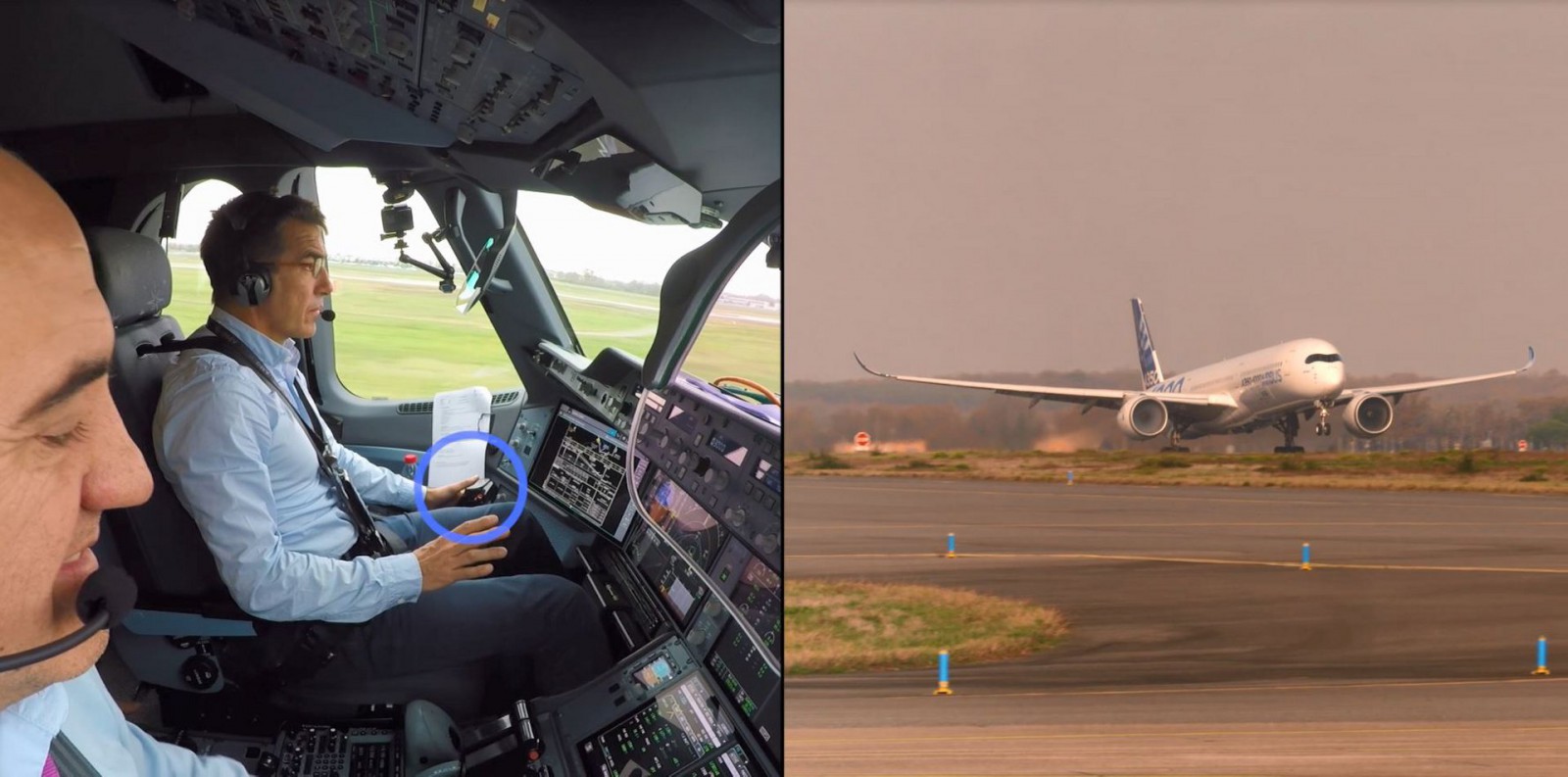
The “vision-based take-off” took place at Toulouse-Blagnac airport in France in December with a crew comprising two pilots and test engineers.
It was an important milestone in the use of image recognition technology to allow aircraft to navigate and detect obstacles during take-off, taxi, approach and landing.
READ: Oh what a flying feeling - Toyota invests in air taxis
The Airbus test aircraft conducted a total of eight take-offs over a period of four and a half hours as part of a wider Autonomous Taxi, Take-Off & Landing Project launched in 2018 to understand the impact of autonomous technologies in aircraft.
Airbus test pilot Capt. Yann Beaufils said the aircraft performed as expected during the tests.
“While completing alignment on the runway, waiting for clearance from air traffic control, we engaged the auto-pilot,” he said.
“We moved the throttle levers to the take-off setting and we monitored the aircraft.
“ It started to move and accelerate automatically maintaining the runway centerline, at the exact rotation speed as entered in the system. The nose of the aircraft began to lift up automatically to take the expected take-off pitch value and a few seconds later we were airborne.”
The next steps in the project will see automatic vision-based taxi and landing sequences taking place by mid-2020.
However, the company says it is not targeting autonomous aircraft per se but rather exploring autonomous technologies alongside other innovations in areas such as materials, electrification and connectivity.
“By doing so, Airbus is able to analyze the potential of these technologies in addressing the key industrial challenges of tomorrow, including improving air traffic management, addressing pilot shortages and enhancing future operations,’’ it said.
“At the same time, Airbus is leveraging these opportunities to further improve aircraft safety while ensuring today’s unprecedented levels are maintained.
The European manufacturer said pilots would remain “at the heart of operations” and the new technologies will enable them to focus less on aircraft operation and more on strategic decision-making and mission management.
Airbus rival Boeing is also looking at autonomous aircraft technology and has raised the prospect of single-pilot cargo aircraft.
However, it noted it was to be "a couple of decades" before passengers could be persuaded to take a single-pilot jet, let alone one that flies itself.
Have questions or want to share your thoughts?