Air India grounds 787 after unsettling fuel cut off switch defect

By Sharon Petersen Mon Feb 2, 2026
Air India has grounded one of its Boeing 787-8 Dreamliners after a pilot reported that a fuel cut-off switch failed to remain in the RUN position and instead moved towards CUTOFF — a serious malfunction that, under certain circumstances, could lead to an engine shutdown in flight.
The incident occurred as the aircraft was preparing to depart from London Heathrow Airport bound for Bengaluru on Sunday night. According to reports, the fuel control switch slipped twice from the RUN position towards CUTOFF during engine start procedures. The aircraft has since been grounded as a precaution.
The significance of the event is heightened by its timing and context. In the wake of the fatal crash of Air India Flight AI171 on 12 June 2025, accident investigators discovered that both fuel cut-off switches on that aircraft had apparently been moved from RUN to CUTOFF just moments after take-off from Ahmedabad. The cause of this — whether mechanical failure or pilot input — remains undetermined.
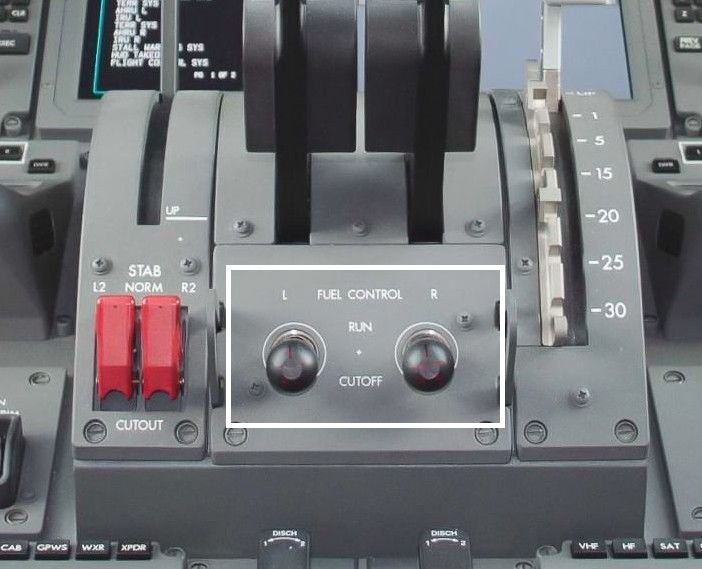
The latest event has renewed scrutiny of the role fuel cut-off switches may have played in the first fatal Boeing 787 Dreamliner crash. As the video below demonstrates, these switches are designed to require deliberate manual input to move between RUN and CUTOFF.
According to a statement from the Safety Matters Foundation, the reported issue involved abnormal behaviour of the left engine fuel control switch during engine start. The switch allegedly failed to remain locked in the RUN position on two attempts, instead moving towards CUTOFF. While the event occurred on the ground, the foundation warned that such behaviour could, under certain conditions, increase the risk of an inadvertent engine shutdown in flight.
Indian broadcaster NDTV obtained a photograph of the aircraft’s technical logbook, in which the pilot recorded the abnormal behaviour of the fuel control switch.
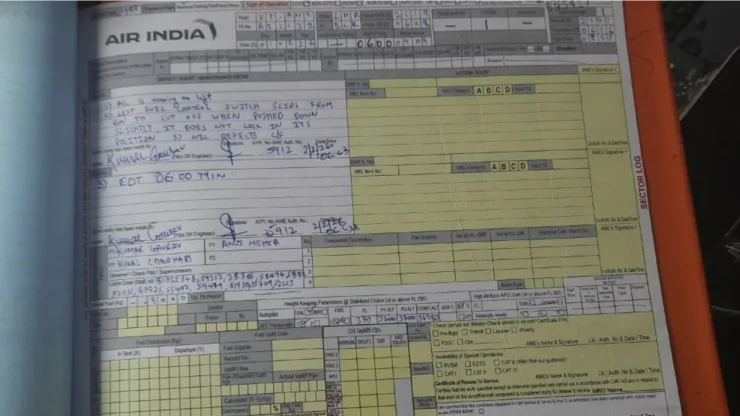
In a statement, Air India confirmed it had grounded the aircraft and informed India’s aviation regulator.
“We are aware that one of our pilots has reported a possible defect on the fuel control switch of a Boeing 787-8 aircraft,” the airline said. “After receiving this initial information, we have grounded the said aircraft and are involving the original equipment manufacturer to get the pilot’s concerns checked on a priority basis. The matter has been communicated to the aviation regulator, DGCA.”
How fuel cut-off switches work
Fuel cut-off switches in aircraft are primarily used to shut down engines after landing or in emergency situations such as engine fires. On the Boeing 787, the fuel control switches are manual and are not connected to any automated system that could move them to the CUTOFF position. They should require deliberate physical input from the flight crew.
While the aircraft’s Full Authority Digital Engine Control (FADEC) system can manage engine relight when switches are moved back to RUN, it cannot command engine shutdown. This makes the simultaneous movement of both switches to CUTOFF during climb, as seen in the AI171 crash and indeed this weeks incident, highly unusual.
In the wake of the Air India 171 tragedy, several international aviation regulators launched independent checks of fuel control switches across their fleets. Air India was among the airlines to conduct such inspections.
Separately, in 2018, the US Federal Aviation Administration (FAA) issued a safety alert advising operators that certain fuel control switches — including those installed on Boeing 787 aircraft — could malfunction in a manner that increases the risk of unintended engine shutdown. The FAA recommended inspection and replacement of affected components where necessary.
Have questions or want to share your thoughts?