Crash in Colombia kills all 15 on board

By Josh Wood Thu Jan 29, 2026
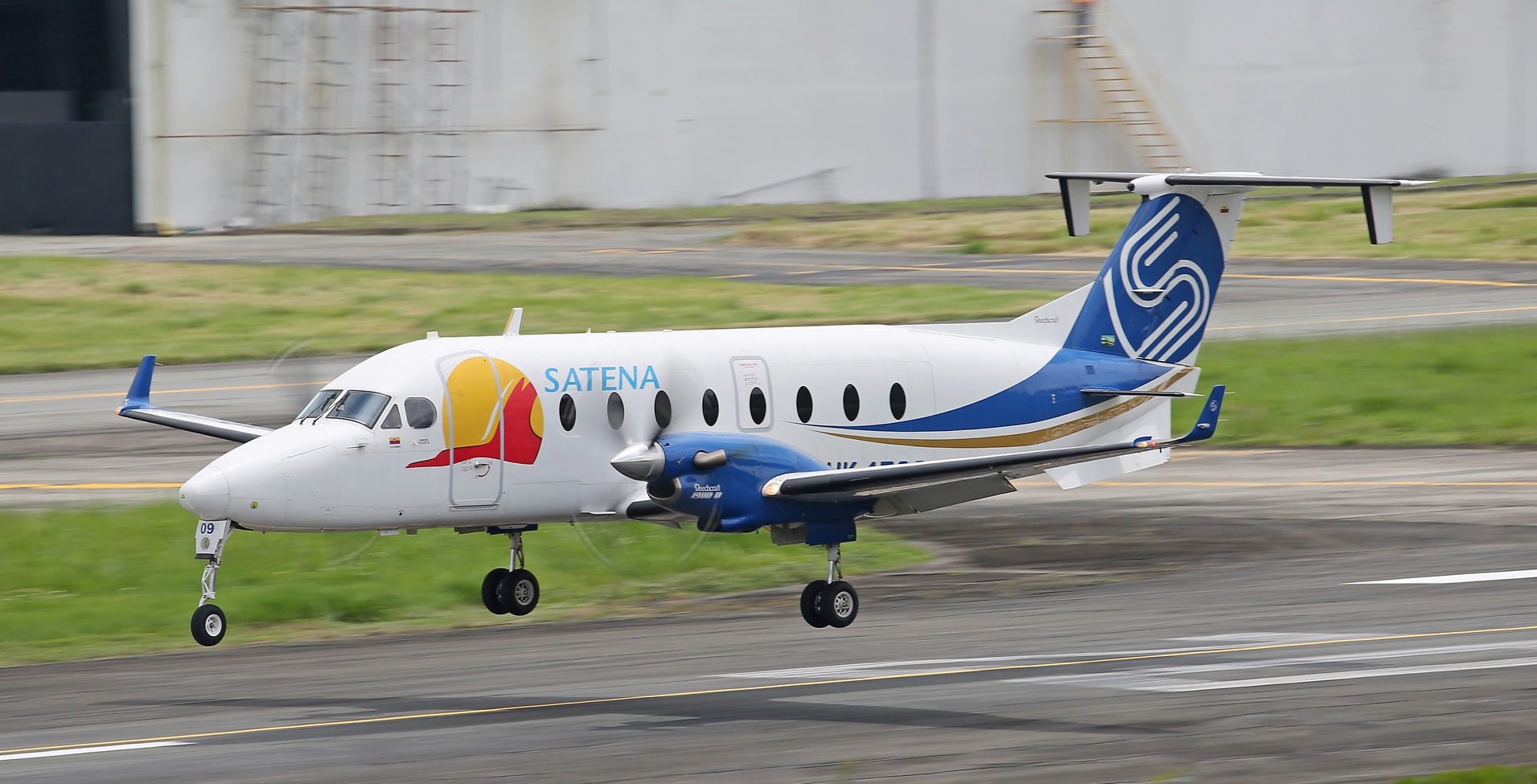
On the 28th of January 2026, Satena Airlines flight 9R8895, operating on behalf of Searca Airlines, crashed while operating a service from Cúcuta to Ocaña in Colombia. The Beechcraft 1900D (registration HK-4709) crashed in a rural area, close to the Venezuelan border. All 15 people on board were killed, including a politician and members of his team.
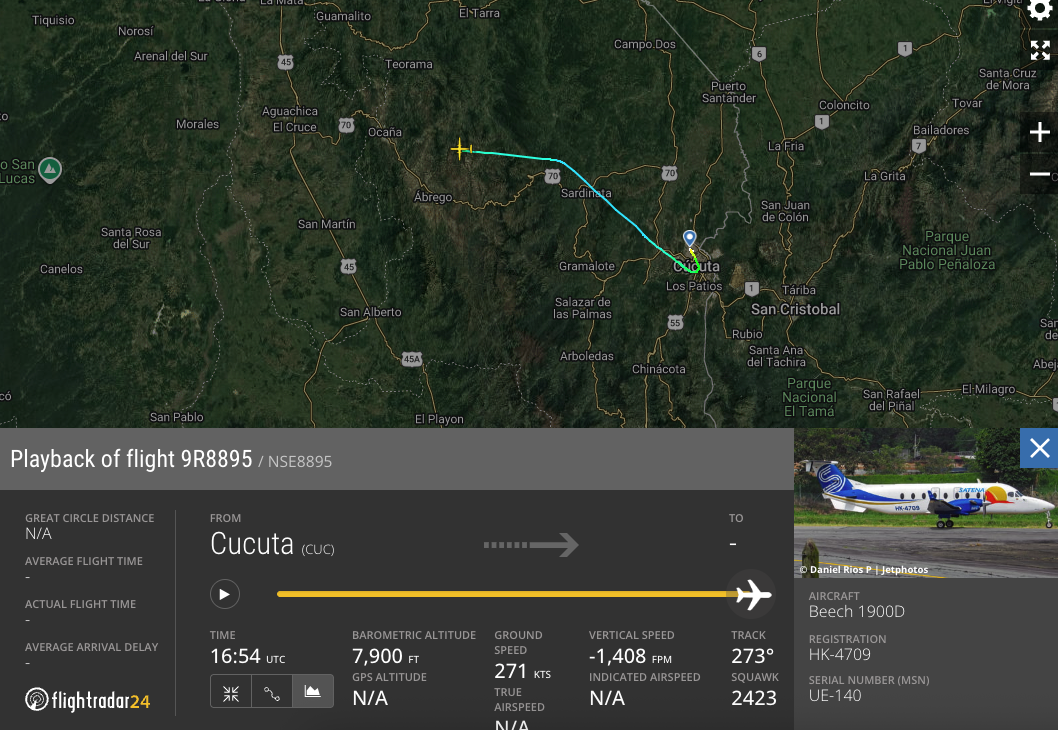
Before crashing, the aircraft made its final contact with air traffic control twelve minutes after departure. The airline has stated that the aircraft’s emergency locator transmitter had not been activated, and no cause of the accident has been identified.
Flightradar24 data shows the aircraft commencing a steady descent from 12,900 feet, at approximately 800-1,000 feet per minute, around five minutes before the crash. In the minutes preceding impact with the ground, the descent rate decreased to around 500 feet per minute, increasing to 1,400 feet per minute at the point radar contact was lost at 7,900 feet.
These descent rates fall within the normal operating range for the Beechcraft 1900D. Analysis of historical flights on the same route and aircraft type shows similar altitudes at the point where radar contact was lost.
SATENA Airlines’ safety rating
SATENA Airlines has historically held a five out of seven-star safety rating with Airline Ratings. However, following this crash, the airline’s rating has been reduced to three stars in line with Airline Ratings’ methodology.
Under this framework, airlines that have experienced a fatal accident within the past ten years automatically lose rating stars, reflecting increased risk exposure rather than assigning fault. This adjustment is applied consistently across all carriers and does not pre-judge the outcome of any ongoing investigation. The rating may be reviewed again once the investigation is complete and the cause of the accident is identified.
Beechcraft 1900D’s safety and accident history
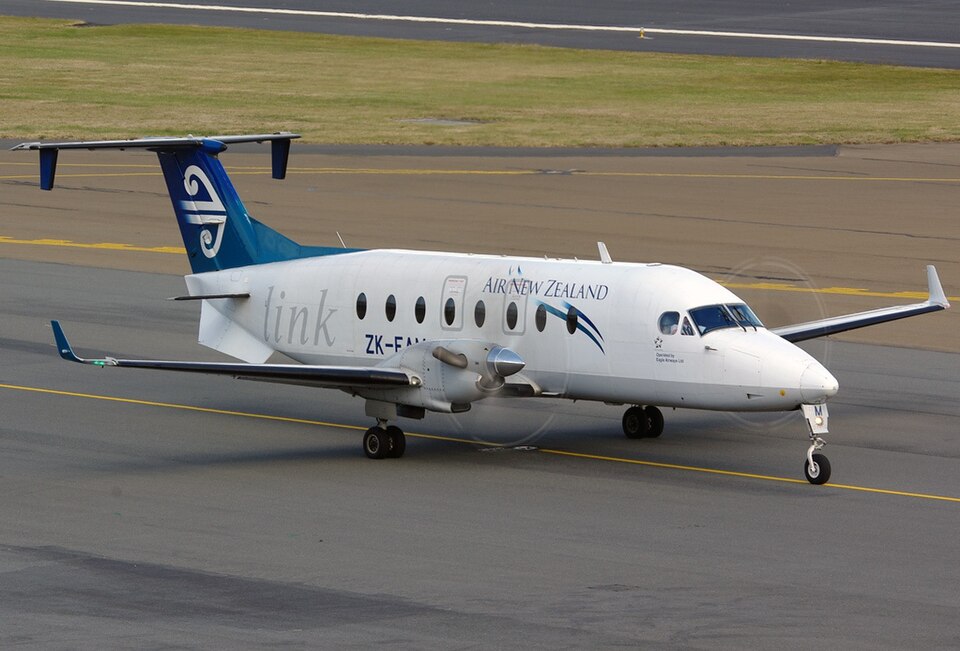
The Beechcraft 1900D is an American-built small turboprop aircraft manufactured between 1982 and 2000, representing the second major evolution of the original Beechcraft 1900 design. The aircraft saw widespread use on regional and commuter routes throughout the 1990s and 2000s, particularly in challenging operating environments.
The aircraft involved in this crash was built in 1995 and delivered to Florida Gulf Airlines before being operated by US Airways and its subsidiaries. It was then delivered to Searca Airlines in May 2010, before being leased to SATENA Airlines in December 2024. HK-4709 was one of 17 Beechcraft 1900D owned by Searca Airlines; it remains unclear how many are leased to SATENA Airlines.
Across its multi-decade service life, the Beechcraft 1900 series has been involved in several serious accidents. However, analysis performed by AirlineRatings does not point to a single recurring cause relating to mechanical or design flaws.
Instead, most fatal accidents have been linked to operational factors, including weight and balance errors, engine failures, controlled flight into terrain, and high crew workload in remote environments. Many of the most severe accidents happened in areas with challenging terrain and weather, reinforcing that accident risk is more closely associated with operational context than descent rate alone.
Investigation now underway
At this stage, no evidence has emerged to suggest a definitive cause, and it would be speculative to draw any conclusions before analysis of recorded data, wreckage examination, and operational factors is complete.
With the wreckage now located, recovery of the flight data recorder and flight deck voice recorders can begin, enabling investigators to establish a clearer picture of the final moments of flight. Given the challenging terrain and operating environment, recovery and salvage efforts are expected to take time.
Airline Ratings will continue to report on any significant developments as the investigation progresses. Our thoughts are with all those affected.
Have questions or want to share your thoughts?