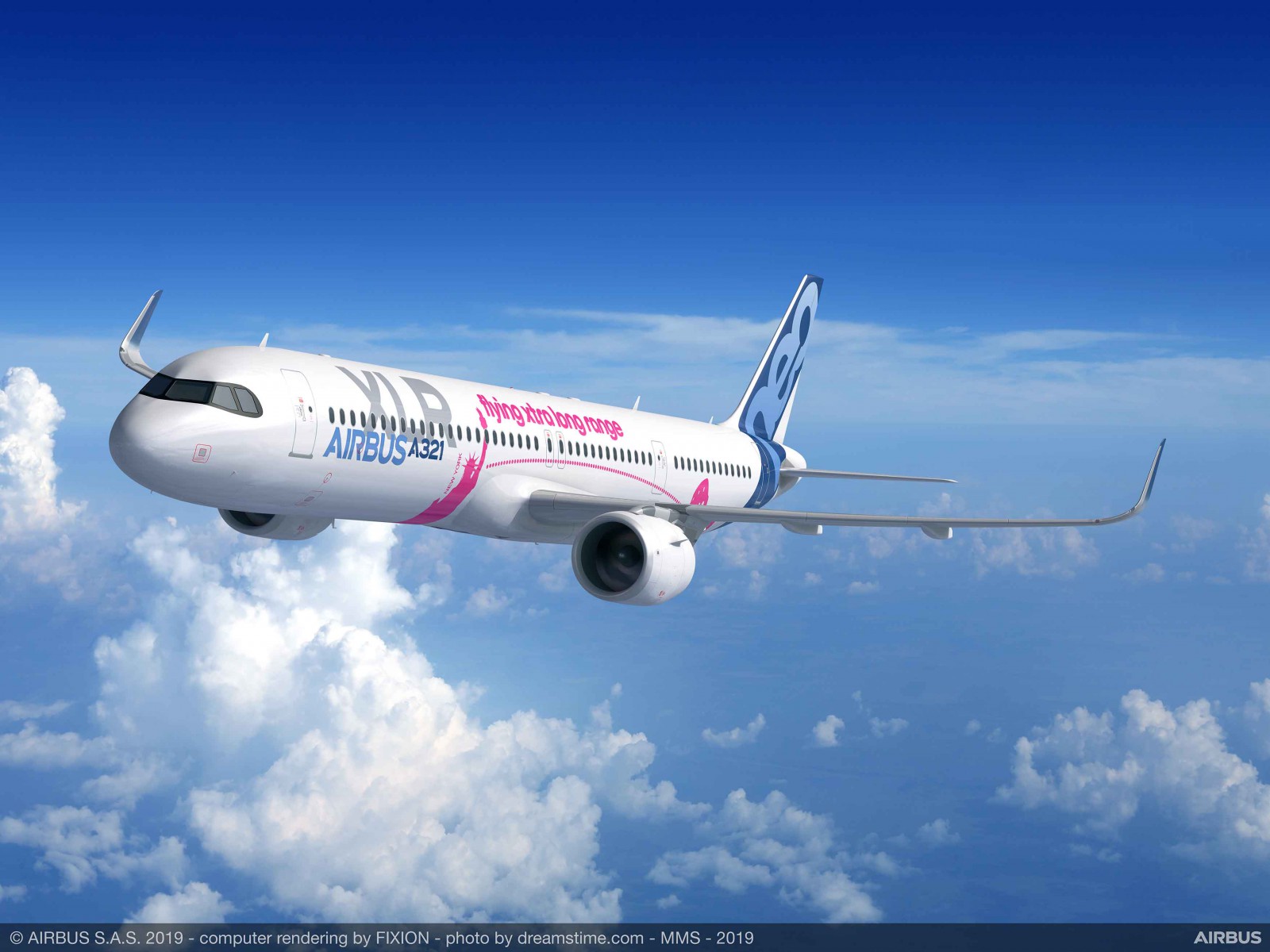
Why the A321XLR doesn't need to be an economy nightmare

By Steve Creedy Tue Jun 25, 2019
If Dante had written Divine Comedy in the 21st century it’s a safe bet at least one of the circles of hell would have involved modern airline economy class seating.
It’s therefore understandable that the prospect of spending up to 10 hours in a single-aisle aircraft could worry economy travelers whose budget fails to extend to roomier accommodations.
However, the arrival of the Airbus A321XLR need not be a harbinger of economy class doom.
The aircraft is due to enter service in 2023 and routes suggested by Airbus at the Paris Air Show launch included Houston-Santiago, London-Dehli, Sydney-Tokyo, New York-Rome and Auckland-Kuala-Lumpur.
READ: Airbus launches super fuel efficient A21XLR
These are routes normally flown by widebody aircraft, not the smaller planes normally associated with packed domestic services and the ongoing fight for overhead bin space.
So how worried about this development should we be?
It’s still early days and it will be a while before airlines their seating configurations for the A321XLR.
The type of aircraft has a bearing on the seats it can accommodate — for example, A320 family aircraft are designed for seats that 18 inches wide —but it is the airline that decides how cramped the cabin will be.
We already know it’s possible for economy class on a single-aisle plane to be more comfortable than the equivalent seating on a widebody jet.
Exhibit A is US carrier JetBlue.
JetBlue’s A321 “Mint” aircraft offers everything from the airline’s Mint business suite a standard 18-inch wide economy seat with a 33-inch seat pitch.
Compare that to a nine-across widebody Boeing 787 economy seat with a width of just over 17 inches and a 31- inch seat pitch or the forbidding prospect of a 460-seat A330neo.
Passengers can also upgrade to Even More Space seats come with a seat pitch of 37-41 inches and still at 18 inches wide.
The champagne set also does OK with two flavors of business class providing the legroom and lie-flat beds to which they’ve become accustomed.
Not bad going for a small plane and an indication of what can be done.
The US carrier was one of several airlines, including Qantas and American Airlines, to put their hand up for the A321XLR after it was launched at the recent Paris Air Show.
The XLR has a range of up to 4700 nautical miles (8700kms), about 600 nautical miles further than the A321LRs JetBlue intends to use when it launches services from New York-JFK and Boston in 2021.
JetBlue’s decision to convert 13 aircraft in its existing A321neo order book to XLR’s will allow it to look at new destinations deeper into Europe.
A 30 percent lower fuel burn per seat compared to previous generations of aircraft will allow the airline to look at routes previously not feasible or cut costs on existing routes.
For all airlines, kitting out the extra-long-range planes will be a balancing act between the need to meet passengers’ fare expectations and maintain profitability with the desire to differentiate their product and maintain comfort for longer flights.
They will all be aware that how they configure the seating will have a direct bearing on how economy passengers view the aircraft.
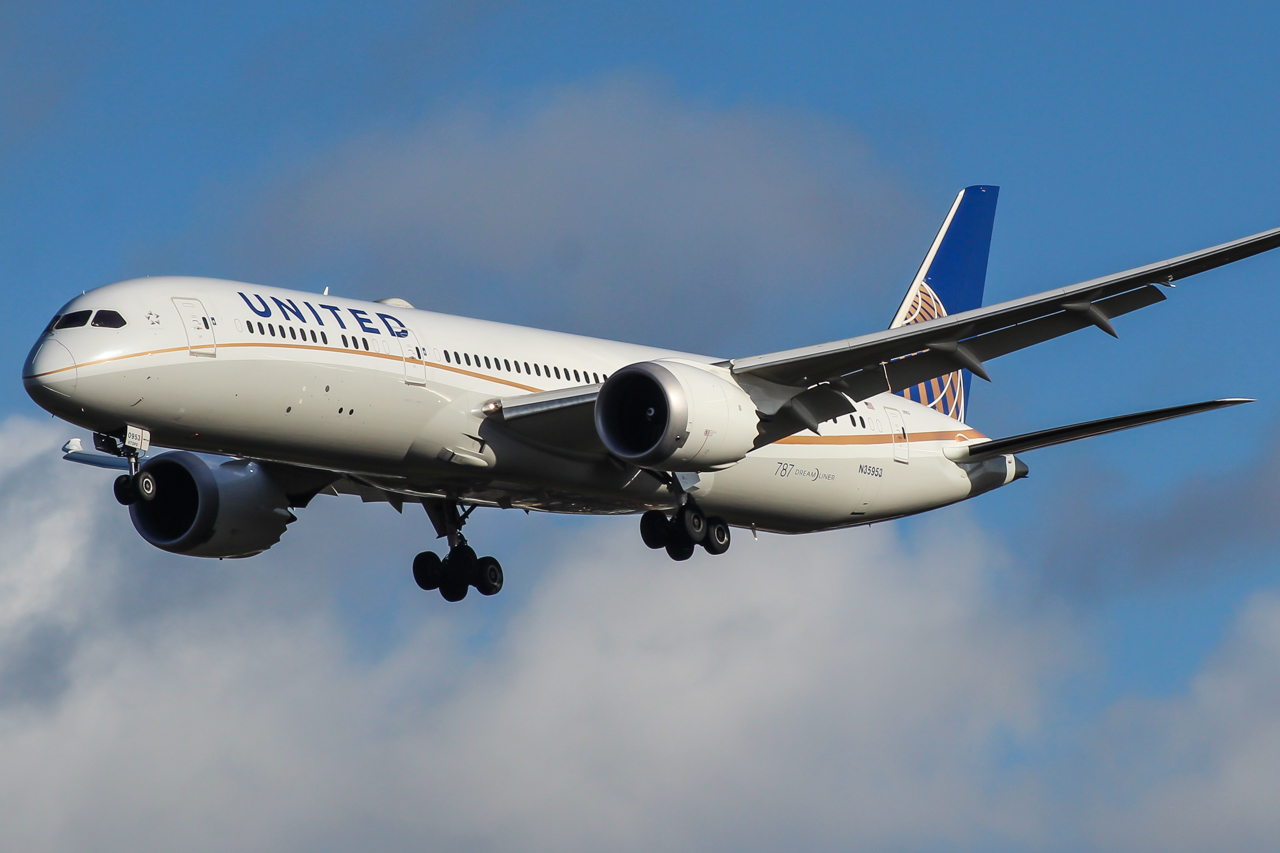
This has already happened: the publicity blitz about the Boeing 787 Dreamliner’s many passenger benefits hasn’t stopped gripes about the way airlines have configured their economy class seating.
This 787 was originally designed with eight-across seating in mind but airlines — with the exception of Japan Airlines —quickly discovered they could fit in nine-across seating by putting the squeeze on seat width. A similar thing has happened with 10-across seating in B777s.
The Airbus A380 is liked by economy passengers as a more comfortable plane but that may not have been the case had airlines opted for the 11-across seating offered by Airbus in a desperate bid the save the program.
A smaller cabin does feel more claustrophobic and there is a learned bias in some markets, such as transcontinental routes in Australia, against single-aisle planes.
It will be up to airlines to convince the hoi polloi that the new long-range A320-family planes are comfortable and don’t deserve a place in a modern-day version of Inferno.
Have questions or want to share your thoughts?