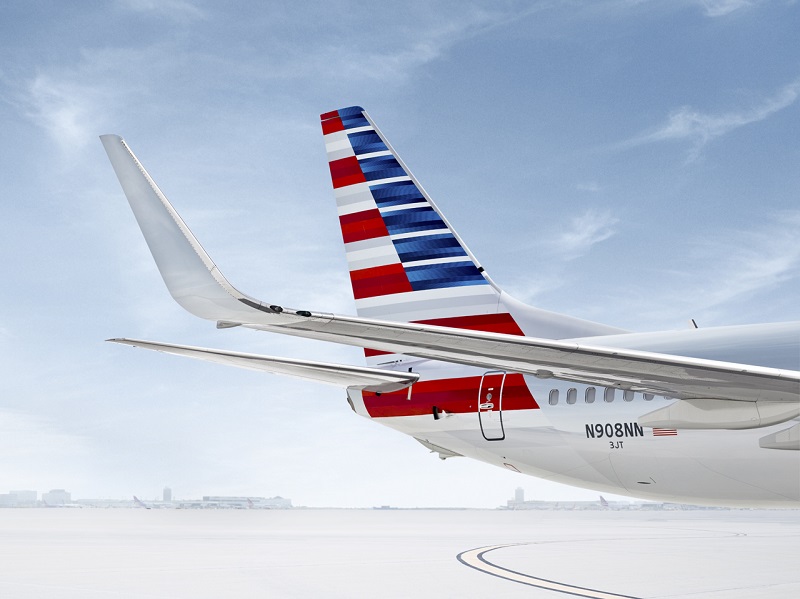
More seats on American, JetBlue to test passengers

By Jerome Greer Chandler Wed Oct 4, 2017
A move by American and JetBlue to cut seat pitch—knee room between seats—is putting passengers to the test, a noted aviation consultant and former airline executive believes.
American Airlines is moving to re-configure economy class on its fleet of Boeing 737-800 twinjets, putting in a dozen more seats into what some would argue is an already cramped economy cabin.
“There’s no evidence yet of passenger backlash, at least among price-sensitive [passengers],’’ says Robert W. Mann, president of R.W. Mann and Company. “But the fact remains, business passengers can’t get any work done” with the new squeeze.
American is reworking its 737-800s to hold 172 instead of the current 160 seats, and modifying its fleet of Airbus A321s to accommodate 190 passengers.
Meanwhile, JetBlue is upping the ante by squeezing 12 more seats into the revamped interior of its mainstay Airbus A320.
Ironically, both airlines not that many years back touted extra legroom in coach.
How all this sits with high-yield business travelers, flyers who must adhere to their company’s rules that they fly economy, remains to be seen.
Mann asserts: “In the short term the airlines are designing a product that [passengers] can’t use. It’s forcing them to either buy up in fare structure [to premium economy seats with more pitch] or find other alternatives.”
It’s not just knee room that’s got flyers fuming. Mann says business travelers “can’t open a laptop screen” to work in-flight.
“Anything above the tray table has less space available with these new slim line seats,” he says.
All of this shrinkage is playing out against a political backdrop.
A measure introduced by Representative Steve Cohen made it into the Federal Aviation Administration Reauthorization bill. The Cohen Amendment would require the FAA to “establish a minimum seat size on commercial airlines as well as a minimum distance between rows of seats to protect the safety and health of airline passengers.”
Already in existence is an FAA rule that passengers flying commercial airliners must be able to evacuate a cabin filled with smoke within 90 seconds, with half the exits blocked.”
Whether that rule weathers the realities of real-life evacuations in ever-tighter aircraft cabins remains very much to be seen.
Have questions or want to share your thoughts?