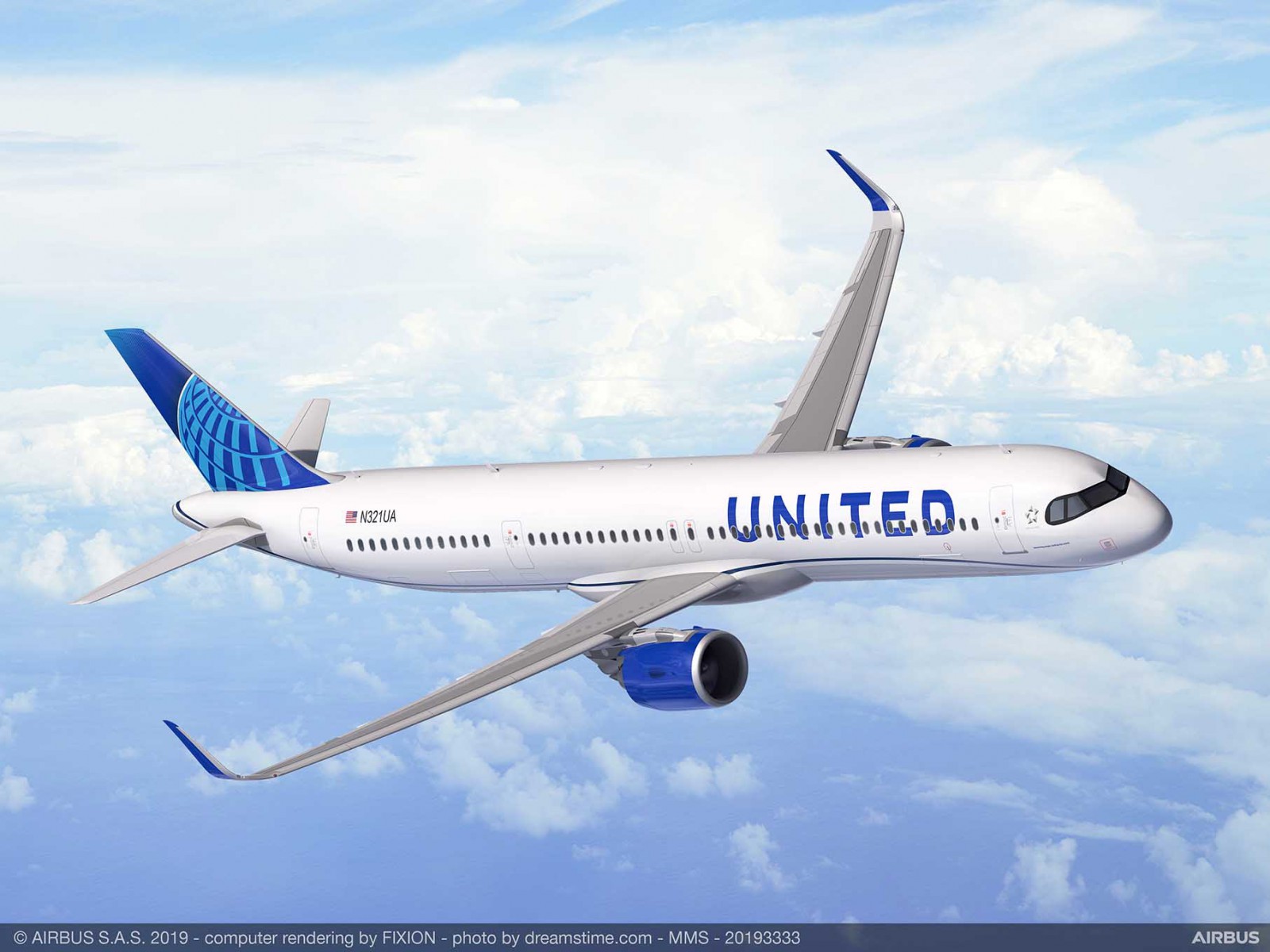
United orders 50 A321XLRs for trans-Atlantic expansion

By Steve Creedy Wed Dec 4, 2019
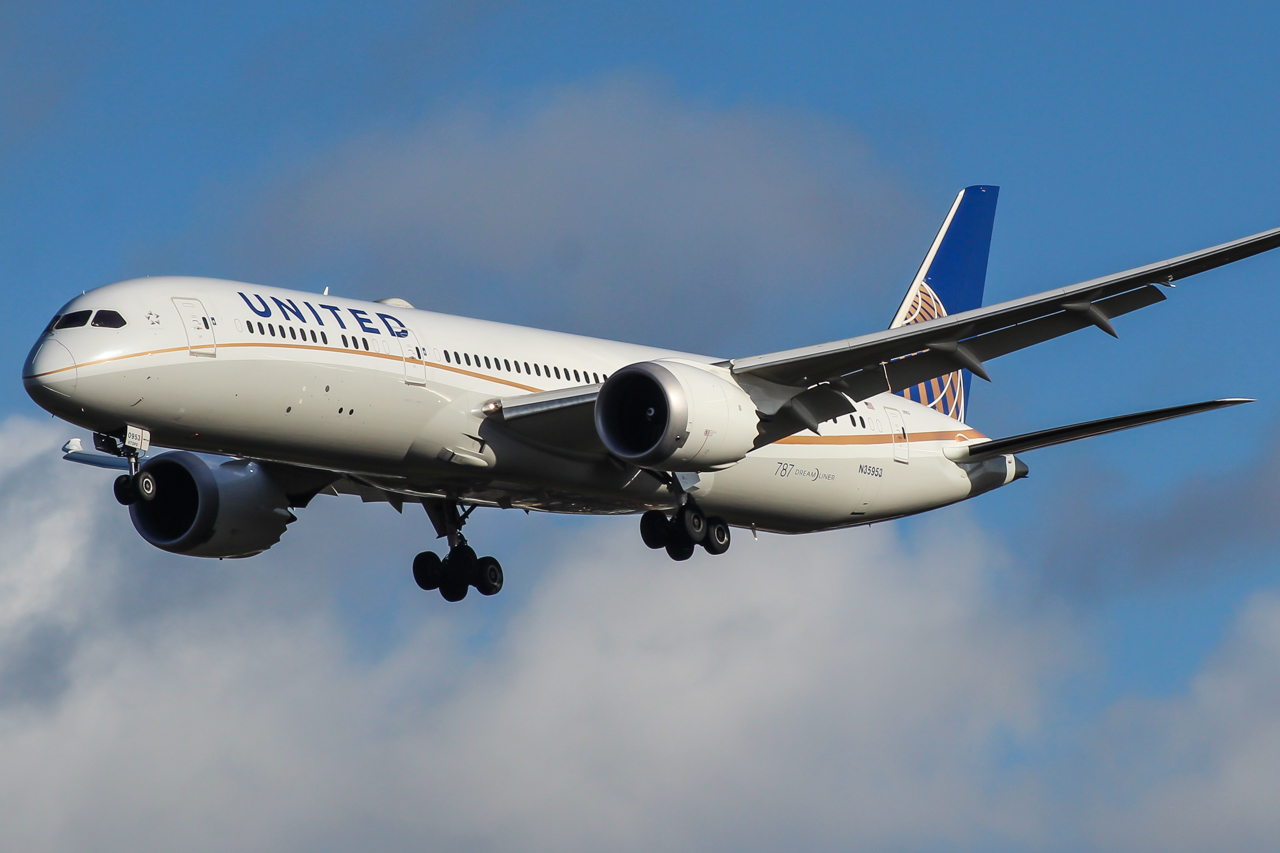
United Airlines says its new fleet of Airbus A321XLR aircraft will open up potential new destinations as it uses the long-range jets to replace older aircraft and expand its trans-Atlantic operations.
The US carrier announced Tuesday that it had signed a firm order with Airbus for 50 A321XLRs, at a list price of about $US7 billion, to replace its aging Boeing 757s.
It expects to use the aircraft for expanded services on trans-Atlantic routes from its key U.S. hubs in Newark/New York and Washington D.C.
The first A321XLR is due to be delivered to United in 2024 and the jets are expected to enter international service the following year.
READ: Airlines need to get priority boarding right
“The new Airbus A321XLR aircraft is an ideal one-for-one replacement for the older, less-efficient aircraft currently operating between some of the most vital cities in our intercontinental network,” said United chief commercial officer Andrew Nocella in the announcement.
“In addition to strengthening our ability to fly more efficiently, the A321XLR opens potential new destinations to further develop our route network and provide customers with more options to travel the globe.”
The A321XLR has proved a popular choice with airlines looking for additional flexibility from a fuel-efficient narrowbody jet.
Its increased payload and range means they can provide economically viable service on longer routes that were not feasible with widebody jets.
Airbus notes it will allow service from the US East Coast to a much larger selection of European destinations.
The A321XLR delivers a range of up to 4,700nm, with 30 percent lower fuel consumption per seat compared with previous-generation competitor jets.
It will have a maximum takeoff weight (MTOW) of 101 metric tonnes, while takeoff, climb, and flight performance will change little from the A321neo and there is more than 90 percent commonality across the neo family.
It achieves its long-legged performance by combining the A321neo’s two rear center fuel tanks into one to add fuel capacity and reduce structural weight.
Other significant changes include structural reinforcements and modified landing gears for the increased MTOW, increased braking capability, higher tire speed, and additional flap and slat configurations.
The order comes as Boeing is still grappling with the crisis affecting its 737 MAX aircraft but this did not stop it from last month quietly rolling out the biggest member of the MAX family, the MAX 10.
Read: Boeing rolls out the MAX 10
The MAX 10 can seat up to 230 passengers and Boeing says it offers the lowest seat-mile cost of any single-aisle airplane ever produced.
The Boeing jet will now undergo system checks and engine runs prior to a first flight next year.
Have questions or want to share your thoughts?