UPDATED: Middle East airspace closures ground major airlines and disrupt flights worldwide
By Josh Wood Sun Mar 1, 2026
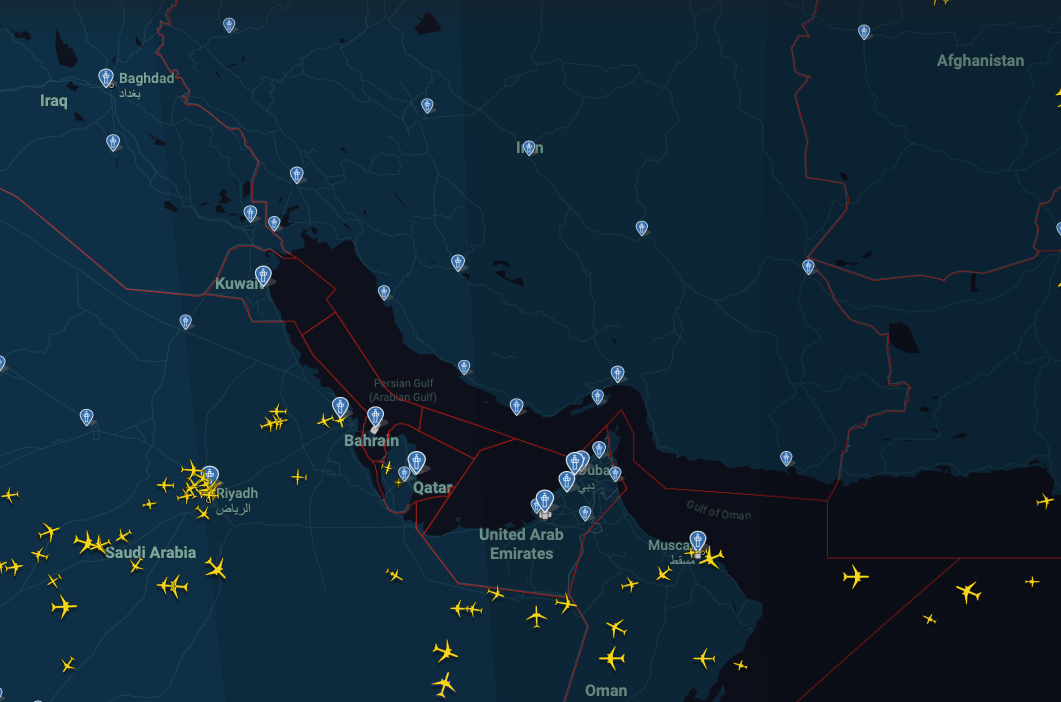
Airspace closures across parts of the Middle East remain in place following Iranian strikes and ongoing military activity, and the impact is now spreading through global aviation networks.
Airlines worldwide are facing escalating disruption, with flight-tracking data indicating more than 3,400 cancellations and diversions across the region. Airspace restrictions are being issued through aviation safety notices (NOTAMs), requiring airlines and flight crews to avoid affected areas.
What began as mid-flight diversions has now developed into a wider network disruption affecting long-haul operations far beyond the Middle East. Even passengers not travelling to the region may experience delays, missed connections, and cancellations as aircraft and crews fall out of position across multiple continents.
Gulf airlines halt all operations
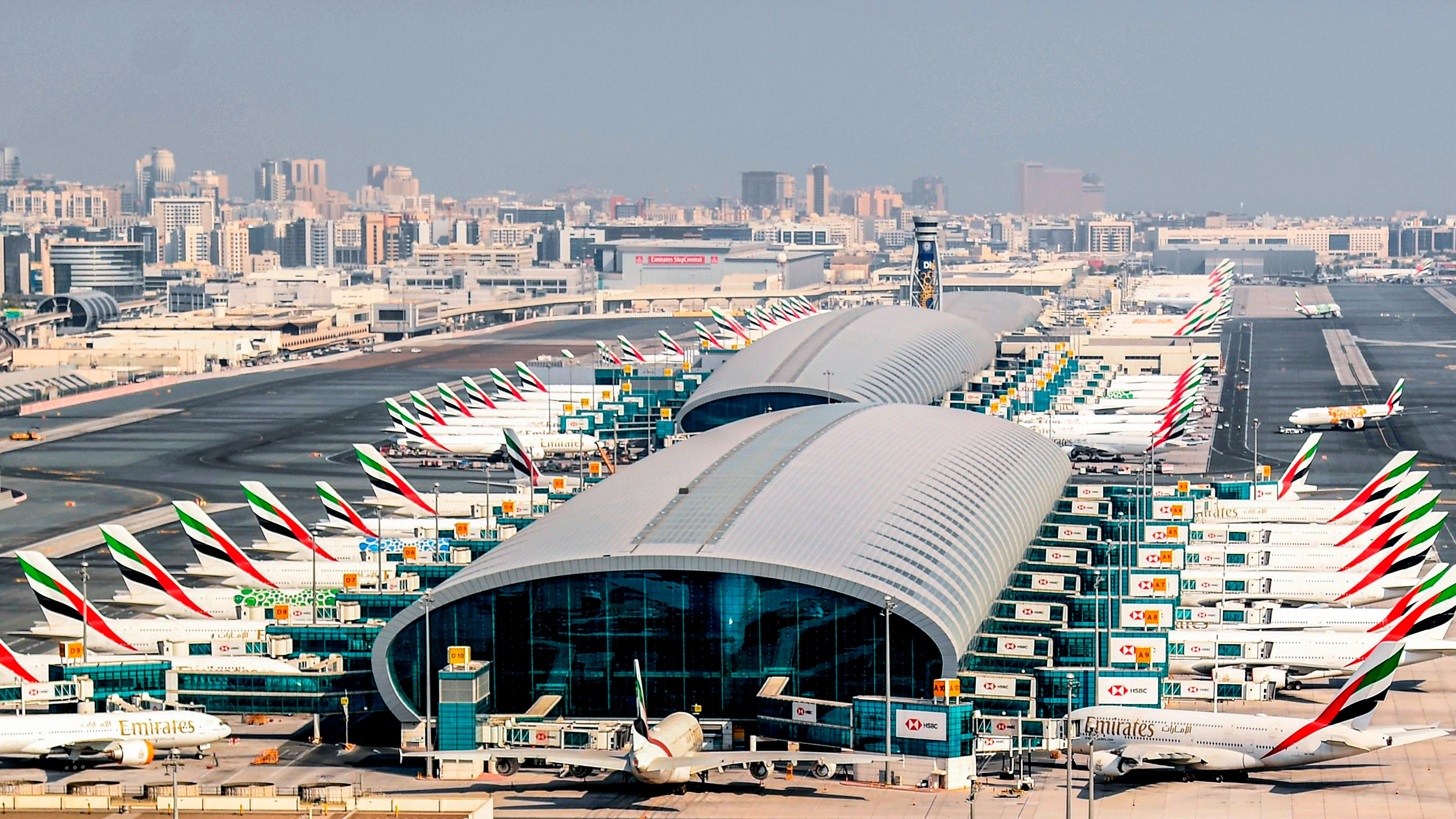
Airlines based in the Gulf are experiencing the most severe impact, as their global networks depend on aircraft moving through tightly coordinated hub airports. With surrounding airspace closed across the United Arab Emirates, Qatar, Bahrain, and Kuwait, carriers based in those countries have been unable to operate normal schedules.
Unlike airlines outside the region, these carriers cannot reroute around the disruption because their hub airports sit inside the affected airspace. Departures cannot be safely dispatched, and inbound aircraft cannot reliably reach their destinations.
The following airlines have issued operational updates amid ongoing restrictions. Passengers should check directly with their airline before travelling to the airport. The information below was updated at 16:55 GMT on Monday, the 2nd of March 2026.
Airline | Hub airport | Latest operational advisory | Next update/restart time | Airline website |
Emirates | Dubai (DXB | Select flights operational | 3 March, 15:00 (local time) | |
Qatar Airways | Doha (DOH) | Operations suspended | Update expected 3 March, 09:00 (local time) | |
Etihad Airways | Abu Dhabi (AUH) | Select flights operational | 3 March, 14:00 (local time) | |
flydubai | Dubai (DXB) | Select flights operational | 3 March, 15:00 (local time) | |
Air Arabia | Sharjah (SHJ) | Operations suspended | 3 March, 15:00 (local time) | |
Kuwait Airways | Kuwait City (KWI) | Operations suspended | ||
Jazeera Airways | Kuwait City (KWI) | Operations suspends | ||
Gulf Air | Bahrain (BAH) | Operations suspended | ||
El Al Israeli Airlines | Tel Aviv (TLV) | Operations suspended | ||
Oman Air | Muscat (MCT) | Some cancellations and disruption | ||
Saudia | Riyadh (RUH) | Some cancellations and disruption | ||
Flynas | Riyadh (RUH) | Some cancellations and disruption | ||
Royal Jordanian | Amman (AMM) | Some cancellations and disruption |
Aircraft and crews are out of position
As the closure continues, the disruption is becoming operationally complex. Airlines are no longer only cancelling flights; they are now dealing with aircraft and crews being out of position across several continents.
Long-haul networks rely on aircraft arriving at specific airports to operate their next scheduled sector. When flights to Dubai, Doha, or Abu Dhabi cannot operate, aircraft that were due to continue onward to Asia, Africa, or Australia remain stranded at their previous destination.
Crew scheduling presents an even greater challenge. Pilots and cabin crew operate under strict legal duty-time limits, and diversion routings significantly increase flight duration. In many cases, crews cannot legally operate the next sector even if the aircraft is available, forcing further cancellations.
Recovery will take days, not hours
Even after airspace restrictions are lifted, airline operations will not immediately return to normal.
Aircraft, crews, and passengers must first be repositioned back into the network. Airlines often need to operate recovery or ferry flights without passengers to move aircraft back to their hubs, while replacement crews must be flown into position before scheduled services can restart.
Hub carriers such as Emirates, Qatar Airways, and Etihad Airways are particularly sensitive to disruption because they rely on tightly timed connection waves. If a bank of arrivals is missed, numerous onward departures cannot operate.
Because long-haul aircraft typically operate only one or two sectors per day, restoring the network requires several operating cycles. In practice, delays and cancellations may continue for several days even after the airspace itself reopens.
In global aviation, the reopening of airspace does not end the disruption — it marks the beginning of the recovery process.
Have questions or want to share your thoughts?