Jetstar A320 flew below minimum safe altitude

By Steve Creedy Fri May 3, 2019
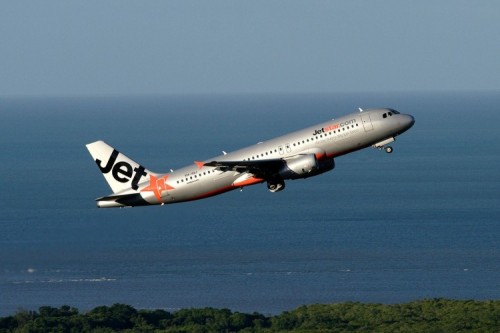
Jetstar has been chided for not encouraging its flight crews to use automated functions on the Airbus A320 after one of its planes descended below the 2500ft minimum safe altitude on approach to Christchurch.
The aircraft was on a return leg from Wellington with 128 passengers and six crew on board in August, 2017, when it descended below the published minimum safe altitude for part of the arrival.
The plane was required to stay above 3000ft until it reached a waypoint called by GOMPI but dipped low as 2000ft and breached the minimum safe altitude of 2500 ft.
READ: Jetstar to start the first direct low-cost link between Australia and Korea
The 3000ft limit was a procedural limit while the 2500ft restriction was designed to maintain separation from the terrain.
New Zealand’s Transport Accident Investigation Commission found that the infringement happened because the flight crew did not maintain adequate situational awareness of the aircraft’s location in relation to the standard arrival route.
“The flight crew elected to use an ‘open descent’ procedure rather than the available, fully automated ‘managed descent’ mode, which required a higher level of human intervention to keep the aeroplane within permissible limits on the arrival route,’’ it said.
“The operator’s procedures did not encourage the appropriate use of the aeroplane’s automated navigation systems; this increased operational risk by placing more reliance on human performance.”
The report also noted an air traffic controller noticed the plane had breached the minimum safe altitude but the pilots, who were unaware of the breach, were not told until after they landed.
Jetstar issued a Flight Standing order that included a revised procedure for flight path monitoring and discussed topics such as pilot duties, monitoring and communication.
“A key lesson arising from the inquiry is that properly used automated flight navigation systems will reduce the crew workload and result in safer flight operations,’’ TAIC said.
“If crew choose not to use them, they must maintain a heightened level of alertness and work harder to achieve an equivalent level of situational awareness.”
Have questions or want to share your thoughts?