flydubai drops low-cost model and transitions to a full-service airline

By Josh Wood Thu Feb 5, 2026
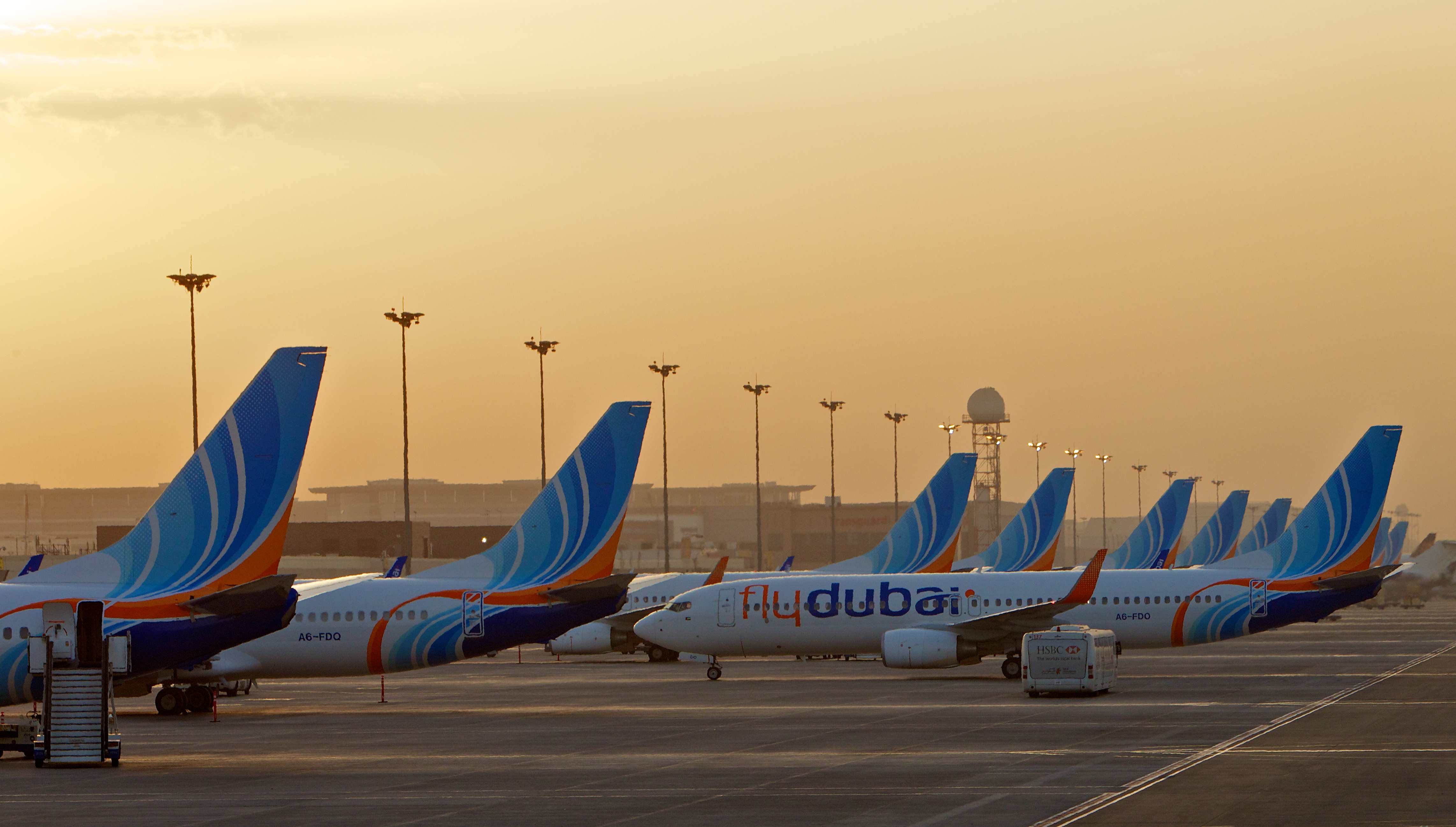
Launched in 2009 as a low-cost carrier, flydubai has grown into a major regional airline. Today, it operates a fleet of 97 Boeing 737 aircraft to more than 135 destinations from its hub in Dubai. The airline plays a complementary role to its parent carrier, Emirates, feeding passengers in to Emirates’ long-haul network while serving thinner regional and secondary markets better suited to narrowbody operations.
However, it’s not just flydubai’s network that has evolved. The airline has been steadily moving away from its original low-cost model, repositioning itself to a full-service carrier. Today, flydubai offers bundled economy class, lie-flat beds in business class, and has a premium economy product planned for the future aboard its newly ordered Boeing 787 Dreamliner fleet.
Economy class isn’t what it used to be
In its early years, flydubai’s economy product closely followed a low-cost approach, with passengers paying extra for meals, inflight entertainment, and seat selection. Historically, flydubai’s main competitors in the region were Air Arabia, based in Sharjah.
Since November 2025, that model has changed significantly. All economy fares now include meals and inflight entertainment, marking a clear departure from the airline’s low-cost roots and bringing the onboard experience closer to that of carriers such as Etihad Airways and Qatar Airways.
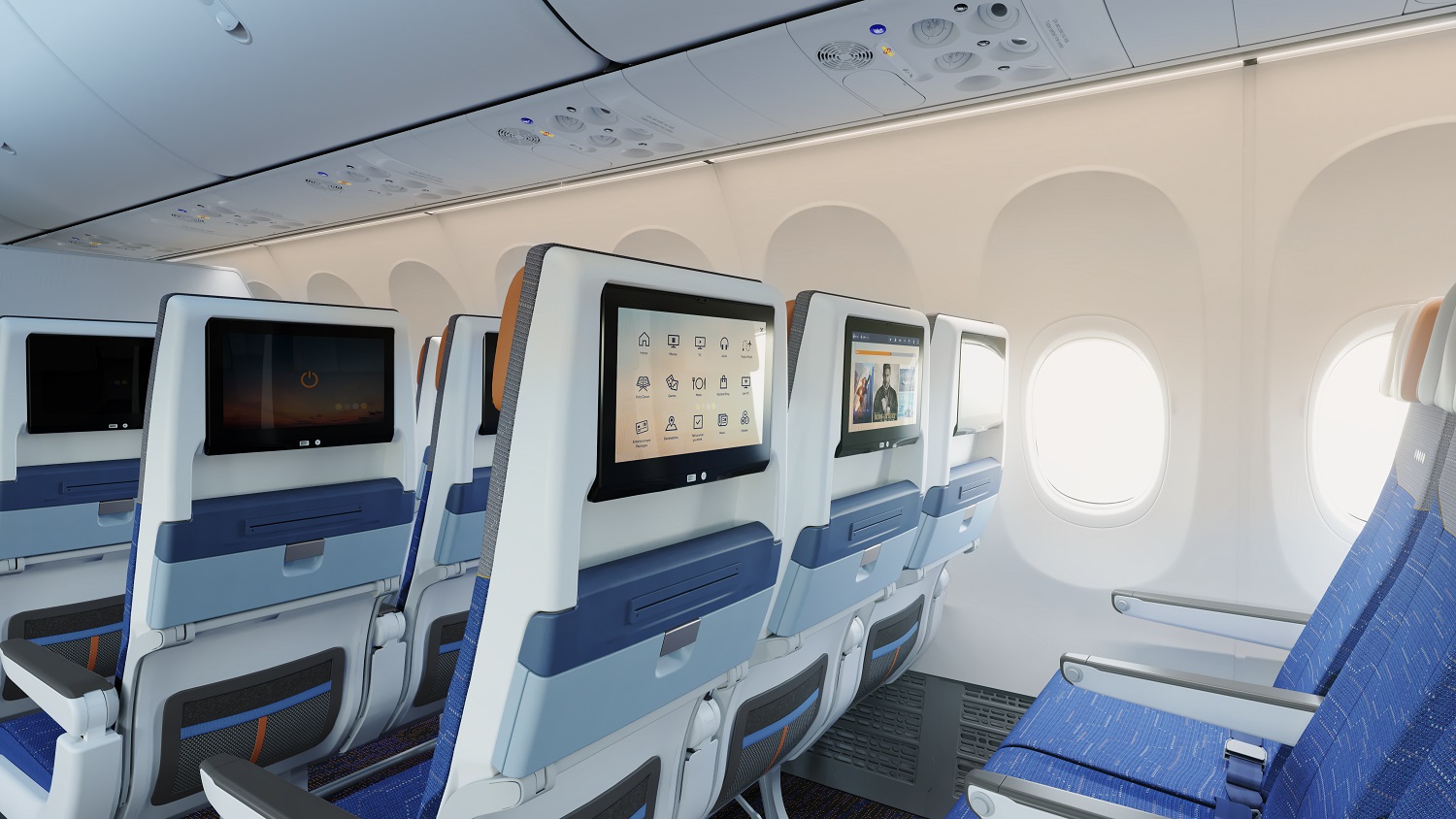
Passengers travelling with flydubai can now enjoy a multilingual inflight entertainment system featuring Hollywood, Bollywood, and Arabic films, alongside a wide selection of TV shows, including content from HBO Max. Catering has also been upgraded, with meals, light snacks, and a range of complimentary beverages served on board. Menus are designed to reflect flydubai’s diverse network, drawing inspiration from Middle Eastern, European, Indian, African, Russian, and Southeast Asian cuisines.
Business class steps up
Flydubai’s business class has undergone one of the most noticeable transformations. In the airline’s early years, the product was relatively basic, featuring recliner-style seats, limited onboard service, and a cabin designed primarily for short regional flights.
Today, the experience is different. On selected aircraft, business class now offers enhanced dining and larger inflight entertainment screens, delivering a far more premium experience on longer routes. Seats are lie-flat, but passengers on the window must climb over the adjacent passenger to gain aisle access, slightly reducing the premium feel compared to widebody aircraft.
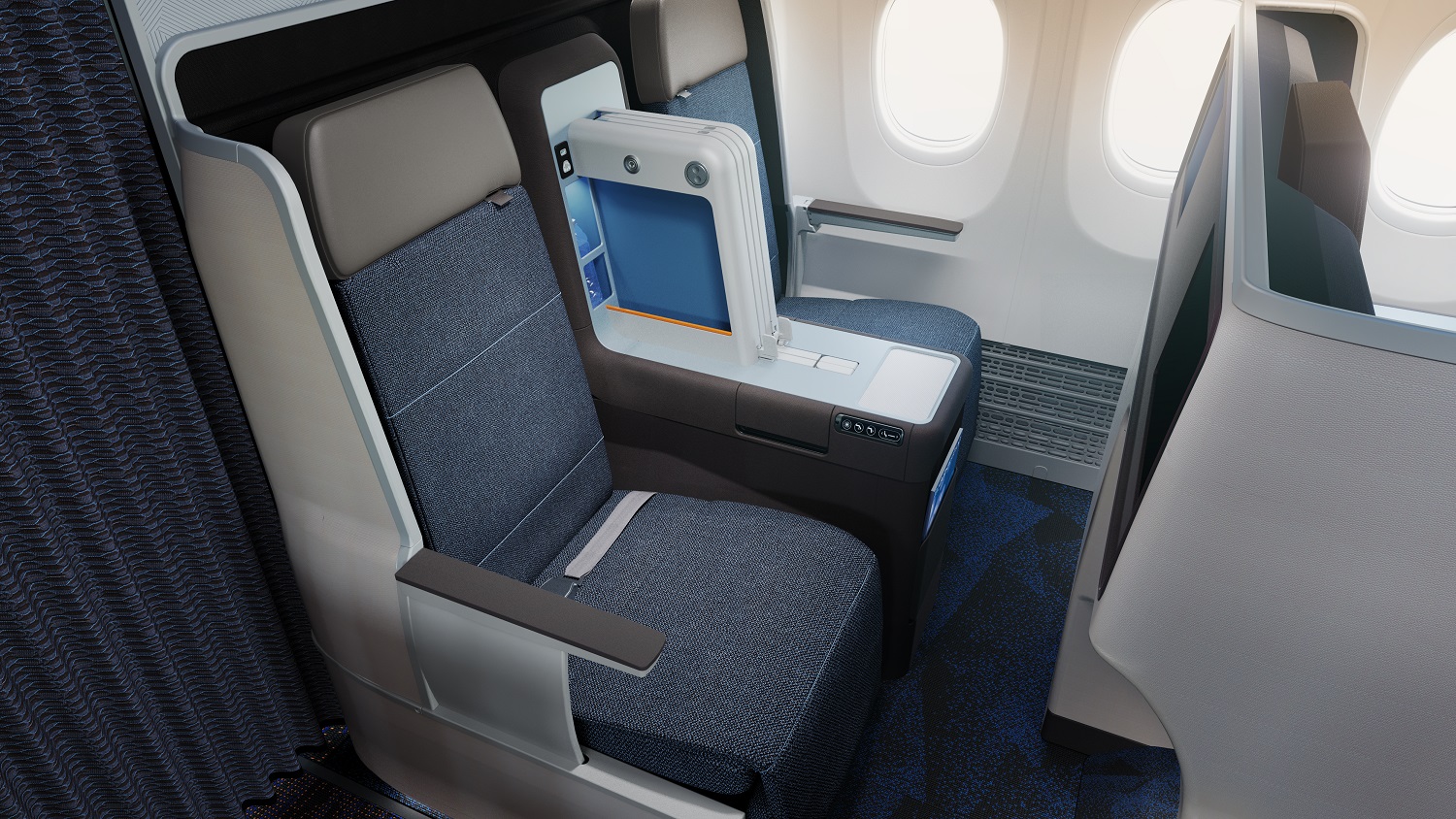
The airport journey has also been improved, with priority check-in, fast-track services, and lounge access available on many flights. Looking ahead, flydubai’s plan to introduce new business class suites on its B737 MAX’s to Southeast Asia and Europe, further elevating the onboard experience and strengthening the airline’s ability to compete with established Middle Eastern carriers.
.jpg)
Together, these additions highlight flydubai’s continued move away from pure low-cost and attract a wider range of price-sensitive passengers, especially those who are looking for more comfort.
New aircraft and bigger ambitions
Flydubai currently operates a single aircraft type of Boeing aircraft, including the B737-800NG, B737-800 MAX, and -900 MAX. This fleet strategy is typical of a low-cost airline, but as the airline transitions to a full-service airline, it has placed orders for 30 B787-9 Dreamliners, as well as 150 A321neo family aircraft.
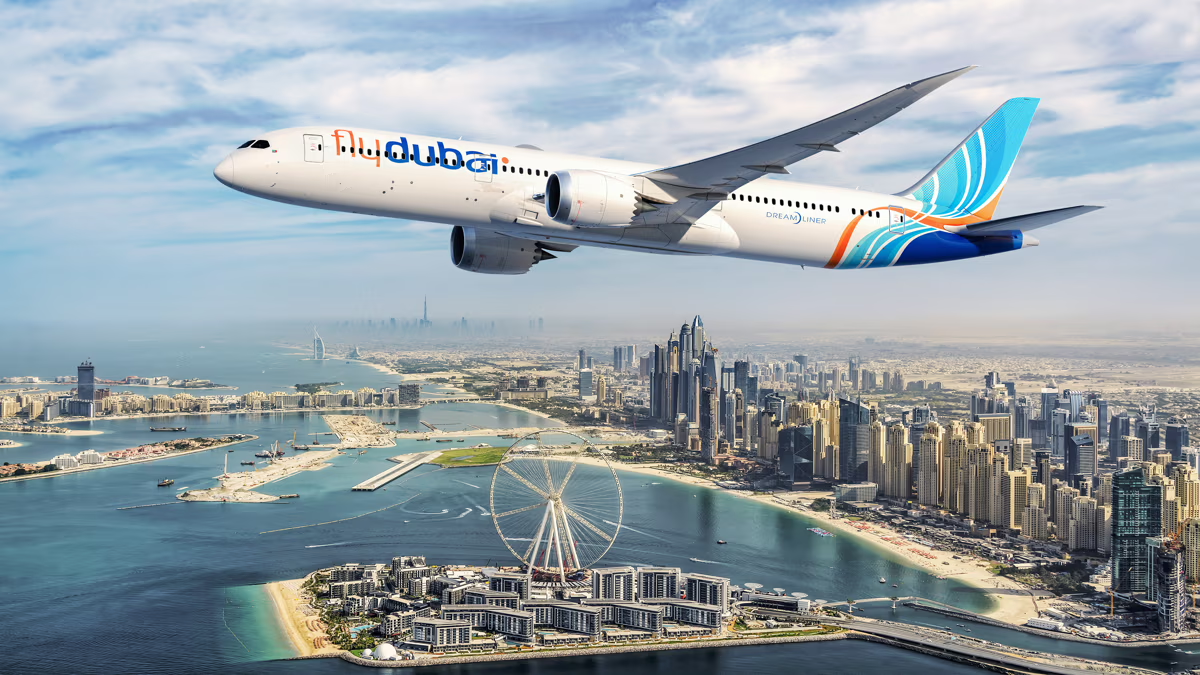
The shift away from fleet commonality highlights that flydubai is looking to captivate different markets, with long-haul aircraft and a greater fleet mix to satisfy different routes.
A solid safety record
flydubai has consistently featured in AirlineRatings’ World’s Safest Airlines rankings, thanks to its low incident rate, IOSA certification, modern fleet, and its home base in the UAE, which benefits from some of the world’s strongest aviation regulations and oversight. The airline has also always held a 7/7 star safety rating on airlineratings.com.
It is impressive to see an inherently low-cost carrier transform into a full-service airline offering a genuinely premium product. Will flydubai be able to pull it off and become a real competitor to the huge amount of competition in the Middle East?
flydubai has all the right new ingredients to succeed, and we at AirlineRatings.com will follow closely and bring you further news on their journey.
Have questions or want to share your thoughts?