Allegiant Air's acquisition of Sun Country: What does this mean for US leisure travel?

By Josh Wood Tue Jan 20, 2026
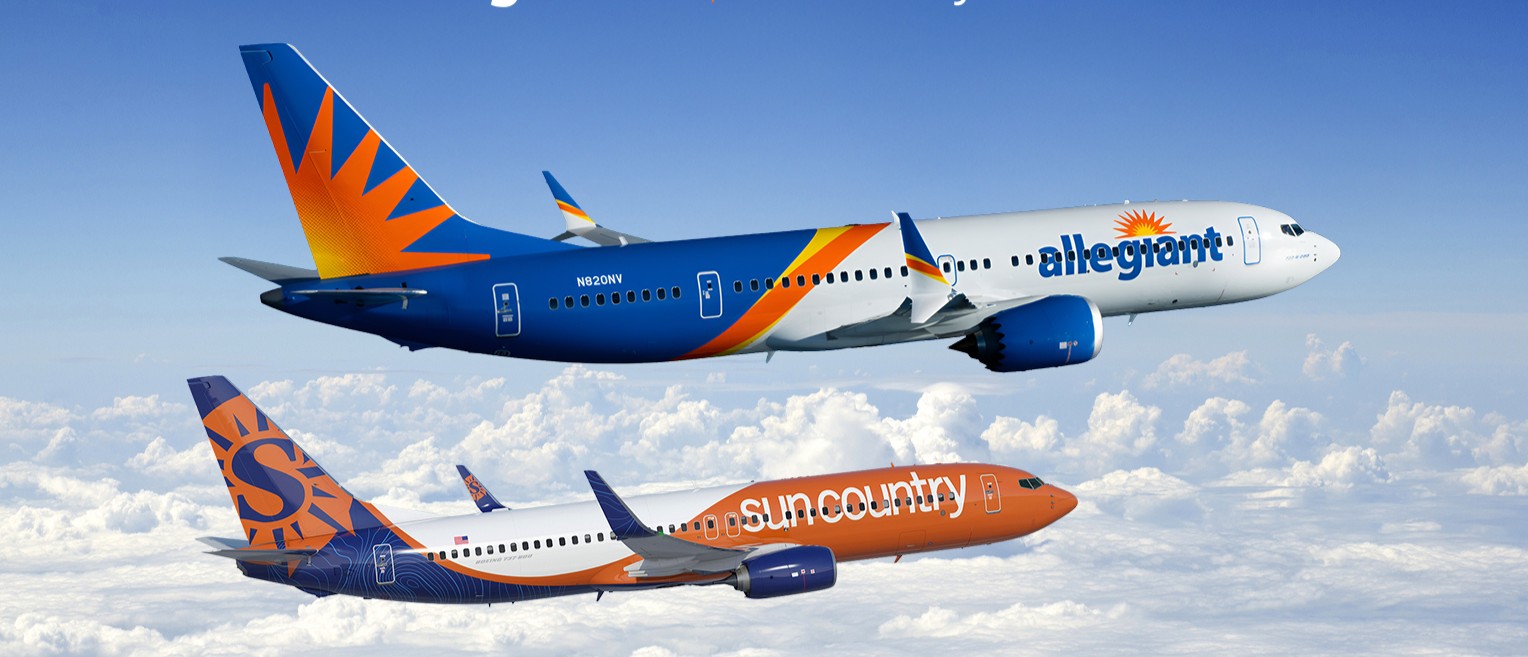
Low cost US carrier Allegiant Air has agreed to acquire fellow leisure airline Sun Country Airlines in a $1.5 billion cash and stock deal, creating one of the largest leisure focused carriers in the United States.
For travellers, the Allegiant–Sun Country merger is expected to strengthen direct leisure connectivity from secondary US cities to popular holiday destinations, utilising Sun Country’s already successful network to destinations in the Caribbean, Mexico, and Canada.
What does this mean for passengers?
Once the merger is complete, Allegiant Airlines will operate a fleet of roughly 180 aircraft, similar in size to US low cost carrier Frontier Airlines. A larger fleet and combined network should improve seasonal coverage, flight frequency, and offer more direct connections, reducing the need to route passengers through congested major hubs
However, passengers should not expect a shift in onboard service or pricing models. The merged airline will continue to operate under a low cost, ancillary driven service, with revenue generated through seat selection, baggage fees, and buy-on-board services. In markets with limited competition, these additional charges could remain high.
Overall, the deal offers passengers greater route choice and convenience, particularly for point-to-point leisure travel, but with the same low-cost trade-offs US travellers are already familiar with.
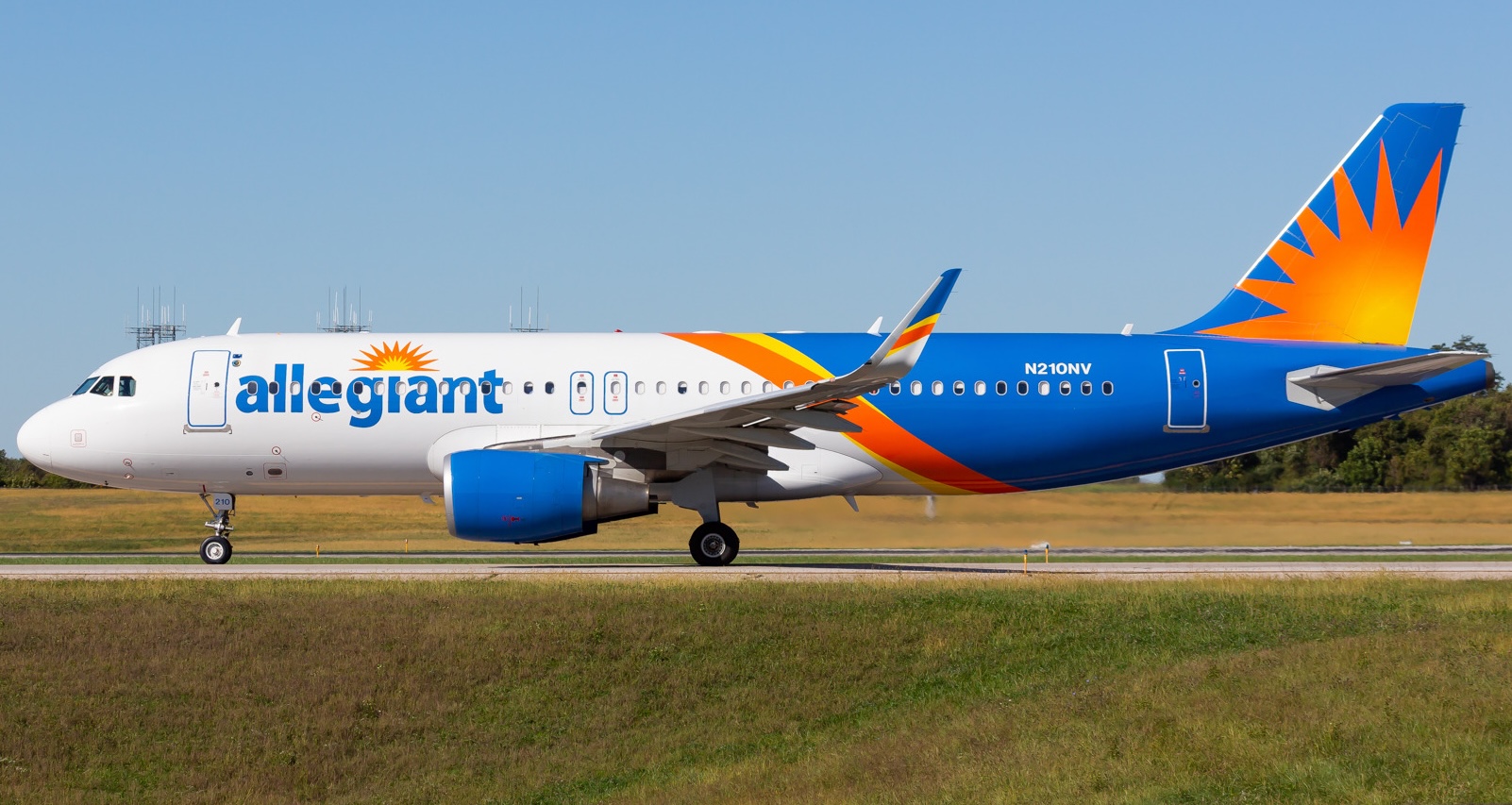
What will the new airline look like?
In a press release issued on the 11th of January, Allegiant confirmed that the Sun Country brand will be phased out, with the combined airline operating under the Allegiant Air name.
Once complete, the merged carrier is expected to transport approximately 22 million passengers annually, serving more than 650 routes across around 175 cities, thereby significantly strengthening Allegiant’s position in the US leisure travel market.
Allegiant Air currently operates a predominantly Airbus A320 family fleet, including the A319 and A320, while also introducing the Boeing 737-8 MAX as part of its future fleet strategy. Sun Country, meanwhile, operates an all-Boeing fleet comprising the 737-800 and 737-900NG. While the two airlines operate different aircraft families today, Allegiant’s more recent move towards the 737 MAX provides a clear strategic bridge between the fleets. This commonality at a Boeing narrowbody level is expected to support long term efficiencies in pilot training, maintenance, and fleet planning, while allowing flexibility as older aircraft are retired. In terms of fleet age, both airlines operate relatively older fleets, with an average fleet age of 14.5 years for Allegiant Airlines and 18.5 years for Sun Country at the time of publication.
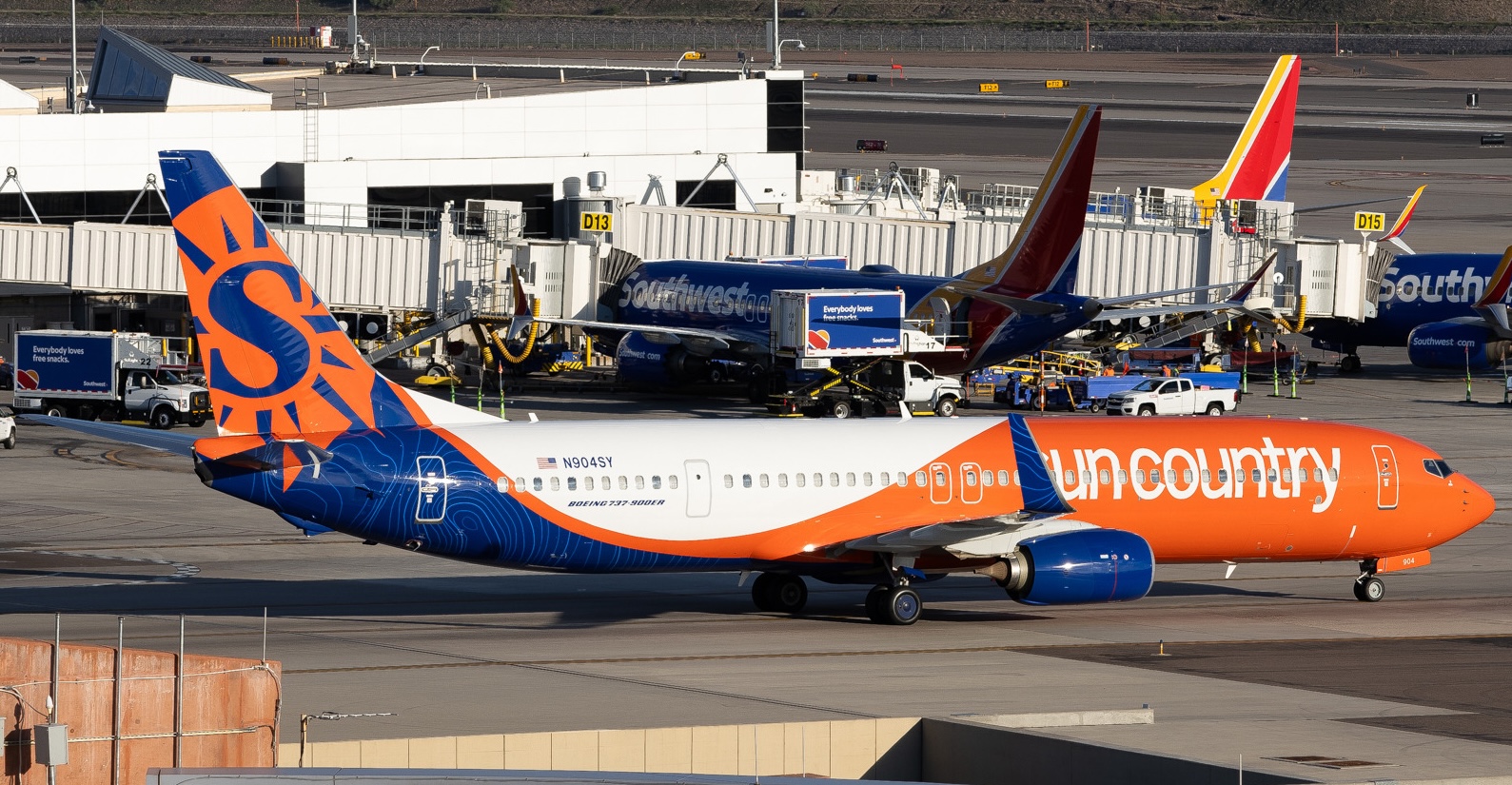
From a safety perspective, both airlines are rated 7/7 by AirlineRatings.com. In the mid-2010s, Allegiant faced scrutiny over higher-than-average mechanical issues and incidents, largely linked to its aging MD-80 fleet. This led to significant investment in newer Airbus aircraft, after which a marked reduction in incidents was observed. Neither airline has ever been involved in a fatal accident.
The bottom line
The transaction remains subject to regulatory approval from the US Department of Justice (DOJ) and Department of Transportation (DOT) but is expected to close in the second half of 2026.
If approved, the Allegiant-Sun Country merger would underline a broader US industry shift towards leisure led growth and point to point travel from secondary cities. For passengers, it promises greater access to vacation destinations with a familiar low cost model.
Have questions or want to share your thoughts?
Sources: