After four years, Ukraine is preparing to reopen its airspace
By Josh Wood Fri Mar 27, 2026
Ukrainian authorities are working to establish a task force to oversee the process of re opening the airspace over Ukraine to passenger or commercial aircraft with Lviv International Airport earmarked as the first to open.
While reopening remains heavily dependent on security conditions, talks between Ukrainian authorities, the International Air Transport Association (IATA) and the International Civil Aviation Authority (ICAO) are ongoing.
Restoring commercial aviation to Ukraine
Lviv International Airport, located in western Ukraine near the Polish border, is seen as the best starting point due to its relative distance from active conflict zones. Its geographic position makes it easier to secure compared to airports further east, including Kyiv Boryspil, which is Ukraines largest international airport.
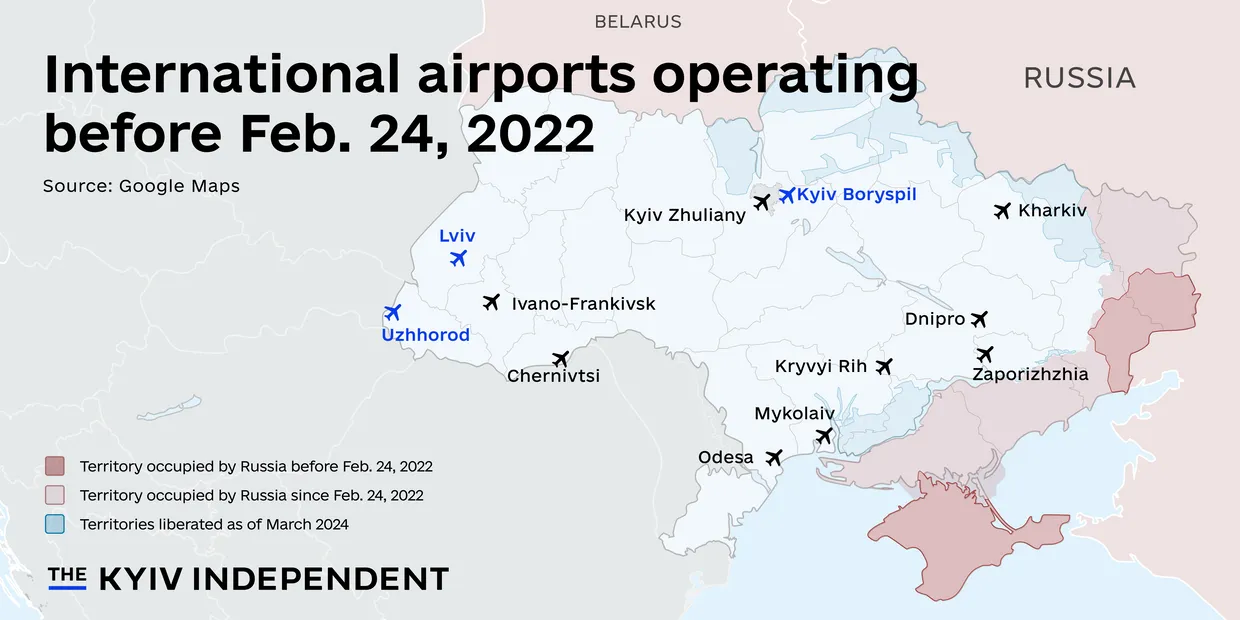
Initial operations are expected to be limited, with strict safety protocols and controlled flight corridors in place. Airlines will require robust risk assessments, insurance approvals, and government-backed security guarantees before resuming services.
Several European carriers have expressed interest in returning once conditions allow, particularly low-cost carriers such as Wizz Air, which previously operated in and out of Ukraine. The Hungarian airline circulated a post on social media saying, “Ukraine, we’re coming home”, although this the post was primarily aimed at promoting recruitment opportunities for Ukrainian citizens.
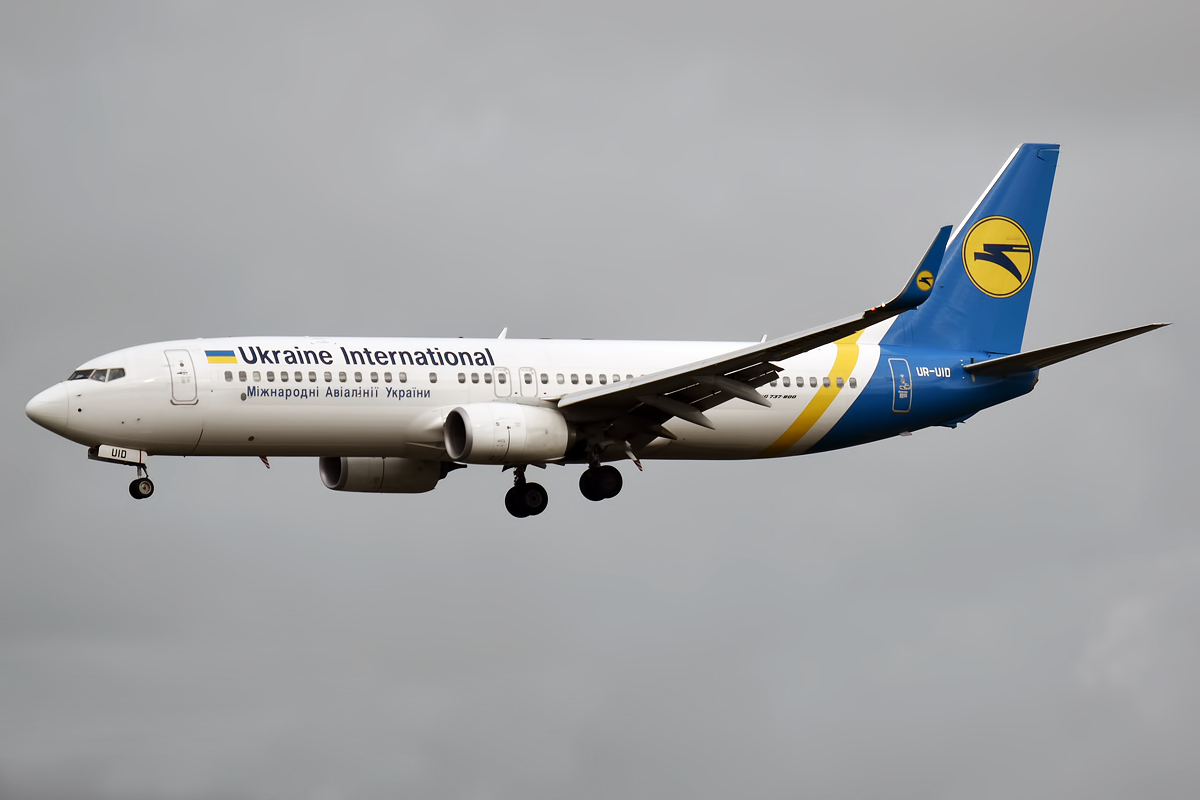
Ukraine’s national carrier, Ukraine International Airlines (UIA) ceased operations primarily due to the Russian invasion of Ukraine in February 2022, which caused a 99% drop in revenue. The airline further suffered from massive debt, internal disputes between shareholders, and the recall of aircraft by lessors, leading to bankruptcy proceedings by late 2023.
A complex and cautious reopening
Reopening Ukrainian airspace is not simply a political decision, it is a highly complex operational challenge. Airspace safety, missile risk mitigation, air traffic control restoration, and airport infrastructure readiness will all need to be address before flight can resume. Insurers will play a critical role, as coverage for operations in or around war zones remains one of the largest barriers to reopening.
Missile strikes remain unpredictable, with recent drone attacks reported in Lviv, highlighting the continued risk to infrastructure. While strikes on the western edge of Ukraine are less frequent, they still pose a significant risk to citizens and the reopening of the city’s airport.
Additionally, the Ukraine will need to rebuild parts of its aviation infrastructure, including navigational systems and ground operations, many of which have been damaged or destroyed.
The dark memory of Malaysia Airlines Flight 17
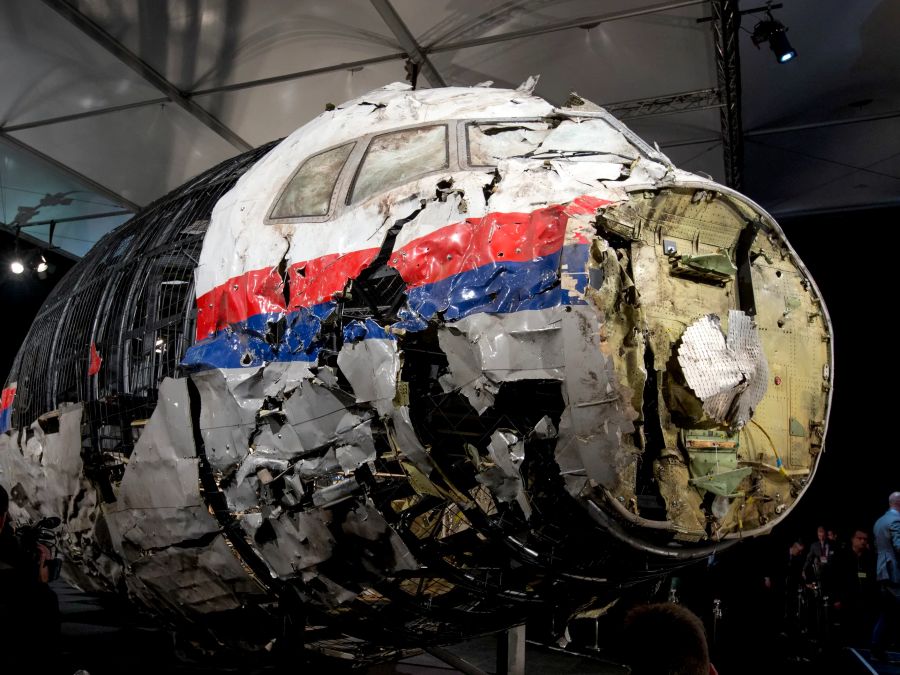
While geographically distant from Lviv, the downing of Malaysia Airlines Flight 17 in Donetsk remains a defining event. The Boeing 777 was shot down by a Russian surface-to-air missile in 2014, killing all 298 onboard.
While not directly connected to the current invasion of the country, Ukrainian authorities will remain cautious to ensure such an event such as MH17 is not repeated.
READ: UN Declares Russia Shot Down Malaysian Airlines MH17
What this means for European aviation
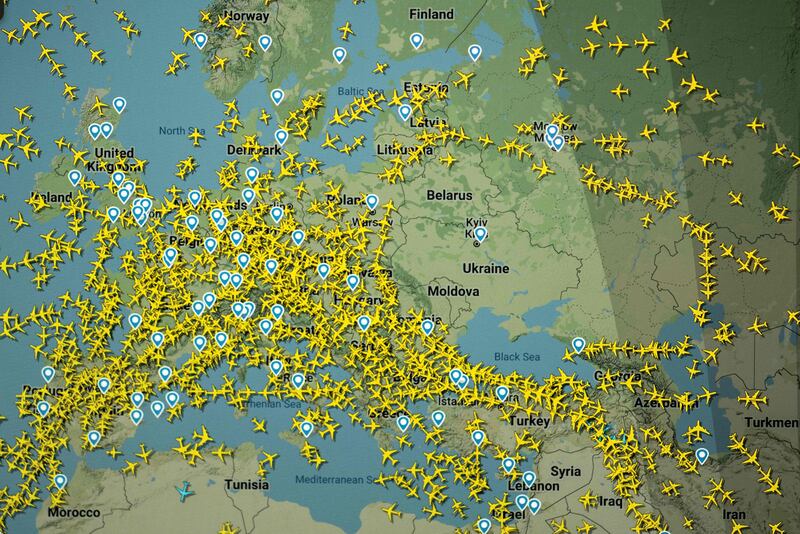
Since 2022, airlines have been forced to reroute flights around Ukranine’s airspace, increasing flight times, fuel burn, and operational costs. Flights between Europe and Asia have been majorly affected, particularly Finnair. The Helsinki-based carrier has experienced flight increases of up to 3.5 hours on routes to Tokyo, with some flights routed over the North Pole.
While an initial reopening may not immediately restore pre-war routing efficiencies, it would represent a step in the right direction towards normalisation.
Safety is paramount, always
Ukraine’s plans to reopen its airspace marks a significant moment for the country’s recovery and the wider aviation industry.
However, any return of commercial flights will be gradual, tightly controlled, and dependent on security developments. For now, the focus remains on cautious progress, but for the first time in four years, a pathway back to commercial aviation begins to emerge.
Have questions or want to share your thoughts?