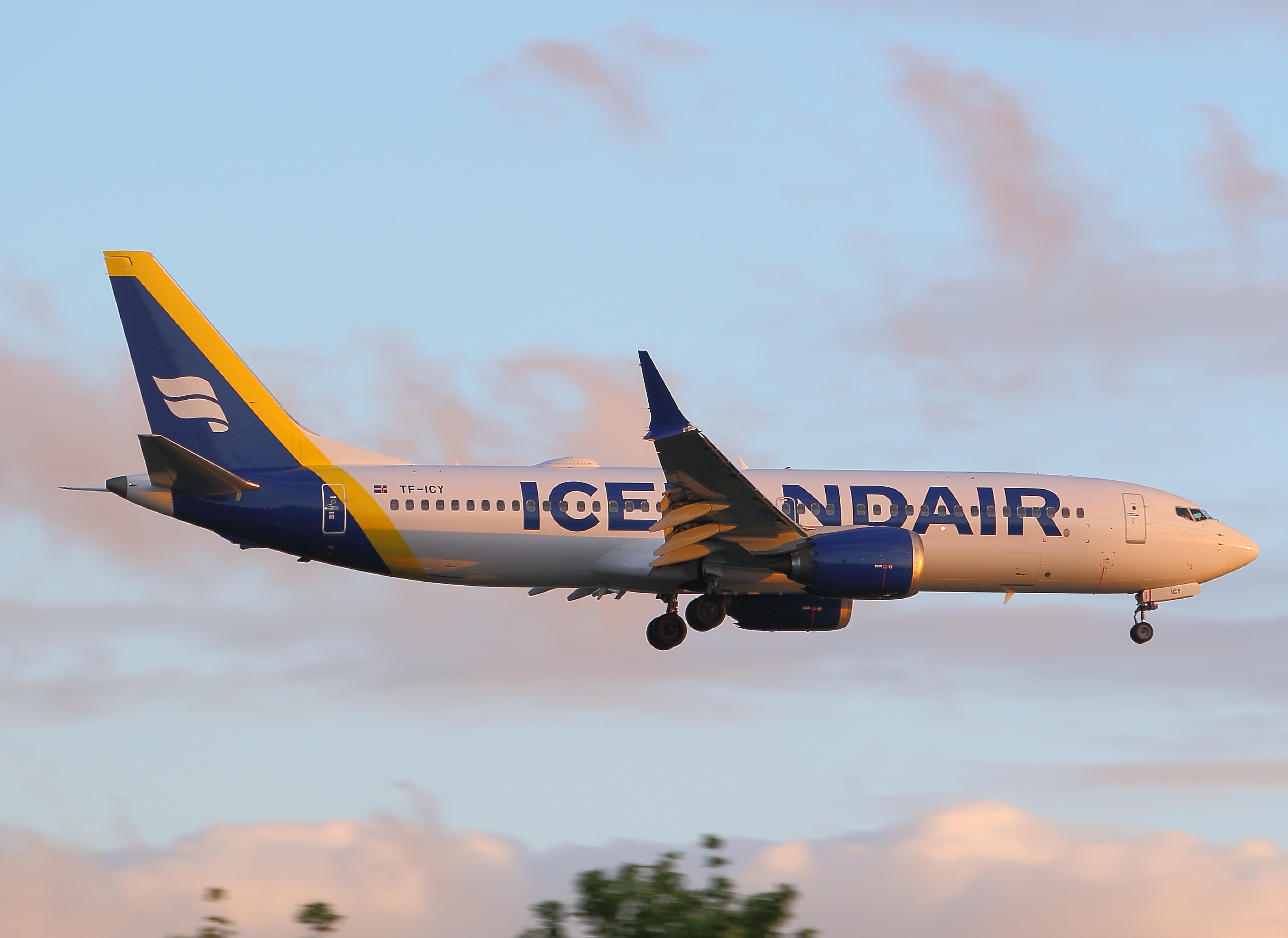
Icelandair's unremarkable trans-atlantic 737 MAX
By Josh Wood Tue Sep 22, 2026
4 / 10
Cabin
Economy class
Route Flown
Reykjavik
Seattle
Flight Number
FI683
Seat Number
12F
Ticket Class
Extra legroom and checked baggage
Date Flown
August 26, 2026
Traveller Status
Saga Club member
Icelandair is Iceland’s flag carrier, based in Reykjavik and operating to North America and Europe. The airline has a mixed fleet of Boeing 737 MAXs, 757s, 767s, a sole A320, and new Airbus A321neos, all offering economy and business class, branded as Saga Premium.
We flew a return trip between London Gatwick via Reykjavik to Seattle, USA, in economy on the A320 and 737 MAX 8 to show you the connecting alternative to the competitive UK-to-USA market. What we found is a stripped-back airline, charging for everything and offering little for free, much closer to a low-cost airline than a flag carrier.
Seating
2.5 / 5
On its 737 MAX, Icelandair has a 3-3 configuration, with a seat pitch of 31 inches and a width of 17 inches. This gives passengers considerably more space than you would typically expect from a low-cost carrier and is more akin to what you would find on an airline operating medium-haul routes.
The cabin is clean and modern, with seats upholstered in grey and black leather and finished with a branded headrest cover.
Each seat on the A320 and 737 MAX 8 is equipped with an adjustable headrest, which adds to comfort, particularly on the almost eight-hour flight to Seattle. We were seated in an emergency exit row on the flight to Seattle, while all other Economy seats have a slight 3-inch recline, adding to overall comfort.
Overall, the seats provided ample space for the flights we took and were as comfortable as you can be on a narrow body aircraft.
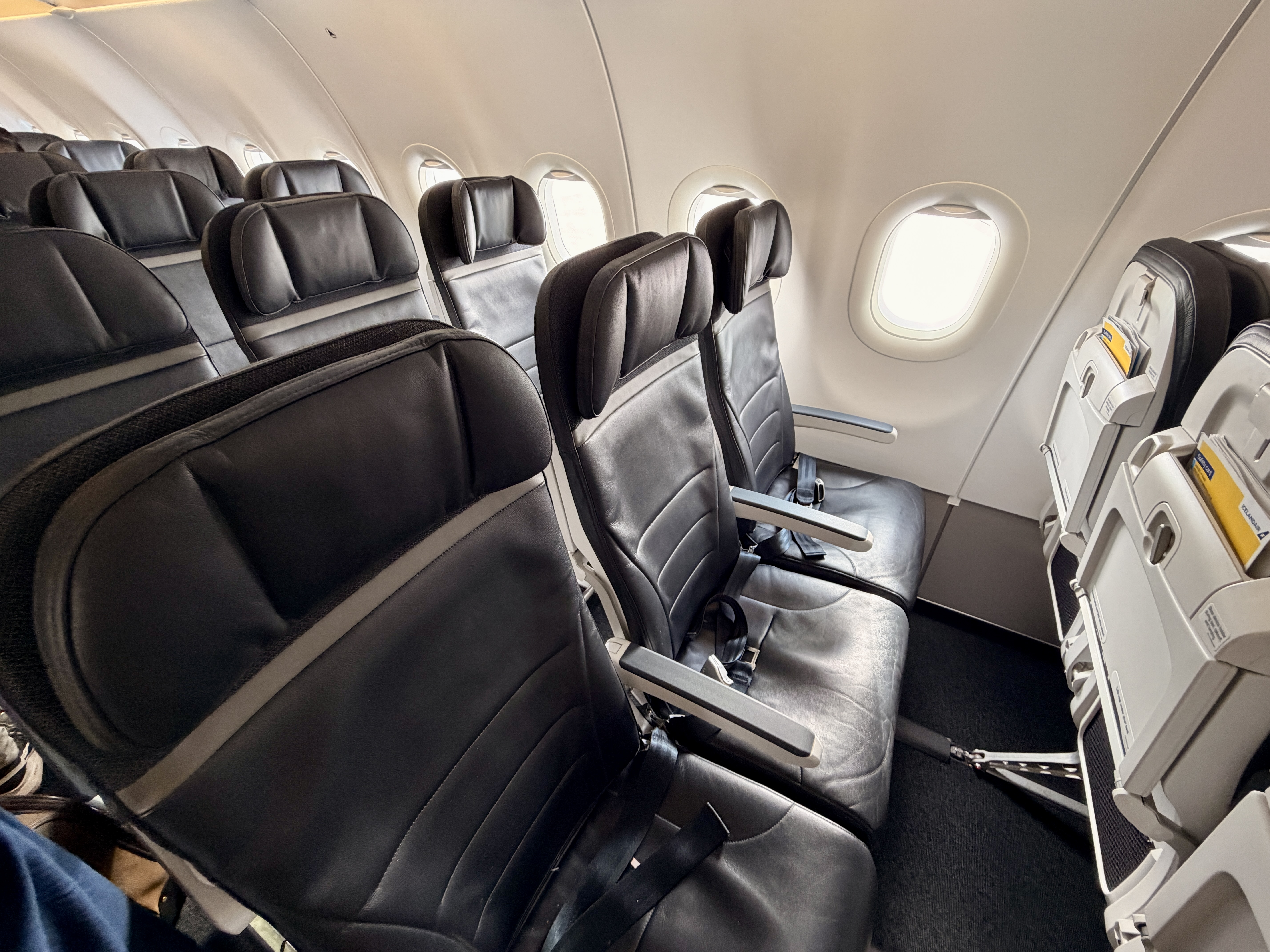
Each seat on the 737 MAX 8 had a USB-A charging port, but no universal power outlet was available. The A320 on the Gatwick sector had no charging facilities, and the airline informed passengers the day before via email. One small addition on the A320 is a tablet/phone holder which compliments the streaming entertainment system.
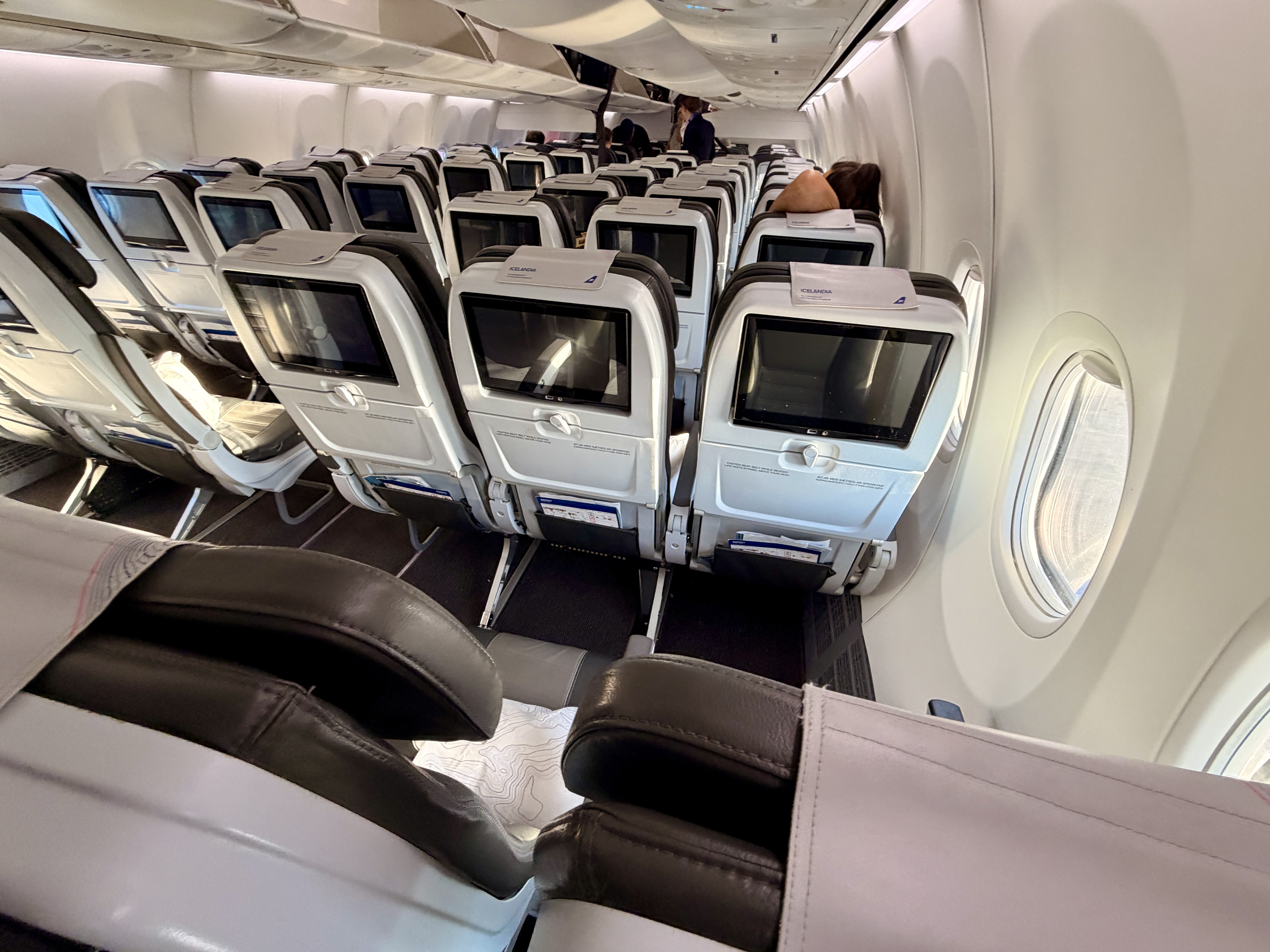
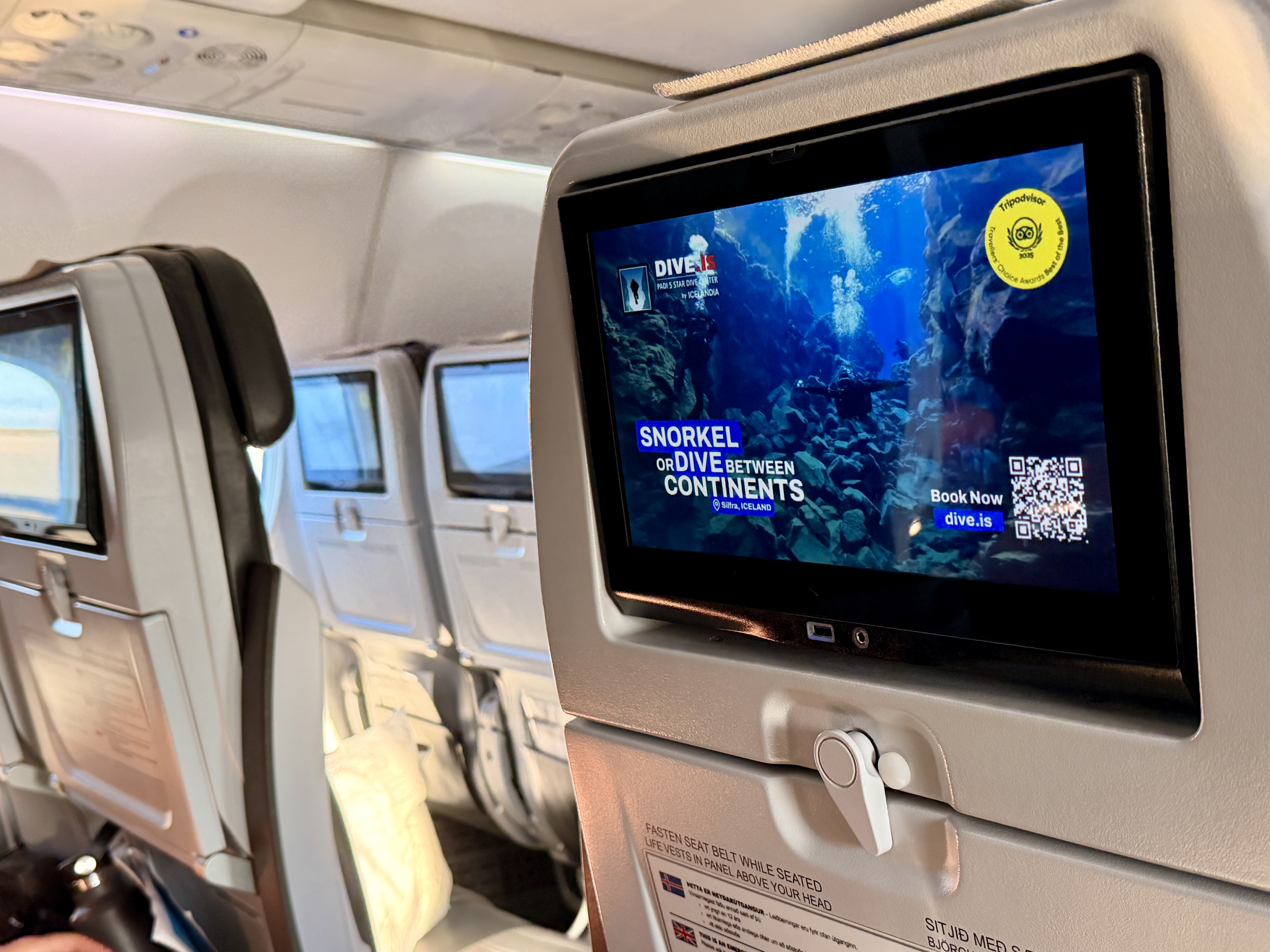
The 737 MAX 8 includes an inflight entertainment system with 10.1-inch HD touchscreens. The screen can be adjusted by tilting the display. The hardware is basic, with no Bluetooth headphone connectivity which is being rolled out across many other carriers. Headphones are not complimentary and must be purchased.
Customer Service
2.5 / 5
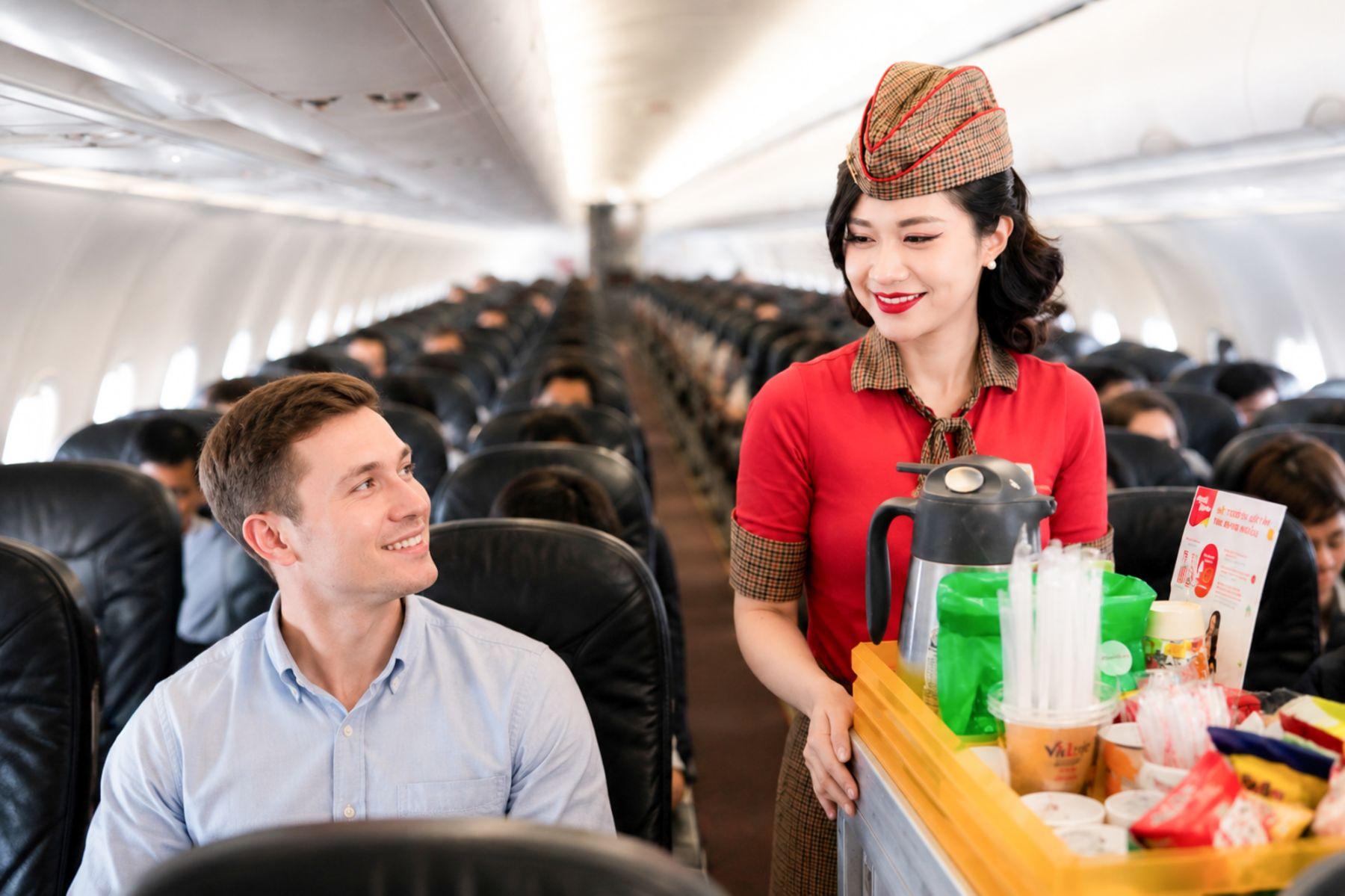
Icelandair’s cabin crew are efficient and perform all duties well, but with varying degrees of friendliness. At boarding, not every passenger was greeted with a smile, and the overall welcome didn't feel as warm as with other European carriers. Cabin crew were positioned throughout the cabin to ensure a smooth flow during boarding, which aided a quicker boarding process.
Throughout the flight, the crew displayed an acceptable level of friendliness and were always on hand to cater to all passengers needs. Call bell responce times were quick, even during busier periods of the flight.
Catering
1.5 / 5
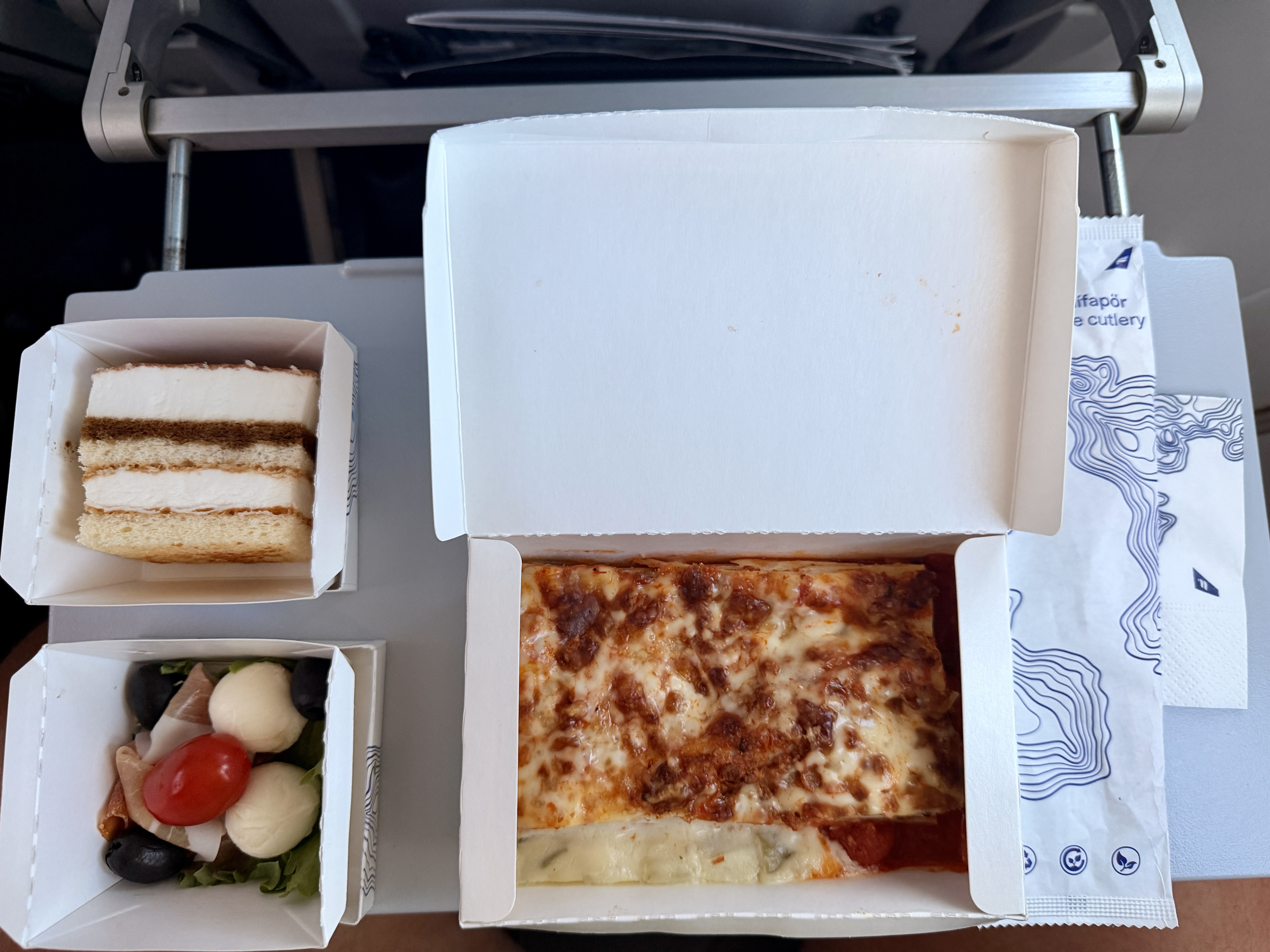
All beverages and food except water, tea, and coffee are chargeable on all Icelandair flights. Passengers can pre-book hot meals through ‘Manage Booking’ at least 24, 30, or 36 hours before departure, depending on the flight’s origin. We chose the lasagne meal tray on the Seattle sector, which included a small salad appetiser and tiramisu cake dessert. This cost €22, which is a little on the steep side. On the whole, the food was good, but the crew had to be prompted to serve it, and they did not proactively approach passengers who had pre-booked meals.
If passengers opt not to pre-book meals, the selection onboard is thin and includes only a pasta or chicken curry option. The menu includes potato chips, chocolate, cup noodles, a tapas box, and one baguette option. See Icelandair’s full menu here.
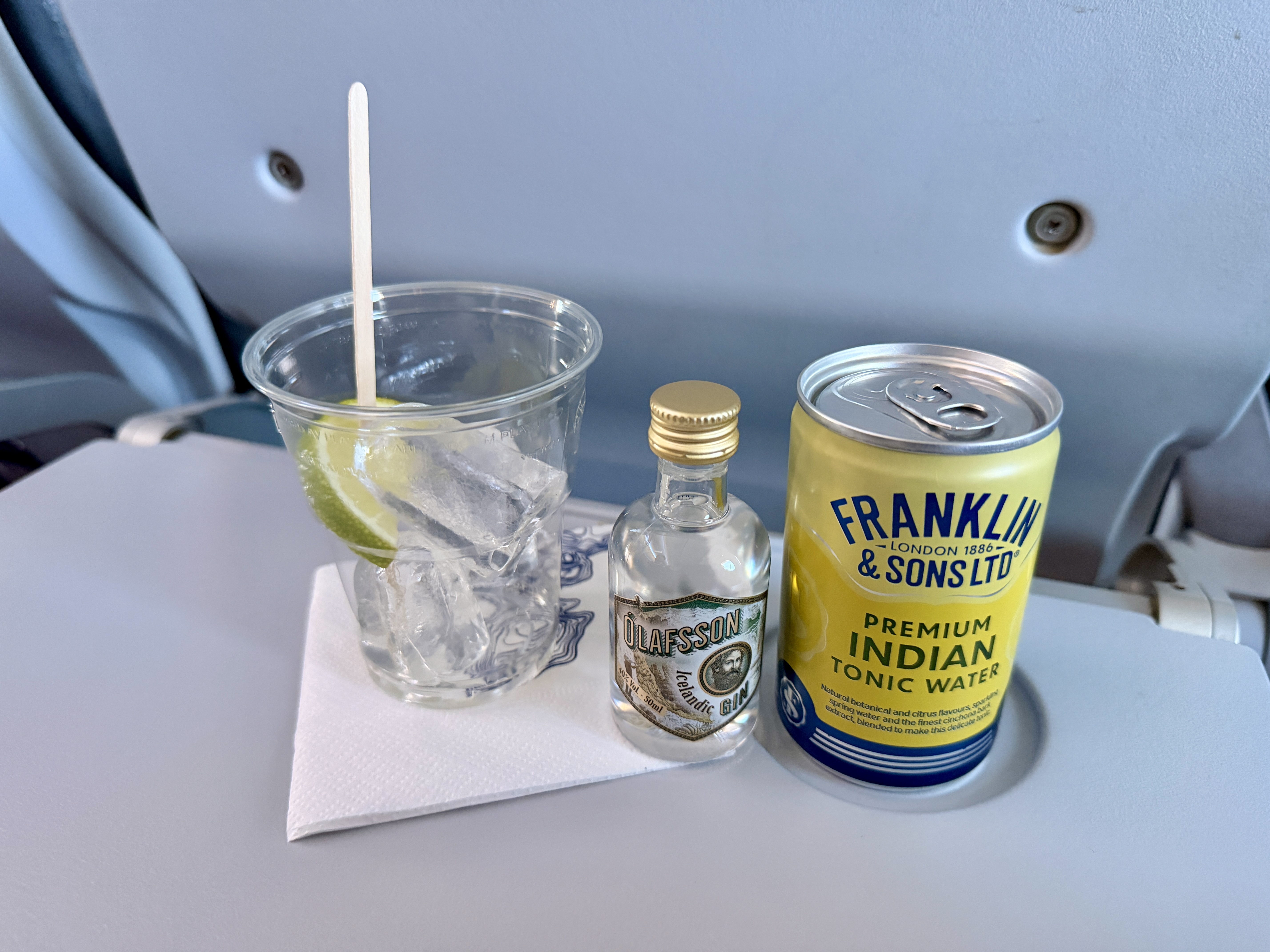
Beverages onboard are standard and include a range of spirits, beer, wine, sodas, fruit juices and smoothies. Pricing is high, with a 330ml can of beer costing €9. We tested the Icelandic gin which was very good.
Inflight Entertainment and amenities
1.5 / 5
Entertainment on the short-haul sector from Gatwick is streamed to passengers’ devices through the inflight network. Internet is not available. The system is easy to connect to and navigate, with an average selection of entertainment, including movies, TV shows, games, and music.
The 737 MAX 8 has seat-back entertainment screens for all passengers, plus paid Wi-Fi, which will set you back €24 for the whole flight. Passengers can utilise 15 minutes of free Wi-Fi after watching a quick advertisement, and it is enough to surf social media and check emails.
The system has a basic live map, including flight progress, altitude, and arrival time.
Extra Information
We paid for this trip ourselves, with a return ticket between London Gatwick to Seattle, including 23kg checked baggage and extra legroom costing a total of £606.50. While the cost is around £250 cheaper than a direct flight with the same inclusions, the flight times proved to be hard on the body clock.
We left Gatwick at 16:00 local time, with a 90-minute connection in Iceland, and landed in Seattle at 20:00 local time, equating to 04:00 in the morning in the UK. Many direct services arrive a few hours prior in Seattle, allowing for an easier experience on the circadian rhythm.
Also, connecting in Reykjavik is simple, but chaotic, and on all sectors we took (there and back), we had to take a bus from the aircraft to the terminal. Once inside, the terminal is very small and extremely busy, making for a stressful and overwhelming experience.
If an easy and stress-free travel experience is more important for you, then take a direct flight. But if price is your main factor when booking a trans-Atlantic flight, then Icelandair is the airline for you as long as you don’t mind paying for everything, including headphones!
Have questions or want to share your thoughts?