US rule aims to make supersonic flight testing easier

By Steve Creedy Thu Jan 7, 2021
US authorities have issued a final rule that makes it easier for companies to test supersonic passenger aircraft in situations where they break the sound barrier.
The rule-making does not overturn regulations introduced in 1973 banning civil aircraft operating above the speed of sound on a regular basis over land.
But it streamlines and clarifies the procedures for obtaining US Federal Aviation Administration approval for supersonic flight testing, something that remained available despite the 1973 ban prompted by Concorde.
READ: Amazon'a air force buys its own planes
The FAA said the rule would help companies developing supersonic aircraft to clearly understand the process, a key step in bringing their products to market.
“The FAA supports the new development of supersonic aircraft as long as safety parameters are followed,” FAA Administrator Steve Dickson said.
“The testing of supersonic aircraft at Mach 1 will only be conducted following consideration of any impact to the environment.”
The US regulator received more than 200 comments on its Notice of Proposed Rule Making (NPRM), with 43 supporting the rule and 45 opposing it.
Another 188 comments seen to be outside the rule’s scope related to changes to air traffic control or expressed general annoyance about aircraft noise.
“Approximately 77 commenters included some combination of general concerns about the possible environmental effects of supersonic airplanes—whether they were about the noise anticipated from new supersonic airplanes, the effect of supersonic operations on the atmosphere, or both,’’ The FAA said.
“Some commenters generally cited the Concorde model airplanes as an example.
“Those opposing the rule, including two municipalities, stated their opposition to the addition of supersonic airplanes, citing detrimental environmental effects, but did not comment on the changes proposed for the application procedure.
“In response, FAA emphasizes that the proposed rule would not have allowed supersonic flights to occur on a regular basis in the United States.”
There are several supersonic projects underway in the US, including research by NASA aimed at significantly dampening sonic booms and reducing them to a level similar to the thump of a car door being closed.
READ: NASA lowers the boom for supersonic travel.
Boeing is backing a 12-passenger business jet being developed by Nevada-based Aerion that will slash five hours off a Pacific crossing and is due to fly later this decade.
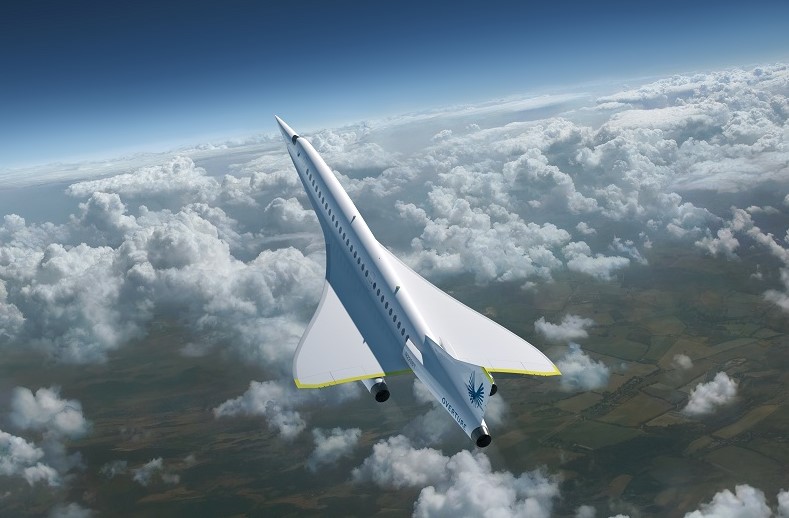
Japan Airlines has committed to a Mach 2.2 55-passenger jet being developed by US-based Boom Supersonic.
Have questions or want to share your thoughts?