This airline has the worst on time performance and most of its fleet is grounded so how is it still flying?

By Sharon Petersen Thu Nov 19, 2026
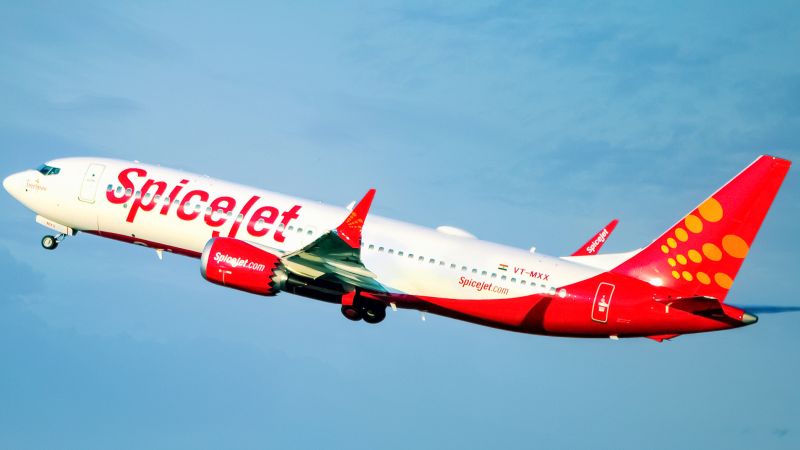
SpiceJet, the Indian low-cost carrier that held around 15 per cent of India's domestic market in 2019, has seen its operations shrink dramatically. Despite having close to 50 aircraft on its books, just nine are currently flying passengers.
SpiceJet's shrinking fleet exposes the scale of its crisis
The gap between its fleet size and operating fleet is significant. Planespotters.net listed 47 aircraft in total in mid-October, but only 10 were operational, including two Q400 turboprops. The remaining 37 were parked. By 11 November, reports citing CNBC-TV18 put the number of active aircraft at 12, although three were grounded over payment disputes with lessors, leaving just nine available to operate passenger flights. Figures vary depending on whether wet-leased aircraft are included, but recent estimates consistently put the number of aircraft actually flying at between nine and 13.
The decline accelerated in September, when SpiceJet's last three active Boeing 737 MAX 8s were deregistered and returned to their lessors. This temporarily reduced its operating fleet to eight, before three leased Airbus A320s from Cambodia's Sky Angkor Airways arrived. Four additional MAX 8s have also been grounded for more than a year due to engine high-pressure turbine problems, with leasing companies owned by ICBC Aviation seeking their repossession in July.
Much of the remaining fleet has been sitting idle for years, with engine shortages, maintenance backlogs and disputes with aircraft lessors preventing their return to service.
The impact on passengers has been substantial. SpiceJet operates around 65 scheduled services a day but reportedly cancels 15 to 20, with some passengers waiting three to five hours before being told their flight will not operate.
DGCA figures for September highlight the scale of the problem. SpiceJet cancelled 20.29 per cent of its flights, compared with an industry average of just 1.15 per cent. Its on-time performance at India's 10 major airports was just 16.6 per cent, against 91.1 per cent for IndiGo.
Passenger numbers have also collapsed. SpiceJet carried around 73,000 domestic passengers in September, compared with 592,000 in January. Its domestic market share has fallen to just 0.6 per cent, leaving it behind even regional operator Star Air.
Has SpiceJet hired pilots and cabin crew?
SpiceJet has shown little sign of expanding its workforce in 2026. Beyond walk-in cabin crew interviews advertised at its Gurugram training academy in January and February, there have been no reported recruitment drives for pilots or cabin crew. Instead, the airline has been reducing staffing levels.
A human resources letter dated 31 March placed more than 500 employees on unpaid furlough from 1 April to 30 September. The Economic Times subsequently reported that up to 20 per cent of SpiceJet's workforce, estimated at around 6,800 employees, could eventually be affected.
The pressure has also extended to flight crews. Reuters reported that SpiceJet employed 375 pilots in March, while subsequent media reports citing company sources say employees have not received salaries since June.
The situation came to a head in October when around 40 pilots operating the airline's Q400 turboprops reportedly refused to fly until outstanding payments were settled. The Airline Pilots' Association of India supported the pilots' position in a letter to its members.
SpiceJet disputed the disruption, responding that "all our pilots are operating as scheduled and all flights are operating normal."
How does rostering work with 375 pilots and just nine aircraft?
SpiceJet does not publish its crew rostering figures, but the available numbers point to a significant imbalance between its pilot workforce and the number of aircraft actually flying. Airlines typically require around five crew sets for each narrowbody aircraft, equivalent to roughly 10 to 12 pilots per aircraft. With 375 pilots and just nine aircraft operating, SpiceJet has more than 40 pilots for every active aircraft. The imbalance is particularly evident in its Q400 fleet, where around 40 pilots are reportedly attached to just two operational turboprops.
Keeping those pilots employed also comes with ongoing costs. Pilots must complete at least three take-offs and landings within a 90-day period to maintain their currency. Those who are not flying regularly may need additional simulator sessions, adding further expense for an airline already under financial pressure.
The airline's reduced schedule creates another problem. SpiceJet operates around 65 scheduled services daily, but cancellations mean crews can be rostered and placed on standby for flights that ultimately never depart.
Its recovery plan is unlikely to provide much additional flying for its own pilots. In September, SpiceJet signed agreements with three operators to bring in 20 aircraft, comprising 15 Boeing jets and five Airbus aircraft, between mid-October and mid-November. The additional capacity was intended to help the airline operate around 200 daily flights.
However, all 20 aircraft are being sourced through wet or damp leases, meaning the supplying operators provide at least the pilots. Under a full wet lease, they also provide the cabin crew. Four Airbus A321s leased from Air One Moldova have already entered service, with four Boeing 737-800s from Czech operator Smartwings expected to follow.
This means much of SpiceJet's planned capacity expansion will rely on pilots supplied by other airlines, rather than creating additional flying opportunities for its own flight crews. Its cabin crew may benefit from the expansion where aircraft operate under damp-lease arrangements, but the wet-leased aircraft will bring their own cabin crews.
What it means for travellers
India's aviation minister confirmed in September that the DGCA is carrying out operational and financial scrutiny of SpiceJet, which currently earns a five-star safety rating out of seven and a 2.5-star product rating on AirlineRatings.com. Passengers booked with the airline should check their flight status before leaving for the airport and keep a back-up option for important journeys over the peak season or, realistically, avoid flying them at all.
If all 20 leased aircraft arrive, the active fleet would climb past 30, although close to 40 of SpiceJet's own aircraft would still sit parked while the airline pays pilots it cannot keep flying.
Have questions or want to share your thoughts?