How safety brought an airline to its knees

By Josh Wood Fri Dec 5, 2025
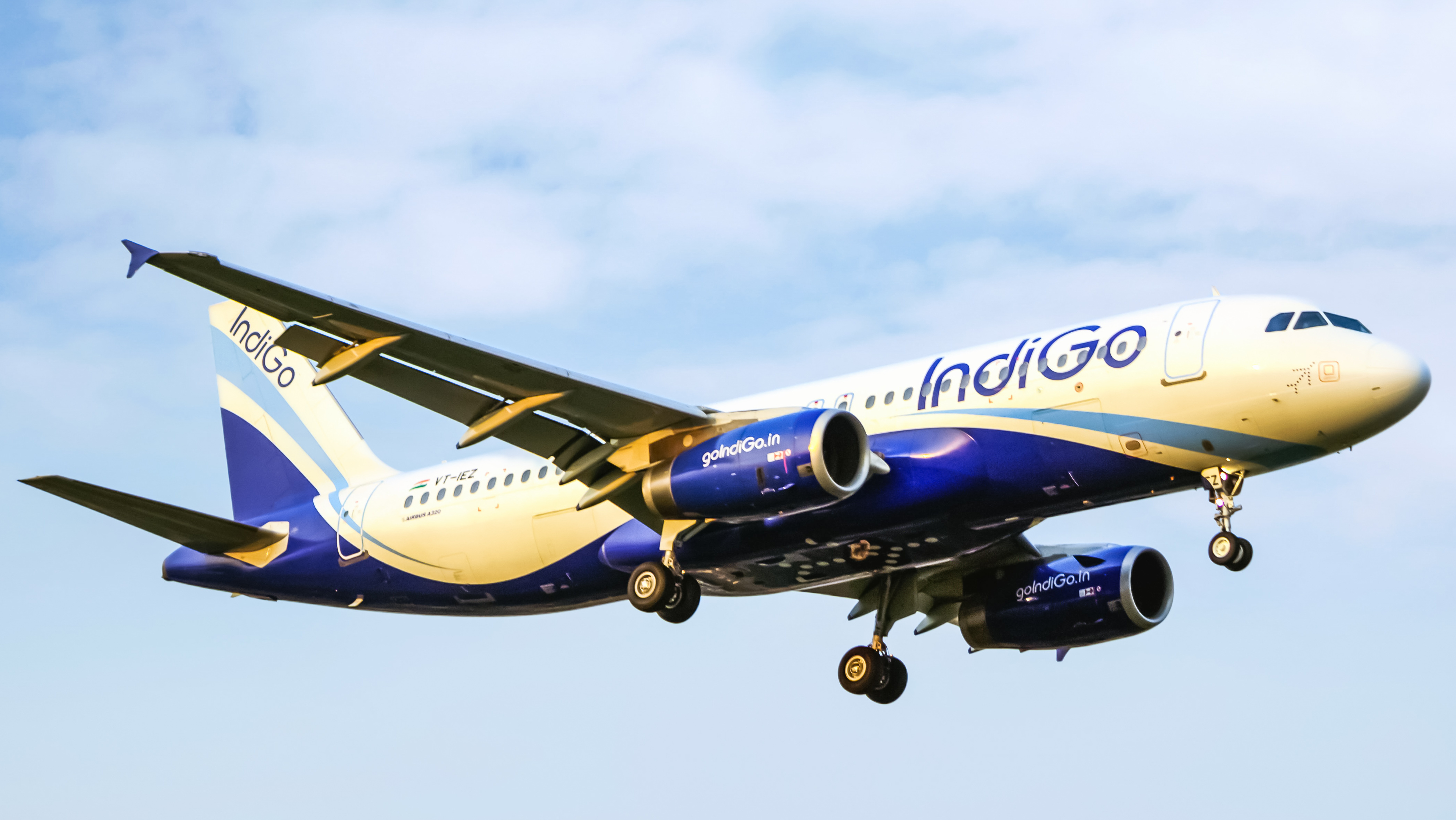
India’s largest airline, IngiGo, is facing one of the most severe operational breakdowns in its history, with over 1,000 flights cancelled, causing mass disruption for thousands of passengers.
A Sudden Collapse In On-Time Performance
IndiGo’s usually dependable operations have worsened significantly over the past week. Only a small percentage of flights have taken off on time, with many delayed by several hours or cancelled entirely. Airports are experiencing long lines, overwhelmed customer service counters, and passengers sleeping on terminal floors as disruptions spread through the network.
Major hubs like Delhi, Mumbai, Bengaluru, and Hyderabad are all impacted. The chaos comes during a peak season with high demand, capacity challenges, and a complex regulatory shift that has revealed weaknesses in crew management and daily operational planning. A passenger advisory from Delhi airport on Friday, December 5th, stated that all IndiGo domestic flights have been cancelled until midnight.
Crew Duty Regulations At The Centre Of The Crisis
While weather and airport congestion have certainly added pressure, the real catalyst behind IndiGo’s meltdown is the latest round of pilot duty-time and rest-period regulations introduced by India’s Directorate General of Civil Aviation (DGCA). The first phase landed in July, with the stricter measures taking effect on 1st November, and they’ve fundamentally reshaped how airlines roster their crews.
Under the new rules, weekly rest has jumped from 12 hours to 48 hours, and pilots are now limited to two night landings per week, down from six. The DGCA has also expanded the night-duty window to run from midnight to 06:00 instead of 05:00, aligning more closely with the human circadian low when alertness naturally dips.
Crucially, rest must now be taken only at a pilot’s home or temporary home base, and no more than 168 hours may pass between weekly rest periods. These changes, while grounded firmly in safety, dramatically reduce staffing flexibility. For an airline as tightly scheduled as IndiGo, the impact has been immediate and significant.
IndiGo’s Response: Apology And System Reboot
CEO Pieter Elbers has issued a public apology, acknowledging the scale of the disruption and promising that a “system reboot” is underway. But while updating internal systems may tidy up how duty-time data is displayed, it does little to fix the far bigger issue that IndiGo’s crew are now scattered across the network, out of position due to the sudden tightening of duty-hour limits. This isn’t a software problem; it’s a logistical one, and it will take extensive rescheduling and repositioning long before the operation begins to look stable again.
The DGCA has since requested full details of IndiGo’s rostering, planning, and contingency measures, signalling that closer oversight may be coming. A dedicated panel has also been established to understand how the airline’s scheduling structure unravelled so quickly under the new regulatory demands.
A Deeper Structural Issue
This period of unrest at IndiGo exposes broader vulnerabilities within India’s fast growing aviation landscape. The airline has long relied on tight utilisation and low operating costs, a model that performs brilliantly in steady conditions but offers little protection when major disruption strikes.
The DGCA’s updated crew rest rules, designed to strengthen safety and fatigue management, have revealed just how fragile this high efficiency approach can be. As the market expands, the balance between cost control, regulatory compliance, and genuine staffing resilience is becoming increasingly challenging for carriers to maintain.
IndiGo’s crisis resource management has also come into sharp focus. The airline did not recruit or upgrade enough flight crew ahead of the regulatory changes, leaving almost no buffer to absorb operational shocks. When the new duty-time limits reset, large groups of pilots became unavailable at once, triggering the cascading disruption the airline is now facing.
What Happens Next?
Stabilising the schedule is IndiGo’s top priority, yet the dent to passenger confidence will stretch into the busy travel season. This episode will almost certainly trigger a broader review of how crew-duty rules are phased in and whether airlines are building in enough staffing depth for an operation the size of India’s.
Have questions or want to share your thoughts?